Pallet Delivery Cost: What You Really Pay and How to Save
When you ship something on a pallet, a flat wooden or plastic platform used to stack and move goods safely. Also known as shipping pallet, it's the backbone of modern logistics for businesses big and small. But the pallet delivery cost isn’t just the price tag you see—it’s the fuel surcharge, the liftgate fee, the remote area charge, and sometimes even the wait time penalty. Most people think they’re paying for transport, but they’re really paying for handling, equipment, and access. And if you don’t know what’s included, you’ll get hit with surprise fees that can double your bill.
Pallet delivery ties directly into freight rates, the pricing structure carriers use based on weight, size, distance, and how easy it is to load or unload. It also connects to pallet logistics, the whole system of stacking, securing, and moving goods on pallets across warehouses and trucks. If your pallet isn’t built right—too tall, uneven weight, no shrink wrap—you’ll pay more because carriers treat it as high-risk. And if you’re shipping to a rural area or a building without a dock, expect to pay extra for a liftgate or tailgate service. These aren’t optional upgrades—they’re standard add-ons that can add £30 to £100 per delivery.
Here’s what actually drives the cost: the size of your pallet (standard UK pallet is 120x100cm), how heavy it is (over 500kg triggers special handling), where it’s going (London vs. the Scottish Highlands), and whether you need next-day delivery. Carriers like DPD, DHL, and FedEx all charge differently, but none of them make it easy to compare. The trick? Always ask for a full breakdown—not just a quote. Ask about fuel surcharges, delivery windows, and whether your pallet needs to be palletized (pre-built) or if you can use your own. Many businesses save 20-40% by using a local courier instead of a national carrier, or by grouping shipments to avoid multiple trips.
And don’t forget the small stuff: using the right pallet type matters. If you’re shipping heavy machinery, a wooden pallet might be cheaper upfront, but plastic pallets last longer and don’t splinter. If you’re sending food or medical supplies, you’ll need clean, sanitized pallets—which cost more but avoid inspection delays. The best way to cut costs isn’t to pick the cheapest carrier; it’s to reduce the number of times your goods are handled. One delivery with two pallets is cheaper than two deliveries with one pallet each.
Below, you’ll find real-world breakdowns from people who’ve shipped everything from furniture to machinery. Some saved hundreds by switching pallet suppliers. Others avoided a £200 surprise fee by asking one simple question before booking. These aren’t theory pieces—they’re lessons from actual UK businesses that got burned, then figured it out. Whether you’re shipping once a month or once a week, you’ll find something here that cuts your next pallet delivery cost—without slowing you down.
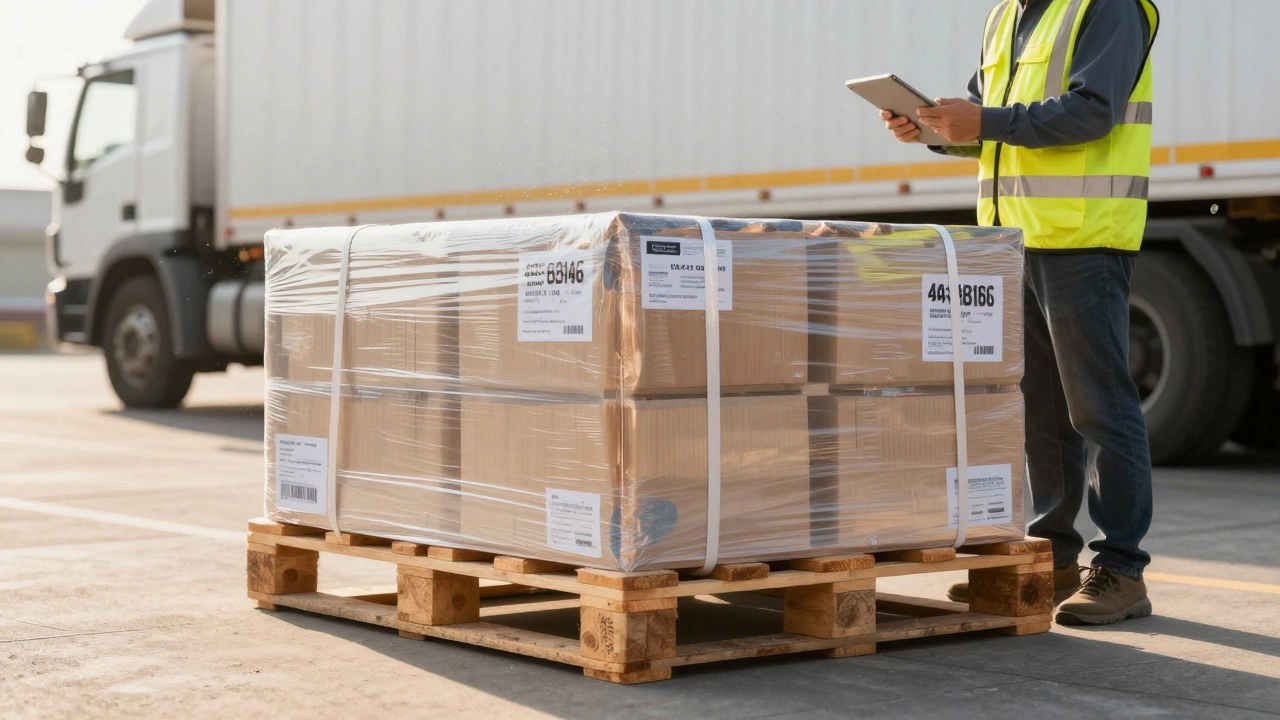
Pallet delivery costs vary by weight, distance, speed, and handling. Learn the real prices in 2025, hidden fees to avoid, and how to save money on shipping your pallets across the country.
Dec, 4 2025