Logistics Providers: Who Moves Your Stuff and How They Really Work
When you order something online, it doesn’t just appear at your door. It’s moved by logistics providers, companies that handle the movement, storage, and delivery of goods from warehouse to customer. Also known as supply chain partners, these are the invisible engines behind every package you receive. Some are giant warehouse operators like Prologis, the world’s largest warehouse company, managing millions of square feet of storage space across the globe. Others are delivery networks like UPS, a courier service that specializes in time-sensitive shipments, including overnight and next-day delivery. Then there’s Amazon, a company that doesn’t call itself a courier but runs one of the fastest, most complex delivery systems on the planet. These aren’t just delivery guys with vans—they’re data-driven systems that track inventory, optimize routes, and manage returns.
What sets one logistics provider apart from another? It’s not just speed. It’s scale, technology, and specialization. A small business shipping handmade goods needs different tools than a retailer moving thousands of items daily. Logistics providers vary in how they handle inventory, packaging, customs, and last-mile delivery. Some focus on warehousing, like those using SAP EWM, a warehouse management module built into SAP’s enterprise software that helps track stock and automate picking. Others specialize in international shipping, cutting costs by bundling freight or avoiding customs delays. And then there are the ones who make it look easy—like the courier services that promise same-day delivery but rely on local drivers and real-time routing apps.
What you’re really looking for isn’t just the biggest name—it’s the right fit. If you’re running an online store, you need a provider that understands eCommerce logistics, the full cycle of order fulfillment, from packing to returns, tailored for digital sales. If you’re shipping overseas, you care about shipping costs, how packaging, weight, and customs rules eat into your profit. And if you’re storing things long-term, you’re thinking about warehouse management, whether your items are safe, organized, and easy to pull when needed. The posts below break down exactly how these pieces connect—whether you’re trying to cut shipping fees, understand why your package is late, or figure out if you should use Amazon’s system or stick with a traditional courier. You’ll find real answers, not marketing fluff. No jargon. Just what works.
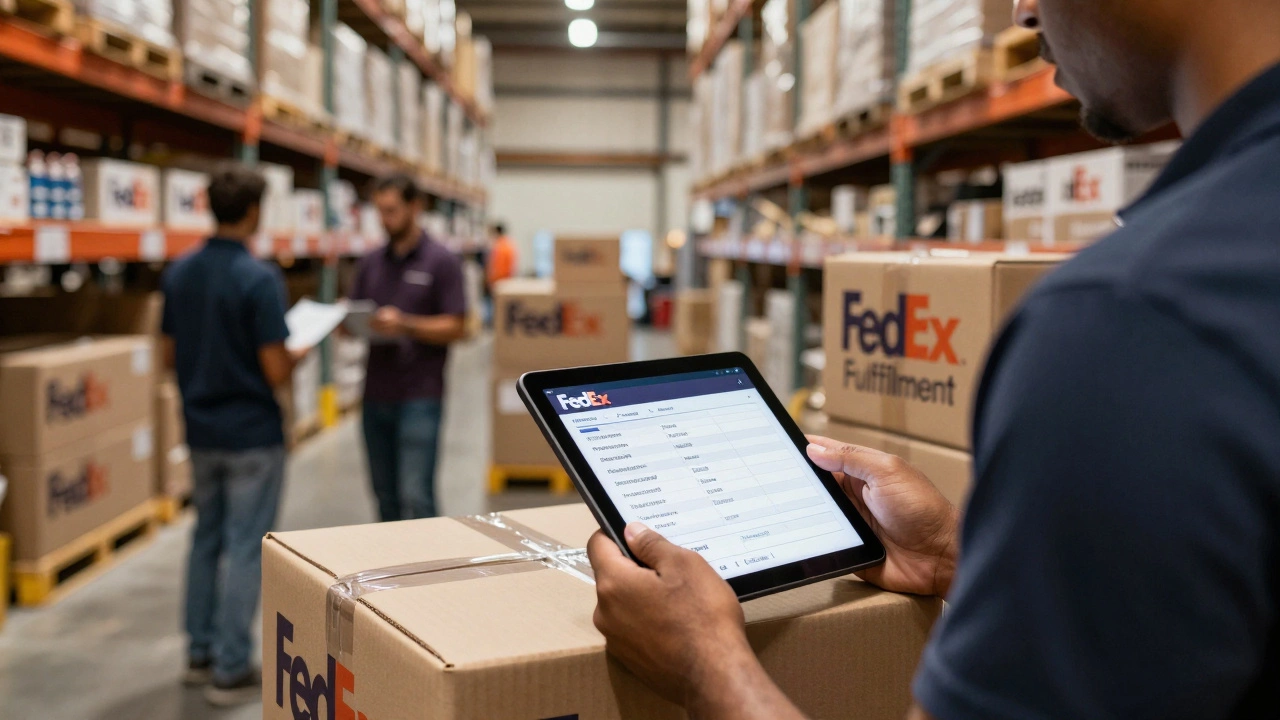
FedEx can be both a 3PL and a 4PL depending on the service you use. Learn the key differences and how to choose the right one for your business logistics needs.
Dec, 4 2025