Freight Pallet Delivery: How It Works and What You Need to Know
When you ship large or heavy items in bulk, freight pallet delivery, a system for moving goods on standardized wooden or plastic platforms using commercial carriers. Also known as pallet shipping, it’s the backbone of how warehouses, retailers, and online sellers get products from point A to point B without breaking the bank or the product. Think of it like stacking boxes on a flat platform so a forklift can grab the whole stack at once—simple, fast, and way more efficient than moving each box by hand.
Freight pallet delivery isn’t just for big companies. Small businesses use it too, especially when shipping furniture, appliances, or bulk inventory. The key is understanding LTL shipping, less-than-truckload freight, where multiple smaller shipments share space on one truck. This cuts costs dramatically compared to renting a whole truck. And if you’re shipping across the UK or internationally, you’ll also deal with warehouse pallets, standardized platforms sized for easy handling in storage and transport, usually 48x40 inches in the US or 1200x800mm in Europe. Getting the size and weight right matters—carriers charge extra if your pallet doesn’t meet their specs.
Not all pallets are created equal. Some are made of wood, others plastic or metal. Wood is cheap and recyclable, but it can splinter or absorb moisture. Plastic pallets last longer and are easier to clean, which is why food and pharma companies prefer them. And if you’re shipping overseas, customs inspectors will check your pallets too—so make sure they’re stamped with ISPM-15, the global standard for treated wood. Skip this, and your shipment could get stuck at the border.
Who handles freight pallet delivery? Companies like FedEx, UPS, and DHL offer it, but so do local freight carriers who specialize in regional LTL routes. The real difference? Local carriers often have better rates for shorter distances, while national carriers give you tracking and reliability across the country. And if you’re shipping more than a few pallets, you might want to think about working with a freight logistics, the full process of planning, moving, and managing goods from supplier to customer provider who can bundle your shipments, handle paperwork, and even store your pallets until they’re ready to go.
What’s common across all these services? Timing, preparation, and clear communication. If your pallet isn’t properly secured, labeled, or documented, delays happen. And if you don’t know your weight, dimensions, or freight class, you’ll get hit with surprise fees. The good news? Most of these mistakes are easy to avoid. Just measure twice, label clearly, and ask your carrier what they need before you drop off your pallet.
You’ll find posts here that break down how to cut freight costs, what carriers really charge, and how to avoid the hidden traps in pallet shipping. Whether you’re shipping a single pallet or managing a warehouse full of them, the advice below is real, practical, and focused on what actually works—not fluff.
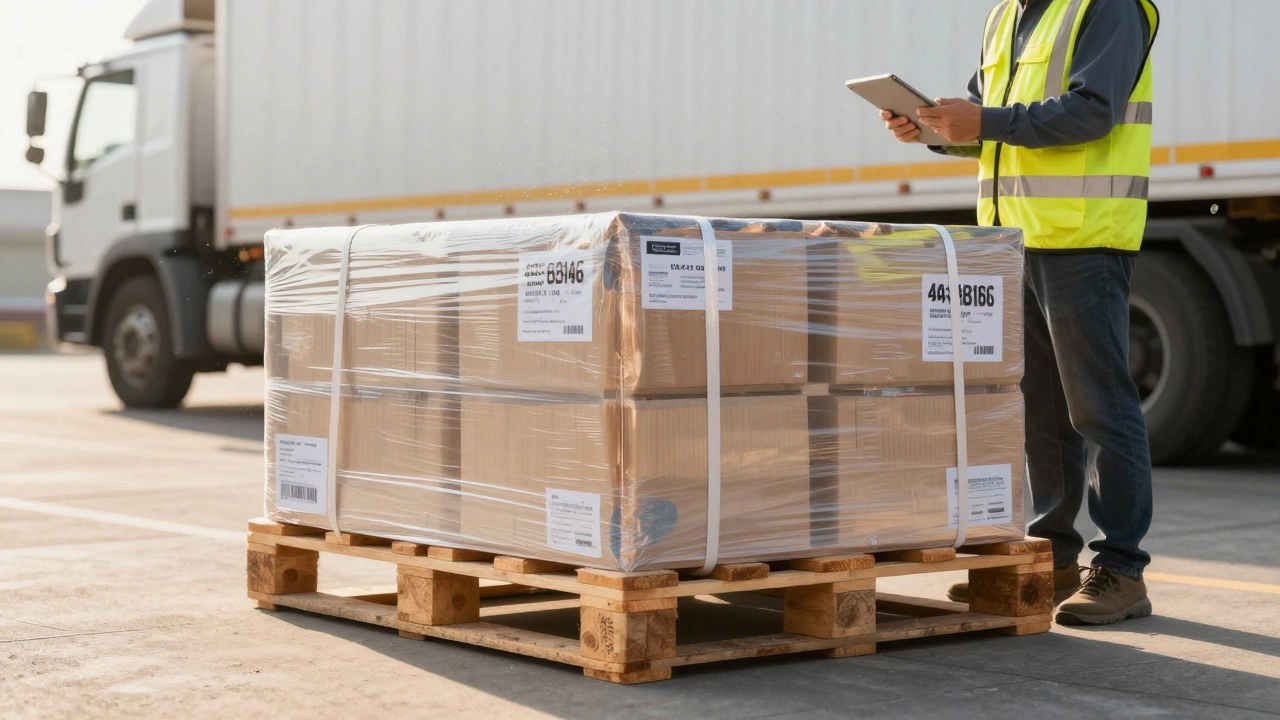
Pallet delivery costs vary by weight, distance, speed, and handling. Learn the real prices in 2025, hidden fees to avoid, and how to save money on shipping your pallets across the country.
Dec, 4 2025