FBA Explained: What It Is and How It Powers E-Commerce Sellers
When you buy something online and it shows up at your door in two days, chances are FBA, Fulfillment by Amazon, a service where sellers store inventory in Amazon’s warehouses and let Amazon handle packing, shipping, and customer service. Also known as Fulfillment by Amazon, it’s the backbone of millions of small businesses selling online. It’s not just a shipping trick—it’s a full logistics system that turns anyone with a product into a global seller.
FBA connects directly to Amazon logistics, the massive network of warehouses, delivery trucks, and automated systems Amazon uses to move goods faster than any other company. Sellers don’t need their own warehouse, staff, or shipping contracts. They just send bulk inventory to an Amazon fulfillment center. From there, Amazon takes over: they receive it, label it, store it, pick it when ordered, pack it, ship it, and even handle returns. This system works because Amazon has built something no small business can match: speed, scale, and trust. Customers expect fast delivery—and FBA delivers that.
It’s not just about shipping. FBA also affects how products rank on Amazon. Items eligible for Prime shipping get top placement. Buyers trust them more. Returns are handled smoothly, which keeps seller ratings high. That’s why thousands of sellers—from solo entrepreneurs to mid-sized brands—use FBA instead of running their own fulfillment. It’s not cheap, but it cuts out the chaos of managing inventory, printing labels, and chasing lost packages.
You’ll find posts here that dig into how FBA fits with tools like warehouse management systems, software used to track inventory, manage picking routes, and optimize storage in fulfillment centers. Some sellers use SAP or other WMS platforms alongside FBA to keep their internal stock in sync. Others compare FBA to third-party logistics (3PL) services and wonder if they’re overpaying. There are guides on when to use FBA, when to avoid it, and how to cut costs without losing the Amazon advantage.
This collection doesn’t just explain FBA—it shows you how real sellers use it every day. You’ll see what happens when inventory gets stuck in an Amazon warehouse, how returns impact your bottom line, and why some products thrive on FBA while others don’t. Whether you’re just starting out or scaling up, the posts here give you the real talk—not the marketing fluff—on how FBA actually works in practice.
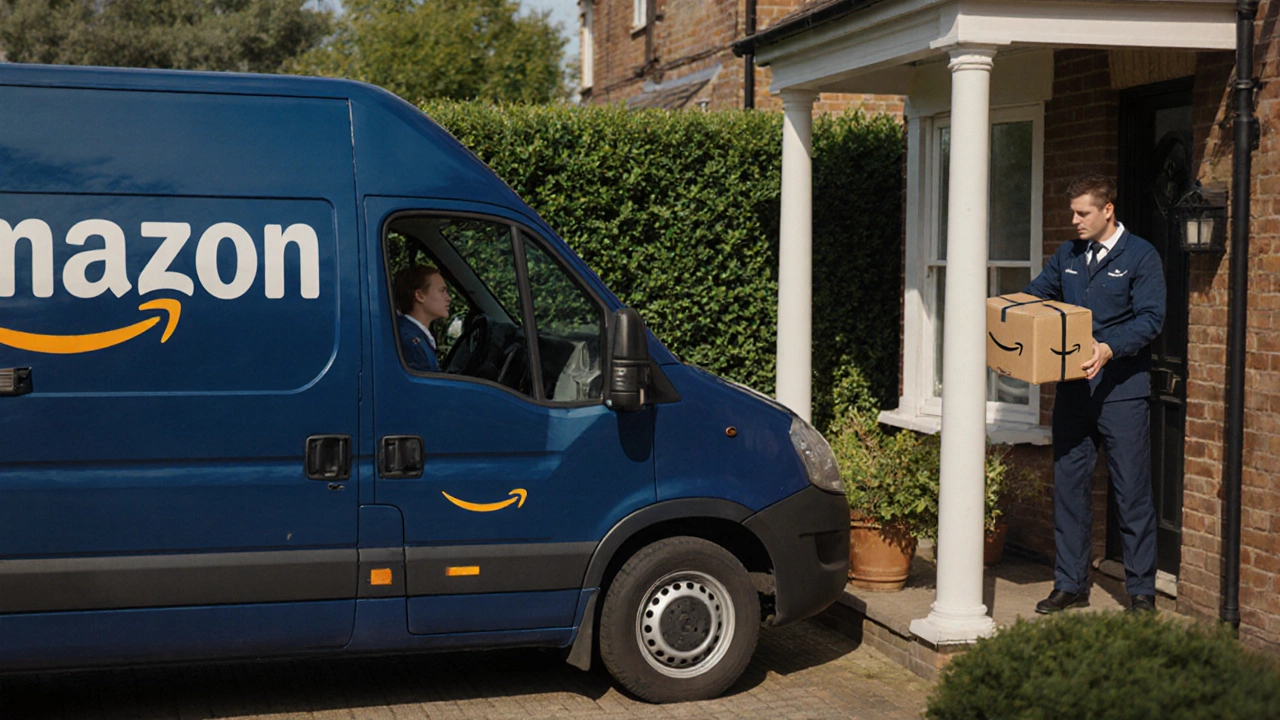
Amazon isn't a courier service, but its delivery network operates faster and at a larger scale than most. Learn how Amazon's logistics system works, why it's different from FedEx or UPS, and what you can actually use it for.
Nov, 27 2025