Delivery Pallet Quotes: How to Get Fair Prices and Avoid Overpaying
When you need to ship goods on a delivery pallet, a standardized wooden or plastic platform used to transport heavy or bulky items. Also known as shipping pallet, it's the backbone of freight logistics for businesses big and small. Getting a fair delivery pallet quote isn’t just about picking the lowest number—it’s about understanding what you’re actually paying for. Many people think all pallet shipping is the same, but weight, size, distance, pickup/delivery locations, and even the type of pallet (new vs. used, block vs. stringer) can change the price by hundreds of dollars.
What you’re really buying isn’t just movement—it’s freight pallet, a unitized load designed for efficient handling by forklifts and pallet jacks. Carriers charge based on how much space and weight your pallet takes up in their truck. A 40-inch by 48-inch standard pallet weighing 300 lbs might cost less than a 48-inch by 48-inch pallet weighing 500 lbs, even if they’re going to the same place. Then there’s pallet cost calculator, a tool or method used to estimate shipping expenses based on dimensions, weight, and service level. Most carriers offer online calculators, but they don’t always include accessorial fees—like liftgate service, residential delivery, or inside delivery. Those can sneak in and double your bill if you’re not careful.
Don’t assume one quote is the same as another. Two companies might both say they’ll ship your pallet from Manchester to Birmingham for £120, but one includes insurance and fuel surcharges, while the other doesn’t. One might require you to drop off at a depot; the other picks up at your door. One uses new pallets; the other reuses old ones—could mean damage risk. The best way to compare? Ask for a line-item breakdown. Look at the base rate, fuel charge, handling fee, and any special service costs. If they won’t give you that, walk away. You’re not just shopping for a price—you’re shopping for reliability.
And timing matters. If you’re shipping during peak season—think November through January—prices jump. Same goes if you need next-day delivery or have tight pickup windows. Carriers charge more when they have to rearrange their entire route for you. But if you’re flexible, you can save big. Shipping mid-week, avoiding holidays, and giving 48 hours’ notice often means lower rates.
There’s also a big difference between LTL (less-than-truckload) and FTL (full truckload) pallet shipping. If you’ve got just one or two pallets, you’re in LTL territory. That’s where you share space with others, and pricing gets more complex. If you’ve got a full truck’s worth, you get a flat rate. Most small businesses and online sellers deal with LTL, so knowing how to read a pallet quote here is essential.
Below, you’ll find real-world advice from people who’ve shipped hundreds of pallets—what they learned the hard way, which carriers actually deliver on time, and how to spot a quote that looks good but hides the catch. No fluff. Just what works.
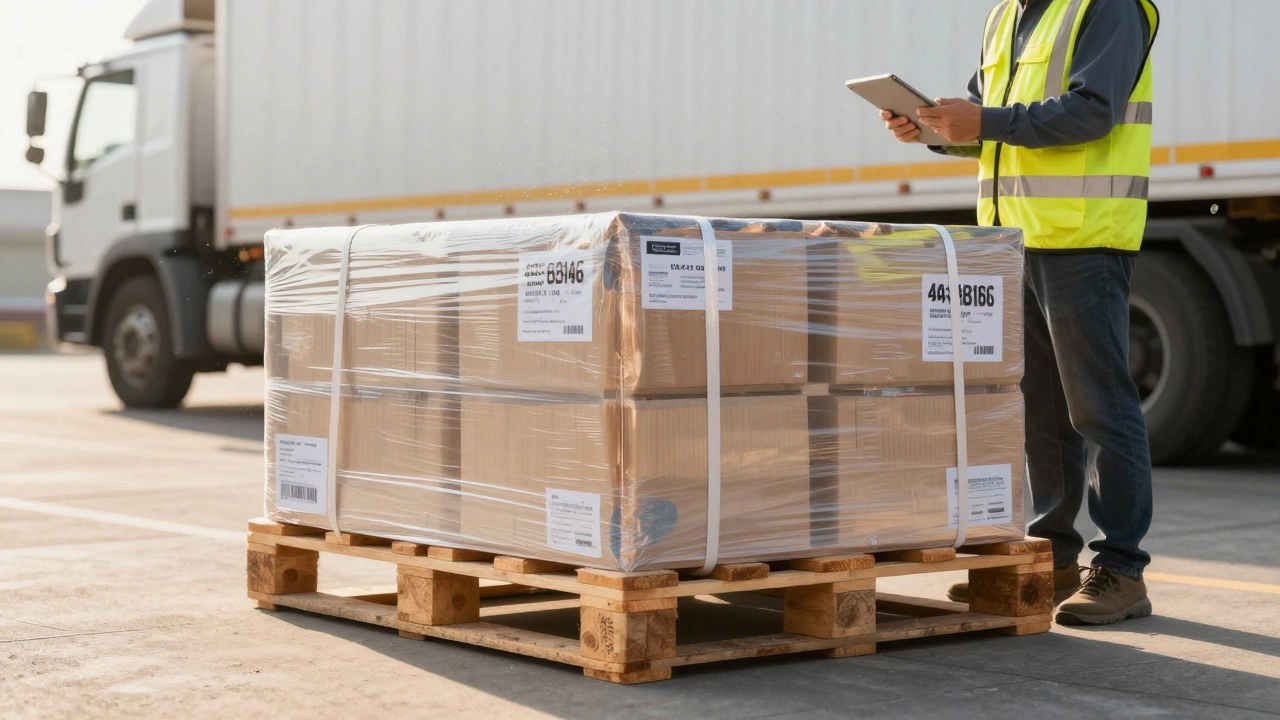
Pallet delivery costs vary by weight, distance, speed, and handling. Learn the real prices in 2025, hidden fees to avoid, and how to save money on shipping your pallets across the country.
Dec, 4 2025