Amazon Delivery: How It Works, What Affects Speed, and What You Really Need to Know
When you order something from Amazon delivery, the end-to-end process of getting products from Amazon warehouses to your doorstep, often with same-day or next-day promises. It's not just a shipping option—it's a system built on logistics, timing, and location. You click buy, and somehow, that item shows up faster than you expected. But how? And why does your neighbor’s package arrive by noon while yours doesn’t land until Friday?
Last mile delivery, the final leg of a package’s journey from a local hub to your home is where Amazon wins—and where it struggles. This isn’t just about drivers and vans. It’s about warehouse proximity, delivery density, and whether you live in a city block with 200 units or a rural road with one house every two miles. Courier delivery times, how long it takes for a package to move from seller to buyer vary wildly because Amazon doesn’t use one method—it uses dozens. Some packages fly out of a fulfillment center 5 miles away. Others sit in a regional hub for 48 hours because there’s no truck heading your way until Tuesday.
E-commerce logistics, the entire backbone of online shopping, from inventory to final drop-off is the real engine behind Amazon’s speed. It’s not magic—it’s data. Amazon knows what you’re likely to buy, where you live, and which warehouse can ship it fastest. They group orders, optimize routes, and even pre-position popular items near high-demand areas. That’s why you see "Free delivery in 1 hour" on some items and "Arrives by Dec 12" on others. It’s not random. It’s calculated.
And it’s not just Amazon. The whole package delivery speed, how quickly a consumer receives their order after purchase game has changed. People now expect speed as standard, not luxury. That’s why even small retailers are copying Amazon’s model—using local warehouses, third-party couriers, and same-day options. But Amazon still leads because they control more of the chain: warehouses, delivery vans, drivers, and even the software that tells each driver where to go next.
What you get on your doorstep isn’t just a product. It’s the result of thousands of decisions made in real time—how many boxes fit on a truck, which route avoids traffic, whether your building has a porch or a locked entry. Some deliveries are fast because you live near a fulfillment center. Others take longer because the system is overloaded, or your address is harder to reach. There’s no single rule. But understanding how this system works helps you know when to expect your package—and when to just wait.
Below, you’ll find real breakdowns of how delivery works, what makes some shipments faster than others, and how Amazon compares to other carriers. No fluff. Just facts from people who’ve tracked packages, managed warehouses, and watched the system change over time.
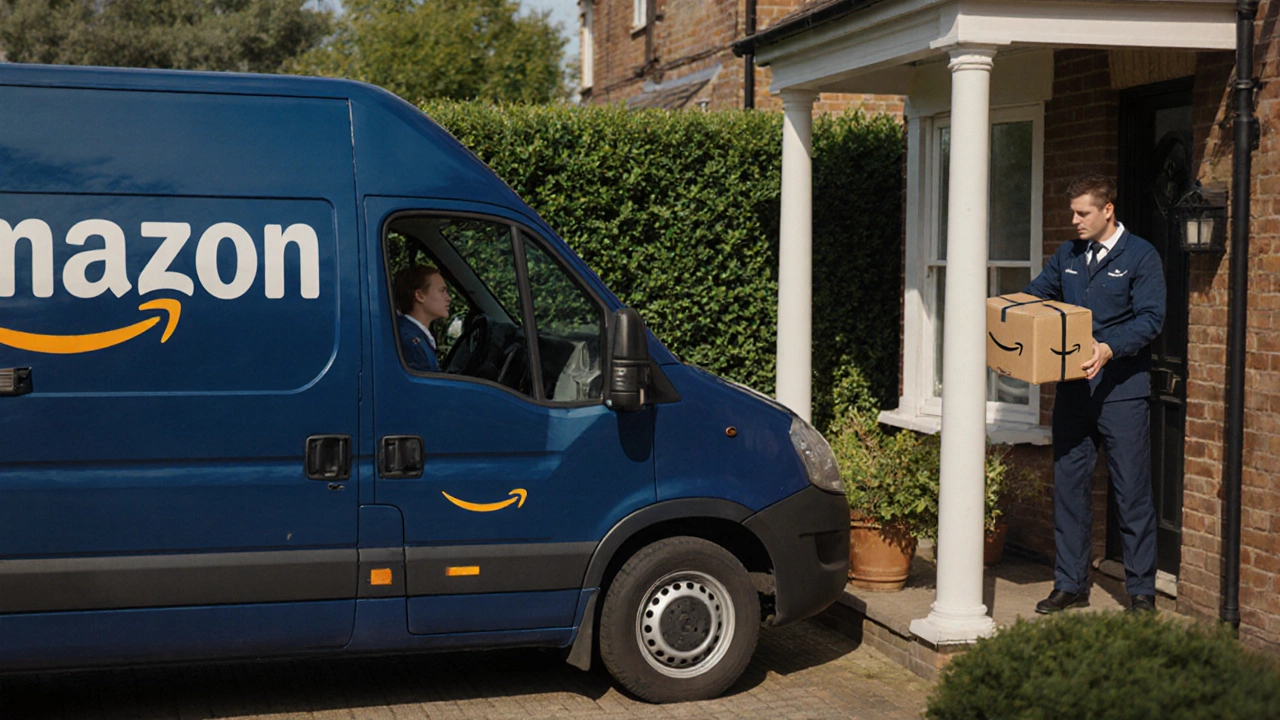
Amazon isn't a courier service, but its delivery network operates faster and at a larger scale than most. Learn how Amazon's logistics system works, why it's different from FedEx or UPS, and what you can actually use it for.
Nov, 27 2025