3PL vs 4PL: What’s the Real Difference and Which One Do You Need?
When you’re shipping products and need help managing the logistics, you’ll hear two terms thrown around: 3PL, a third-party logistics provider that handles warehousing, packing, and shipping on your behalf. Also known as third-party logistics, it’s the go-to solution for small to mid-sized e-commerce brands that don’t want to run their own warehouse. Then there’s 4PL, a fourth-party logistics provider that doesn’t just move boxes—it manages your entire supply chain, including the 3PLs you work with. Also known as fourth-party logistics, it’s like hiring a general contractor for your logistics empire. The difference isn’t just in size—it’s in control. A 3PL takes tasks off your plate. A 4PL rewrites the whole playbook.
Think of it this way: if your business is a car, a 3PL is the mechanic who fixes the engine, changes the tires, and keeps the fuel tank full. A 4PL is the fleet manager who decides which mechanic to hire, when to upgrade the vehicle, how to route deliveries across the country, and even negotiates with fuel suppliers. Companies using 4PLs often have complex needs—multiple warehouses, international shipping, returns management, and multiple carriers like UPS, FedEx, or Amazon’s own network. You’ll see this in posts about eCommerce logistics, warehouse management, and how giants like Prologis or SAP EWM fit into the bigger picture. Most small businesses start with a 3PL because it’s cheaper, faster to set up, and gives them hands-on control. But when your orders explode, your returns pile up, and your shipping costs go wild, that’s when a 4PL steps in to untangle the mess.
It’s not about which one is better—it’s about which one matches your stage. If you’re shipping 50 orders a day from your garage, a 3PL is all you need. If you’re managing 5,000 orders daily across three countries, with different carriers, customs rules, and return centers, you’re already paying for a 4PL—you just don’t realize it yet. Many businesses think they’re saving money by sticking with a 3PL, but they’re actually wasting time, making shipping errors, and losing customers because they’re not optimizing the whole system. The posts below cover real examples: how Amazon’s delivery network works, what SAP EWM actually does inside a warehouse, how to cut overseas shipping costs, and why knowing your 4 P’s of logistics matters more than you think. You’ll find advice on picking carriers, managing inventory, and when to upgrade from basic shipping to full supply chain control. This isn’t theory. It’s what people are actually using to fix their logistics headaches right now.
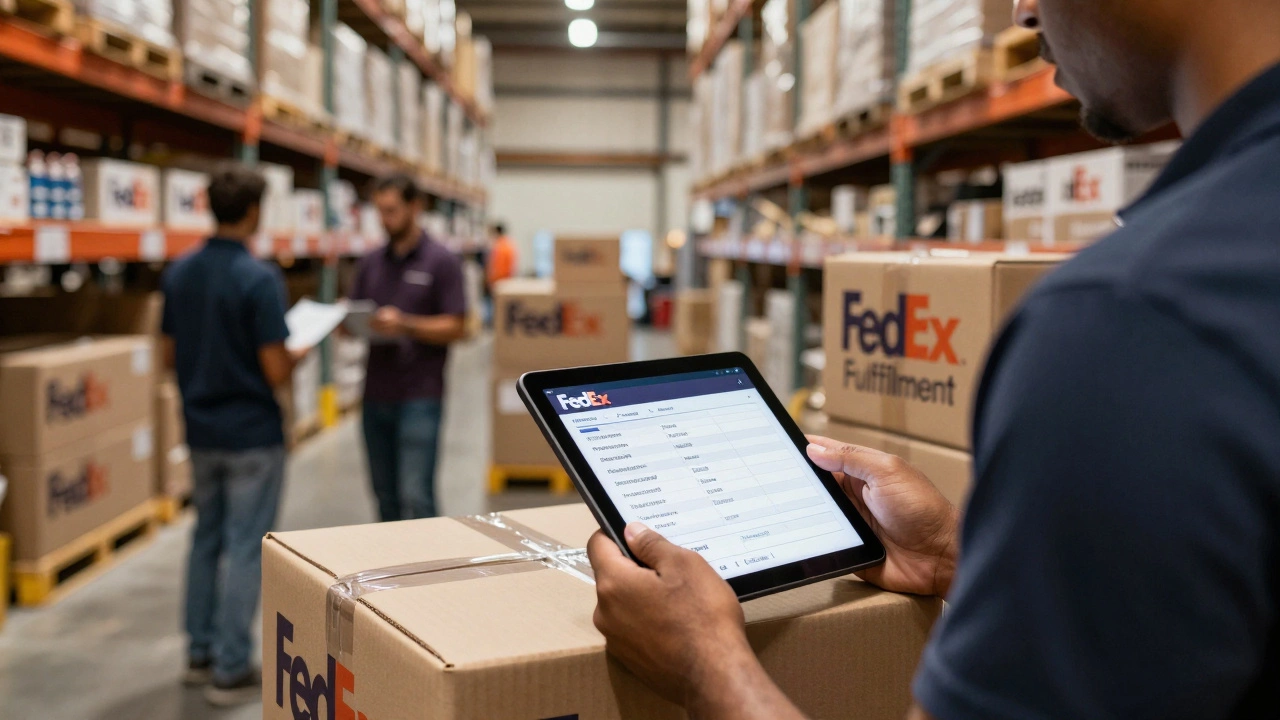
FedEx can be both a 3PL and a 4PL depending on the service you use. Learn the key differences and how to choose the right one for your business logistics needs.
Dec, 4 2025