Will a Car Fit in a 10x20 Storage Unit? The Complete Guide
Will It Fit? 10x20 Storage Unit Calculator
Enter Your Vehicle Dimensions
Measure your car including mirrors (extended) and roof racks.
Dimension Analysis
Enter your vehicle's dimensions above to see if it fits in a standard 10x20 storage unit.
You’re staring at the rental agreement for a 10x20 storage unit is a standard self-storage space measuring 10 feet wide by 20 feet long, offering 200 square feet of floor area., and your mind races. Can you actually park your car inside? It’s the million-dollar question for anyone trying to save their vehicle from winter salt, summer UV rays, or just a crowded driveway. The short answer? Yes, but with serious caveats. If you try to jam a mid-size SUV into that box without planning, you might find yourself unable to close the door-or worse, dented panels.
Let’s cut through the noise. A 10x20 unit is not a garage. It doesn’t have a roll-up door that swings out; it usually has a swing-out door on one end. This changes everything about how you fit a vehicle inside. We’re going to break down exactly which cars fit, which ones don’t, and the tricks you need to know to make it work without scratching your paint job.
The Math Behind the Fit: Dimensions That Matter
To figure out if your ride fits, we need to look at raw numbers. A standard 10x20 unit gives you 200 square feet of space. But you aren’t renting empty air; you’re renting concrete walls and a specific door opening. Most facilities use a door that is roughly 8 to 9 feet high and 8 to 9 feet wide. Some newer units have taller doors, up to 10 feet, but never assume this.
Your vehicle needs to meet three criteria:
- Length: Your car must be shorter than 20 feet. Ideally, it should be under 18 feet to allow room for the door mechanism and safe entry.
- Width: Your car must be narrower than 8 feet (96 inches). Most passenger cars are around 60-70 inches wide, so this is rarely an issue unless you have wide mirrors or aftermarket fenders.
- Height: Your car must be lower than 8 feet (96 inches). Sedans and coupes are fine. Trucks and large SUVs often exceed this limit.
If your car fails any of these checks, it’s not going in. Don’t guess. Measure your car. Stand next to it with a tape measure. Check the manufacturer’s specs online. If your car is 19 feet long, you *might* fit it, but you’ll be parking it nose-to-wall, leaving zero room to walk around it.
Which Cars Fit in a 10x20?
Not all vehicles are created equal. Here’s a breakdown of what typically slides into a 10x20 unit without breaking a sweat.
| Vehicle Type | Average Length | Fits in 10x20? | Notes |
|---|---|---|---|
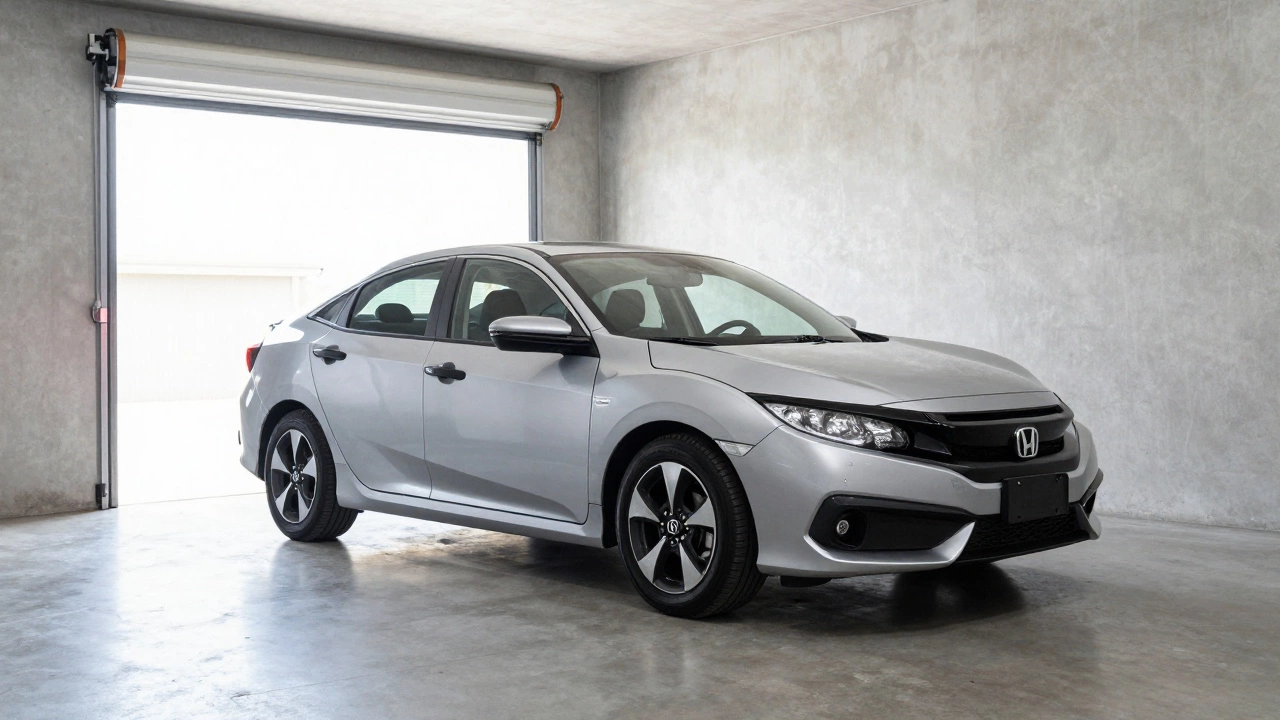
| Compact Sedan (e.g., Honda Civic) | 14.5 - 15 ft | Yes | Plenty of room to walk around. |
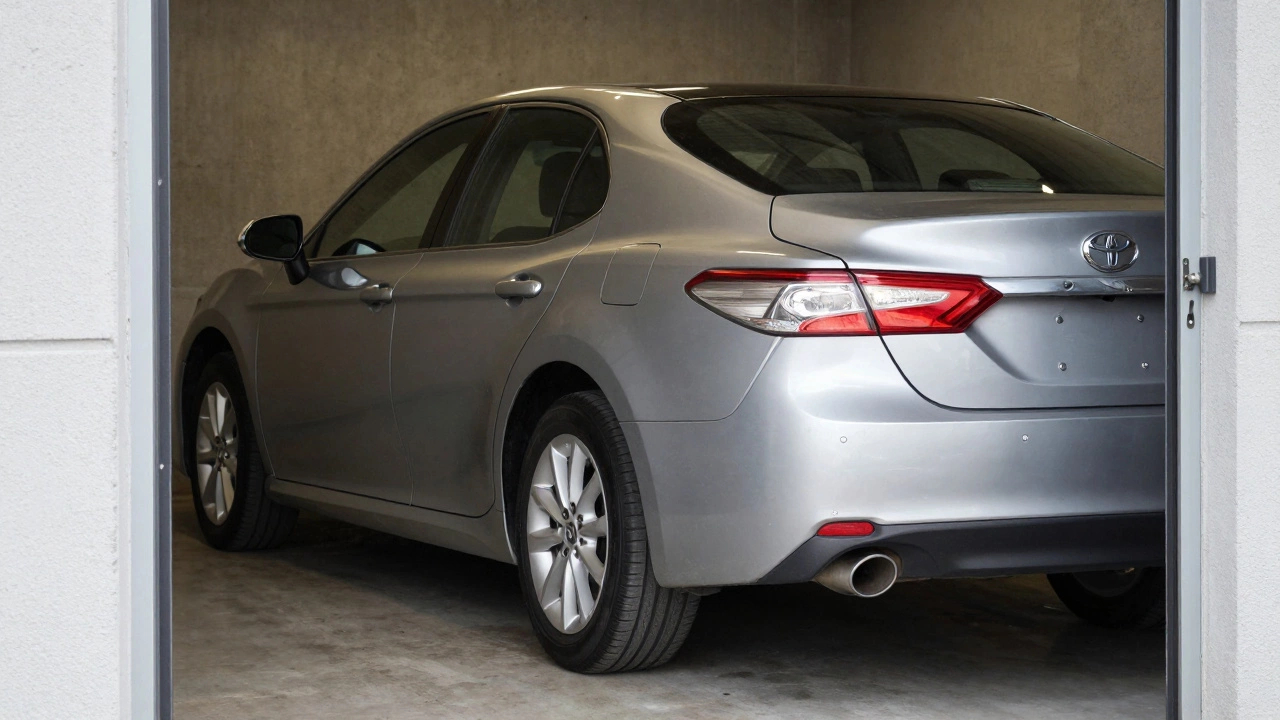
| Mid-Size Sedan (e.g., Toyota Camry) | 18 - 19 ft | Yes (Tight) | May touch back bumper to wall. |
| Coupe (e.g., Ford Mustang) | 18 - 18.5 ft | Yes | Low height helps clearance. |
| Small SUV (e.g., Mazda CX-5) | 17.5 - 18 ft | Yes | Check roof rack height. |
| Pickup Truck (Regular Cab) | 18 - 20 ft | Maybe | Depends on bed length and door height. |
| Large SUV (e.g., Chevrolet Tahoe) | 20+ ft | No | Too long and too tall. |
If you drive a classic muscle car or a vintage sedan, you’re likely in good shape. These cars were built when roads were narrower and garages were smaller. Modern crossovers, however, are getting longer every year. A 2025 model year SUV might be two inches longer than its 2020 counterpart. Those inches matter when you’re working with a fixed 20-foot limit.
The Door Problem: Swing vs. Roll-Up
This is where most people get tripped up. You assume the door opens like a garage door, rolling up overhead. In reality, most 10x20 units have a single swinging door on the 10-foot side. This means the door takes up space *inside* the unit when open.
When you drive in, you can’t back in perfectly straight because the door hinges might hit your side mirror. You also can’t pull out easily if you’ve parked too far forward. The solution? Park diagonally if possible, or leave enough space between your front bumper and the opposite wall to allow the door to swing shut. If your car is 19 feet long, and the unit is 20 feet deep, you only have 1 foot of clearance. That’s less than the width of a tire. One wrong move, and you’re scraping paint.
Some facilities offer "drive-up" access or larger doors, but they charge more. Always ask the manager: "Is there a roll-up door option?" If yes, book it. If no, stick to smaller cars.
How to Park Your Car Safely in a 10x20
Fitting the car is half the battle. Keeping it safe is the other half. Here’s how to do it right.
- Measure Twice, Drive Once: Before you rent, measure your car’s length, width, and height. Compare it to the unit’s interior dimensions. Remember: interior height is often 1 inch less than exterior due to flooring.
- Remove Roof Racks: If you have a bike rack or cargo box, take it off. It adds 6-12 inches to your height. That could mean hitting the ceiling.
- Fold Mirrors: If your car has power-folding mirrors, fold them in. Manual mirrors? Wrap them in bubble wrap. They are the first thing to break when squeezing through a tight door.
- Use a Spotter: Don’t try to drive in alone. Have someone outside guide you. Use hand signals. Go slow. Reverse in if you can-it’s easier to control distance when backing up.
- Leave Room for Airflow: Don’t pack boxes against the car. Leave at least 6 inches of space on all sides. This prevents moisture buildup and allows you to inspect the car later.
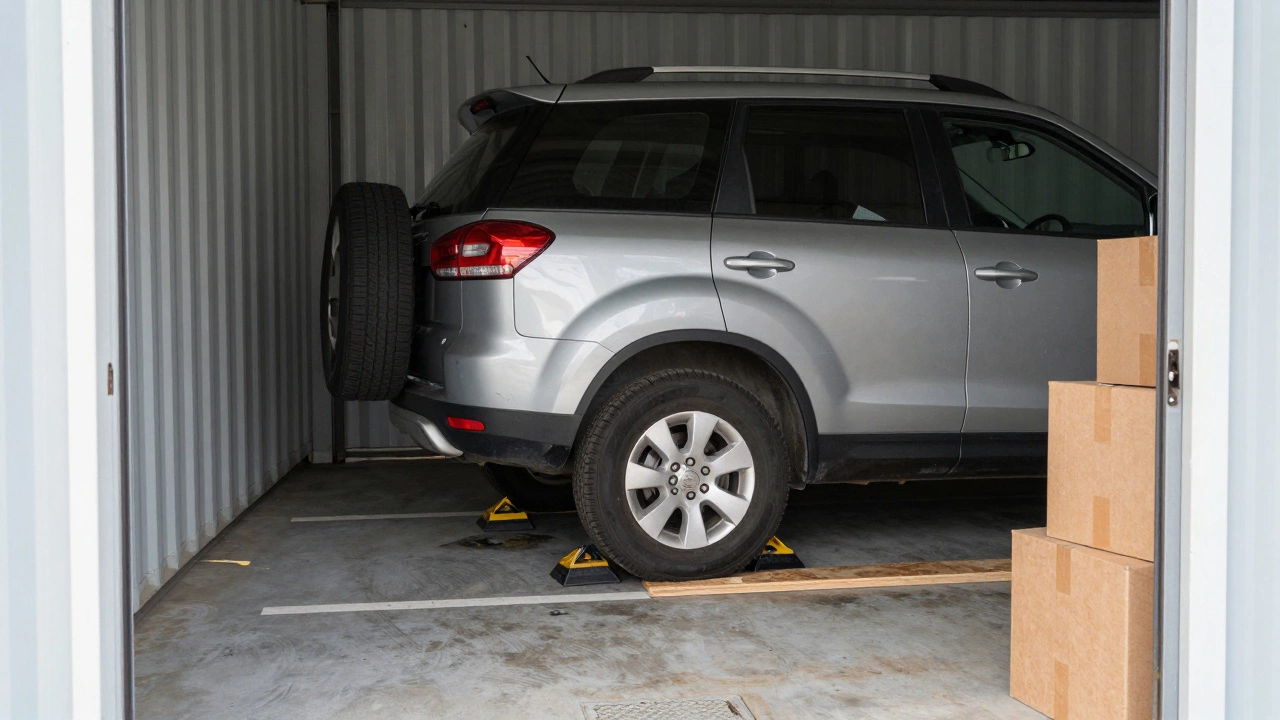
- Block the Wheels: Use wheel chocks or bricks behind the rear tires. Even on flat ground, cars can roll slightly over time. Chocks prevent this.
Pro tip: Place a piece of plywood or cardboard under the tires before driving in. Concrete floors can trap moisture, leading to rust on brake rotors. A barrier helps keep things dry.
What If Your Car Doesn’t Fit?
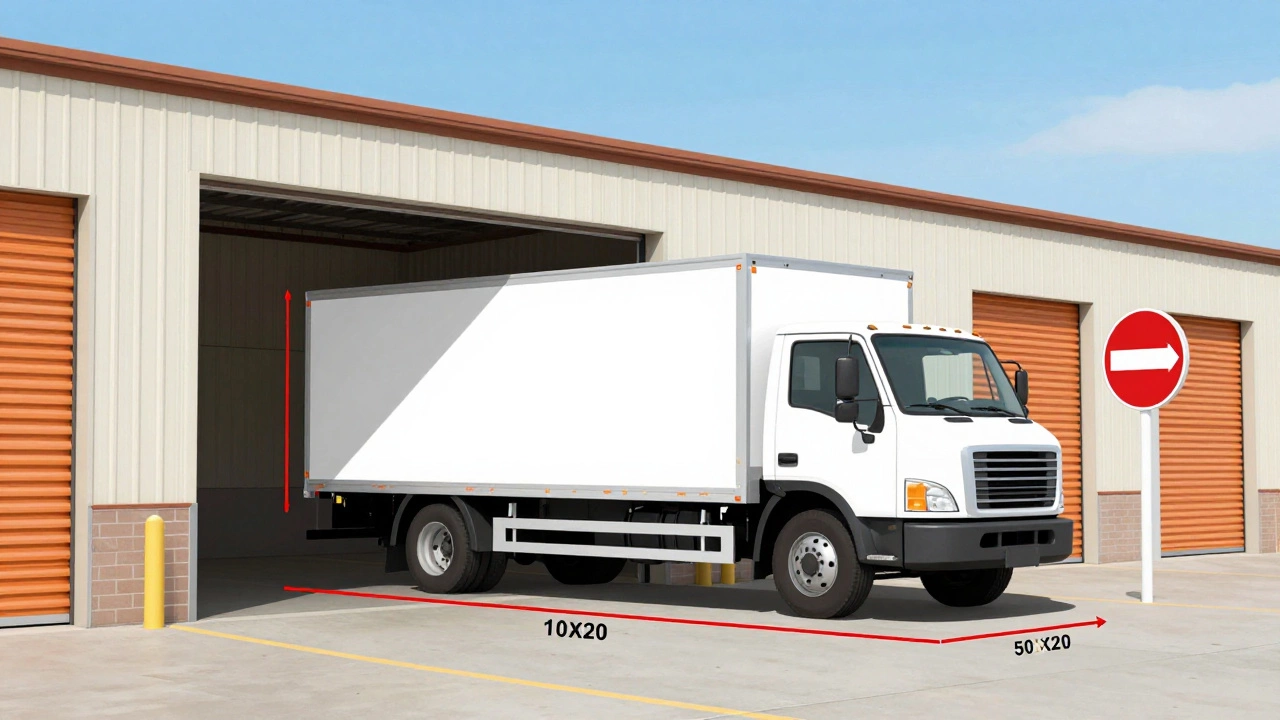
So, you measured your truck, and it’s 21 feet long. Or your SUV is 8 feet 2 inches tall. Now what? Don’t panic. You have options.
Upgrade to a 10x30: A 10x30 unit offers 300 square feet. That extra 10 feet of length makes a huge difference. Most full-size trucks and large SUVs fit comfortably here. The price difference is usually $20-$40 per month. Worth it if you want peace of mind.
Consider Outdoor Parking: Many storage facilities offer uncovered outdoor spaces specifically for vehicles. These are cheaper than indoor units and have no height restrictions. Just make sure the facility has security cameras and gated access. You’re trading protection from rain for cost savings.
Look for Specialized Vehicle Storage: Some companies specialize in storing boats, RVs, and cars. They often have climate-controlled environments, lift systems, and maintenance services. It’s more expensive, but your car gets treated like royalty.
Hidden Costs and Risks to Watch For
Renting a 10x20 for a car isn’t just about the monthly fee. There are hidden costs that can add up fast.
- Insurance: Your auto insurance policy may not cover theft or damage while stored in a third-party unit. Call your agent. You might need a rider or separate storage insurance.
- Access Fees: Some facilities charge extra for after-hours access. If you plan to retrieve your car late at night, factor this in.
- Climate Control: Standard units are not climate-controlled. Temperature swings can affect your battery, tires, and rubber seals. If you live in an extreme climate, consider paying extra for climate control.
- Pest Control: Mice love warm engines. If you store your car for months, check for droppings. Keep the unit clean and use mothballs or traps nearby.
Also, think about accessibility. If you live on the top floor of a multi-story storage building, moving your car in and out becomes a nightmare. Stick to ground-floor units with direct ramp access.
Final Verdict: Is a 10x20 Right for Your Car?
A 10x20 storage unit can fit a car, but only certain types. Compact sedans, coupes, and small SUVs are ideal candidates. Mid-size sedans fit, but barely. Large trucks, vans, and big SUVs will not fit unless you upgrade to a larger unit or choose outdoor parking.
Before you sign the lease, measure your vehicle. Confirm the door type. Ask about insurance requirements. And remember: if it feels too tight during the test drive, it will feel tighter every time you go to retrieve it. Don’t risk your paint job for a few dollars saved. Choose wisely, park carefully, and sleep easy knowing your car is safe.
Can I fit a pickup truck in a 10x20 storage unit?
It depends on the truck. Regular cab pickups with short beds (around 18 feet long) may fit, but it will be tight. Crew cab trucks or those with long beds (over 20 feet) will not fit. Always check the interior height as well, as many trucks exceed the 8-foot door limit.
Is a 10x20 storage unit climate controlled?
Not necessarily. Most standard 10x20 units are not climate controlled. However, many facilities offer climate-controlled options for an additional fee. Climate control protects your car from extreme temperatures, humidity, and condensation, which can cause rust and mold.
How much does it cost to store a car in a 10x20 unit?
Prices vary by location and facility. On average, a 10x20 unit costs between $150 and $300 per month. Urban areas and climate-controlled units tend to be on the higher end. Always ask about discounts for long-term rentals or prepaying.
Do I need special insurance to store my car?
Your standard auto insurance may not cover theft or damage in a storage unit. Contact your insurer to verify coverage. You may need to add a rider or purchase separate storage insurance to protect against fire, water damage, or burglary.
Can I access my car in a 10x20 unit 24/7?
Many facilities offer 24/7 access, especially those with gate codes or keycard entry. However, some locations restrict access to business hours. Confirm the access policy before signing your lease, especially if you plan to retrieve your car late at night or on weekends.