Why is Parcel Monkey Cheaper? The Real Deal Behind Discount Shipping

Parcel Monkey Savings Calculator
Enter your estimated direct carrier quote and package details to see potential savings when using a volume-based broker.
Enter data and click Calculate to see your potential savings.
You stare at the shipping quote on your screen. It’s brutal. You just want to send a box of vintage vinyl records from Wellington to London, but the carrier’s direct price makes you wince. Then, a friend mentions Parcel Monkey, and you see a number that looks like a typo. It’s half the price. Maybe less. Is it a scam? Are they using a donkey cart instead of a plane? Or is there actually a smart business model hiding behind those low rates?
The short answer: it’s not magic, and it’s rarely a loss leader. Parcel Monkey operates as a digital freight forwarder and broker. They don’t own the planes or the trucks. Instead, they buy massive amounts of shipping capacity in bulk from major carriers like DHL, FedEx, and UPS, then resell it to individuals and small businesses at a discount. Think of them as the Costco of shipping. You can’t walk into Costco without a membership (or an app), and you can’t get these rates directly from DHL unless you’re shipping thousands of parcels a day.
The Power of Aggregated Volume
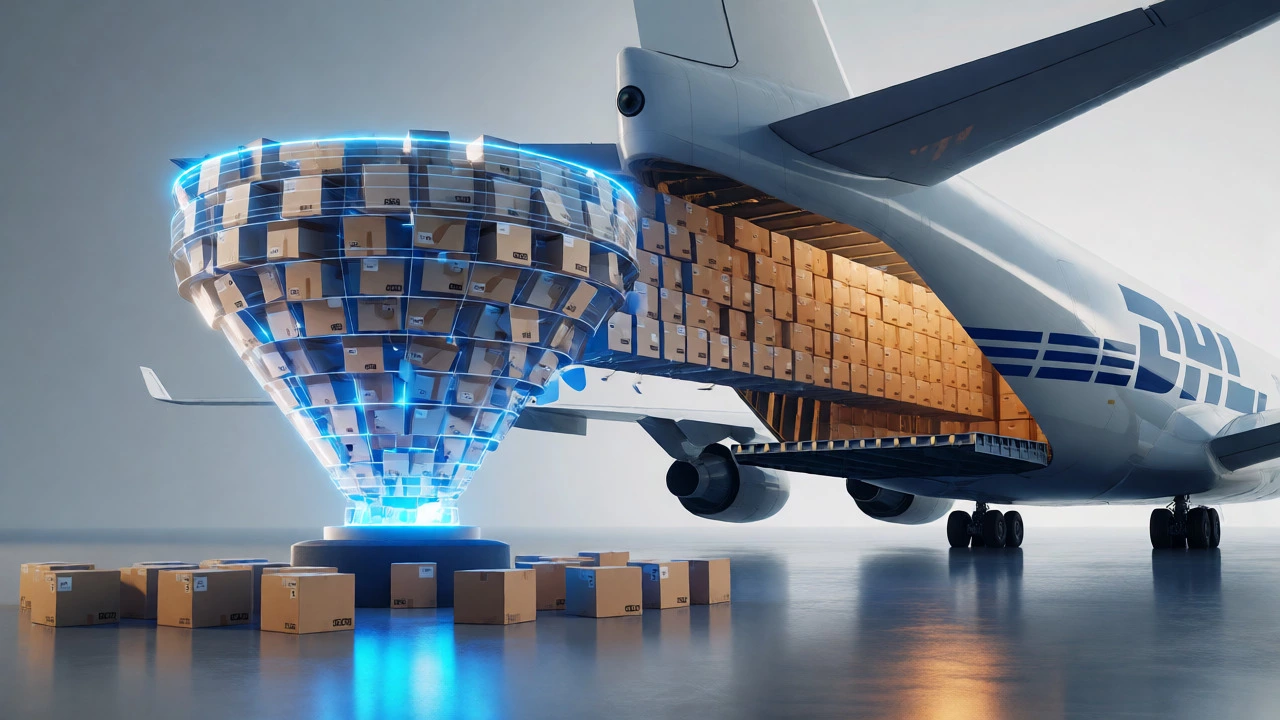
Here is the core mechanic. Major carriers have complex pricing tiers. If you ship one package, you pay retail. If you ship ten thousand packages a month, you get negotiated rates. A regular person shipping two boxes a year doesn’t qualify for those tiers. But when Parcel Monkey aggregates the demand of hundreds of thousands of users, they create virtual volume. They promise DHL, "We will bring you X tons of cargo this week." In exchange, DHL gives them a rate that is often 40-60% lower than the public list price.
This is known as volume-based discounting. It works because logistics networks rely on consistent flow. An empty truck leaves money on the table. Carriers prefer guaranteed volume at a lower margin over uncertain volume at a high margin. Parcel Monkey acts as the buffer, smoothing out the spikes and dips in individual consumer behavior so the carriers get steady loads.
Digital Efficiency vs. Brick-and-Mortar Overhead
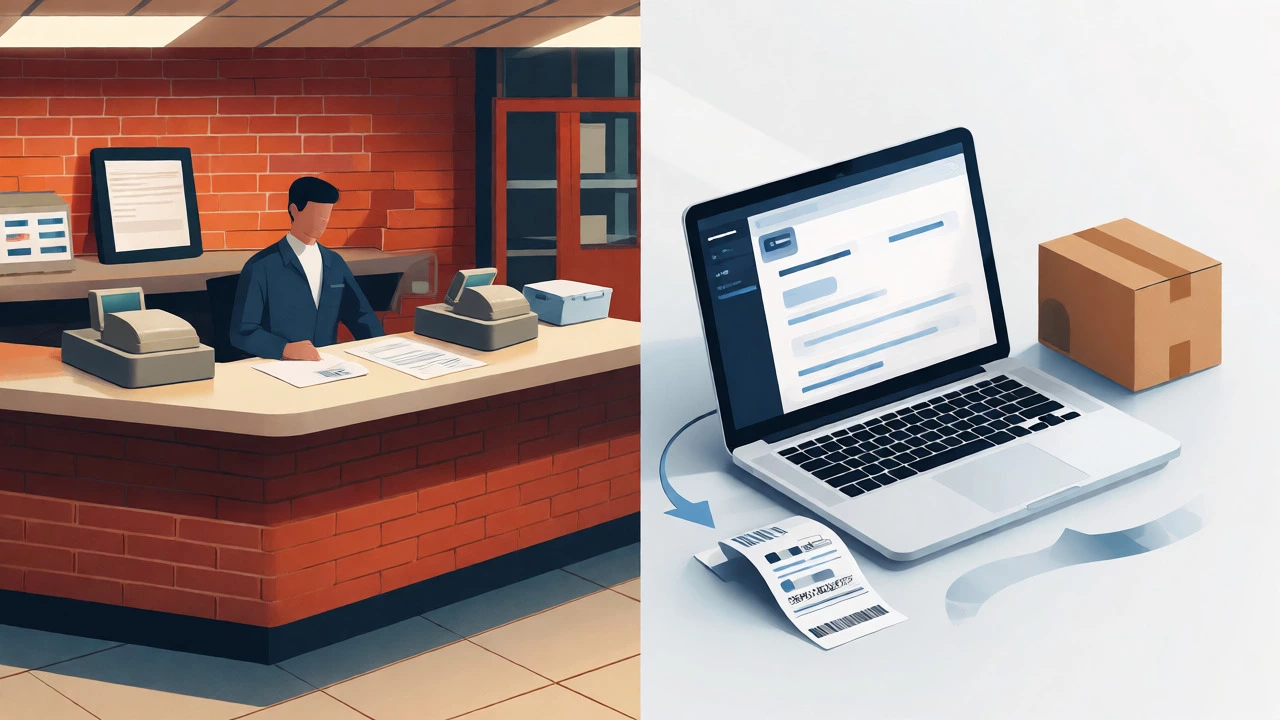
Go to a local post office or a UPS store counter. Look around. There are staff members, physical counters, printed labels, cash registers, and rent for prime retail space. Every time you hand over a parcel, you are paying for the overhead of that physical interaction.
Parcel Monkey cuts this out. Their platform is entirely digital. You enter dimensions, weight, and destination online. The system instantly compares rates across multiple carriers. There is no human clerk weighing your box manually; you do it yourself with a kitchen scale. There is no printing of fancy receipts; you print a label at home. By removing the physical storefront and the labor cost associated with face-to-face transactions, they save significant operational costs. Those savings are passed on to you, or kept as margin. Either way, the baseline cost is lower before you even book.
Carrier Mix and Smart Routing
When you go directly to a specific carrier, you are locked into their network. If you choose FedEx, you use FedEx infrastructure all the way. This can be inefficient if FedEx has a weak last-mile partner in your destination country.
Parcel Monkey uses a multi-carrier strategy. They might pick up your package via DPD locally, hand it off to TNT for the international leg, and deliver it via the local postal service or a regional courier upon arrival. This hybrid approach allows them to pick the cheapest viable path for each segment of the journey. They aren’t loyal to one brand; they are loyal to the lowest cost that meets the estimated delivery window.
| Feature | Direct Carrier (e.g., DHL) | Broker (e.g., Parcel Monkey) |
|---|---|---|
| Pricing Model | Retail / List Price | Negotiated Wholesale Rate |
| Overhead | High (Physical stores, staff) | Low (Digital platform only) |
| Carrier Choice | Limited to one network | Multi-carrier access |
| Customer Support | Direct with carrier | Via broker intermediary |
| Insurance | Standard options available | Often added as an upsell |
The Trade-Offs: What You Give Up for the Savings
Cheap isn’t always better if it costs you time or headaches. When you use a broker like Parcel Monkey, you introduce a middleman. This changes the support dynamic. If your package goes missing, you don’t call DHL. You call Parcel Monkey. They then contact DHL. This adds a layer of communication latency. If there is a customs issue, Parcel Monkey’s support team handles the query, but they rely on the carrier’s data.
Another factor is tracking granularity. While most modern brokers provide integrated tracking, sometimes the updates lag slightly compared to the carrier’s native portal. Also, some specialized services-like dangerous goods handling or extremely high-value insurance-might be more straightforward to arrange directly with a specialist carrier rather than through a generalist broker.
However, for standard parcels under 30kg, these trade-offs are usually negligible. The risk of losing a $50 t-shirt shipment is low, and the savings of $20-$30 are immediate and tangible.
How to Maximize Your Savings
Just signing up doesn’t guarantee the best price. You need to play the game right. Here is how to ensure you are actually getting the "cheapest" option:
- Weigh and Measure Precisely: Carriers charge by volumetric weight (size) or actual weight, whichever is higher. If you ship a lightweight pillow in a huge box, you pay for the air. Use the smallest box possible. Shrink-wrap loose items. Every centimeter saved reduces the dimensional weight calculation.
- Compare Dates: Shipping prices fluctuate based on fuel surcharges and seasonal demand. Avoid booking during peak holiday weeks (Black Friday, Christmas) if you can wait. Mid-week shipments often catch better slot availability.
- Check Hidden Fees: Always read the fine print for residential delivery surcharges. Some cheaper rates assume commercial pickup/delivery. Sending to a home address might add a fee that erases the discount. Compare the final total, not just the base rate.
- Use Consolidated Shipping: If you are sending multiple items to one person, send them together. Two small parcels cost more than one medium parcel due to fixed handling fees per piece.
Is Parcel Monkey Right for You?
If you are a large enterprise shipping pallets daily, you likely already have negotiated contracts that beat broker rates. You should stick with your account manager.
But if you are an e-commerce seller scaling up, a student moving abroad, or someone selling antiques online, Parcel Monkey shines. You lack the volume to negotiate alone, but you have enough consistency to benefit from aggregated rates. The platform turns the complexity of international logistics into a simple checkout process.
It’s not about cutting corners on quality. The same DHL plane carries your box whether you booked directly or through Parcel Monkey. The difference is purely financial engineering. You are leveraging someone else’s buying power to access a tier of pricing reserved for corporations. That’s why it’s cheaper. And yes, it’s real.
Does Parcel Monkey handle customs clearance?
Yes, generally. When you book through Parcel Monkey, they provide the necessary documentation templates. However, as the sender, you are responsible for declaring the contents accurately. Customs duties and taxes are typically paid by the recipient upon delivery, depending on the destination country's regulations. Parcel Monkey does not pre-pay duties unless you select a DDP (Delivered Duty Paid) option, which is rarer for standard consumer shipping.
What happens if my package is lost or damaged?
You file a claim with Parcel Monkey, not the carrier directly. Since Parcel Monkey is the contract holder with the carrier, they act as your advocate. Standard coverage is usually limited (e.g., £100 or $100). For higher value items, you must purchase additional insurance at the time of booking. Keep photos of the packaging and contents before sealing the box to speed up any potential claims.
Are there hidden fees with Parcel Monkey?
The quoted price is usually transparent, but watch out for surcharges triggered after pickup. Common ones include remote area surcharges (if the recipient lives in a hard-to-reach location), non-compliant packaging fees (if the box breaks open), and address correction fees. Always double-check that the recipient's address is complete and accurate to avoid these extra costs.
Can I track my parcel in real-time?
Yes. Once the carrier picks up your parcel, you receive a tracking number. You can track this number on both the Parcel Monkey website and the carrier’s official site (like DHL or UPS). Sometimes the carrier’s site updates faster, but Parcel Monkey provides a unified dashboard where you can manage multiple shipments from different carriers in one place.
Is Parcel Monkey safe for expensive electronics?
It is safe, provided you pack correctly. Because the carrier mix varies, handling standards can differ. For fragile electronics, use double-boxing techniques and ample cushioning. Consider purchasing full-value insurance. While the transport is reliable, the chain of custody involves multiple hands, so robust packaging is your best defense against damage.