Which Shape Mirror Makes a Room Look Bigger? The Science Behind Mirror Shapes and Space Illusions
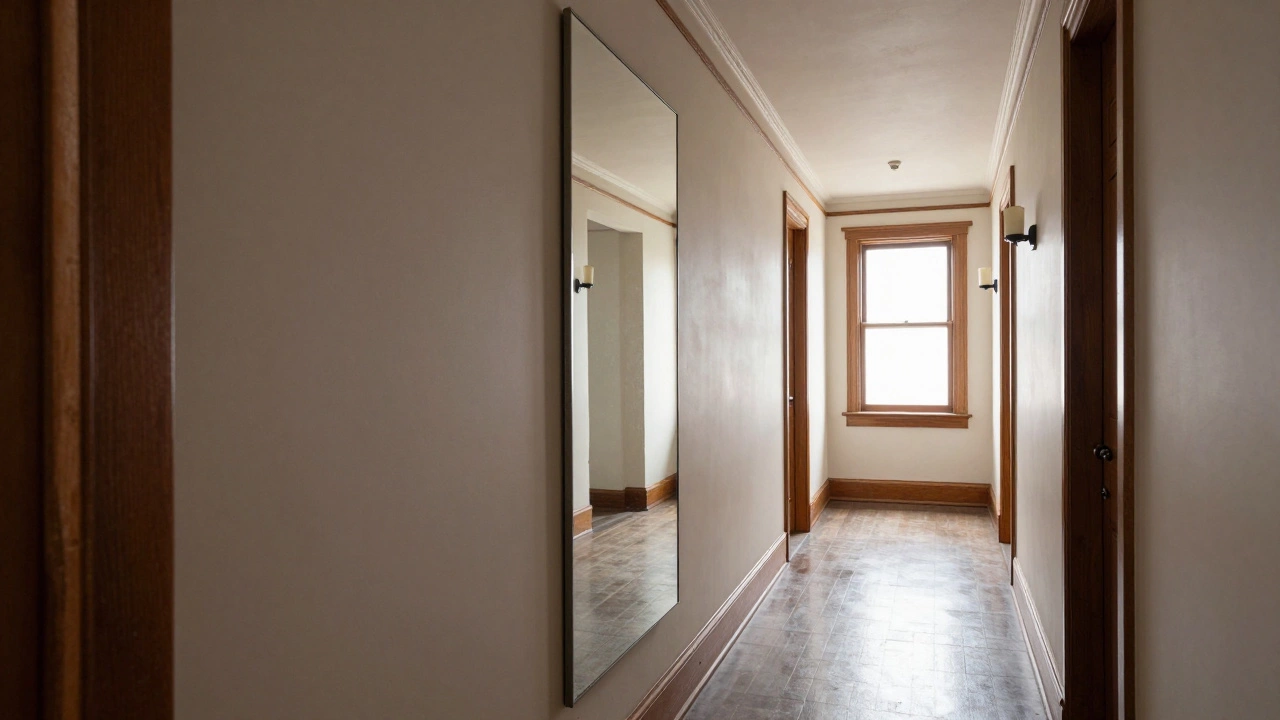
Ever walked into a small room and felt like it instantly opened up? Chances are, a mirror did the work for you. But not just any mirror. The shape of the mirror plays a bigger role than most people realize in making a space feel larger. It’s not just about size - it’s about how light bounces, where the edges fall, and how your brain interprets what it sees.
Why Shape Matters More Than Size
Many people think a bigger mirror = more space. That’s true - up to a point. But a huge rectangular mirror placed awkwardly can make a room feel cluttered. Meanwhile, a smaller round or oval mirror positioned correctly can trick your eyes into seeing depth that isn’t there.
The secret lies in how the shape interacts with the room’s architecture. Straight lines in rectangular mirrors follow the walls, extending the visual plane. Curved edges in round or oval mirrors soften boundaries, making corners feel less confined. Think of it like this: sharp edges tell your brain where things end. Soft curves suggest things keep going.
The Best Shape for Expanding Space: Rectangle
If you want maximum impact, go with a tall, vertical rectangle. Why? Because it mimics the natural proportions of doorways and windows - things your brain already associates with openness. A vertical rectangle placed above a console table or beside a window draws the eye upward, making ceilings feel higher and rooms feel taller.
Real-world example: A 30-inch by 60-inch vertical mirror in a narrow hallway in a 1920s apartment in Chicago made the 8-foot-wide space feel like 12 feet. That’s not magic - it’s geometry. The mirror reflects the opposite wall, doubling the perceived length. When mounted at eye level or slightly above, it creates a continuous visual flow.
Pro tip: Avoid horizontal rectangles in small rooms unless they’re above a low piece of furniture. A wide mirror at floor level can make ceilings look lower by reflecting the floor and clutter.
Round and Oval Mirrors: The Subtle Tricksters
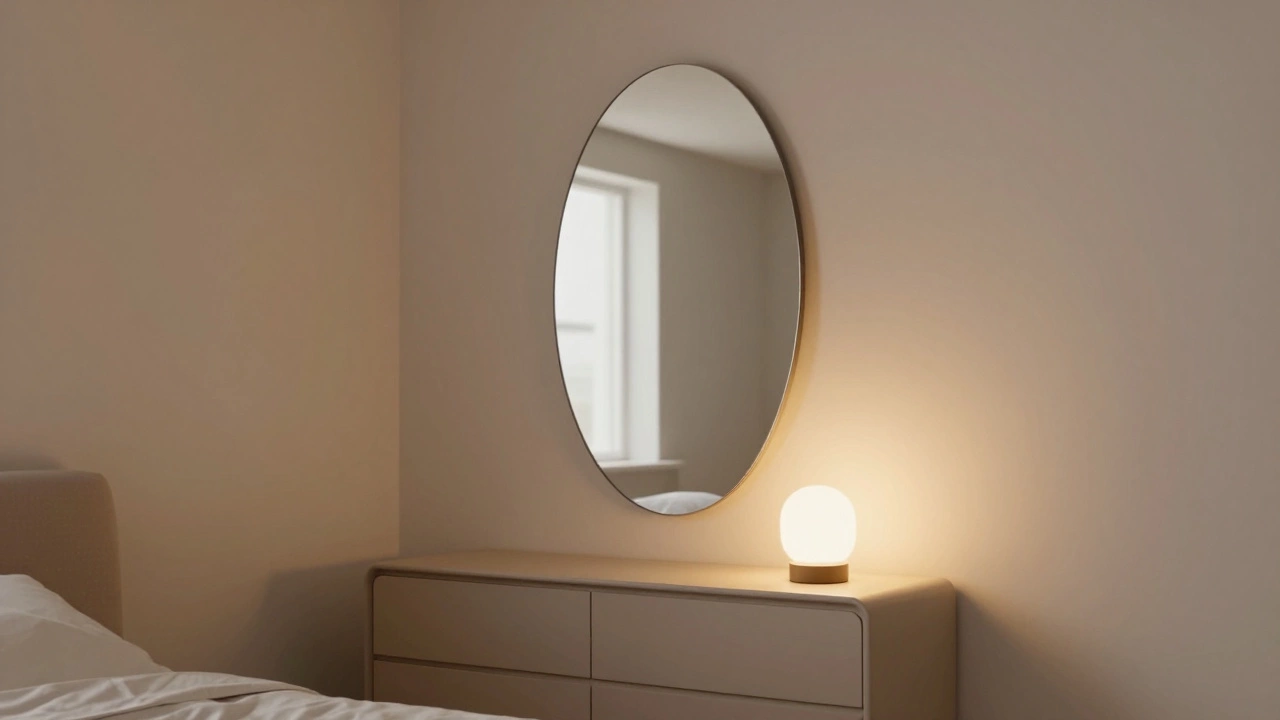
Round and oval mirrors don’t stretch space the way rectangles do - but they make it feel less cramped. In a small bathroom or bedroom with awkward corners, a round mirror softens the visual tension. It breaks up rigid lines and creates a sense of movement.
Studies from the University of Minnesota’s Environmental Design Lab show that people consistently rate rooms with circular mirrors as “more welcoming” and “less claustrophobic,” even when the actual square footage hasn’t changed. That’s because curves reduce the perception of enclosure.
Use oval mirrors behind a vanity or above a narrow dresser. Their elongated shape still draws the eye vertically, but the rounded ends prevent the mirror from feeling like a hard wall. They work best in rooms with existing curves - like arched doorways or rounded furniture.
Square Mirrors: Use With Caution
Square mirrors are safe. They’re neutral. But they rarely make a room feel bigger. They mirror the room’s own structure, reinforcing its boxiness. If your walls are already square and your furniture is angular, a square mirror just adds another box.
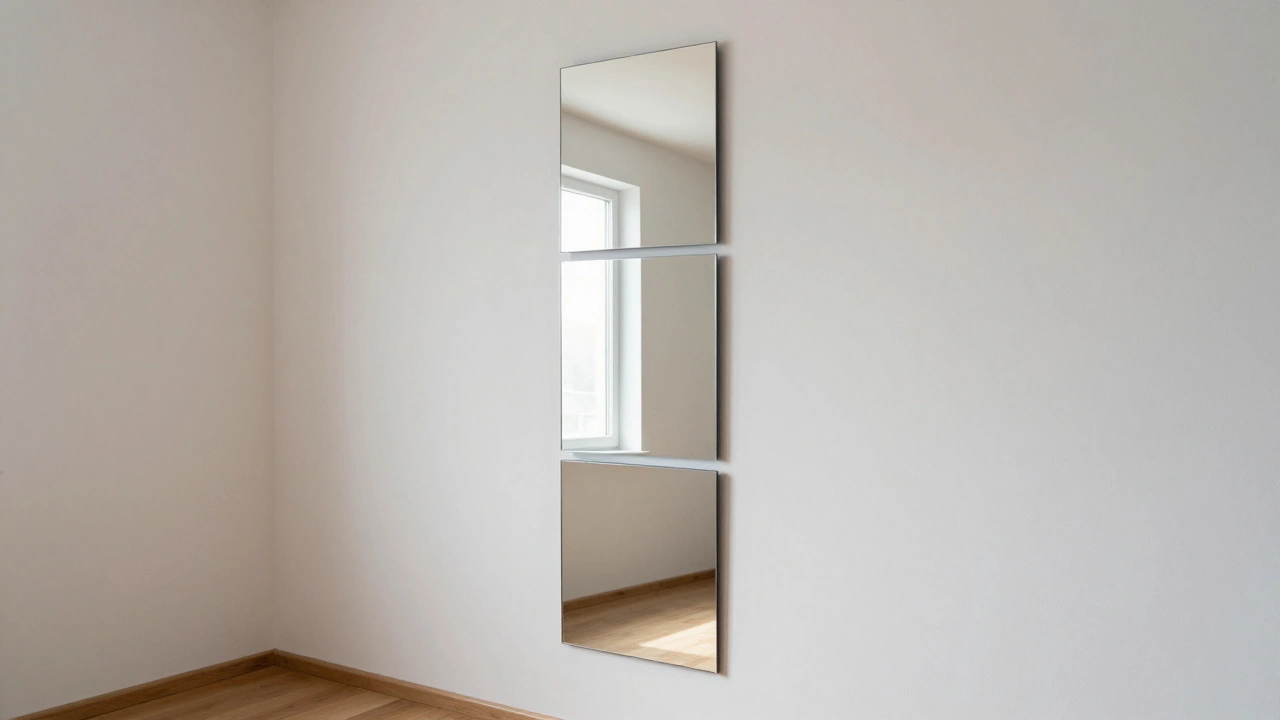
There’s one exception: when you use multiple square mirrors in a grid. Three 12-inch square mirrors arranged in a vertical column can mimic the effect of a tall rectangle. It’s a budget-friendly hack for renters who can’t install a large mirror. Just make sure the gaps between them are minimal - no more than an inch - so the illusion stays intact.
What About Irregular Shapes?
Star-shaped, sunburst, or cloud-shaped mirrors look beautiful. But they’re decorative, not functional, when it comes to expanding space. Their complex edges break up reflections, scattering light instead of extending it. They draw attention to themselves - not to the room.
If you love a unique shape, use it as a focal point, not a space-enhancing tool. Put it in a corner where it’s meant to be admired, not relied on to make the room feel larger.
Placement Is Everything
No mirror shape will work if it’s hung wrong. Here’s the rule: mirror what you want to multiply.
- If you want the room to feel longer, hang the mirror opposite a window or doorway.
- If you want it to feel taller, mount it vertically and align it with the top of the door frame.
- Avoid placing mirrors directly across from clutter - you’ll just double the mess.
- Don’t hang mirrors too high. The reflection should include at least half the wall’s height to create depth.
One common mistake: hanging a large mirror too close to the ceiling. That leaves a dark gap above it, which your brain interprets as a ceiling drop. Always leave at least 6 inches of wall above the mirror unless it’s a full-wall piece.
Lighting Amplifies the Effect
A mirror without light is just a glass panel. The real magic happens when light hits it. Natural light from a window reflected in a vertical rectangle creates a bright corridor effect. LED strip lights behind a round mirror bounce soft glow across the walls, making corners feel less shadowed.
Use mirrors to reflect light sources - not just views. A mirror facing a lamp or sconce multiplies brightness. Brighter spaces feel larger, even if the dimensions haven’t changed.
What About Frameless Mirrors?
Frameless mirrors are the ultimate space enhancers. No frame means no visual barrier. The reflection flows directly into the room. That’s why they’re used in high-end hotel bathrooms and modern apartments.
If you’re on a budget, a thin metal or wood frame (under 1 inch wide) is the next best thing. Thick, ornate frames - even if beautiful - eat up visual space. They act like borders, telling your brain the mirror is an object, not an extension of the room.
Real Results: Before and After
A Brooklyn studio apartment, 320 square feet, had a dark corner near the kitchen. A 24-inch round mirror was hung above the sink. Afterward, the owner reported the space felt “like it had an extra window.” The mirror reflected the kitchen’s small window, doubling the light and making the corner feel open.
In a 10x12 bedroom in Portland, a 36-inch vertical rectangle mirror was placed opposite the bed. The room went from feeling like a box to feeling like a suite. The mirror reflected the closet door, making the space look deeper. The owner said, “I stopped feeling like I was sleeping in a closet.”
Final Rule: Match the Shape to the Room’s Story
There’s no single “best” shape. The right mirror depends on your room’s shape, light, and purpose.
- Long, narrow room? Use a vertical rectangle.
- Small, boxy bedroom? Try an oval or round mirror.
- Room with lots of corners? Avoid squares. Use curves to soften them.
- Want to make a ceiling feel higher? Go tall. Go vertical.
- Need to hide clutter? Don’t mirror it. Mirror the wall instead.
Remember: mirrors don’t add square footage. They add perception. And perception is what turns a cramped room into a cozy, open space.
Do bigger mirrors always make a room look bigger?
Not always. A huge mirror placed poorly - like too low, too close to clutter, or in the wrong shape - can make a room feel more crowded. It’s about placement and shape, not just size. A well-placed 30-inch vertical rectangle can do more than a 60-inch horizontal one.
Can a round mirror make a room look bigger?
Yes, but differently than a rectangle. A round mirror doesn’t stretch space - it softens it. It’s ideal for small, boxy rooms with sharp corners. It reduces visual tension and makes the space feel more open and inviting, even if the actual size stays the same.
Should I use a frameless mirror to make a room look bigger?
Yes, frameless mirrors are the most effective for creating a seamless reflection. Without a frame, there’s no visual boundary, so the mirror blends into the wall. If you can’t go frameless, choose a thin frame under one inch wide. Thick or ornate frames break the illusion.
Where should I hang a mirror to maximize space?
Hang it opposite a window or light source to reflect natural light. For height, mount it vertically and align the top with your door frame. Avoid placing it across from clutter. The reflection should show open space, not mess.
Do mirrors work in small bathrooms?
Absolutely. A tall, vertical mirror above the sink is the best choice. It reflects the ceiling and the opposite wall, making the room feel taller and deeper. Round mirrors work too if you want to soften the space. Avoid wide, horizontal mirrors - they make ceilings feel lower.