Which Room to Declutter First? The Smart Strategy for Instant Space
Decluttering Priority Calculator
Find the best room to start decluttering based on your available time and energy level.
You’ve decided to finally tackle the clutter. You’re motivated, you have boxes ready, and you’re staring at your messy house wondering where to start. Do you begin with the kitchen because it’s the most used? The bedroom because you sleep there? Or the garage because it’s a disaster zone?
Most people pick the wrong room first. They choose the hardest room, or the one that looks the worst, and they burn out in three days. The secret isn’t willpower; it’s strategy. To keep momentum going, you need a win early. You need to see progress immediately so your brain rewards you with dopamine, making you want to do more.
The answer might surprise you: start with the room you use least but can clear fastest. Usually, this is a guest bedroom, a linen closet, or a specific cabinet. Here is exactly how to decide which room to declutter first, why the order matters, and how to use simple storage solutions to keep it that way.
The Psychology of the "Quick Win"
Decluttering is not just about moving stuff from A to B. It is a mental game. If you start with a massive project like the attic or the master bathroom, you face decision fatigue within an hour. Every item asks a question: "Do I keep this? Where does it go? Is it worth keeping?" After answering that fifty times, your brain shuts down.
By starting small, you build confidence. Think of it like training for a run. You don’t sign up for a marathon on day one. You walk around the block. When you clear a single drawer or a small shelf in under twenty minutes, you prove to yourself that you can do this. This psychological boost is critical for long-term success. Without it, the half-empty boxes become a symbol of failure rather than progress.
Look for spaces that are contained. A junk drawer is better than a whole kitchen. A coat closet is better than a living room. The goal is completion. When you finish a space, you close the loop. That sense of closure is addictive in a good way.
Room-by-Room Priority List
If you are still unsure where to point your laser, here is a prioritized list based on effort versus impact. Pick the first one that feels manageable today.
| Priority | Location | Effort Level | Time Estimate | Why Start Here? |
|---|---|---|---|---|
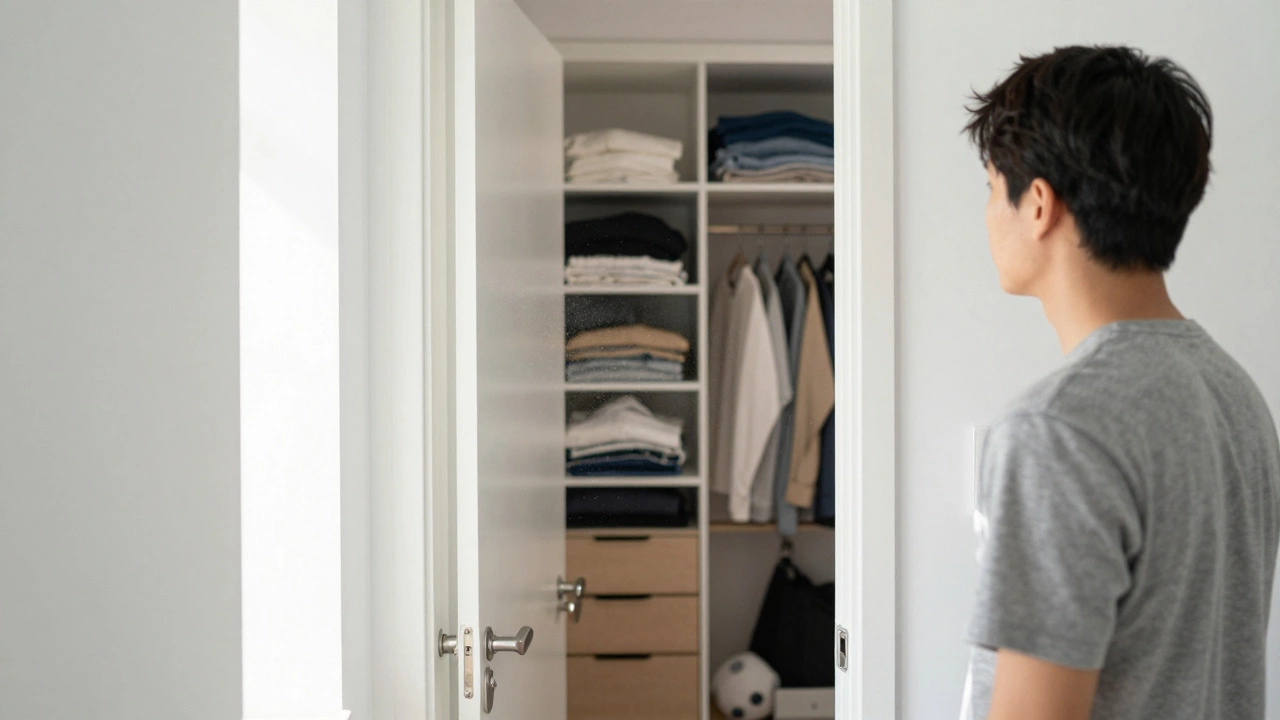
| 1 | Closets & Drawers | Low | 15-30 mins | High visibility, low emotional attachment, quick results. |
| 2 | Kitchen Cabinets | Medium | 45-60 mins | Daily use, immediate functional improvement. |
| 3 | Bathroom Vanities | Medium | 30-45 mins | Expired items are easy to toss; high hygiene benefit. |
| 4 | Living Room Surfaces | Medium | 1-2 hours | Visual calm, improves daily relaxation. |
| 5 | Bedroom (Non-Sentimental) | High | 2+ hours | Emotional baggage often hides in clothes and decor. |
| 6 | Garage/Attic/Basement | Very High | Days | Save for last when you have built strong habits. |
Why Closets and Drawers Are the Best Starting Point
Let’s talk about why closets and drawers win the "first room" title. These spaces are defined by their containers. You know exactly what fits inside them. If a shirt doesn’t fit in the closet, it has no place there. This binary constraint removes the ambiguity that kills productivity.
Start with a junk drawer. Take everything out. Wipe the surface. Put back only what you use weekly. Throw away dead batteries, old receipts, and broken pens. Done. You just cleared a space that probably hasn’t been touched in years. Now move to a sock drawer. Fold or discard. Repeat.
This approach works because it relies on physical limits rather than abstract goals. You aren’t trying to "be minimalist." You are trying to make things fit. When things don’t fit, you let them go. It’s logical, not emotional.
The Kitchen: Functional Clarity
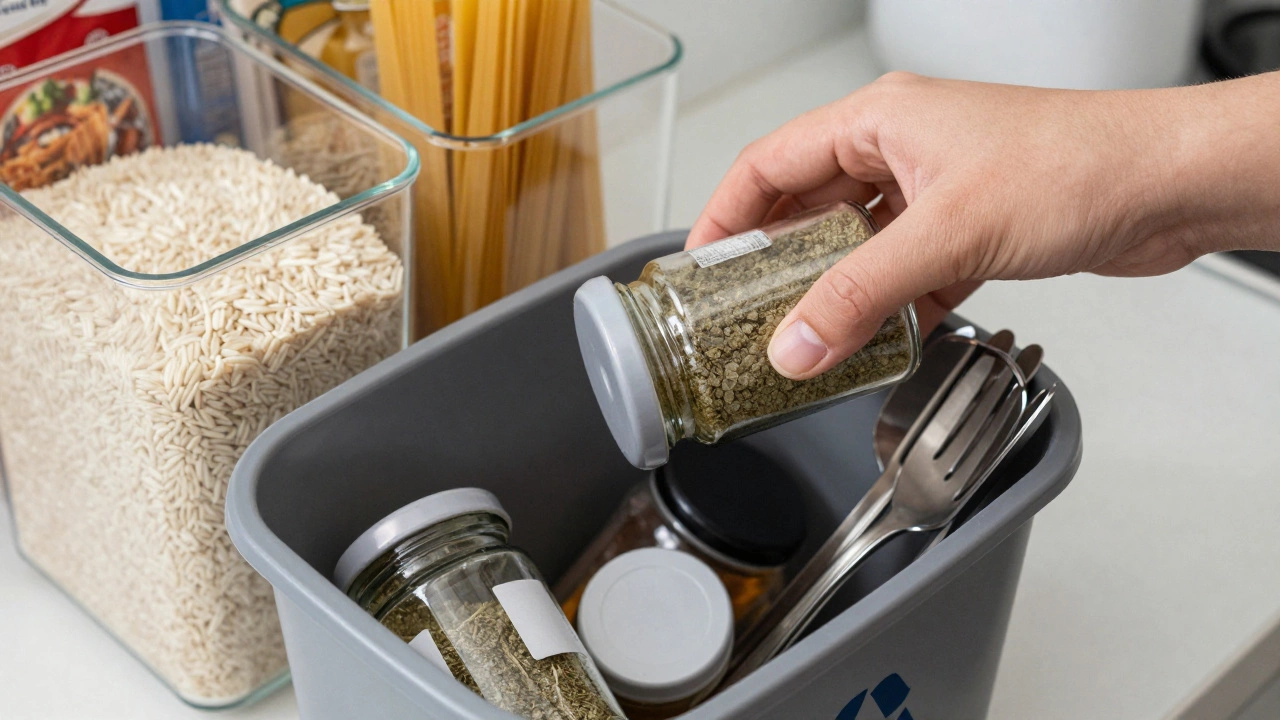
Once you’ve warmed up with drawers, move to the kitchen. But don’t try to do the whole kitchen at once. Focus on one category: pantry items or utensils. Expired food is the easiest thing to throw away. No guilt, no memories. Just trash.
Check expiration dates on spices, sauces, and dry goods. If it’s past its prime, it goes. Then look at duplicate tools. Do you really need three spatulas? Keep the best one. Donate the rest. This creates immediate functional clarity. Cooking becomes easier when you can find what you need without digging through piles.
Use clear bins for dry goods if possible. Seeing the level of rice or pasta helps you manage inventory visually. This is a basic visual management system that reduces waste and stress.
Avoiding the Emotional Trap
Here is the biggest mistake people make: they start with sentimental items. Photos, letters, heirlooms, children’s artwork. These items carry weight. Deciding whether to keep a faded birthday card requires emotional energy that you don’t have on day one.
Save these rooms for later. When you’ve already decluttered ten non-sentimental areas, your decision-making muscle is stronger. You’ll be faster and more confident. Plus, you’ll have created physical space to store the few sentimental items you do decide to keep. Don’t mix emotions with logistics until you’re ready.
Storage Solutions That Actually Work
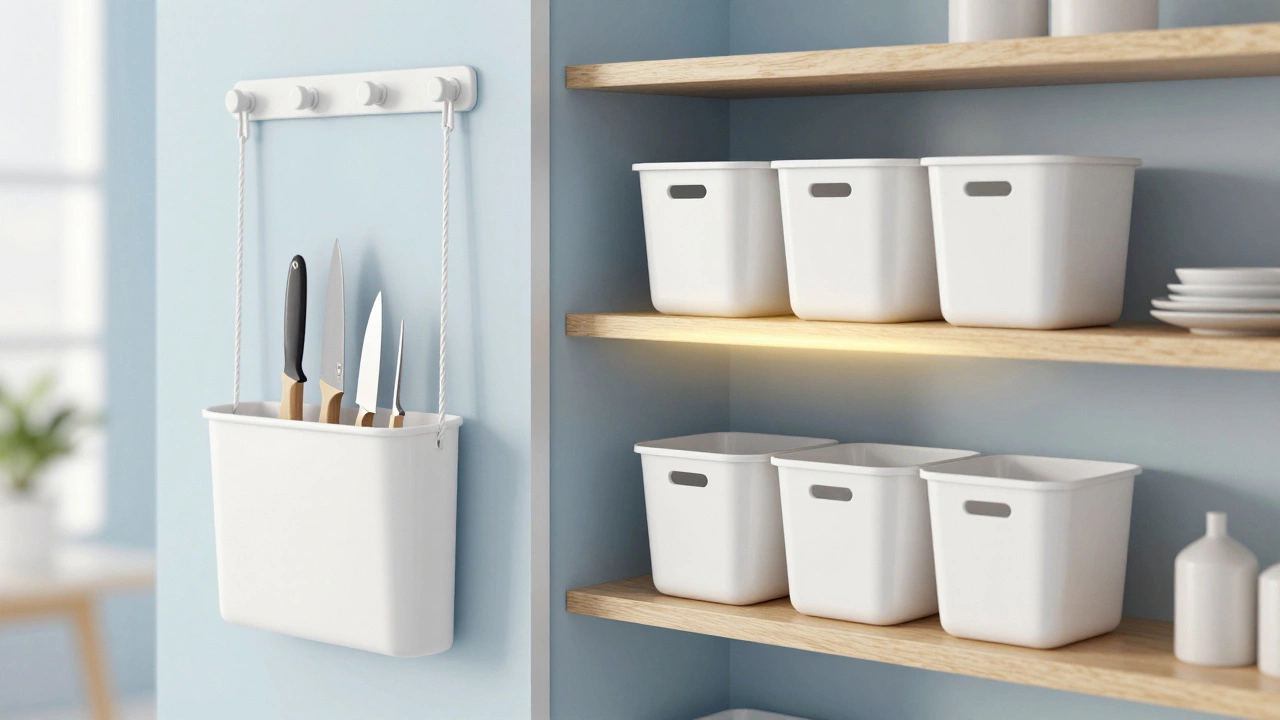
Decluttering is only half the battle. Keeping it clean requires smart storage. Cheap plastic bins often crack or warp. Invest in quality containers that stack neatly. Uniformity reduces visual noise. When all your bins look the same, your eye rests easier.
Consider vertical space. Most homes waste the height above cabinets or shelves. Use tension rods, over-the-door organizers, or magnetic strips for knives and tools. In Wellington, where many homes are compact, maximizing vertical square footage is essential. Every inch counts.
Label everything. Yes, even if you think you’ll remember. Life gets busy. Labels remove the guesswork. Use a label maker or simple masking tape and a marker. Consistency is key. If every jar, box, and bin has a name, maintaining order becomes automatic.
The One-Touch Rule
To prevent clutter from returning, adopt the one-touch rule. When you bring something into your home, decide its fate immediately. Mail goes in the recycling or mail slot. Shoes go in the rack. Groceries go in the fridge or pantry. Never put something down "for now." "For now" turns into "forever."
This habit transforms your daily routine. It takes seconds to act, but saves hours of cleaning later. Combine this with your initial decluttering sprint, and you create a sustainable system. Your home stays organized not because you clean constantly, but because you never let mess accumulate in the first place.
Maintaining Momentum
After your first quick win, schedule short sessions. Ten minutes a day is better than four hours once a month. Set a timer. When it rings, stop. This prevents burnout and keeps the task feeling light. Over time, these small efforts compound. In a year, you could have transformed your entire home without ever feeling overwhelmed.
Remember, perfection is the enemy of progress. A slightly imperfect but functional space is better than a perfect plan that never happens. Start small. Finish completely. Repeat.
What is the best room to declutter first for beginners?
The best room to start is usually a closet or a set of drawers. These spaces are small, contained, and require less emotional energy than bedrooms or living rooms. Clearing a junk drawer or a sock drawer provides a quick win that builds confidence and momentum for larger projects.
Should I declutter the kitchen or bedroom first?
If you want immediate functional benefits, start with the kitchen, focusing on expired food and duplicate utensils. If you prefer lower-stress items, start with the bedroom but avoid sentimental decor. Stick to clothing and linens first. Avoid mixing sentimental items with logistical tasks until you feel comfortable.
How do I stop clutter from coming back after I clean?
Adopt the "one-touch rule." Handle every item once when it enters your home. Put mail away, hang coats immediately, and store groceries right away. Also, invest in consistent storage solutions like labeled bins and utilize vertical space to ensure every item has a designated home.
Is it better to declutter one room at a time or one category across the house?
For beginners, finishing one small area completely is better than scattering effort across categories. Completing a space gives a sense of accomplishment. Once you have momentum, you can switch to category-based decluttering, such as clearing all paper documents or all books throughout the house.
What should I do with items I don't want to throw away?
Create a "donation pile" or box during your decluttering session. Place items you no longer need but are still usable in this box. Once the session is complete, take the box to a local charity shop or donation center immediately. Delaying this step often leads to second-guessing and re-cluttering.