Which Delivery Driver Gets Paid the Most? Real Pay Rates in 2026
Delivery Driver Pay Calculator
Estimated Daily Earnings
Work during dinner rush (5-9 PM) for double pay
Choose neighborhoods with $8-$10 tip history
Get hazmat or medical courier training for 50%+ pay increase
Not all delivery drivers make the same money. If you're thinking about driving for a living, you probably want to know who’s pulling in the most cash. The answer isn’t simple - it depends on where you live, what you’re delivering, and how many hours you’re willing to work. But in 2026, some delivery jobs clearly pay more than others.
Food Delivery Drivers Are Everywhere, But They Don’t Earn the Most
Apps like Uber Eats, DoorDash, and Grubhub have made food delivery a common side hustle. In the U.S., most food drivers make between $12 and $18 an hour before tips. After tips, some hit $20-$25 on busy nights. But that’s not consistent. Rain, slow neighborhoods, and low-tip customers can drop your earnings fast. In cities like New York or San Francisco, drivers might clear $30 an hour during dinner rush. In smaller towns? You’re lucky to hit $15.
Here’s the catch: food delivery pays by trip, not by time. You might spend 45 minutes driving across town for a $4 tip. That’s $5.33 an hour. And you’re paying for gas, car maintenance, and insurance out of pocket. No benefits. No overtime. Just you, your phone, and a greasy bag.
Parcel Delivery Drivers for Major Carriers Make More - and Get Benefits
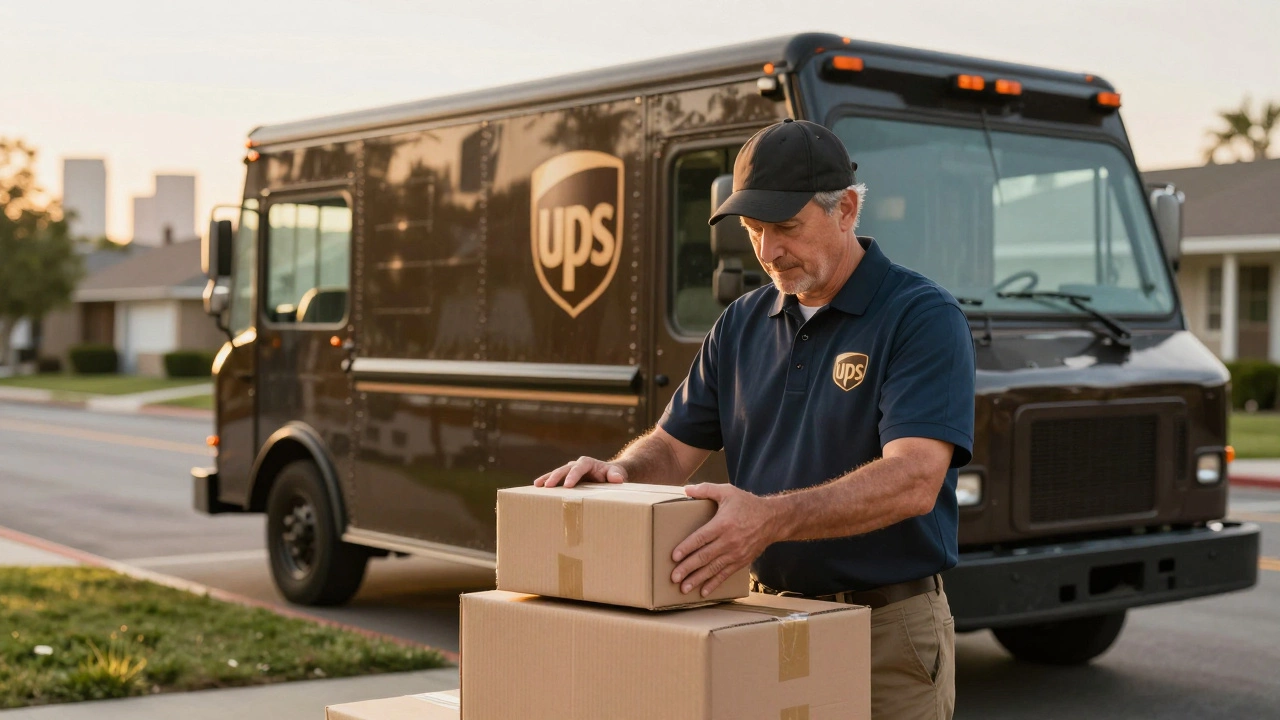
If you want steady pay with health insurance and paid time off, look at jobs with UPS, FedEx, and Amazon Logistics. These aren’t gig jobs. They’re full-time positions with structured pay scales.
UPS drivers in the U.S. start at around $22 an hour. After five years, many hit $38-$45 an hour. In high-cost areas like California or New York, some make over $50 an hour with overtime. FedEx Ground drivers earn $20-$35 an hour depending on location. Amazon Flex drivers - who deliver Amazon packages - typically make $18-$25 an hour, but they can choose shifts and work weekends when pay spikes.
Why the difference? These companies have union contracts (especially UPS), fixed routes, and predictable volumes. You’re not chasing random orders. You’re on a truck with 150 packages, hitting every stop on a set schedule. No waiting for a customer to answer the door. No 10-minute delays because someone’s pizza is cold.
Specialized Delivery Drivers Earn the Highest Rates
Some delivery jobs pay way more because they require skill, certification, or risk. Think medical couriers, hazardous material haulers, or high-value item transporters.
Medical couriers who deliver lab samples, organs, or blood products often make $25-$40 an hour. They need training in cold chain logistics, infection control, and handling time-sensitive shipments. Some even carry defibrillators or GPS trackers. In cities with major hospitals, these drivers are in high demand.
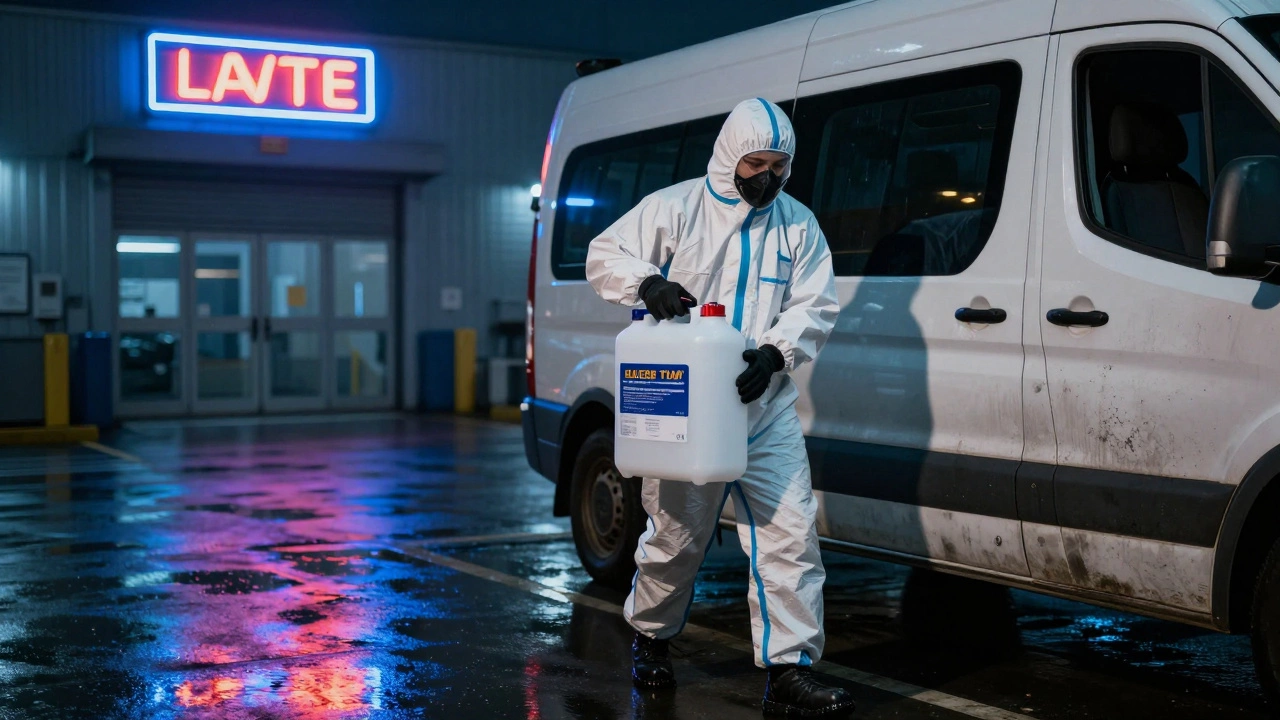
Hazardous materials (hazmat) drivers - who transport chemicals, batteries, or medical waste - must have a special CDL endorsement. Pay? $30-$50 an hour. In Texas, California, and Ohio, hazmat drivers with 5+ years experience regularly clear $60,000-$80,000 a year.
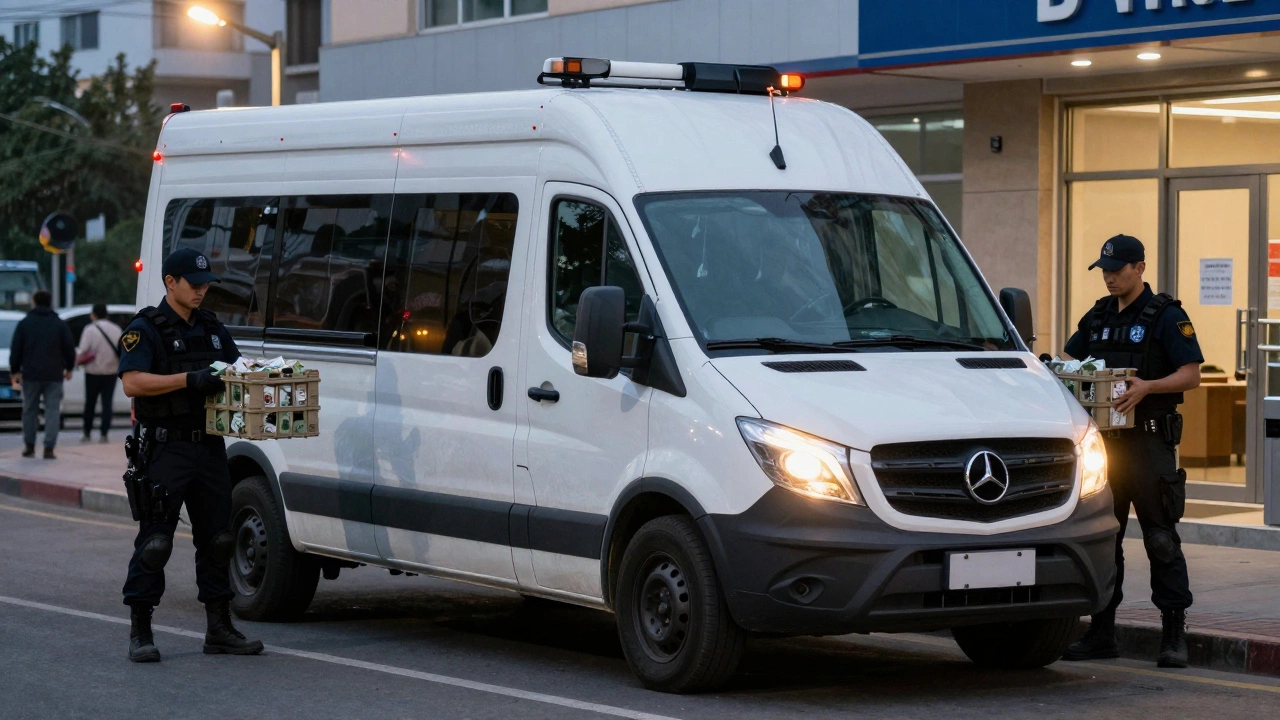
And then there’s the elite: armored car drivers. They transport cash, jewelry, and securities. They need background checks, firearms training, and often a CDL. Their pay? $20-$35 base, but with overtime and shift differentials, many make $70,000+ annually. It’s not glamorous, but it’s one of the few delivery jobs with real job security.
Location Matters More Than You Think
Pay varies wildly by city. A DoorDash driver in Miami might earn $21 an hour. In rural Iowa? $13. Why? Cost of living, population density, and tipping culture all play a role.
Here’s a snapshot of average hourly pay (including tips) for food delivery in 2026:
| City | Hourly Rate (Food Delivery) | Hourly Rate (Parcel Delivery) |
|---|---|---|
| San Francisco, CA | $26 | $42 |
| New York, NY | $24 | $40 |
| Seattle, WA | $23 | $38 |
| Chicago, IL | $19 | $33 |
| Atlanta, GA | $18 | $30 |
| Phoenix, AZ | $17 | $29 |
| Des Moines, IA | $14 | $25 |
Parcel delivery pay is more stable because it’s not tip-based. Even in small towns, FedEx and UPS pay above minimum wage with raises built into the system.
How to Maximize Your Pay - No Matter What You Deliver
Want to earn more? Here’s what actually works:
- Work during peak hours. Dinner rush (5-9 PM) and weekend mornings (8-11 AM) pay double in most apps.
- Choose high-tip zones. Use apps that show tip history. Some neighborhoods tip $8-$10. Others tip $1.
- Drive a fuel-efficient car. Gas eats into profits. A Prius or Honda Civic can save you $100+ a month.
- Apply for company jobs. If you can pass a background check and get a CDL, UPS and FedEx offer better pay and benefits than gig apps.
- Get certified. A hazmat endorsement or medical courier training can boost your pay by 50%.
Who Really Wins? The Data Doesn’t Lie
Let’s cut through the noise. If you want the highest pay, here’s the real ranking in 2026:
- Armored car drivers - $60,000-$90,000/year
- Hazmat drivers - $55,000-$80,000/year
- Medical couriers - $50,000-$70,000/year
- UPS/FedEx full-time drivers - $50,000-$85,000/year
- Amazon Flex drivers - $35,000-$55,000/year
- Food delivery drivers - $25,000-$45,000/year
Notice something? The top earners aren’t the ones scrolling through apps. They’re the ones with training, contracts, and responsibility. The gig economy looks flexible - but it’s not the path to real income.
Is Delivery Driving Worth It in 2026?
If you need quick cash and don’t mind unpredictable hours, food delivery works. But if you’re looking for long-term security, steady pay, and benefits - skip the apps. Go for a job with UPS, FedEx, or a specialized courier company. It takes more effort to get hired. But once you’re in, you’re not just a driver. You’re a skilled worker with a real career.
There’s no magic app that will make you rich. But there are real jobs out there - if you know where to look.
Do delivery drivers get paid hourly or per delivery?
It depends. Food delivery apps like DoorDash and Uber Eats pay per delivery, not hourly. You earn a base fee plus tips. But full-time drivers for UPS, FedEx, or Amazon are paid hourly with overtime. Some companies even offer bonuses for meeting daily delivery targets.
Which delivery job has the highest hourly rate?
Armored car drivers earn the highest hourly rates, often $35-$50 per hour with overtime. Hazmat and medical couriers follow closely at $30-$45/hour. Food delivery drivers typically earn $15-$25/hour after tips.
Can you make a living as a food delivery driver?
Yes - but only if you work long hours in high-demand areas. In cities like San Francisco or New York, drivers working 50+ hours a week can earn $40,000-$50,000 annually. In smaller towns, earnings often fall below $25,000. It’s possible, but it’s not reliable.
Do delivery drivers get benefits?
Gig drivers (Uber Eats, DoorDash) get no benefits. Full-time drivers for UPS, FedEx, or Amazon get health insurance, paid time off, retirement plans, and bonuses. The difference is huge - and it’s why many gig workers eventually switch to company jobs.
Is it better to drive for Amazon Flex or UPS?
Amazon Flex offers flexibility - you choose your shifts. But pay is lower ($18-$25/hour) and you’re an independent contractor. UPS drivers earn more ($38-$45/hour after experience), get benefits, and have job security. If you want stability, UPS wins. If you want freedom, Flex is okay - but don’t expect to build wealth.
What’s the easiest way to get a high-paying delivery job?
Start with a clean driving record and a reliable vehicle. Then get your CDL and hazmat endorsement. Apply to regional medical courier services or hazardous waste companies. These jobs don’t advertise often, but they pay well and rarely have turnover. Many hire without experience - they’ll train you.
What’s Next?
If you’re serious about earning more, stop chasing app bonuses. Focus on building skills. Get certified. Apply for company jobs. The highest-paid drivers aren’t the ones with the most deliveries. They’re the ones with the most credentials.