What Type of Rug Is Most Comfortable? A Guide to Softness, Pile Height, and Materials
Find Your Perfect Rug Comfort
Answer three quick questions to find the ideal rug for your space.
Select your options and click calculate to see your personalized rug recommendation.
Ever walk across a carpet that feels like stepping on cold concrete? It’s an instant mood killer. You spend hours picking out colors and patterns, but if the texture isn’t right, the whole room feels off. Comfort in a rug isn't just about luxury; it's about how the material interacts with your skin, your joints, and the weight of your furniture.
Finding the most comfortable rug depends on three main factors: fiber type, pile height, and weave density. There is no single "best" rug for everyone, but there are clear winners depending on whether you prioritize cloud-like softness, durability underfoot, or warmth against the floor.
The Fiber Factor: What Makes a Rug Feel Good?
The material is the foundation of comfort. Not all fibers are created equal when it comes to touch. Some are naturally plush, while others are crisp or flat.
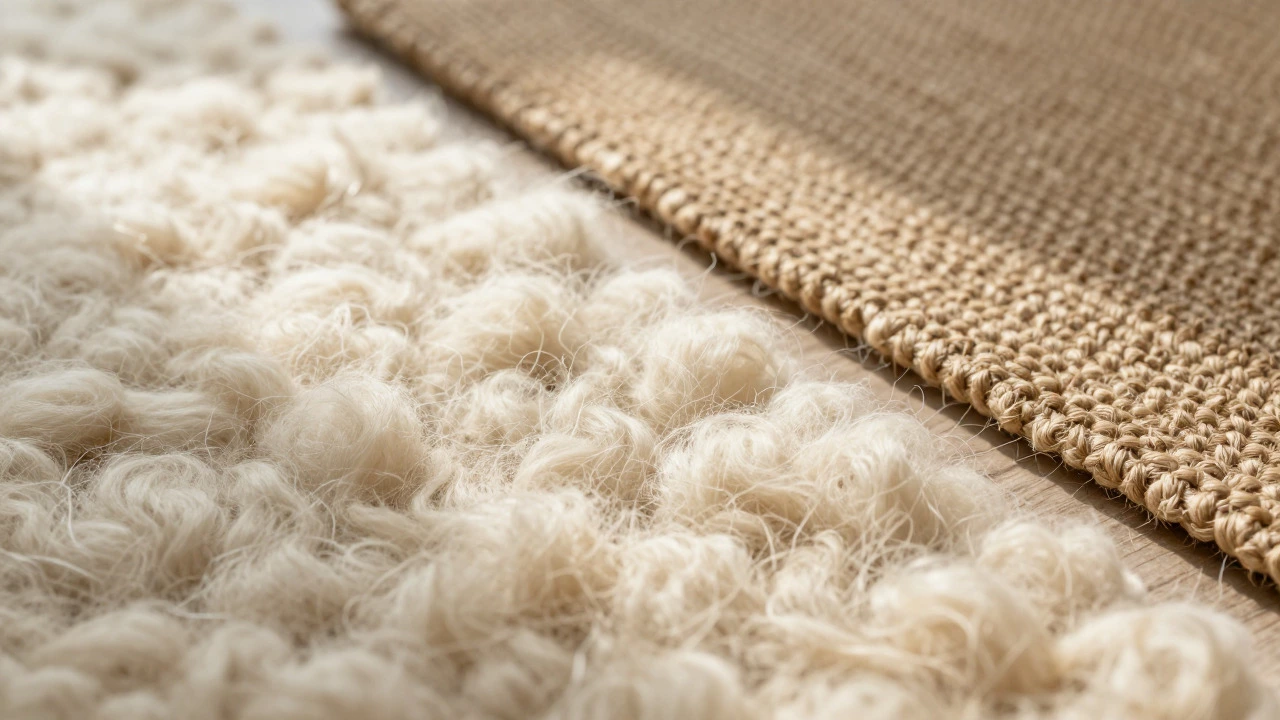
Wool is often considered the gold standard for natural comfort. It is a resilient, temperature-regulating fiber that feels soft yet substantial underfoot. Wool fibers have a natural crimp, which traps air and provides cushioning without needing excessive thickness. If you live in Wellington where the weather can be damp and cool, wool adds significant thermal insulation. It doesn't feel sticky in summer and warms up quickly in winter. However, pure wool can sometimes feel slightly coarse if it's not finely spun. Look for New Zealand wool or Tibetan wool for the softest varieties.
Synthetic fibers have improved dramatically over the last decade. Polyester, particularly microfiber polyester, is incredibly soft-often softer than wool right out of the box. It mimics the feel of silk or cashmere at a fraction of the cost. Polyester rugs are great for bedrooms where you want that barefoot luxury. The downside? They flatten easily under heavy traffic and can attract pet hair more than other materials.
Olefin (also known as polypropylene) is another common synthetic. It’s durable and stain-resistant, making it popular for basements and outdoor areas. In terms of comfort, it’s decent but usually feels a bit plasticky compared to polyester or wool. It lacks the luxurious drape and softness of higher-end fibers.
Natural alternatives like Jute or Sisal are trendy for their eco-friendly credentials, but they are notoriously scratchy. These are woven tightly and have little to no pile. They look great in bohemian or coastal styles, but walking on them barefoot feels like walking on a doormat. If comfort is your priority, skip these unless you plan to layer them with a softer rug on top.
Pile Height: The Closer, The Better?
Pile height refers to the length of the fibers from the backing to the tip. This is arguably the most visible factor in comfort.
- Low Pile (Flat Weave): Think Shaggy Persian or Berber styles. These lie flat. They are easy to vacuum and don’t trap dirt, but they offer zero cushioning. Your foot hits the floor almost immediately.
- Medium Pile: This is the sweet spot for most living rooms. It offers enough give to absorb impact from standing or sitting, but it’s still manageable for cleaning. Most cut-pile rugs fall into this category.
- High Pile (Shag): These are the clouds. Shag rugs can have fibers ranging from 2 inches to over 6 inches long. Walking on them feels like sinking into snow. They are undeniably comfortable for lounging, but they can be tripping hazards and make moving furniture difficult. Plus, crumbs disappear into the abyss, requiring frequent deep cleaning.
If you have kids who run around or pets that dig their claws in, ultra-high shag might become a chore rather than a comfort. A medium-high pile offers a balance of softness and practicality.
Weave Styles That Enhance Comfort
How the yarn is twisted and looped changes the surface texture significantly. Even with the same material, two rugs can feel completely different based on their construction.
| Weave Type | Comfort Level | Best For | Durability |
|---|---|---|---|
| Cut Pile | High | Bedrooms, Living Rooms | Moderate |
| Loop Pile | Low/Medium | High-Traffic Areas, Offices | High |
| Frieze/Twisted | Medium | Hallways, Playrooms | Very High |
| Plush/Saxony | Very High | Quiet Zones, Bedrooms | Low |
Cut Pile rugs have the loops cut open, creating upright fibers. This exposes the soft tips of the yarn, resulting in a smoother, softer surface. Saxony and Plush weaves are types of cut pile where the fibers are sheared evenly. They feel velvety and elegant. However, because the fibers stand straight up, they show footprints and vacuum marks easily. You’ll need to brush them out regularly to maintain that pristine look.
Loop Pile rugs keep the yarn intact in continuous loops. This creates a tighter, denser surface. While durable, the surface can feel rougher because you’re touching the side of the loop rather than the soft tip. Berber rugs are a classic example. They are tough but not cozy for bare feet.
Frieze rugs use heavily twisted yarns that are then cut. The twisting makes the fibers curl slightly, hiding imperfections and footprints. They feel textured and bouncy underfoot, offering a unique kind of comfort that isn’t as slick as plush but more forgiving than flat weave.
The Role of Rug Padding
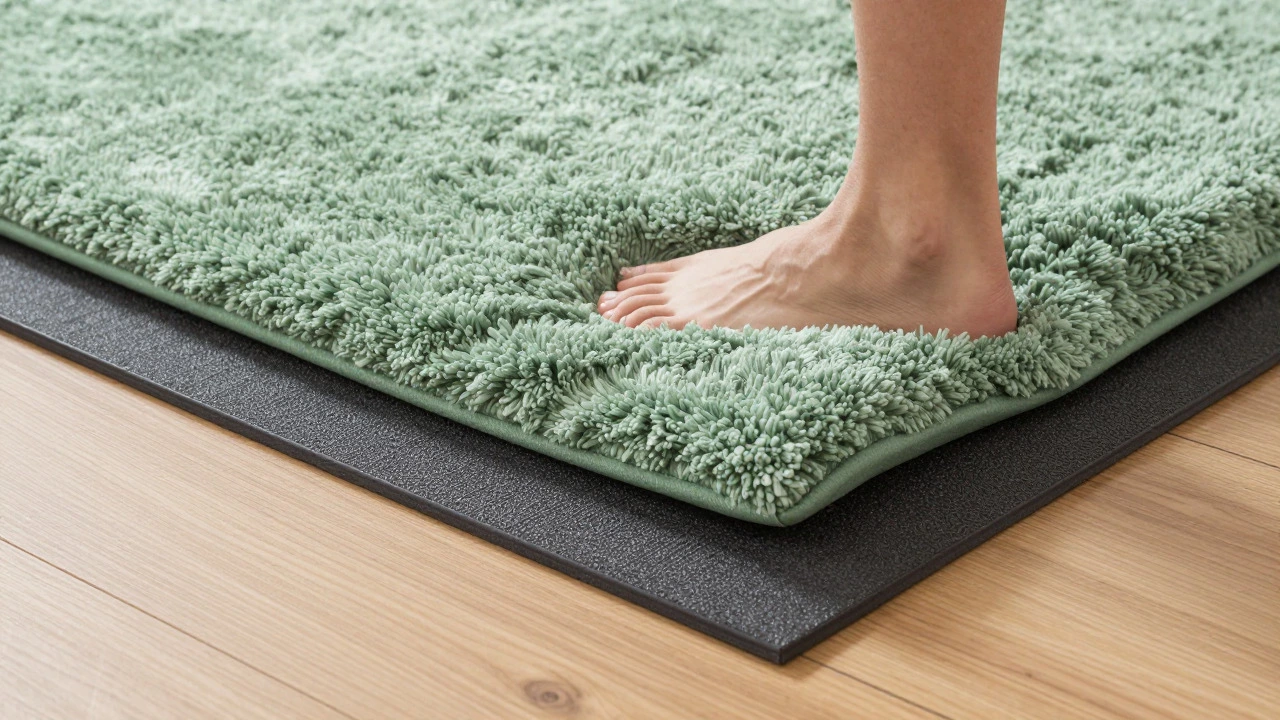
You can buy the softest wool rug in the world, but if it sits directly on a hard timber floor, it won’t feel its best. Rug Padding (or underlay) is the secret weapon for comfort. It acts as a shock absorber between the rug and the floor.
A good quality foam or felt padding adds several millimeters of cushioning. It reduces joint strain when standing for long periods, such as cooking in the kitchen or working at a desk. It also prevents the rug from slipping, which adds psychological comfort-you don’t have to worry about tripping.
In colder climates, padding also insulates against the cold floor. Without it, even a thick rug will eventually conduct heat away from your body. Investing in a dense rubber or jute-felt blend pad can transform a mediocre rug into a luxurious one.
Scenario-Based Recommendations
Comfort is subjective and context-dependent. Here is how to choose based on your specific needs:
- For Barefoot Lounging: Go for a high-pile polyester or a fine wool shag. The goal here is maximum softness. Don’t worry too much about durability since this area likely sees low traffic.
- For Standing All Day: Choose a medium-pile wool rug with a dense rubber pad. Wool provides natural resilience, meaning it springs back after compression, reducing fatigue in your legs and back.
- For Kids and Pets: Opt for a Frieze weave made of Olefin or Nylon. These materials hide dirt and scratches well. While not as plush as shag, they offer enough cushioning to prevent injury from falls without trapping fur and crumbs.
- For Wheelchairs or Walkers: Avoid high piles. Stick to low-pile cut pile or tight loop weaves. High shag rugs create friction that makes rolling difficult and can cause wheels to sink in unevenly.
Maintenance and Long-Term Comfort
A rug’s comfort degrades if it’s not maintained. Matted-down fibers lose their bounce and softness. Regular vacuuming (without a beater bar on delicate rugs) keeps the pile lifted. For high-traffic areas, rotate your rug every six months to ensure even wear.
Spills happen. Natural fibers like wool are inherently stain-resistant due to their lanolin content, but they still need prompt blotting. Synthetic fibers like polyester may resist stains better but can retain odors if not cleaned properly. Always check the manufacturer’s care instructions. A clean rug feels fresher and softer than a dirty one.
Ultimately, the most comfortable rug is one that fits your lifestyle. If you value barefoot luxury, splurge on a high-quality wool or microfiber plush. If you need practicality with a soft touch, a medium-pile nylon with good padding is your best bet. Test samples at home before committing, as lighting and flooring affect both appearance and feel.
Is wool or synthetic more comfortable?
It depends on what you mean by comfortable. Wool is naturally resilient, temperature-regulating, and durable, providing a balanced comfort that lasts for years. Synthetic fibers like polyester can feel softer initially, especially in high-pile shags, but they tend to mat down faster. For long-term comfort and health benefits, wool is superior. For immediate, cloud-like softness on a budget, polyester wins.
Does rug padding really make a difference?
Yes, significantly. Rug padding adds cushioning that protects your joints and reduces noise. It also extends the life of the rug by absorbing impact. A thin rug with thick padding often feels more comfortable than a thick rug with no padding. Always use a pad suitable for your floor type (e.g., non-slip for hardwood).
What is the softest rug material available?
Microfiber polyester is generally the softest material available, often described as feeling like velvet or cashmere. Fine-grade New Zealand wool is the softest natural option. Both provide exceptional tactile comfort, though polyester requires more care to maintain its shape.
Are shag rugs comfortable for walking?
Shag rugs are very comfortable for sitting and lounging, but they can be tricky for walking. The long fibers can catch toes, posing a tripping hazard, especially for children or the elderly. They also make it difficult to move furniture. If you love the look, consider a shorter shag or place it in a low-traffic area.
How do I keep my rug feeling soft over time?
Regular vacuuming helps lift the pile and remove grit that cuts fibers. Rotate the rug every few months to distribute wear evenly. Avoid dragging heavy furniture across it. For wool rugs, professional cleaning once a year can restore the natural oils and softness of the fibers.