What's the Difference Between a Couch and a Sofa? Real Talk on Furniture Terms

Couch vs Sofa Selector Quiz
Discover Your Furniture Identity
Based on your lifestyle, space, and preferences, find out if your seating is truly a couch or sofa. This quiz uses key differences from the article: formality, materials, and intended use.
Your Furniture Identity
According to the article: "A sofa says, 'I care about how this space looks.' A couch says, 'I care about how this space feels.'"
Remember: Functionally identical, but perception matters!
People say "couch" and "sofa" like they’re the same thing. And technically, they are. But if you’ve ever walked into a furniture store and noticed the price tag on a "sofa" was $300 higher than the "couch" next to it, you know there’s more going on. The difference isn’t about function-it’s about history, style, and how people want you to feel when you sit down.
Where Did These Words Even Come From?
The word "sofa" comes from the Arabic "suffah," which referred to a raised platform with cushions along the edge. It made its way into English in the 1600s through trade routes with the Ottoman Empire. Back then, a sofa was a luxury item-something you’d find in wealthy homes, often in formal sitting rooms.
"Couch," on the other hand, comes from the Old French "coucher," meaning "to lie down." It was originally used for low, backless benches meant for reclining. By the 1800s, it evolved into a seated piece of furniture, but kept its casual vibe.
So right off the bat, you’ve got one word tied to elegance and the other to comfort. That’s the foundation of the whole difference.
Design: Structure and Style
Most modern sofas have arms on both sides and a back that rises higher than your shoulders. They’re built to look neat, even when no one’s sitting on them. You’ll often see them in living rooms with matching curtains, area rugs, and side tables. They’re designed to be seen.
Couches? They’re more relaxed. They might have one arm, no arms, or low, slouchy backs. Some couches even look like they’ve been lived on-which is kind of the point. They’re meant for movie nights, bare feet, and kids jumping on them. You’ll find couches in family rooms, dens, or even home offices where comfort beats formality.
Here’s a simple rule: if it looks like it belongs in a magazine spread, it’s probably a sofa. If it looks like it’s been through a few Netflix marathons, it’s a couch.
Size and Shape: It’s Not Always About Dimensions
There’s no official rule that says a sofa must be longer than a couch. A two-seater sofa can be the same size as a three-seater couch. The difference isn’t in the feet-it’s in the attitude.
Sofas often come in standard configurations: two-seater, three-seater, L-shaped, sectional. They’re sold as furniture pieces meant to anchor a room. Couches? They’re more flexible. You might buy a couch as a standalone piece, or you might stack two together to make a bigger seating area. You’ll see couches in thrift stores, dorm rooms, and garage sales because they’re built to be practical, not perfect.
One thing you’ll notice: sofas tend to have more structured legs. Couches? Often on low, wide feet-or even no legs at all. That’s why you’ll see couches described as "low-profile" or "floor-seated." They hug the ground. Sofas lift up.

Materials and Upholstery: What’s on the Outside
Sofas are more likely to be made from premium fabrics: linen blends, velvet, top-grain leather, or performance microfibers. They’re often treated for stain resistance because people expect them to look good for years. You’ll see professional cleaning recommendations on the tags.
Couches? They’re more likely to be covered in durable, easy-to-clean materials-polyester, canvas, or synthetic blends. Think of the couch in your kid’s playroom or the one at your brother’s apartment. It’s not meant to be a showpiece. It’s meant to survive.
There’s also a difference in padding. Sofas often use higher-density foam, down blends, or spring systems for a firmer, more polished sit. Couches? They go for soft, sink-in foam. The kind that makes you want to curl up with a blanket and never get up.
Price and Perception
Let’s be honest: a sofa sounds more expensive. That’s not just because it’s often pricier-it’s because the word carries weight. When you say "I bought a new sofa," it sounds intentional. Thoughtful. Like you’ve invested in your home.
Say "I got a new couch," and it sounds like you picked it up on sale at a big-box store. Maybe it came with free delivery. Maybe you didn’t even try it before buying.
This isn’t about quality-it’s about psychology. Furniture retailers know this. That’s why a $1,200 piece with clean lines and tapered legs is called a sofa. A $900 piece with a slouchy back and bold patterns? It’s a couch.
It’s marketing, but it’s also culture. In New Zealand, where I live, people tend to say "sofa" when they’re talking about their living room. But if they’re hanging out in the family room with the dog, it’s a couch.
So… Are They the Same Thing?
Yes. And no.
Functionally? Identical. Both are long, padded seats for multiple people. You sit on them. You nap on them. You spill coffee on them.
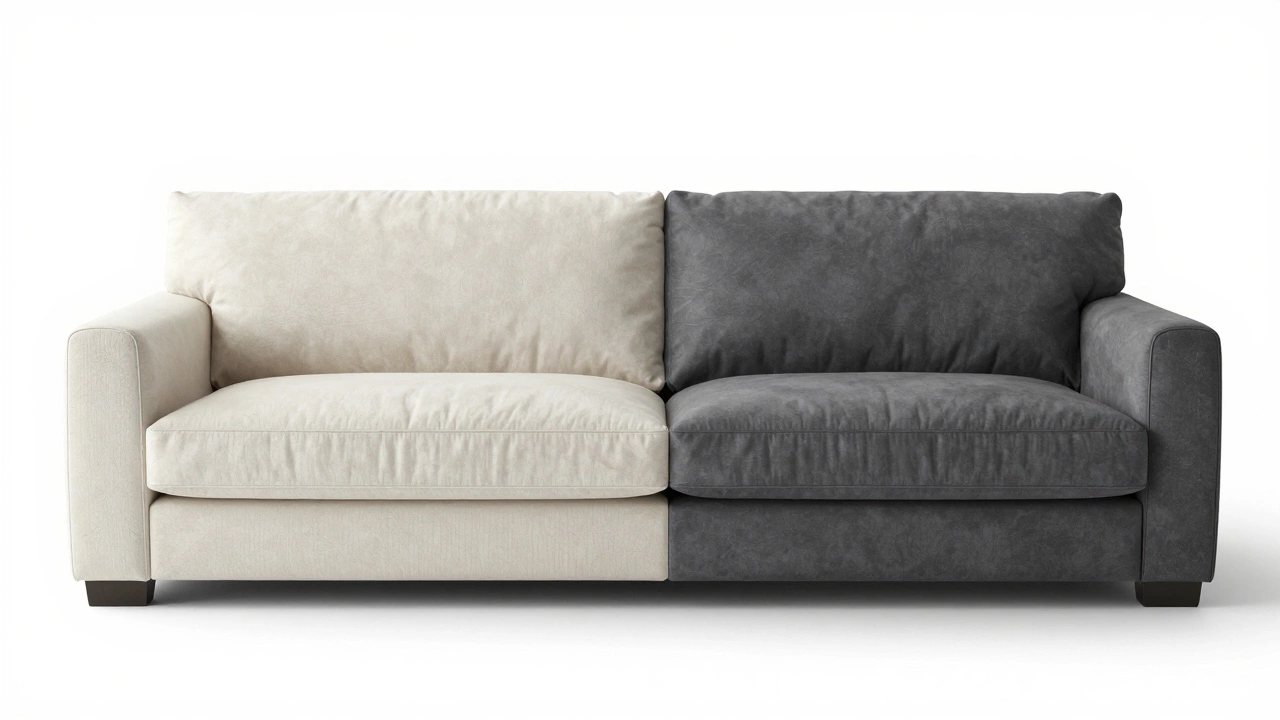
But emotionally? They’re different. A sofa says, "I care about how this space looks." A couch says, "I care about how this space feels."
There’s no right answer. If you want something elegant and timeless, go for a sofa. If you want something you can collapse onto after a long day, go for a couch. Some people even have both-one in the front room, one in the back.
Don’t let the label stop you. If you love the way it looks and feels, call it whatever you want. But now you know why the price tags differ-and why your aunt insists her "sofa" is "not a couch."
How to Choose
Here’s how to decide what you really need:
- Think about your space. Is it a formal living room? Go sofa. Is it a messy family room? Couch wins.
- Think about your life. Do you have pets or kids? Choose durable fabric and a couch-style frame. No one wants to scrub velvet after a muddy dog.
- Think about how you use it. Do you sit upright to read? You’ll want a sofa with good back support. Do you stretch out with a blanket? A couch with deep seating is better.
- Try it. Sit on both. One will feel like a statement. The other will feel like home.
There’s no upgrade here. Just fit.
What About Sectionals and Loveseats?
Sectionals? They’re a type of sofa-usually L-shaped or U-shaped, designed to fill a corner. They’re still sofas because they’re built with structure, clean lines, and often higher-end materials.
Loveseats? That’s just a two-seater sofa. The name comes from "love seat," back when people used them for courtship. Today, they’re just small sofas.
Neither changes the couch/sofa divide. They’re just variations within each category.
Final Thought: Words Matter, But Comfort Matters More
At the end of the day, it’s just furniture. You’re not buying a title-you’re buying a place to rest. Whether you call it a couch or a sofa, what matters is how it holds you after a long day. Whether it’s the one you bought because it matched your curtains… or the one you got because it was on sale and it fit through the door.
Call it what you want. Just make sure it’s comfortable.
Is a couch the same as a sofa?
Functionally, yes. Both are long, padded seats for multiple people. But culturally, they carry different meanings. "Sofa" suggests formality, elegance, and design. "Couch" suggests comfort, casual use, and practicality. The difference is in perception, not structure.
Why are sofas more expensive than couches?
Sofas often cost more because they’re made with higher-quality materials-like top-grain leather, linen blends, or high-density foam-and designed for a polished look. They’re marketed as furniture pieces meant to anchor a room. Couches are built for durability and ease, often using more affordable fabrics and simpler construction. The price difference reflects how they’re sold, not how well they work.
Can a couch have arms?
Yes. Many couches have arms. The presence of arms doesn’t make something a sofa. What matters is the overall style: a couch with arms can still be low-profile, slouchy, and casual. A sofa with arms is usually more structured, with higher backs and refined legs.
Do I need to buy a sofa if I want something stylish?
Not at all. Many modern couches are designed with style in mind-clean lines, bold colors, quality fabrics. You can find stylish, well-made couches that look just as intentional as a sofa. The key is to focus on design details, not the label. A well-chosen couch can be the centerpiece of a modern living space.
What’s the best choice for a home with kids or pets?
A couch. Look for durable, stain-resistant fabrics like performance microfiber, canvas, or tightly woven polyester. Avoid velvet or light-colored leather. Choose a low-back, deep-seated style that’s easy to clean and hard to damage. Comfort and resilience matter more than formality when you’ve got muddy paws or spilled juice.