What Pays Better Than DoorDash? Top Delivery Alternatives for 2026

Gig Driver Profitability Calculator
Enter your details and click "Calculate Net Profit" to see how much you really keep after expenses.
You’re sitting in your car, waiting for a ping from DoorDash is a leading food delivery platform that connects customers with local restaurants and independent drivers. The app shows you an offer: $4.50 for a 3-mile trip to a fast-food joint. You take it because rent is due. But deep down, you know the math doesn’t work anymore. Between gas prices, vehicle wear-and-tear, and the endless wait times at popular restaurants, that $4.50 barely covers your expenses, let alone puts money in your pocket.
If you are feeling stuck in this cycle, you aren’t alone. The gig economy has shifted dramatically since its boom years. Drivers who once made a living wage on food delivery apps are now looking for higher-paying options. The good news? There are absolutely better ways to earn money using your vehicle. Some pay double per hour, others offer steady contracts, and a few even provide benefits. Let’s look at what actually pays better than DoorDash in 2026.
Why Food Delivery Apps Are Struggling to Pay Well
To understand where to go next, you first need to understand why DoorDash and similar platforms like Uber Eats or Grubhub have become less profitable for drivers. The core issue is supply and demand. When these services launched, there were fewer drivers and high customer demand. Now, almost everyone with a car and a smartphone is signing up. This oversupply drives down base pay and bonuses.
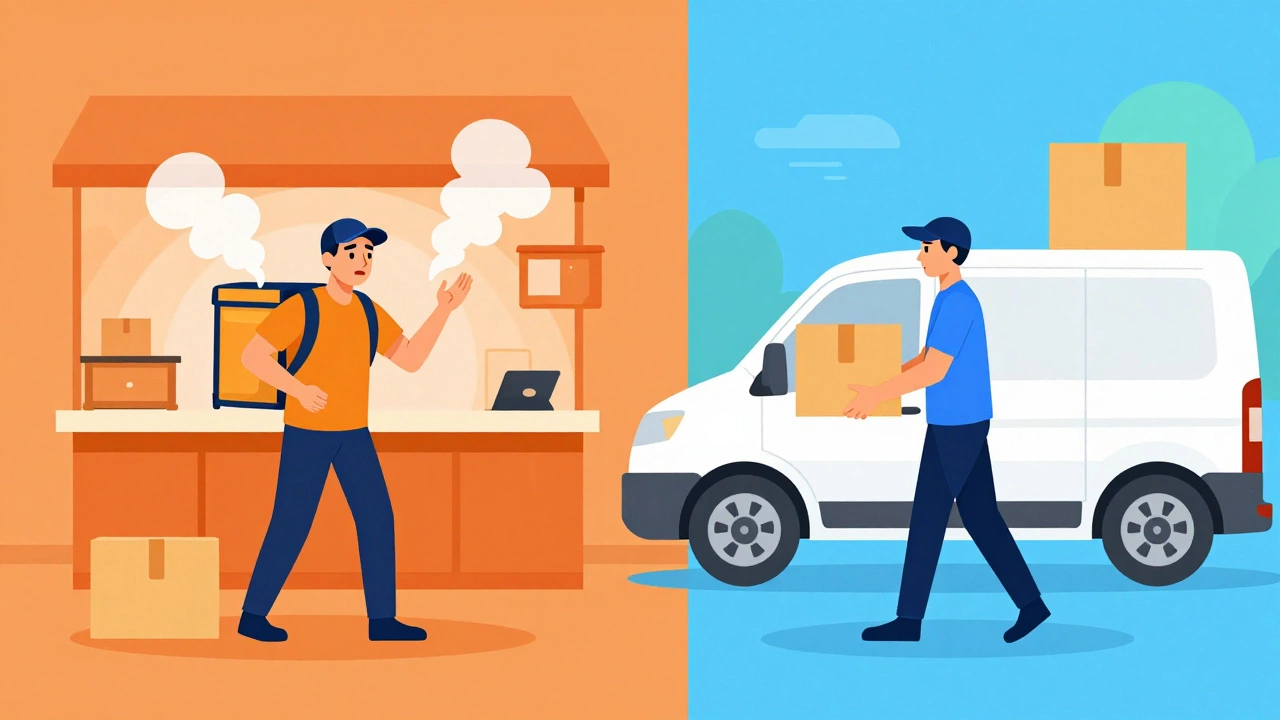
Furthermore, restaurant fees have increased. Many establishments charge delivery partners high commission rates, which gets passed on to the driver in the form of longer wait times and lower tips. You might spend 15 minutes just parking and waiting for a bag of fries, while a package delivery job lets you drop off a box in 30 seconds and move to the next one. Efficiency is key to hourly earnings, and food delivery is inherently inefficient.
Top Tier Alternative: Grocery Delivery
If you want to stay in the consumer goods space but earn more, Instacart is a grocery delivery service that allows shoppers to pick and deliver orders from major retailers. Instacart often pays better than food delivery for three main reasons: larger order values, higher tips, and batched orders. When someone orders dinner, they might tip $2. When they order groceries for the week, they might tip $10 or more.
Shipt, owned by Target, operates similarly but focuses exclusively on Target stores. In many markets, Shipt offers guaranteed minimums for shifts, which provides more predictability than the sporadic nature of DoorDash. If you live near a large Walmart or Costco, check out Walmart Spark Driver or Costco Shopper. These roles often require a background check and sometimes an interview, but the pay rate is significantly higher because the barrier to entry is slightly higher.
- Pros: Higher average tips, larger orders mean fewer stops per dollar earned.
- Cons: Heavy lifting (cases of water, bags of dog food), strict time limits for shopping.
The Heavy Hitters: Package and Freight Delivery
If you have a van, truck, or even a sturdy SUV, you can leave the sandwich deliveries behind and enter the world of logistics. Amazon Flex is a program that allows individuals to deliver packages for Amazon using their own vehicles. Amazon Flex blocks typically pay between $18 and $25 per hour, depending on your city and the difficulty of the route. Unlike DoorDash, where you get paid per trip, Amazon pays you for the block of time. If you finish early, you keep the full pay. This incentivizes efficiency.
Another massive player is Roadie, which connects drivers with businesses needing last-mile delivery, often piggybacking on existing trips. Roadie is excellent if you already drive around for work or personal errands. You can add a few packages to your route without deviating much. The pay varies, but long-distance hauls can pay very well. For those with larger vehicles, Lalamove or GoShare allow you to transport furniture, appliances, and other large items. These gigs pay premium rates because they require physical effort and specialized vehicles.
| Platform | Average Hourly Rate | Vehicle Requirement | Pay Frequency |
|---|---|---|---|
| DoorDash | $10 - $15 | Car/Scooter/Bike | Instant Cashout / Weekly |
| Amazon Flex | $18 - $25 | SUV/Van/Truck | Weekly |
| Instacart | $15 - $22 | Car | Instant Cashout / Weekly |
| Roadie | $15 - $30+ | Any Vehicle | Weekly |
Specialized Services: Pet Sitting and Local Tasks
Not all delivery involves boxes. Rover is a platform connecting pet owners with sitters and walkers. While not strictly "delivery," Rover allows you to earn money by walking dogs or watching pets. In urban areas, dog walking can pay $20-$30 per hour, especially if you handle multiple dogs at once. It’s low-stress, no traffic jams, and you get fresh air. Plus, tips are generally higher because people love their pets more than their pizza.
Similarly, Taskrabbit connects users with helpers for tasks like moving furniture, mounting TVs, or assembling IKEA products. If you have basic handyman skills, Taskrabbit pays significantly more than any delivery app. A simple TV mount job can pay $50-$100 in under an hour. This requires more skill but offers the highest return on time invested.
Traditional Courier Jobs: Stability Over Flexibility
If you are tired of the algorithm deciding your paycheck, consider traditional courier roles. Companies like FedEx Ground and UPS hire independent contractors for package delivery. These roles often require you to own a van or truck, but they offer consistent volume. You don’t have to "chase" orders; the system assigns you a route with a set number of packages. While the hourly rate might seem similar to gig apps on paper, the consistency means you can plan your day and earn reliably every single day.
Medical courier services are another niche. Hospitals and labs need urgent transport for blood samples, organs, and medical records. These jobs often pay overtime and require reliability over speed. Check local healthcare providers or specialized courier companies in your area. They rarely advertise on big boards because word-of-mouth referrals are preferred.
How to Maximize Your Earnings Regardless of Platform
No matter which app you choose, your net income depends on how you manage costs. Here are practical tips to boost your bottom line:
- Track Every Mile: Use apps like MileIQ or Stride to log business miles accurately. This helps you claim tax deductions for fuel and vehicle depreciation.
- Multi-App Strategically: Don’t just use one app. Turn on notifications for Amazon Flex, Instacart, and DoorDash. Only accept jobs that meet your minimum hourly threshold. If DoorDash offers $4 for a 2-mile trip, skip it. Wait for a better offer from another app.
- Focus on Peak Hours: Friday nights, Sunday evenings, and bad weather days bring surge pricing and higher tips. Schedule your work during these windows.
- Maintain Your Vehicle: Regular oil changes and tire rotations prevent expensive breakdowns. A reliable vehicle keeps you earning.
FAQ
Is Amazon Flex really paying better than DoorDash?
Yes, in most cases. Amazon Flex typically pays between $18 and $25 per hour for block deliveries, whereas DoorDash averages $10 to $15 per hour after expenses. However, Amazon Flex requires you to commit to specific time slots, offering less flexibility than DoorDash.
Do I need a special vehicle for higher-paying delivery jobs?
Not necessarily. Instacart and Roadie work with standard cars. However, Amazon Flex prefers SUVs or vans for larger capacity, and medical or freight couriers often require trucks. Having a versatile vehicle opens up more high-paying opportunities.
Can I use multiple delivery apps at the same time?
Absolutely. Most drivers use 2-3 apps simultaneously. You should only accept jobs that meet your desired hourly rate. If one app isn’t offering good pay, switch to another. Just be mindful of battery life and data usage on your phone.
Are there any delivery jobs that offer benefits?
Most gig economy apps do not offer benefits like health insurance or paid time off. However, some traditional courier companies like FedEx Ground or UPS hire independent contractors who may have access to certain programs. Full-time W2 positions with logistics firms are the best bet for comprehensive benefits.
What is the highest-paying delivery option available right now?
For pure delivery, Amazon Flex and specialized medical couriers tend to pay the most per hour. If you include related tasks, Taskrabbit for handyman services or Rover for pet sitting can yield higher hourly rates due to specialized skills and lower overhead costs.