What Material Sofa Lasts the Longest? A Durability Guide
Sofa Durability Estimator
Select your sofa details below to estimate how long it will last in your specific living situation.
Estimated Lifespan
-- YearsDurability Rating: --
Key Factors Analysis:
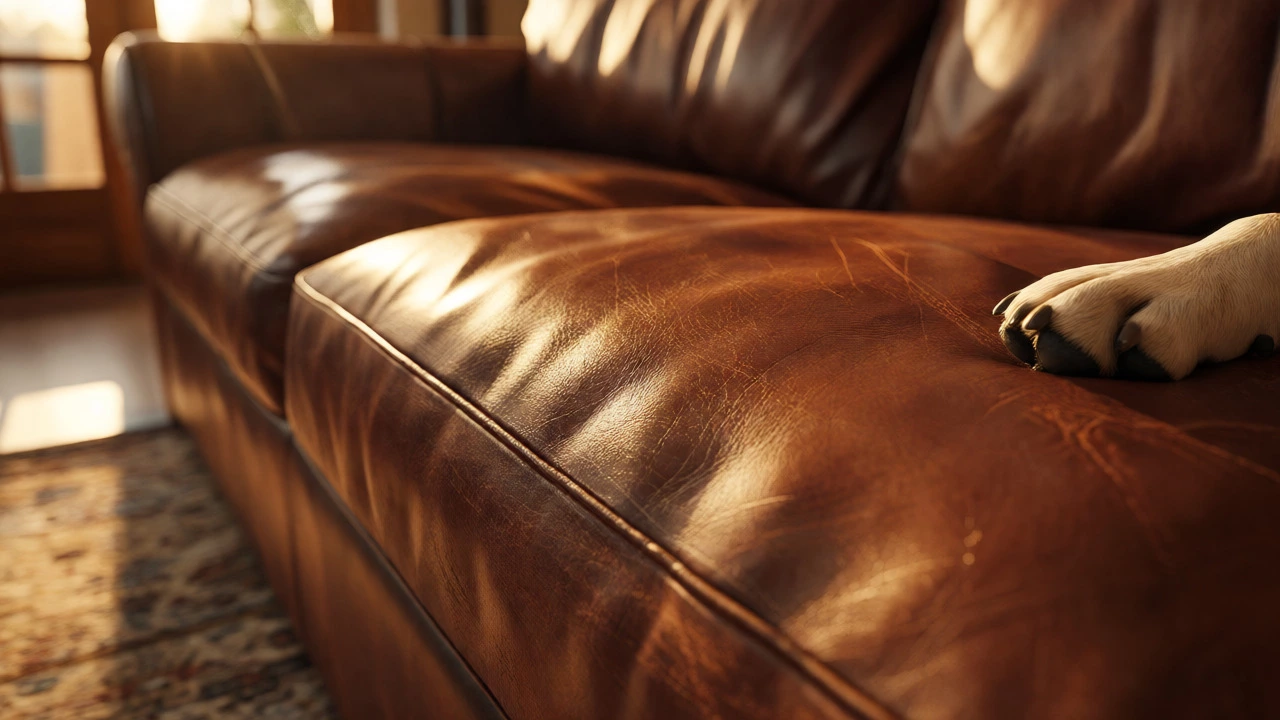
You just spent a small fortune on a new sofa. It looks stunning in your living room, matching your rug and the light from the window perfectly. But here is the uncomfortable truth: that beautiful piece of furniture might start looking tired before its third birthday. Why? Because you likely chose it for how it looked, not how it survives. Most people ignore the sofa material durability until they are staring at a frayed armrest or a cracked cushion.
If you want a couch that actually lasts-meaning ten, fifteen, or even twenty years-you need to look past the color swatches. You need to understand what makes certain fabrics and leathers survive real life. Kids jumping off backs, dogs scratching, coffee spills, and sun exposure. This isn't about luxury; it's about survival. Let's break down exactly which materials stand the test of time and which ones will leave you disappointed.
The Short Answer: What Actually Lasts?
| Material | Expected Lifespan (Years) | Best For | Main Weakness |
|---|---|---|---|
| Full-Grain Leather | 15-25+ | High traffic areas, pets | Initial cost, requires conditioning |
| Top-Grain Leather | 10-15 | Modern homes, ease of cleaning | Can crack if neglected |
| Performance Fabric | 8-12 | Families with kids/pets | Higher price than standard cotton |
| Linen Blend | 7-10 | Aesthetic appeal, breathability | Wrinkles easily, stains hard to remove |
| Microfiber/Suede | 5-8 | Budget-friendly, soft feel | Pet hair magnet, flattens over time |
| Cotton/Velvet | 3-6 | Low use rooms, style focus | Stains easily, wears out quickly |
Notice the gap? Full-grain leather can last twice as long as velvet. That’s a massive difference in value when you factor in replacement costs. But longevity isn't just about the material name; it's about construction and usage context too.
Why Leather Is Still the King of Longevity
Leather is a natural hide that has been tanned to prevent decay. Unlike woven fabrics, it doesn't have threads that can snag or unravel. When treated correctly, it develops a patina-a protective layer that actually gets better with age rather than worse. Think of your favorite old jacket. It didn't fall apart; it got character.However, not all leather is created equal. You need to know the difference between the types, because buying the wrong one is like buying a paper towel instead of a cloth napkin.
- Full-Grain Leather: This is the top tier. It uses the entire hide without sanding away imperfections. It is incredibly tough. Scratches can be buffed out. It resists moisture well. If you have a dog that loves to dig, this is your best friend.
- Top-Grain Leather: The second-best option. The surface has been sanded to remove scars and blemishes, then coated with a finish. It is more stain-resistant than full-grain but less breathable. It won't develop that rich patina, but it stays looking uniform longer. Good for households where you want low maintenance.
- Genuine Leather: Beware this term. In marketing, "genuine" often means "real leather," but technically it refers to lower-grade layers split from the hide. It is thinner, weaker, and prone to peeling. Avoid it if you want durability.
- Bonded Leather: This is essentially leather dust glued together with polyurethane. It cracks within two to three years. Do not buy this if you want longevity.
In Wellington, where the damp air can affect indoor humidity levels, leather needs occasional conditioning. Once every six months with a proper leather conditioner keeps it supple. Skip this step, and even the best leather will crack.
The Rise of Performance Fabrics
Performance Fabric is a modern innovation designed specifically to solve the problems of traditional textiles. These are synthetic blends, usually polyester or nylon, treated with nano-coatings that repel liquids and resist staining. Brands like Crypton or Sunbrella pioneered this tech, originally for marine and healthcare settings.Why choose performance fabric over leather? Two reasons: comfort and aesthetics. Leather can be sticky in summer and cold in winter. Performance fabrics breathe better and feel softer against the skin. Plus, they come in endless colors and textures that mimic linen or wool without the high maintenance.
When shopping for these, look for the Rub Count. This measures abrasion resistance. For residential use, you want at least 15,000 double rubs. For heavy-duty family homes, aim for 50,000+. Anything under 9,000 is decorative only-it will wear through on the arms within two years.
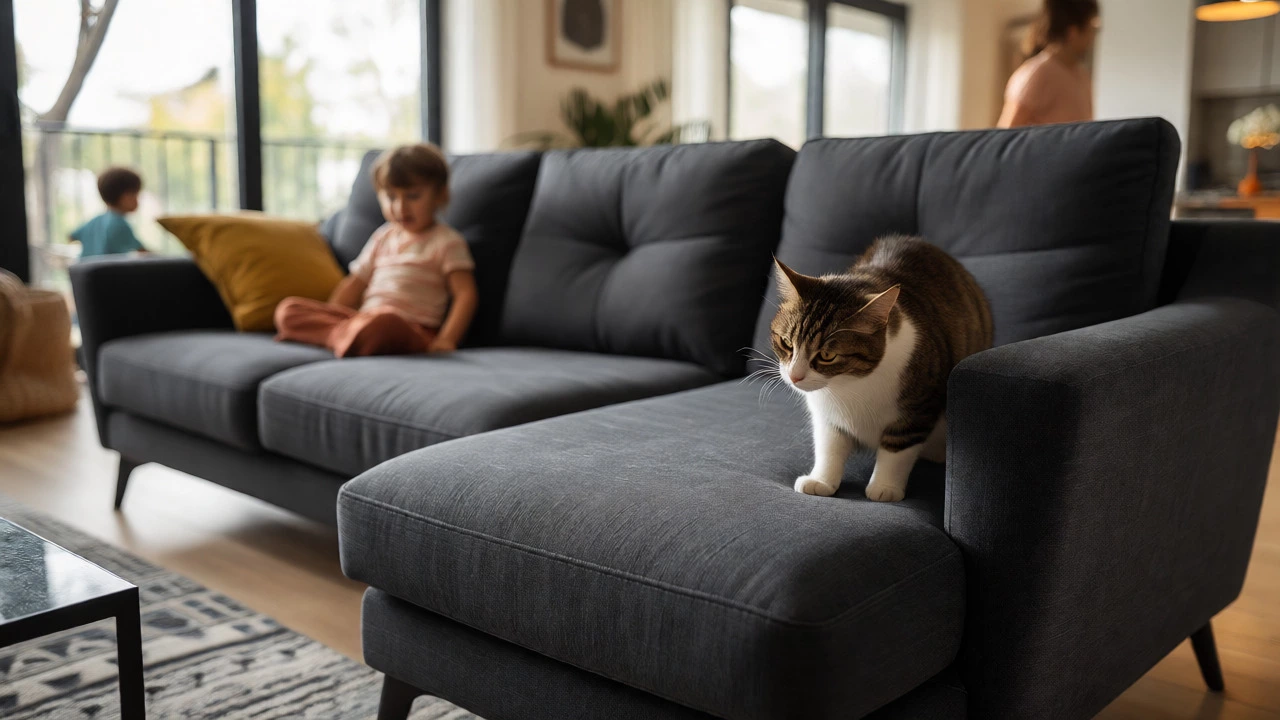
These fabrics also handle pet claws surprisingly well. While no fabric is truly scratch-proof, tightly woven synthetics don't snag like loose weaves do. If your cat likes to knead the cushions, a high-rub-count performance weave will hold up far better than a loose cotton blend.
Natural Fibers: Linen and Wool
If you hate the look of plastic-like synthetics, natural fibers offer a compromise. But they require a different mindset regarding care. Linen is made from flax plant fibers. It is strong, breathable, and cool to the touch. However, pure linen wrinkles severely and absorbs stains instantly. A spilled glass of red wine is a permanent mark unless you act fast. Blending linen with polyester or rayon improves durability significantly while keeping some of the natural texture. Wool is naturally stain-resistant due to lanolin, an oil found in sheep's wool. It also resists fire and odors. Wool sofas are luxurious and warm, perfect for cooler climates. But they can shrink if cleaned improperly and are vulnerable to moth damage if stored in dark, undisturbed spaces. Regular vacuuming helps prevent this.Both materials are beautiful but fragile compared to leather or performance synthetics. They suit adults-only households or formal living rooms where feet stay off the furniture. If you have toddlers, skip pure linen.
Construction Matters More Than Fabric
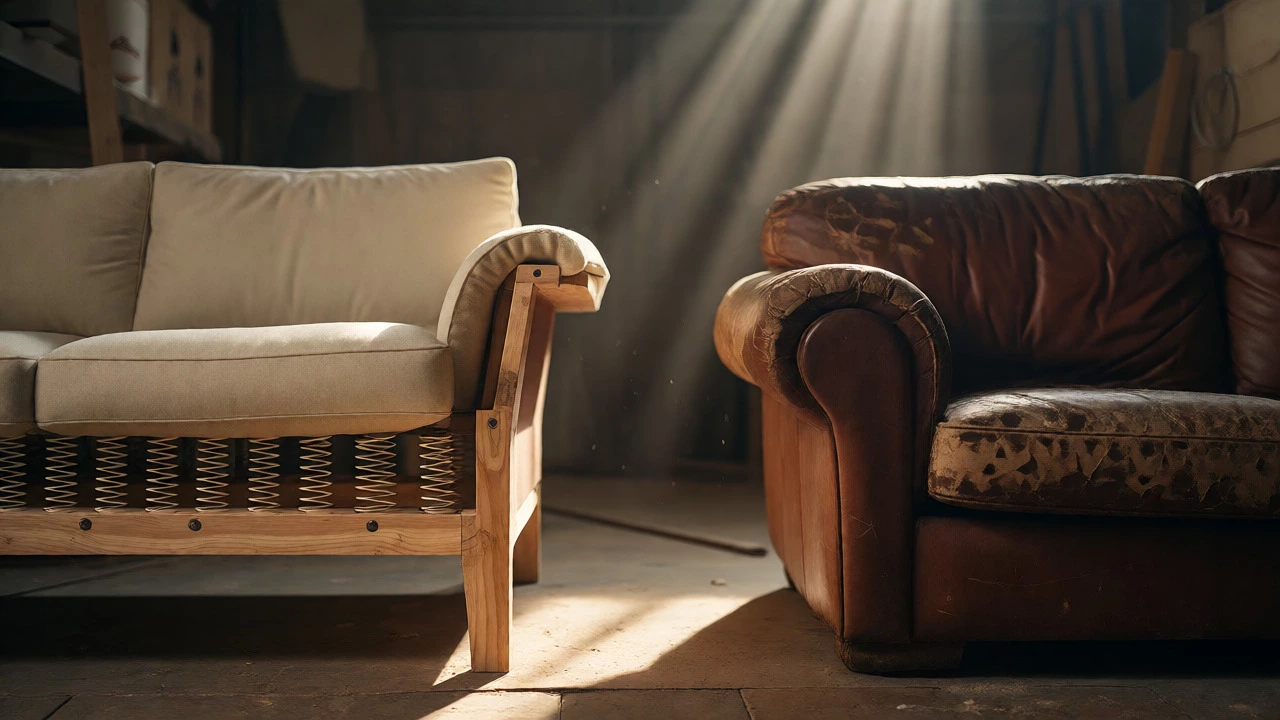
Here is a secret dealers won't tell you: a cheap fabric on a great frame beats expensive fabric on a bad frame every time. You can reupholster a worn-out cover. You cannot fix a broken frame.Look for these structural signs of quality:
- Kiln-Dried Hardwood Frame: Softwoods like pine warp and crack. Kiln-dried hardwood (oak, maple, ash) removes moisture so it stays stable. Check the joints-they should be screwed and glued, not just stapled.
- Sinuous Springs: S-shaped steel wires provide consistent support. Avoid webbing alone, which sags over time. Pocket coils are premium but rare in mid-range sofas.
- Dense Foam Cushions: Look for high-density foam (at least 1.8 pounds per cubic foot). Low-density foam collapses after a year of daily sitting. Down-filled cushions feel plush initially but flatten permanently unless blended with foam cores.
A $2,000 sofa with a particleboard frame and low-density foam will fail faster than a $1,200 sofa with a hardwood frame and high-resiliency foam. Always prioritize the skeleton over the skin.
How Your Lifestyle Changes the Choice
There is no single "best" material. The right choice depends entirely on who lives in your house.For Families with Young Children: Go with dark-colored performance fabric or top-grain leather. Dark hides juice stains. Performance fabric wipes clean with water. Leather resists crayons and markers better than cloth.
For Pet Owners: Full-grain leather is ideal because claws slide off rather than catching. If you prefer fabric, choose a tight-weave microfiber or performance blend. Avoid velvet and chenille-pet hair sticks to them like glue, and claws snag the loops.
For Sun-Exposed Rooms: Direct sunlight fades and dries out materials. Leather can crack if not conditioned regularly. Synthetic performance fabrics generally handle UV rays better than natural fibers like silk or untreated cotton. Consider adding UV-filtering window film if your sofa sits in direct sun all day.
For Minimal Use: If your sofa is mostly decorative, you can afford to choose delicate materials like silk-blend velvets or light linens. They won't see the wear and tear that destroys them in high-traffic zones.
Maintenance Tips to Double Lifespan
Even the most durable material fails if ignored. Here is how to keep your sofa alive:- Vacuum Weekly: Dust and grit act like sandpaper on fabric fibers. Vacuum crevices and arms weekly.
- Rotate Cushions: Flip and rotate seat cushions monthly. This ensures even wear. One side always gets used more; rotating balances it out.
- Clean Spills Immediately: Blot, do not rub. Rubbing pushes stains deeper into fibers. Use appropriate cleaners for your material type.
- Keep Away from Heat Sources: Radiators and fireplaces dry out leather and fade fabrics. Keep at least three feet of clearance.
Taking five minutes a week adds years to your sofa's life. Neglecting it cuts it short.
Final Verdict: Making the Buy
So, what material sofa lasts the longest? If budget allows, full-grain leather is the undisputed champion. It ages gracefully, cleans easily, and withstands physical abuse. It is an investment that pays off over decades.If you prefer fabric, choose a high-rub-count performance blend. It offers the best balance of durability, comfort, and style for modern families. Avoid bonded leather and low-rub-count cottons if you want anything beyond a temporary solution.
Remember, check the frame first. Then match the material to your lifestyle. A durable sofa isn't just about buying expensive-it's about buying smart.
Is bonded leather really that bad?
Yes, for longevity purposes. Bonded leather is made from scrap leather fibers mixed with polyurethane and pressed onto a backing. It lacks the strength of genuine hide. It typically starts cracking and peeling within 2-4 years of regular use, making it a poor long-term investment despite its low upfront cost.
Do dark fabrics show less wear than light ones?
Dark fabrics hide dirt and stains better, but they do not necessarily resist wear better. Friction causes fading and thinning regardless of color. However, visible signs of aging like pilling or discoloration may be less noticeable on dark tones, giving the illusion of better durability. Lighter colors show wear sooner but are easier to spot-clean.
How does pet ownership affect sofa material choice?
Pets demand scratch-resistant and easy-to-clean materials. Tight-weave synthetics and smooth leathers work best because claws slide off rather than snagging. Loose weaves like linen or looped fabrics like chenille catch on claws and pull threads. Also, avoid materials that trap fur, such as velvet, which requires constant lint rolling.
What is a good rub count for a household sofa?
For general residential use, look for a Martindale or Wyzenbeek rating of at least 15,000 double rubs. For heavy-use areas like family rooms with children or pets, aim for 30,000 to 50,000+ double rubs. Anything below 9,000 is considered decorative grade and will likely wear out quickly under daily stress.
Can I make my fabric sofa last longer?
Yes. Apply a fabric protector spray upon purchase to repel stains. Rotate cushions regularly to distribute wear evenly. Vacuum weekly to remove abrasive dust particles. Address spills immediately by blotting, not rubbing. Keeping the sofa out of direct sunlight also prevents premature fading and fiber degradation.