What is the most popular logistics company in 2025?
Logistics Company Selector
Find Your Perfect Shipping Partner
Answer a few quick questions about your shipping needs to discover which logistics company is best for you in 2025.
If you’ve ever waited for a package to arrive, you’ve felt the power of a good logistics company. But when people ask, what is the most popular logistics company, they’re not just looking for a name-they want to know who actually delivers the most, fastest, and most reliably across the globe. The answer isn’t simple. Popularity isn’t just about size. It’s about reach, reliability, speed, and how well a company fits your needs-whether you’re a small business shipping one box or a global brand moving millions.
Who’s Actually Leading the Pack?
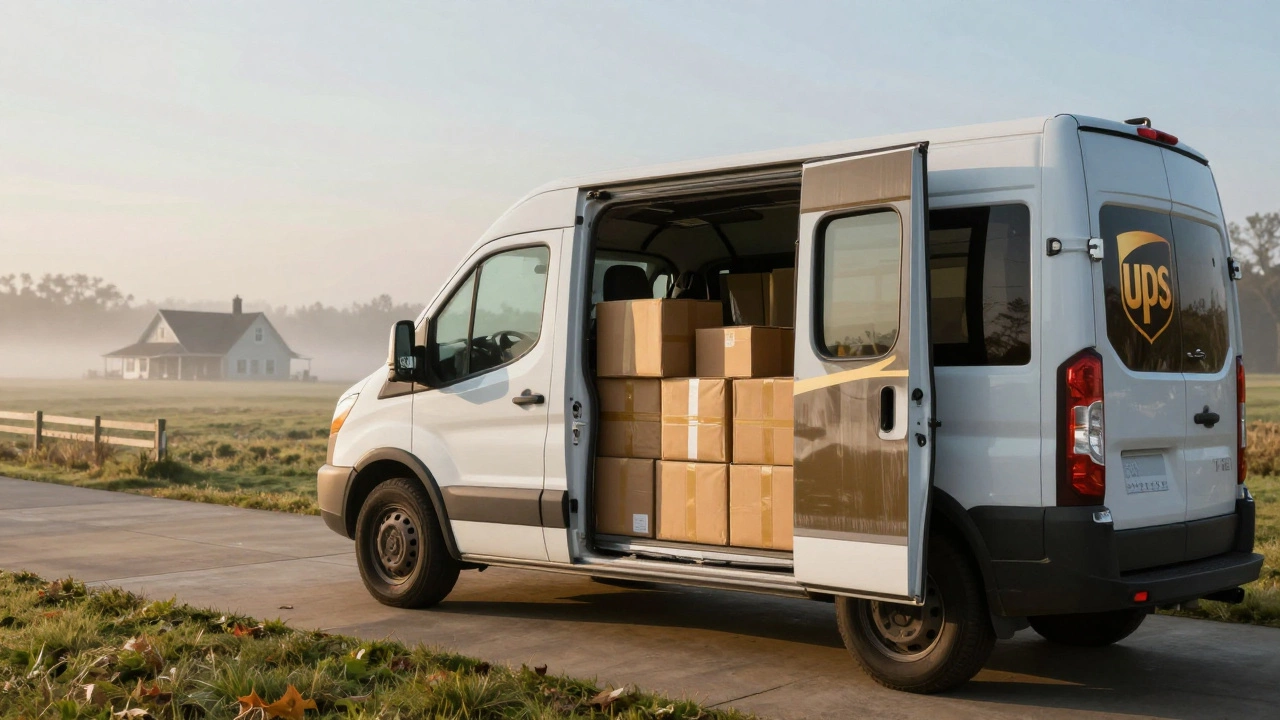
In 2025, the title of most popular logistics company goes to UPS-but not because it’s the biggest. It’s because it’s the most consistent. UPS handles over 24 million packages every day across more than 220 countries. Its network isn’t just wide-it’s deep. You’ll find UPS drop-off points in corner stores, grocery chains, and even gas stations. If you live in a rural town in the U.S., UPS is likely the only carrier that delivers to your door every weekday, rain or shine.FedEx isn’t far behind. It’s the go-to for time-sensitive shipments. If you need something across the country by 10 a.m. tomorrow, FedEx Ground or Express is your best bet. Its overnight delivery network is unmatched in North America, and its international air freight routes connect more cities than any other private carrier. FedEx doesn’t just move boxes-it moves deadlines.
DHL: The Global Powerhouse
If you’re shipping outside the U.S., DHL is the name you’ll hear most often. It’s the only logistics company with a true global footprint that rivals national postal systems. DHL operates in over 220 countries and territories, including places where FedEx and UPS have limited access-like rural parts of Africa, Southeast Asia, and the Middle East. It’s the default choice for cross-border e-commerce sellers because it handles customs clearance better than anyone else. DHL’s average delivery time for international parcels is under 5 days, even to remote locations.Why does this matter? Because 68% of online shoppers in Europe and Asia expect international deliveries to arrive within a week. DHL delivers on that promise, consistently.
Amazon Logistics: The Disruptor
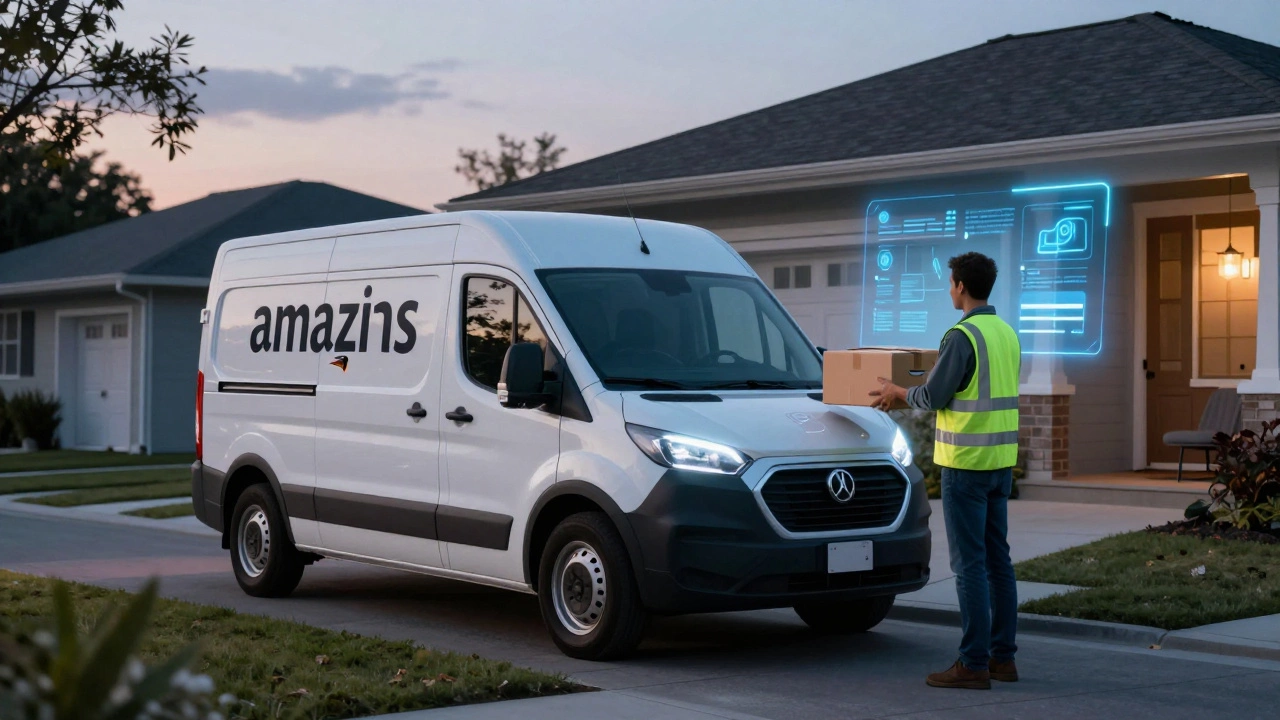
Amazon Logistics doesn’t show up on most lists of top carriers-but it should. It’s not a public company, so exact numbers are hidden. But estimates put its daily volume at over 2 million packages in the U.S. alone. Amazon built its own delivery network because it couldn’t rely on FedEx or UPS to meet its promise of same-day and next-day delivery.Today, Amazon Logistics uses a mix of its own vans, contracted drivers, and even third-party couriers. It’s the reason you get packages from Amazon on Sundays. It’s the reason your neighbor is now a delivery driver. Amazon’s network isn’t just fast-it’s flexible. And it’s growing. In 2024, Amazon added over 30 new regional sortation centers across the U.S., bringing its total to more than 120. That’s more than FedEx and UPS combined in the U.S. alone.

Why Popularity Isn’t About Volume Alone
You might think the company with the most trucks wins. But popularity is about trust. It’s about what happens when your package goes missing. It’s about how quickly customer service answers when you call. It’s about whether your small business can afford to ship with them.For small businesses, USPS still holds a quiet lead in popularity. It’s not flashy, but it’s the cheapest option for lightweight packages under 2 pounds. Over 60% of small online sellers use USPS for domestic shipping because of its flat-rate boxes and predictable pricing. Even Amazon ships some of its smaller items through USPS. It’s the unsung hero of e-commerce logistics.
And then there’s regional players like SF Express in China, Japan Post, and Australia Post. They dominate their home markets. In China, SF Express handles 80% of all domestic e-commerce deliveries. But if you’re asking about global popularity, those names don’t show up on the same radar as UPS, FedEx, DHL, or Amazon.
Who Wins for Different Needs?
There’s no single winner for everyone. Here’s who comes out on top based on what you need:- Fastest U.S. delivery: FedEx Express
- Most reliable international shipping: DHL
- Best for e-commerce volume: Amazon Logistics
- Best balance of speed, cost, and coverage: UPS
- Lowest cost for small packages: USPS
Most businesses use more than one. A Shopify store might ship small items via USPS, heavy items via UPS, and international orders via DHL. That’s not confusion-it’s strategy.
The Hidden Winner: Technology
The real reason some logistics companies stay popular isn’t their trucks or planes-it’s their tech. UPS’s ORION system uses AI to optimize delivery routes, cutting 100 million miles off its drivers’ annual travel. DHL’s MyDHL+ app lets you track packages down to the minute, reschedule deliveries, and print labels without logging into a website. Amazon’s predictive shipping algorithm guesses what you’ll order before you do-and gets it to a warehouse near you before you click buy.These aren’t gimmicks. They’re what keep customers coming back. If your package arrives early, or you get a text update before you even check your email, you’re more likely to trust that company again.
What’s Changing in 2025?
The logistics landscape is shifting fast. Electric delivery vans are now standard for Amazon and UPS. DHL has over 10,000 electric vehicles in its global fleet. FedEx is testing autonomous delivery robots in select U.S. cities. And AI-driven warehouse automation is cutting processing times by 40% in top-tier hubs.But the biggest change? Customers now expect delivery to be invisible. You don’t want to think about the carrier. You just want your package to show up. The most popular logistics company isn’t the one with the biggest fleet-it’s the one that disappears into the background, doing its job without you noticing.
Final Answer: It Depends
So, what is the most popular logistics company? For most people in the U.S., it’s UPS. For global shippers, it’s DHL. For online sellers, it’s Amazon Logistics. For budget shoppers, it’s USPS.There’s no single champion. But if you had to pick one that balances scale, reliability, and reach better than any other in 2025, UPS takes the edge. It’s the only one that feels equally at home in a New York City apartment building and a Montana ranch.
Is FedEx or UPS bigger?
In terms of global revenue and daily package volume, UPS is larger. In 2024, UPS reported $97 billion in revenue and handled 24 million packages daily. FedEx came in at $92 billion and 19 million packages daily. But FedEx leads in overnight air shipping, while UPS has a stronger ground network across rural areas.
Why is DHL so popular internationally?
DHL has its own customs clearance teams in over 220 countries, which means packages don’t get stuck at borders. It also owns its own international flights and warehouses in key hubs like Leipzig, Hong Kong, and Miami. Unlike FedEx or UPS, which rely on local partners in some regions, DHL controls its entire international network-making it faster and more reliable for cross-border shipping.
Does Amazon Logistics compete with FedEx and UPS?
Yes, and it’s winning in key areas. Amazon now handles more U.S. deliveries than FedEx Ground and rivals UPS in volume. Its biggest advantage? It doesn’t need to make a profit on every package. Amazon uses its logistics network to boost Prime membership retention, so it can afford to undercut prices. For small sellers, Amazon’s delivery rates are often cheaper than FedEx or UPS for 2-day shipping.
Is USPS still relevant in 2025?
Absolutely. USPS delivers to every U.S. address-every day, including holidays. No other carrier does that. It’s the cheapest option for lightweight packages under 2 pounds, and its Priority Mail service is still the fastest domestic option under $10. Over 80% of small online retailers use USPS for at least some shipments. It’s not glamorous, but it’s essential.
What’s the fastest logistics company for international shipping?
DHL Express is the fastest for international shipping, with most packages arriving in 1-3 business days to major global cities. FedEx International Priority is close behind, but DHL’s customs expertise gives it an edge in countries with complex import rules. For shipments to Southeast Asia, Africa, or Latin America, DHL is almost always the fastest and most reliable.
What Should You Choose?
If you’re shipping once a month, go with the cheapest option. If you’re shipping 100 packages a week, test three carriers. Track delivery times, damage rates, and customer complaints. Most businesses don’t pick a carrier based on brand-they pick based on data.The most popular logistics company isn’t the one with the loudest ads. It’s the one that shows up when you need it, every time.