What is the Most Popular Curtain Style? A 2026 Guide
Curtain Style Finder
Answer a few questions about your space and lifestyle to discover which of the top 2026 curtain trends is right for you.
You walk into a friend’s house or scroll through Instagram, and you see it: those perfectly draped windows that make the room feel expensive yet cozy. You want that look, but standing in the aisle at the hardware store or staring at endless online catalogs leaves you paralyzed. Is it the sheer elegance of voile? The heavy drama of velvet? Or the clean simplicity of linen? If you’re asking what is the most popular curtain style, you aren’t alone. It’s one of the most common questions interior designers get, mostly because there isn’t just one answer-there are three dominant contenders depending on your climate, budget, and aesthetic goals.
As of late 2025 and heading into 2026, the trend has shifted decisively away from stiff, formal valances and toward soft, organic textures. People want their homes to feel like sanctuaries, not showrooms. This means natural fibers are winning over synthetics, and relaxed folds are beating out rigid pleats. But before you pull out your credit card, you need to understand what actually works for your specific space. Let’s break down the top styles, why they’re trending, and how to pick the right one for you.
The Reigning Champion: Linen-Blend Curtains
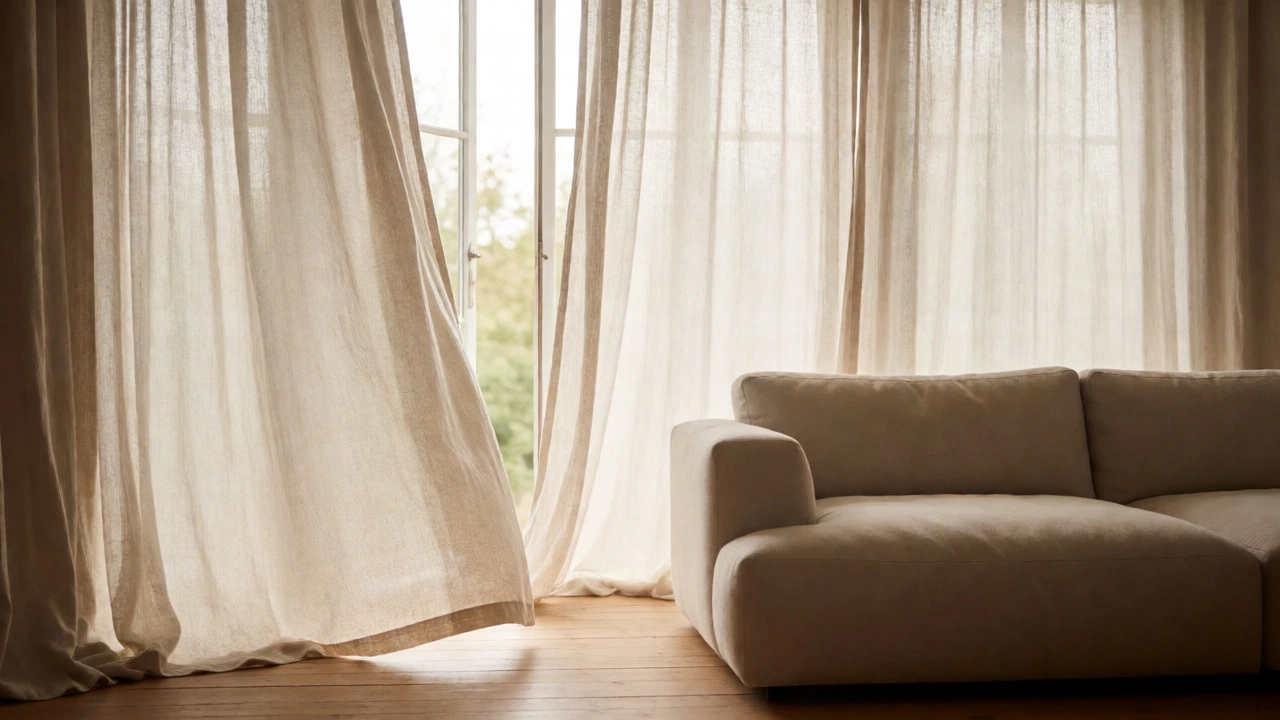
If we had to crown a single winner for the most requested curtain style in modern homes, it would be the Linen-blend curtain. Technically, pure linen is great but wrinkles easily and fades fast in direct sun. That’s why the industry standard has become a blend-usually 55% linen and 45% polyester or viscose. This mix keeps the airy, textured look of natural linen while adding durability and wrinkle resistance.
Why is this so popular? Because it solves the biggest pain point in window dressing: light control versus privacy. Linen blends offer a "soft filter." They let daylight diffuse beautifully into the room without creating harsh shadows, yet they provide enough opacity that neighbors can’t see inside during the day. In Wellington, where the wind whips around buildings and the sun angles change rapidly, this versatility is gold. Homeowners love that these curtains move with the breeze, adding life to a static room.
However, there’s a catch. If you live in a very hot climate or have west-facing windows, linen blends might not block enough heat. For those cases, people often pair them with blackout liners. But for the majority of temperate zones, the unlined or lightly lined linen blend is the go-to choice for its effortless, lived-in charm.
The Luxury Alternative: Velvet Drapes
While linen rules the casual and coastal markets, Velvet drapes dominate the luxury and traditional segments. Once reserved for Victorian parlors and movie theaters, velvet has made a massive comeback thanks to modern manufacturing techniques. Today’s velvet isn’t the heavy, suffocating fabric of the past. Newer synthetic blends (like poly-velvet) are lighter, easier to clean, and surprisingly affordable.
People choose velvet for two main reasons: acoustics and warmth. If you live near a busy street or have high ceilings that echo, velvet absorbs sound significantly better than cotton or linen. It also acts as an insulator. In colder months, thick velvet drapes can reduce heat loss through windows by up to 25%. This makes them a smart investment for energy-conscious homeowners in cooler regions like Dunedin or Christchurch.
The aesthetic appeal is undeniable too. Velvet adds depth and richness to a room. Whether you prefer deep emerald greens, navy blues, or warm terracottas, velvet reflects light in a way that makes colors pop. Just be aware: velvet is heavy. You’ll need sturdy rods and proper installation to support the weight, especially if you’re using wide panels.
The Minimalist Choice: Sheer Voile Panels
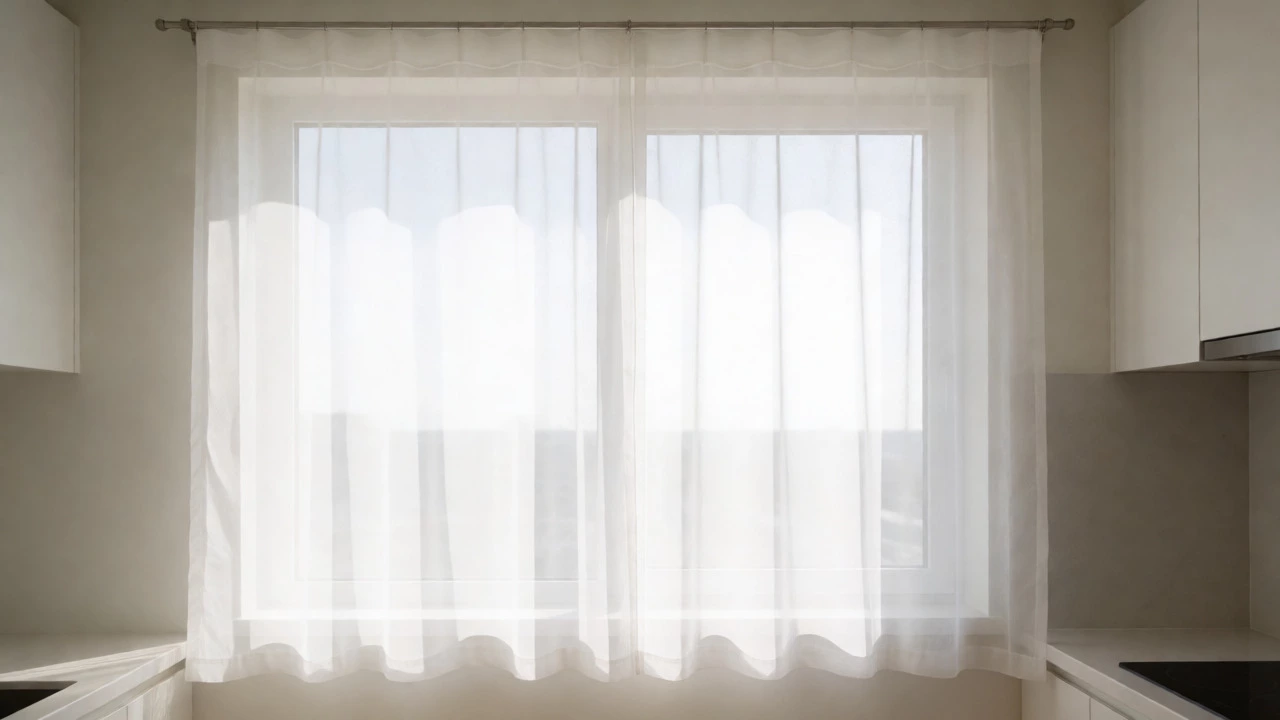
For those who hate clutter and want maximum light, Sheer voile panels are the undisputed favorite. These ultra-thin, translucent fabrics are essentially invisible when hung, yet they soften the hard lines of a window frame and filter glare.
Sheers are particularly popular in smaller apartments or rooms with limited natural light. Since they don’t block sunlight, they keep spaces feeling open and airy. Many renters love them because they’re lightweight, easy to wash, and don’t require heavy-duty hardware. You can hang them on simple tension rods or slim tracks without damaging walls.
The downside? Zero privacy at night. Once the lights go on inside, the transparency effect reverses, and passersby can see straight in. That’s why sheers are rarely used alone unless you live on a high floor or in a rural area. Most people use them as a layer under heavier drapes or blinds.

Comparing the Top Styles
To help you decide which style fits your needs, here’s a quick comparison of the three leading curtain types based on key factors homeowners care about.
| Feature | Linen-Blend | Velvet | Sheer Voile |
|---|---|---|---|
| Best For | Living rooms, bedrooms, coastal homes | Media rooms, cold climates, formal dining | Kitchens, small spaces, layered looks |
| Light Control | Soft diffusion (medium) | High blockage (high) | Minimal filtering (low) |
| Privacy Level | Good daytime, poor nighttime | Excellent day and night | Poor day and night |
| Maintenance | Machine washable (blend), iron needed | Dry clean usually required | Easy machine wash, no iron |
| Average Cost | $$ | $$$ | $ |
Hanging Height Matters More Than Fabric
Here’s a secret interior designers won’t always tell you upfront: the style of the fabric matters less than how you hang it. You could buy the most expensive silk curtains, but if you mount the rod right above the window frame, they’ll look cheap. Conversely, inexpensive cotton panels hung correctly can look bespoke.
The golden rule in 2026 is "high and wide." Mount your curtain rod 4-6 inches above the top of the window casing, not directly on it. Extend the rod 3-6 inches beyond each side of the window frame. When opened, the curtains should stack against the wall, not cover the glass. This trick makes windows appear larger and lets in more light when the curtains are drawn back. If your ceiling is low, mounting the rod close to the ceiling draws the eye upward, making the room feel taller.
Fabric Trends to Watch in 2026
Beyond the basic materials, specific finishes are gaining traction. Textured weaves, such as bouclé or slub cotton, are replacing flat, smooth fabrics. These textures add visual interest without needing bold patterns. Additionally, earth tones remain strong. While bright colors had their moment in the early 2020s, the current preference leans toward muted greens, clay reds, and warm neutrals that complement indoor-outdoor living.
Sustainability is another driver. Consumers are increasingly asking about the origin of their fabrics. Organic cotton, recycled polyester, and hemp blends are becoming more available and competitively priced. If eco-friendliness is a priority for you, look for certifications like OEKO-TEX, which ensures the fabric is free from harmful chemicals.
Common Mistakes to Avoid
Even with the right fabric, mistakes happen. Here are the top pitfalls:
- Under-sizing: Always order curtains wider than your window. Aim for 1.5 to 2 times the window width for fullness. Flat curtains look sparse and cheap.
- Ignoring length: Curtains should either touch the floor gently ("break") or pool slightly ("puddle"). Never leave a gap between the hem and the floor; it cuts the room visually.
- Wrong lining: Unlined curtains fade faster and offer less insulation. If you’re serious about longevity, add a thermal liner even if you don’t need blackout capabilities.
How to Choose Your Style
Still unsure? Ask yourself these three questions:
- Do I need total darkness? If yes, go with velvet or heavy-lined cotton. If no, linen or sheers work fine.
- Is my room prone to dust or allergies? Heavy velvets trap dust. Linens and synthetics are easier to vacuum and wash frequently.
- What’s my budget? Sheers are cheapest, linen blends mid-range, and custom velvet tops the list.
Remember, the most popular style isn’t necessarily the best style for *your* home. Start with your functional needs, then pick the fabric that matches your aesthetic. With the right height, fullness, and texture, any of these options will elevate your space instantly.
Are linen curtains really worth the extra cost compared to polyester?
Yes, for most homeowners. Pure linen is expensive and high-maintenance, but linen-polyester blends offer 90% of the aesthetic benefit for 50% of the cost. They breathe better than pure polyester, reducing condensation on windows, and they drape more naturally. Unless you need strict blackout capabilities or extreme durability in a high-traffic commercial space, the blend is superior value.
How many layers of curtains do I need for a bedroom?
Most bedrooms benefit from two layers: a sheer voile for daytime privacy and light filtering, plus a heavier opaque panel (like linen or velvet) for nighttime privacy and sleep quality. Some people add a third layer-a blackout blind behind the curtains-for complete darkness, especially in summer when days are long.
Can I wash velvet curtains at home?
It depends on the backing. Traditional cotton-backed velvet must be dry-cleaned to prevent shrinking and crushing the pile. However, modern synthetic velvets (polyester-based) are often machine-washable on a gentle cycle. Always check the care label first. If unsure, spot-clean stains and steam-refresh the fabric instead of washing.
What color curtains make a room look bigger?
Light, neutral colors like off-white, beige, or pale gray reflect light and blur the boundary between wall and window, making the room feel more expansive. Hanging curtains high and wide also enhances this effect. Dark colors absorb light and can make small rooms feel cozier but potentially smaller.
Do sheer curtains provide UV protection?
Standard sheer voiles offer minimal UV protection, blocking only about 10-20% of rays. To protect furniture from fading, look for sheers specifically labeled as "UV-filtering" or pair them with UV-blocking window films or blinds. Without added treatment, delicate fabrics like silk or wool near sunny windows will fade quickly.