What is the Last Mile Delivery Risk? A Practical Guide
Last Mile Delivery Risk & Cost Estimator
Enter your daily volume and current performance metrics to calculate the potential cost savings from mitigating last mile risks.
You know that feeling when you track a package and it’s stuck on "Out for Delivery" all day, only to arrive late or not at all? That gap between your warehouse door and the customer’s hands is where most of the money leaks out of modern supply chains. It’s called last mile delivery, and it accounts for up to 53% of total shipping costs. But cost isn’t the only problem. The real headache is the unpredictability.
If you run an online store or manage a fleet, you’ve likely faced the frustration of failed attempts, damaged goods, or angry customers who never got their order. This isn’t just bad luck; it’s a structural issue with how we move goods in dense urban areas and remote suburbs alike. Understanding what drives these risks helps you fix them before they eat your profit margins.
The Core Definition: Why Is This Stage So Fragile?
Think of long-haul shipping like moving water through a large pipe. It’s efficient, predictable, and cheap per unit. Now imagine trying to pour that same water into thousands of tiny cups using a spoon, while navigating traffic, rain, and dogs that want to bite your ankles. That’s last mile delivery. It is the final step in the logistics process where goods are transported from a distribution center to the end customer.
The fragility comes from fragmentation. Instead of one truck carrying 10,000 items to one hub, you have hundreds of vans each making 100+ stops. Each stop introduces new variables: gate codes, parking restrictions, weather changes, and human error. When you multiply small errors by millions of packages, you get massive operational risk.
Operational Risks: The Daily Grind
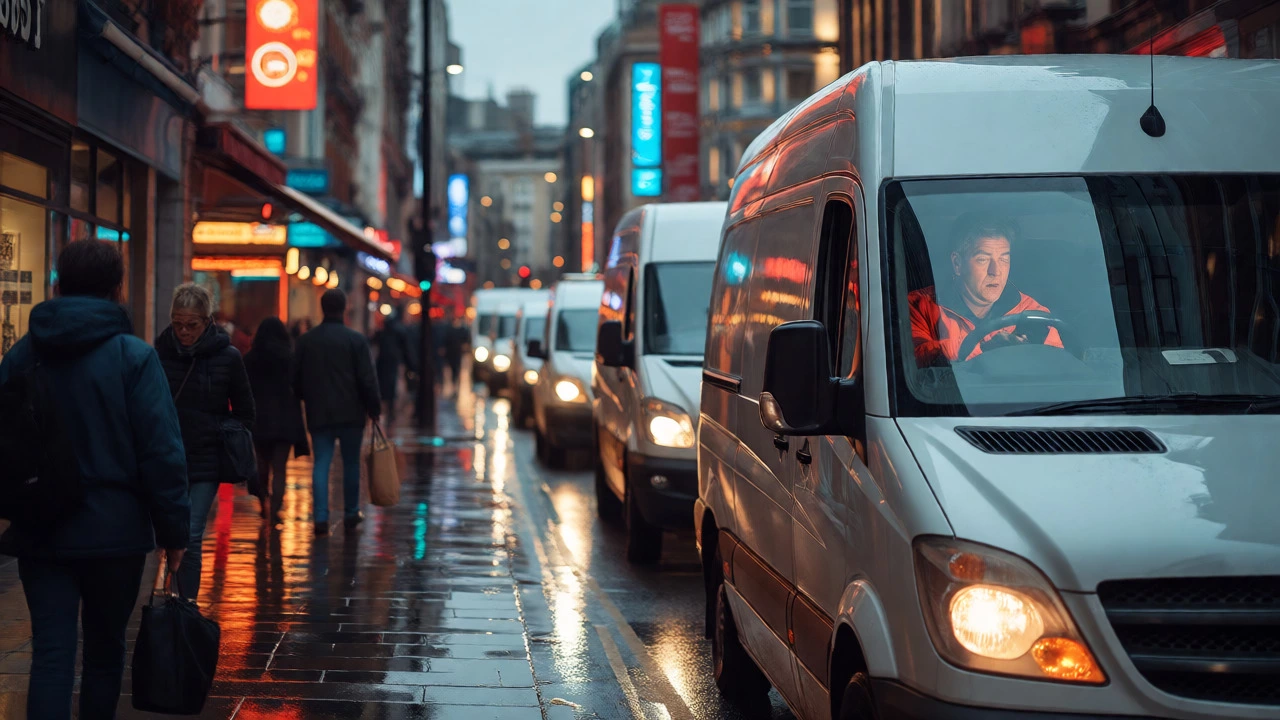
The biggest threat to your bottom line usually isn’t a storm; it’s inefficiency. Route optimization failures are common because real-world conditions rarely match digital maps. A driver might hit unexpected road closures, construction zones, or heavy congestion that wasn’t flagged in the morning briefing.
- Traffic Unpredictability: In cities like Wellington or Auckland, traffic patterns shift hourly. A route planned for 9 AM might take twice as long at 4 PM.
- Driver Fatigue and Turnover: High turnover rates mean less experienced drivers who don’t know local shortcuts or building access protocols.
- Vehicle Breakdowns: Older vans break down more often. One broken vehicle can disrupt deliveries for dozens of customers if there’s no backup plan.
You might think hiring more drivers solves this, but without smart routing software, you’re just adding fuel costs. The key is dynamic rerouting-systems that adjust paths in real-time based on live data, not static plans made hours ago.
Financial Exposure: Where the Money Goes
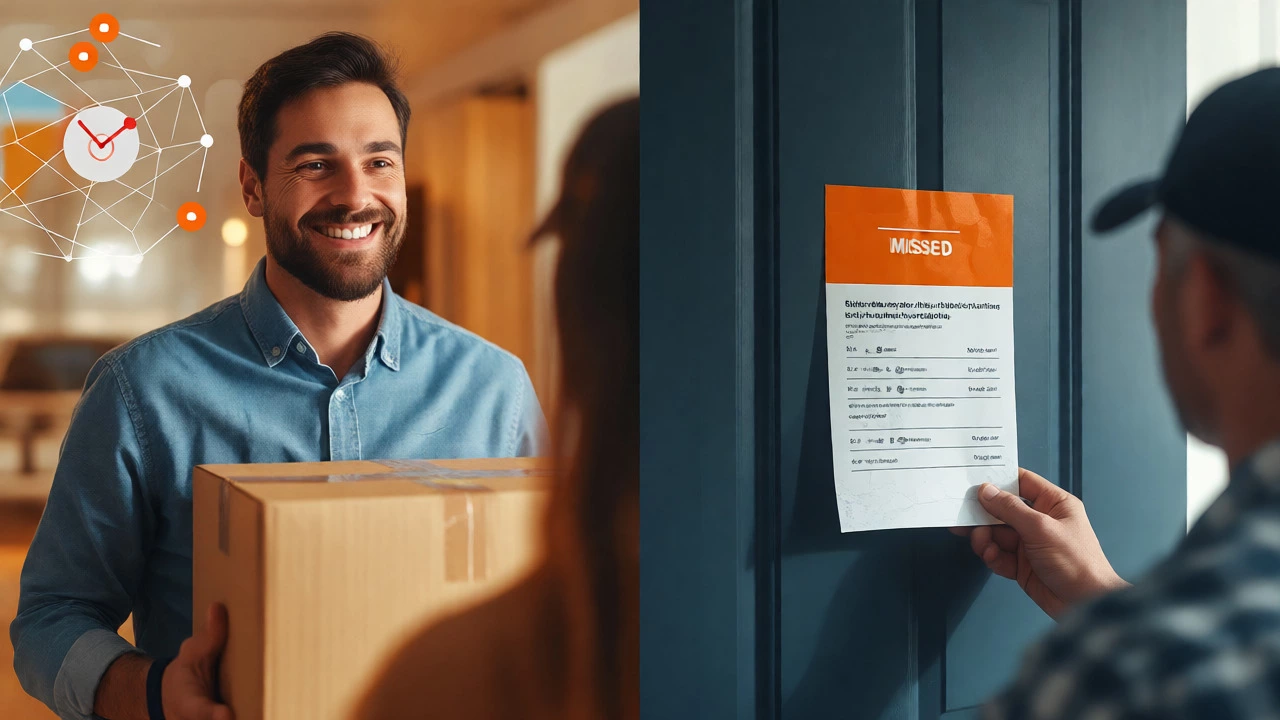
Failed deliveries are expensive. If a customer isn’t home, the driver leaves a card. Then you have to reschedule. This second attempt doubles the labor and fuel cost for that single package. Industry data suggests that failed first-attempt deliveries can increase shipping costs by 20-30% per affected parcel.
| Risk Factor | Direct Cost Impact | Indirect Business Impact |
|---|---|---|
| Failed Delivery Attempt | +20-30% shipping cost | Customer churn, negative reviews |
| Package Damage/Loss | Refund + Replacement cost | Brand reputation damage |
| Address Errors | Manual correction labor | Delayed fulfillment times |
| Peak Season Surges | Overtime pay, temporary staff | Service level agreement breaches |
Beyond direct costs, consider the hidden expense of returns. If a package arrives damaged because it was thrown over a fence (a common tactic to avoid walking to the door), the customer will return it. Processing a return often costs more than the original shipping fee did.
Technological Gaps and Data Silos
Many businesses still rely on spreadsheets or basic tracking numbers that update only when scanned. This creates a blind spot. You don’t know if a driver is stuck behind a garbage truck until three hours later. Real-time visibility is missing in many mid-sized logistics operations.
Without accurate GPS tracking and customer communication apps, you’re guessing. Customers hate guessing too. They want to know exactly when the driver will arrive. If your system can’t provide a 1-hour window, you’re already losing trust. Integration issues between your e-commerce platform, warehouse management system, and carrier API also cause delays. If the address format doesn’t match what the carrier expects, the package sits in a sorting facility for days.
External Factors: Weather and Geography
We live in a world where climate change is altering delivery patterns. In New Zealand, sudden storms can shut down roads quickly. In other regions, extreme heat affects battery life for electric vehicles or causes asphalt to soften, complicating parking. These aren’t rare anomalies anymore; they’re part of the standard operating environment.
Geography plays a huge role too. Urban high-rises require security clearance and elevator time. Rural routes involve long distances between stops, increasing fuel consumption per drop-off. There is no one-size-fits-all solution. A strategy that works in downtown Wellington fails completely in rural Canterbury.
Mitigation Strategies: How to Reduce Risk
You can’t eliminate all risks, but you can manage them. Start by diversifying your carrier mix. Don’t put all your eggs in one basket. Use national carriers for reliability and local couriers for speed and flexibility.
- Implement Address Validation: Clean your data at checkout. Tools that verify addresses against postal databases prevent 80% of address-related failures.
- Offer Flexible Delivery Options: Let customers choose pickup points, lockers, or specific time slots. This reduces the chance of missed connections.
- Use Predictive Analytics: Analyze historical data to predict which customers are likely to miss deliveries. Send proactive SMS alerts to those users before the driver arrives.
- Incentivize First-Time Success: Offer small discounts for customers who provide detailed delivery instructions (e.g., "Leave behind the blue bin").
Also, consider micro-fulfillment centers. Placing inventory closer to high-density customer areas cuts down travel time significantly. It’s not just about faster shipping; it’s about fewer miles driven, which means fewer chances for something to go wrong.
The Human Element: Communication is Key
Technology helps, but people close the deal. Drivers who communicate well reduce anxiety. A quick photo of the delivered package sent via SMS reassures the customer instantly. Without this proof, you face "where is my stuff?" tickets that drain support resources.
Train your drivers-or your third-party providers-to handle difficult situations gracefully. Sometimes a dog barks, sometimes the gate is locked. A polite call ahead can save a failed attempt. Remember, the driver represents your brand, not just the courier company. Their behavior impacts your Net Promoter Score directly.
Why is last mile delivery so expensive compared to other stages?
Last mile delivery lacks the economies of scale found in bulk transport. Moving one package to one house requires significant labor and fuel relative to the value of the item. Unlike a truckload shipment, each stop requires stopping, starting, walking, and interacting, which consumes disproportionate time and resources.
How does failed delivery impact customer retention?
High failure rates erode trust. Studies show that 60% of consumers are unlikely to shop with a retailer again after a poor delivery experience. Consistent failures signal unreliability, prompting customers to switch to competitors who offer more predictable service windows or better tracking.
Can technology alone solve last mile risks?
No. While AI-driven routing and real-time tracking help, they cannot account for every physical variable like a locked gate or a sick recipient. Technology must be paired with flexible policies, such as easy rescheduling options and clear communication channels, to mitigate human-centric risks.
What is the role of address validation in reducing risk?
Address validation ensures that the location data entered by the customer matches the carrier’s database. Incorrect formats, missing apartment numbers, or typos cause delays and misdeliveries. Automated validation at checkout prevents these errors before the package even leaves the warehouse.
How do peak seasons affect last mile delivery risks?
During peaks like Black Friday or Christmas, volume spikes overwhelm capacity. This leads to slower processing, higher error rates, and increased theft or loss opportunities. Carriers may also impose surcharges, raising costs. Pre-planning with extra staff and diversified carriers helps absorb these shocks.