What is the Largest Warehouse in the United States? Inside the Massive Distribution Hubs
US Mega-Warehouse Comparison Tool
Explore how the top US mega-warehouses compare in terms of physical footprint, operational focus, and technological integration. Select a facility to view detailed metrics.
Approximate Size
~1,000,000+ Sq Ft
Primary Operator
Amazon
Key Feature
High-density robotics integration
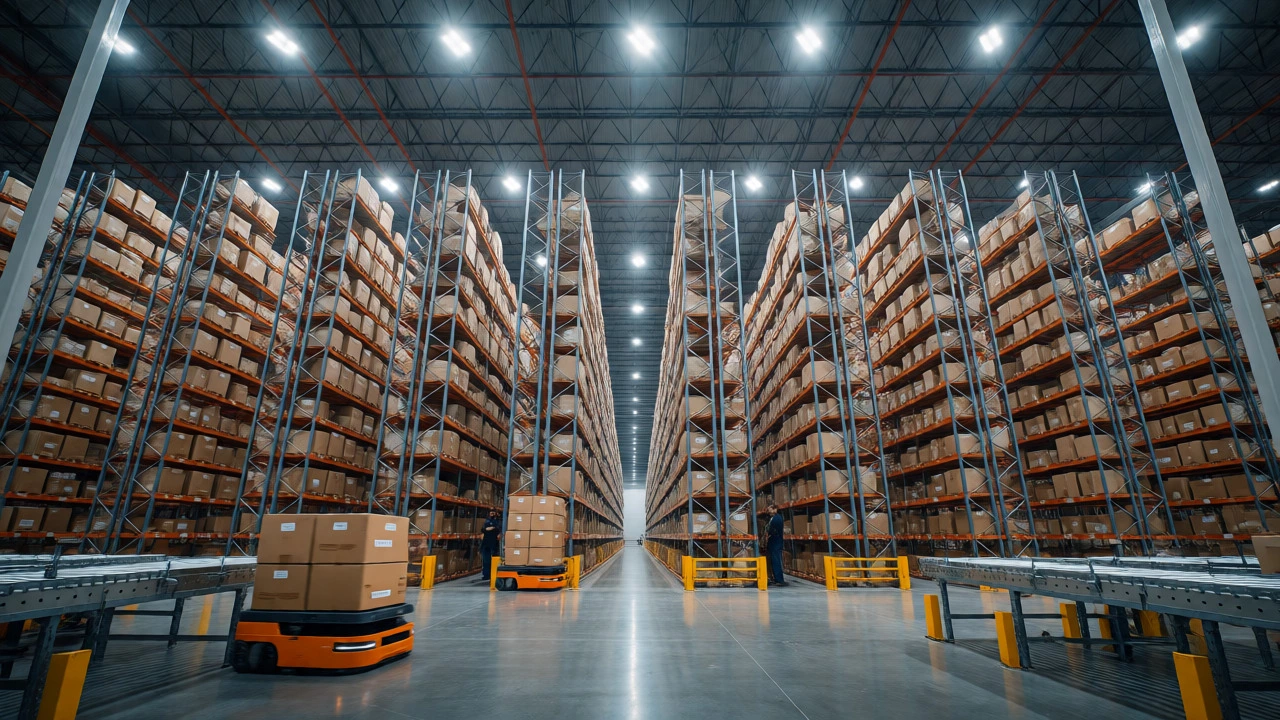
You might picture a big box store’s backroom when you hear "warehouse." But the reality of modern American logistics is closer to an airport terminal crossed with a robotic assembly line. The question of what is the largest warehouse in the United States isn't just about square footage; it's about understanding how goods move at a speed that makes traditional storage look like a hobby.
The answer shifts depending on whether you count single-building footprints or multi-building campuses. As of late 2026, the title for the largest single-building warehouse generally belongs to massive e-commerce fulfillment centers operated by giants like Amazon and Walmart. These aren't just sheds; they are automated ecosystems where algorithms dictate every step of the journey from shelf to shipping label.
Defining "Largest": Footprint vs. Capacity
Before we name names, we need to clear up a common confusion. When people ask about the biggest warehouse, they usually mean one of two things: physical size (square feet) or operational capacity (how many items it can handle per day). A building can be huge but inefficient, while a slightly smaller facility packed with advanced logistics software that optimizes picking routes and inventory placement might actually ship more boxes per hour.
Most industry rankings focus on gross floor area. By this metric, the competition is fierce among retail titans who have built facilities larger than some small towns. However, true dominance comes from throughput-the number of units shipped daily. This is where technology meets concrete.
The Top Contenders for Largest Warehouse Status
While private companies rarely publish exact real-time data, industry reports from firms like CBRE and JLL highlight several facilities that consistently top the list. Here are the heavy hitters currently vying for the crown.
| Facility Name / Location | Approx. Size (Sq Ft) | Primary Operator | Key Feature |
|---|---|---|---|
| Amazon Fulfillment Center (LTN1) | ~1,000,000+ | Amazon | High-density robotics integration |
| Walmart Distribution Center (Buckeye) | ~950,000 | Walmart | Cross-docking efficiency |
| Costco Wholesale (Kent Valley) | ~850,000 | Costco | Bulk pallet handling |
| Home Depot DC (Atlanta) | ~750,000 | Home Depot | Specialized bulky item storage |
Notice that Amazon often leads in total network size, but individual buildings vary. The LTN1 facility in California, for example, has been cited in various logistical case studies as one of the most advanced and expansive single-site operations. It doesn't just store stuff; it processes millions of transactions using complex algorithms that predict demand before orders are even placed.
How Technology Makes Big Warehouses Work
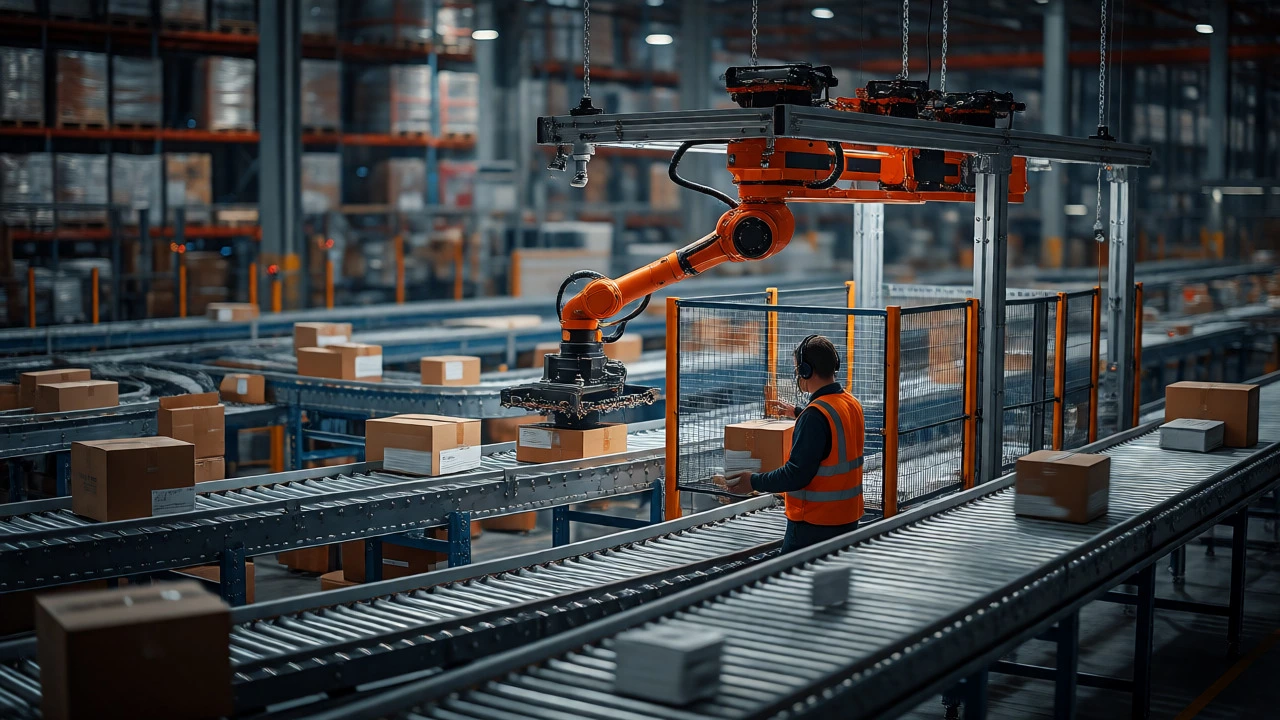
You can’t run a million-square-foot building with clipboards and human memory alone. If you tried, you’d lose inventory faster than you could find it. This is why Warehouse Management Systems (WMS) are critical. These platforms act as the brain of the operation, telling workers exactly where to go and what to pick.
In these mega-facilities, automation plays a huge role. Robots like those from Kiva Systems (now part of Amazon Robotics) bring shelves to humans rather than making humans walk miles to find shelves. This reduces travel time, which is the biggest bottleneck in any warehouse. Without this tech, a building this large would be a logistical nightmare.
- Automated Guided Vehicles (AGVs): Move goods without human drivers.
- Voice-Picking Technology: Hands-free instructions keep workers focused.
- Real-Time Inventory Tracking: RFID tags update stock levels instantly.
Why Size Matters in Modern Supply Chains
Why do companies build these behemoths instead of spreading out into smaller hubs? Economies of scale. A single massive warehouse allows a company to consolidate inventory, reducing the risk of stockouts in one region while having excess in another. It also lowers shipping costs because packages originate from fewer, more efficient points.
However, bigger isn't always better. Large warehouses face higher risks if a system fails. If the conveyor belt stops in a million-square-foot facility, thousands of orders halt. That’s why redundancy and robust supply chain management strategies are essential. Companies must balance the cost savings of centralization with the resilience of decentralization.
Challenges of Managing Mega-Facilities
Running a warehouse the size of ten football fields comes with unique headaches. Labor shortages are a constant threat. Finding enough skilled workers to operate machinery and manage inventory in remote industrial parks is tough. Many companies now invest heavily in training programs and better wages to retain staff.
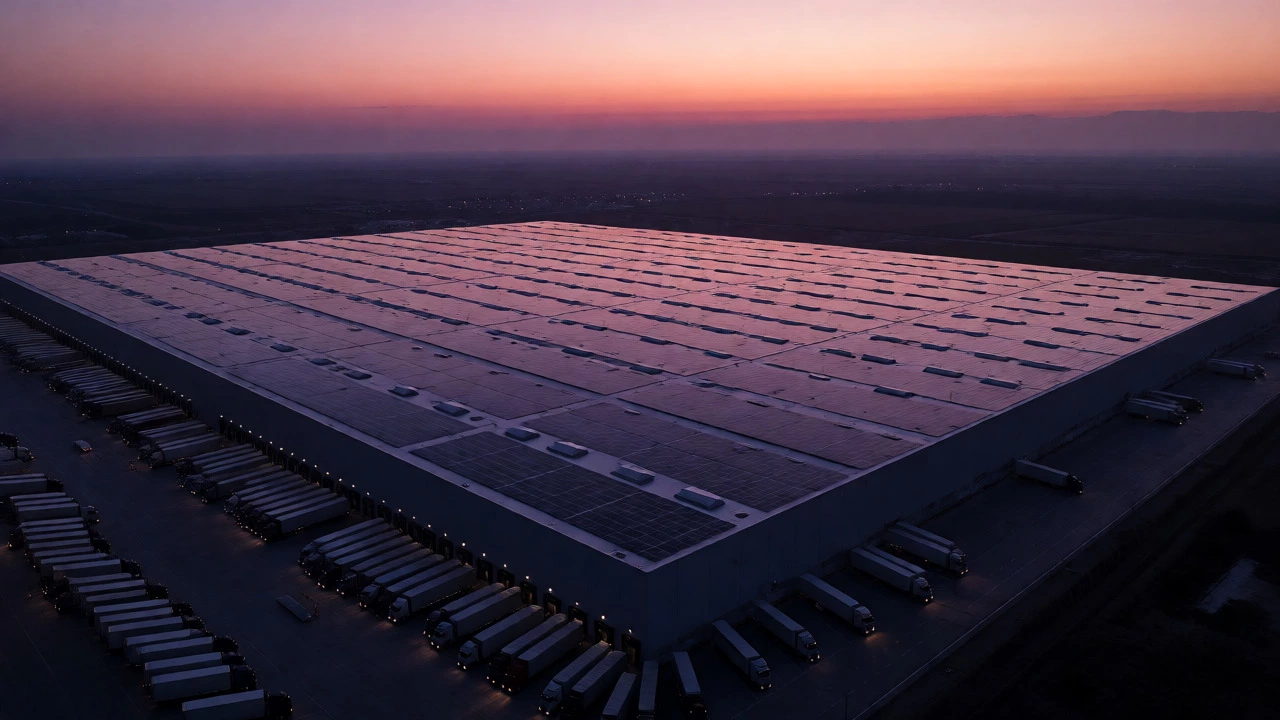
Energy consumption is another major issue. Lighting, heating, cooling, and powering robots in such vast spaces requires significant electricity. Green initiatives are becoming standard, with solar panels on roofs and LED lighting systems cutting down utility bills. Sustainability isn't just good PR; it’s a necessity for keeping operating costs manageable.
The Future of Warehouse Scale
Will we see even larger warehouses? Probably not much bigger in terms of single-building footprint due to practical limits on distance and safety. Instead, the trend is toward smarter networks. We’re seeing more micro-fulfillment centers near urban areas to speed up last-mile delivery, complementing the giant regional hubs.
The definition of "largest" may evolve from pure square footage to digital connectivity. The warehouse that wins next year won't just be the biggest building; it will be the one with the best data integration, connecting seamlessly with carriers, suppliers, and customers through cloud-based platforms.
Which company owns the largest warehouse in the US?
Amazon typically holds the record for the largest overall warehouse network and several individual mega-facilities. Walmart and Costco also operate massive distribution centers that rival Amazon's in size, particularly for bulk goods.
How big is the average large warehouse?
A "large" warehouse is generally considered to be over 100,000 square feet. Mega-warehouses, like those discussed here, exceed 500,000 to 1,000,000+ square feet.
Do bigger warehouses mean faster shipping?
Not necessarily. While they offer economies of scale, proximity to customers matters more for speed. That's why companies use a mix of large regional hubs and smaller local fulfillment centers.
What technology is used in these large warehouses?
They rely on Warehouse Management Systems (WMS), automated guided vehicles (AGVs), robotic arms, barcode scanners, and AI-driven predictive analytics to manage inventory and routing efficiently.
Are there environmental concerns with these mega-warehouses?
Yes, primarily regarding energy usage and traffic congestion from trucks. Operators are increasingly adopting solar power, electric fleets, and green building certifications to mitigate their carbon footprint.