What Is the Black Stuff on the Bottom of a Pan? Causes and Fixes
Pan Bottom Rescue Calculator
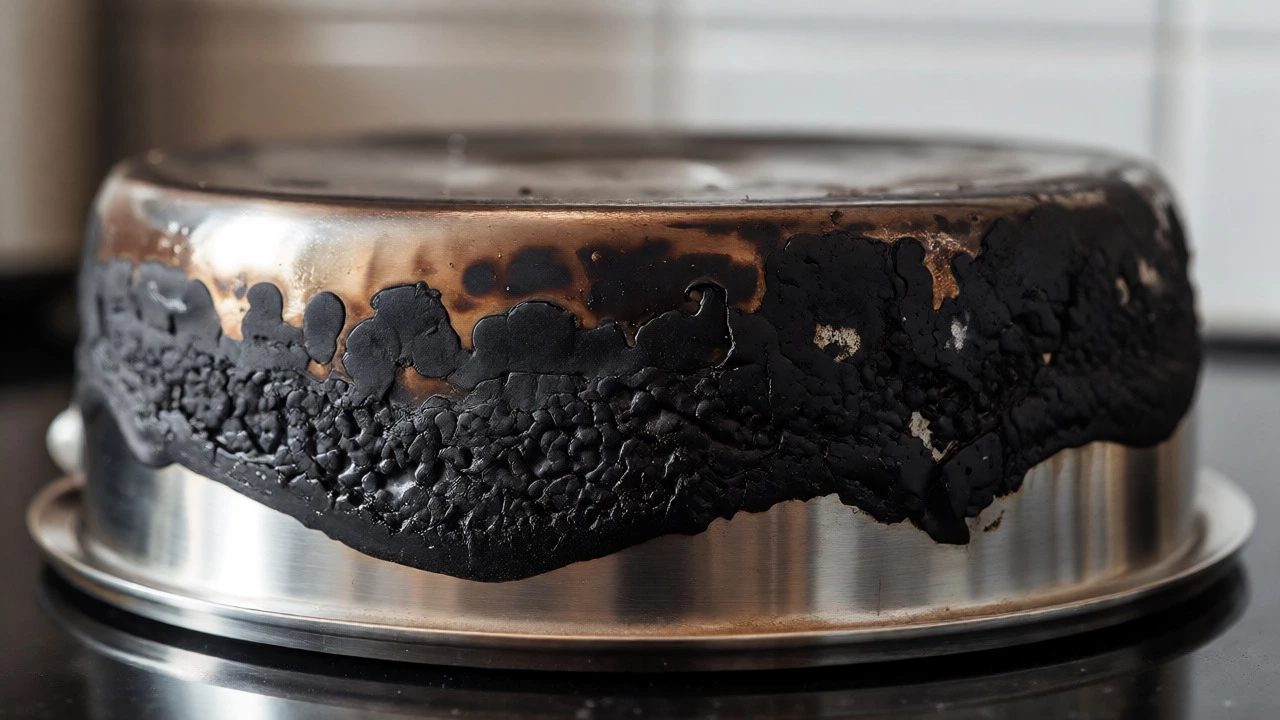
You pull a perfectly good saucepan out of the dishwasher, flip it over, and see it: a thick, crusty layer of black grime clinging to the base. It looks like tar. It feels like sandpaper. You might be tempted to toss the pan, thinking it’s ruined or that you’re cooking in toxic sludge every night. But before you hit the bin, know this: that black stuff is rarely dangerous, and almost always removable.
This isn’t just about aesthetics. That buildup affects how heat transfers to your food, can cause uneven cooking, and sometimes even leaks onto your stovetop or oven floor. Understanding what it actually is-and why it forms-is the first step to keeping your kitchen gear looking new for years, not months.
The Chemistry of Carbonization
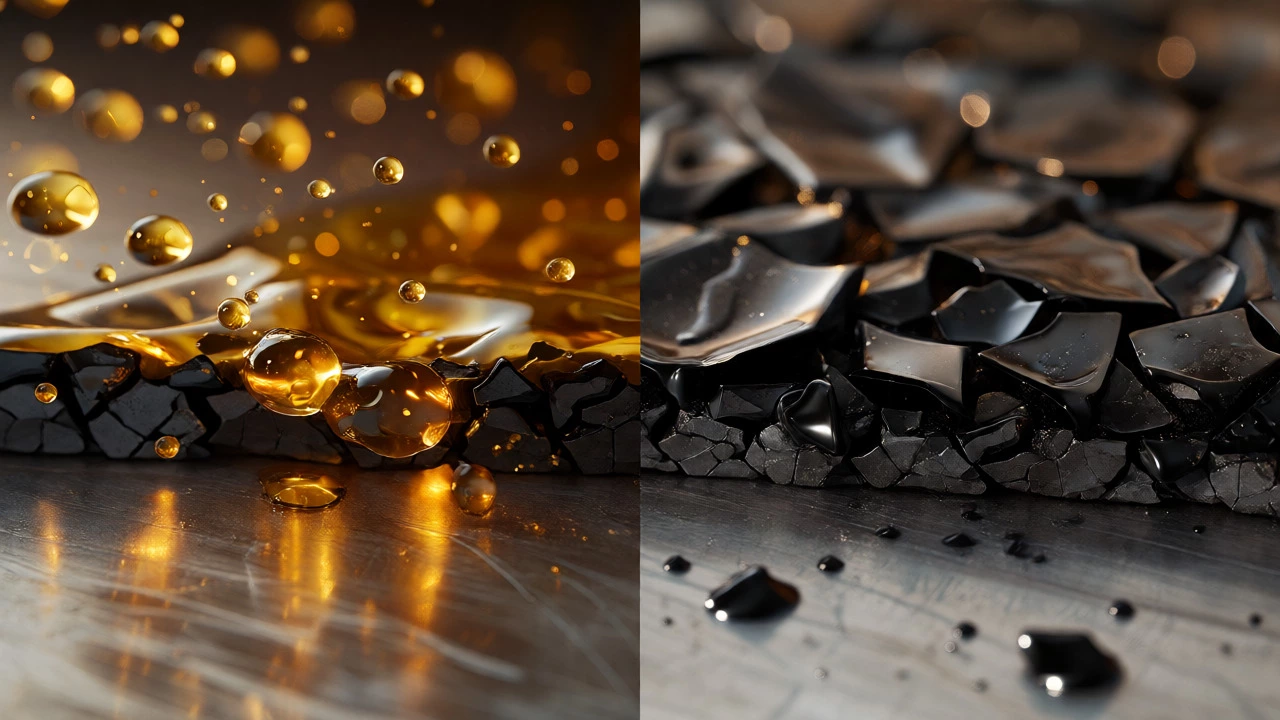
Let’s cut through the mystery. That black layer is primarily carbonized organic matter, mixed with polymerized oils and mineral deposits from hard water. When you cook, tiny droplets of oil and microscopic bits of food splatter onto the hot exterior of the pan. If the temperature exceeds the smoke point of the oil (usually around 375°F or 190°C for many common cooking oils), the oil doesn’t just burn; it undergoes a chemical change called polymerization. The liquid turns into a hard, plastic-like resin that bonds tightly to the metal surface.
Over time, this resin traps dust, grease from other foods, and airborne particles. It layers up, getting thicker and darker with each use. This process is identical to what happens inside an oven during self-cleaning cycles, except here, it happens slowly, unnoticed, until one day you look at the bottom and wonder what happened.
| Component | Source | Texture/Appearance |
|---|---|---|
| Polymerized Oil | Cooking fats overheating | Hard, glossy, sticky when warm |
| Carbonized Food | Splattered sauces or veggies | Crumbly, matte black |
| Mineral Scale | Hard water evaporation | White/grey chalky spots under black |
| Dust & Grime | Kitchen air particles | Gritty, embedded in layers |
Is It Toxic?
This is the question everyone asks first. "Am I eating poison?" The short answer is no. The carbon itself is inert. It’s essentially charcoal. While inhaling fine carbon dust isn’t great for your lungs, touching it or having small flakes fall off won’t harm you if they end up in your sink. However, the real issue isn’t toxicity-it’s hygiene and efficiency.
If you have a non-stick pan, the situation changes slightly. Most modern non-stick coatings are PTFE-based (polytetrafluoroethylene). If the black buildup is on the outside, it’s harmless. But if you see flaking on the inside, that’s different. Flaking PTFE is generally considered safe by health authorities because it passes through the body undigested, but it signals that the coating is failing. At that point, you should replace the pan, not because of toxicity, but because food will start sticking everywhere.
Why Does It Happen So Fast?
You might notice some pans get dirty faster than others. It comes down to three factors: material, heat management, and stove type.
Stainless steel pans are notorious for attracting this grime because their shiny surfaces show every smudge, and they conduct heat so efficiently that spills burn instantly. Cast iron behaves differently. Because cast iron is porous and often seasoned, the black layer blends into the existing seasoning, making it less obvious but potentially harder to scrub without stripping the pan.
Your stove plays a huge role too. Gas stoves produce open flames that lick up the sides of pots, burning oil splatters directly onto the exterior walls. Electric coil stoves trap spilled liquids underneath the element, which then bake onto the pot bottoms when you put them back. Induction hobs are cleaner, but if you slide a heavy pan across the glass top, you can create friction marks that collect dirt.
The Best Ways to Remove the Buildup
Scrubbing with a sponge rarely works. You need chemistry or abrasion. Here are the most effective methods, ranked from gentle to aggressive.
1. The Baking Soda Paste Method
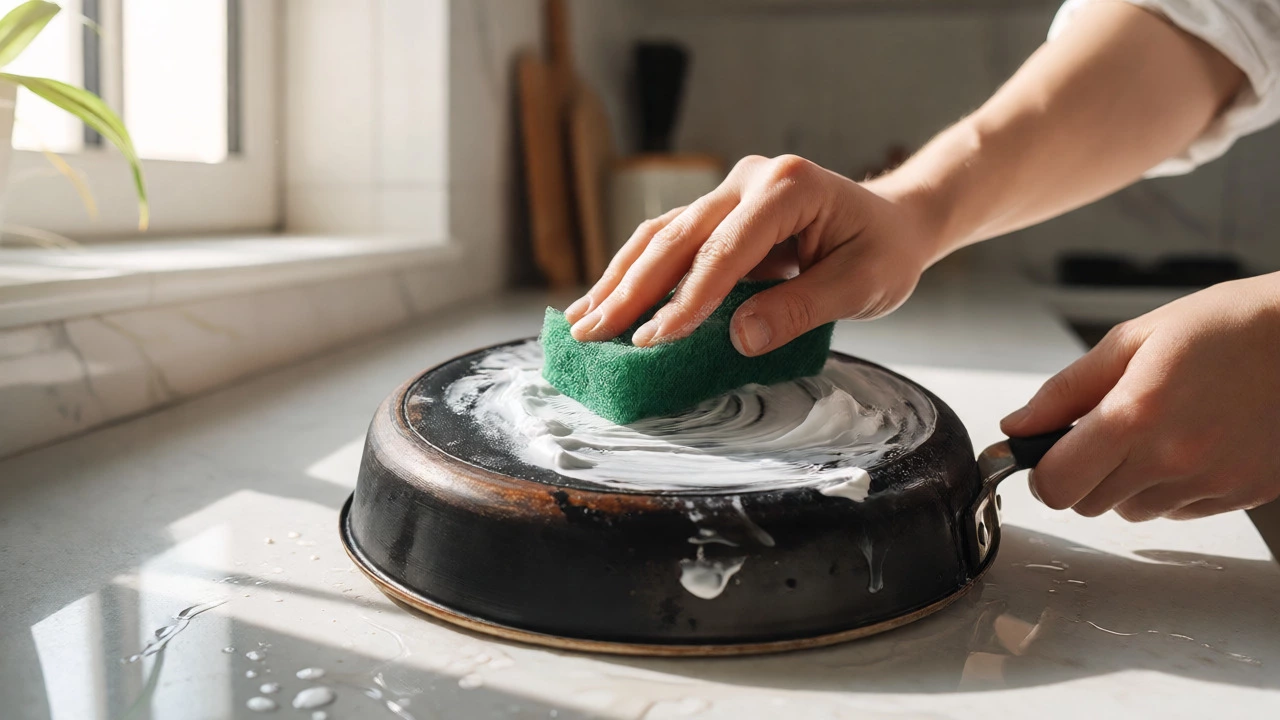
This is your go-to for moderate buildup. Mix baking soda with a little water to form a thick paste. Spread it generously over the black areas. Let it sit for at least 30 minutes, or overnight for tough cases. The alkaline nature of baking soda helps break down the acidic polymerized oils. Afterward, scrub with a non-scratch scouring pad. For stainless steel, you can use a more abrasive green pad.
2. Vinegar and Heat
If the gunk is stubborn, acidity helps. Fill a large pot or sink with equal parts white vinegar and water. Submerge the affected pan bottoms and bring the solution to a boil on the stove. Let it simmer for 15-20 minutes. The heat loosens the bond between the carbon and the metal. Once cooled enough to handle, wipe away the residue. You’ll likely see chunks of black flake right off.
3. Bar Keeper’s Friend (Oxalic Acid)
For stainless steel pans where home remedies fail, reach for a powder containing oxalic acid, such as Bar Keeper’s Friend. This is a pro-level cleaner. Make a paste, apply it, and let it work for 10-15 minutes. Oxalic acid reacts specifically with iron oxide and carbon compounds, lifting stains that baking soda misses. Rinse thoroughly, as oxalic acid can leave a metallic taste if left behind.
4. The Oven Cleaner Trick
Yes, really. If you have a gas stove and the pans are heavily coated, you can place them in the oven while running the self-clean cycle. The extreme heat (around 900°F) incinerates the organic matter, turning it to ash. Be cautious: this can warp thin aluminum pans and may damage handles made of plastic or wood. Only do this with all-metal cookware.
Preventing Future Buildup
Cleaning is annoying. Prevention is easy. The goal is to stop the oil from reaching the exterior in the first place.
- Wipe the bottoms immediately: Keep a paper towel handy while cooking. If you spill oil on the side of the pan, wipe it off before it heats up and bakes on.
- Use lower heat: Many people run burners on high unnecessarily. Medium heat cooks just as fast for most tasks and produces fewer splatters.
- Choose the right burner size: A flame or coil larger than the pan bottom spreads heat to the sides, increasing the chance of scorching oil there.
- Clean regularly: Don’t wait for a thick crust to form. A quick wipe-down after every few uses prevents layers from building up.
Special Considerations for Different Pan Types
Not all pans react the same way to cleaning agents. Aluminum pans, for instance, oxidize quickly. Using harsh acids on bare aluminum can darken the metal further, though it removes the grime. Anodized aluminum is tougher and resists staining better.
Copper pans require special care. The black buildup might actually be tarnish (copper oxide), not just food residue. Commercial copper cleaners or a lemon-and-salt rub work best here. Avoid abrasive powders that scratch the soft metal.
Non-stick pans usually have a ceramic or PTFE coating on the outside too. Scrubbing these with steel wool can ruin the finish, leading to rust or peeling later. Stick to baking soda pastes and soft sponges for the exterior of non-stick cookware.
When to Replace Your Pan
Sometimes, the black stuff is a symptom of deeper damage. If the bottom of the pan is warped (it wobbles on a flat stove), no amount of cleaning will fix the contact issue. Heat distribution will remain poor. Similarly, if the black layer has caused pitting or corrosion in the metal beneath, structural integrity is compromised.
In Wellington, where tap water is relatively soft compared to other regions, mineral scale is less of a concern, but oil polymerization remains universal. If your pan is decades old and the base is severely eroded, it might be time to retire it. Otherwise, keep it. Good cookware lasts a lifetime if maintained properly.
Can I wash the bottom of my pan in the dishwasher?
Yes, but dishwashers rarely remove baked-on carbon buildup effectively. The detergent is designed for fresh food residues, not polymerized oils. For best results, pre-soak the pan in hot soapy water or use a baking soda paste before loading it into the machine.
Does baking soda damage stainless steel?
No, baking soda is mildly abrasive and alkaline, which makes it safe for stainless steel. It helps lift grime without scratching the surface significantly. Just ensure you rinse it off completely to avoid any residual gritty texture.
Why is my induction hob getting dirty from pan bottoms?
Induction hobs rely on magnetic fields, but physical contact still occurs. If pan bottoms are dirty, that grime transfers to the glass surface under pressure and heat. Always clean the bottom of your pans before placing them on an induction cooktop to prevent permanent staining of the hob.
Is the black residue harmful if it gets into my food?
Generally, no. The residue is mostly carbon and polymerized fat, which are not toxic in small amounts. However, it tastes bitter and unpleasant. If large flakes fall into your stew or soup, it’s best to skim them out for flavor reasons, not safety concerns.
How often should I deep clean my pan bottoms?
It depends on usage frequency. For daily cooks, a quick wipe-down after every use is ideal. A full deep clean with vinegar or baking soda is recommended once a month to prevent buildup from becoming difficult to remove.