What is Pallet Pricing? A Guide to Costs and Structures
Pallet Shipping Cost Estimator
Ever stared at a shipping quote and wondered why sending one box costs $15 but a full pallet can jump to hundreds or even thousands of dollars? It’s not just about weight. It’s about space, handling, and how carriers calculate value. Understanding what drives these numbers saves you money and prevents budget surprises.
Pallet pricing refers to the specific cost structure used by logistics providers to transport goods on standard wooden or plastic platforms. Unlike parcel delivery, which charges per unit or weight tier, pallet services charge based on volume, distance, and service level. Whether you are a small business sending inventory to a warehouse or an e-commerce brand fulfilling B2B orders, knowing how this math works is your best defense against overpaying.
Key Takeaways
- Pallet rates are primarily driven by cube size (volume) and distance, not just weight.
- Full pallets usually cost less per cubic meter than partial loads due to higher efficiency.
- Service speed (next-day vs. economy) can double the base rate.
- Hidden fees like fuel surcharges and liftgate access often add 10-20% to the final bill.
How Carriers Calculate Pallet Rates
When you request a quote, the carrier looks at three main variables: origin, destination, and load type. The most common method is the "zone-based" model. Carriers divide their service area into zones. Moving a pallet from Zone 1 to Zone 3 costs more than moving it within Zone 1 because of fuel consumption and driver time.
But zone distance isn't everything. You also have to consider the cube count. A standard Euro pallet holds about 1.2 cubic meters. If your goods only fill half that space, you might still be charged for a full pallet unless you qualify for a "partial pallet" rate. This is where many businesses lose money-they pay for empty air.
| Scenario | Typical Cost Range (NZD) | Key Factor |
|---|---|---|
| Local Delivery (Same City) | $80 - $150 | Minimum dispatch fee |
| National Economy (48-72 hrs) | $250 - $600 | Distance & Fuel Surcharge |
| National Express (Next Day) | $500 - $1,200+ | Priority Handling & Speed |
| Partial Pallet (LTL) | $150 - $400 | Shared Space Efficiency |
Note that these figures fluctuate based on fuel prices and seasonal demand. For example, during peak retail seasons like Black Friday or Christmas, rates often spike by 15-20% due to capacity constraints.
Full Load vs. Partial Load: The Cost Difference
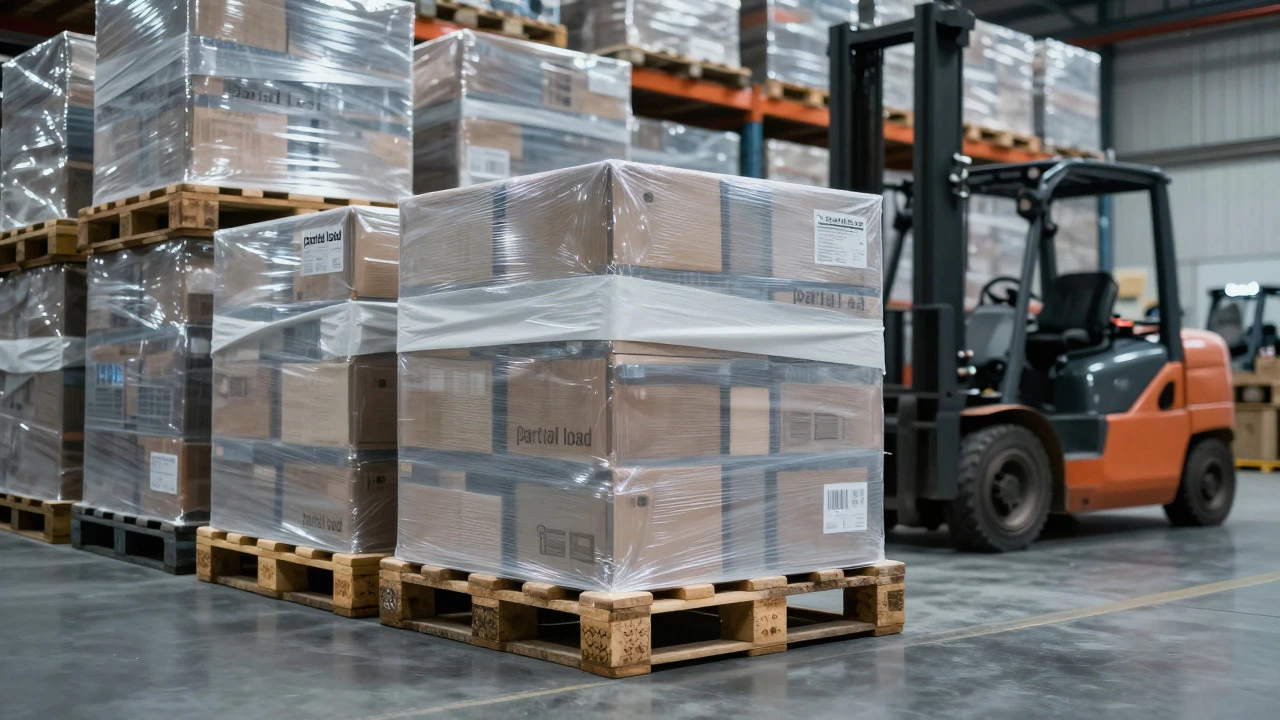
This is the biggest decision point for shippers. A Full Truckload (FTL) means you rent the entire truck or a dedicated section of it. A Less Than Truckload (LTL) or partial pallet means your goods share space with other customers' shipments.
If you have five or more pallets, FTL is almost always cheaper per unit. Why? Because the truck travels directly to your location without stopping to pick up or drop off other people's cargo. With LTL, the truck makes multiple stops. Each stop adds labor and time, which gets factored into your rate.
However, if you only have one or two pallets, LTL is the only viable option. Trying to send a single pallet via FTL would be prohibitively expensive. The trick is to ensure your pallet is built correctly. If your boxes are loose or unstable, the carrier may refuse the shipment or charge a "rebuild fee." Secure wrapping and proper stacking prevent damage and keep your invoice clean.

Hidden Fees That Inflate Your Bill
The base rate is rarely the final price. Several surcharges are standard in the industry, and ignoring them leads to budget gaps. Here are the most common ones:
- Fuel Surcharge: Usually a percentage of the base rate (e.g., 15-25%). This adjusts automatically with oil prices.
- Liftgate Fee: If the delivery address doesn’t have a loading dock, a hydraulic lift is needed. This typically adds $50-$100 per stop.
- Residential Delivery: Business addresses are standard. Delivering to a home or office without commercial receiving hours often incurs a premium.
- Remote Area Surcharge: Rural locations far from major highways cost more to reach.
- Accessorial Charges: This includes detention (waiting for a truck), appointment scheduling, or special handling requirements.
To avoid surprises, ask your logistics provider for a "all-in" quote. This should include all expected surcharges. If they only give you a base rate, assume the final bill will be 10-20% higher.
Factors That Influence Price Fluctuations
Pallet pricing isn't static. It changes based on market conditions. Understanding these drivers helps you time your shipments strategically.
Seasonality plays a huge role. In Q4 (October-December), demand for freight spikes as retailers stock up for holidays. Capacity tightens, and prices rise. Conversely, January and February often see lower rates as demand dips. If your supply chain allows flexibility, shifting non-urgent shipments to off-peak months can save significant money.
Fuel Prices are another direct input. When diesel prices rise, carriers pass that cost on through fuel surcharges. Keeping an eye on energy trends lets you anticipate rate hikes. Some contracts lock in fuel rates for a period, while others adjust monthly. Check which model your provider uses.
Capacity Availability also matters. If a specific route is congested or has limited trucks available, the price goes up. This is common during major events or natural disasters that disrupt infrastructure. Building relationships with multiple carriers ensures you have alternatives when one route becomes too expensive or slow.

How to Negotiate Better Pallet Rates
You don't need to be a large enterprise to negotiate. Even small businesses can leverage volume consistency to get better deals. Here’s how:
- Consolidate Shipments: Instead of sending five small parcels, combine them into one or two pallets. Fewer transactions mean fewer administrative fees and better rate tiers.
- Standardize Packaging: Use uniform pallet sizes and weights. Irregular shapes complicate loading and increase labor costs. Standardization makes your freight easier to handle, which carriers reward with lower rates.
- Offer Predictability: If you ship regularly on set days, tell your carrier. Consistent volume allows them to plan routes efficiently. In return, they’re more likely to offer discounted contract rates.
- Compare Quotes Annually: Don’t stick with one provider out of habit. Get competitive bids every year. The threat of switching often prompts existing partners to improve their terms.
Also, review your data. Track your average shipment weight, volume, and frequency. Present this data to your sales rep. Specifics show you know your stuff, making it harder for them to pad the margins.
Common Mistakes to Avoid
Many businesses overpay simply because they misunderstand the basics. Watch out for these errors:
- Ignoring Dimensional Weight: Light but bulky items are charged by volume, not actual weight. If you ship pillows or foam, expect to pay for the space they occupy.
- Poor Pallet Construction: Loose loads cause delays. If a driver has to re-stack your boxes, they’ll charge for the extra time. Invest in good stretch wrap and corner boards.
- Misclassifying Service Level: Not every shipment needs next-day delivery. Using economy options for non-urgent goods can cut costs by 30-50%.
- Forgetting Insurance: Basic coverage is often included, but high-value goods may need additional insurance. Undeclaring value leads to capped liability claims if goods are damaged.
Avoiding these pitfalls keeps your logistics costs predictable and your operations smooth.
Frequently Asked Questions
What is the cheapest way to ship a pallet?
The cheapest method is Less Than Truckload (LTL) shipping using economy service levels. Consolidating multiple items onto a single pallet also reduces the cost per unit compared to sending individual boxes.
Does pallet size affect the price?
Yes. Standard pallets (like Euro or GMA) have fixed rate structures. Non-standard or oversized pallets often incur additional handling fees because they take up irregular space and require special equipment to move.
How do I know if my shipment qualifies for a discount?
You qualify for discounts by demonstrating consistent volume. If you ship regularly (weekly or monthly), ask for a contract rate. Also, ensuring your pallets are well-built and labeled correctly can prevent hidden fees that act as de facto penalties.
What is a fuel surcharge?
A fuel surcharge is an additional fee added to the base shipping rate to account for fluctuations in fuel costs. It is usually calculated as a percentage of the base rate and adjusts monthly based on national fuel price indices.
Can I track my pallet shipment?
Yes, most modern carriers provide real-time tracking via online portals or apps. You receive a tracking number upon booking. This allows you to monitor the location of your pallet from pickup to delivery, including estimated arrival times.