What Is Not Allowed in Courier: The Complete Prohibited Items List
Courier Prohibited Item Checker
Search Items
Select an item below to check its shipping status.
No Item Selected
Search for and select an item from the list to see if it is allowed for shipping.
Reason:
💡 Shipping Advice
You’ve packed the box. You’ve taped it shut. You’ve even printed the label. But before you hand that package over to a courier service, there’s one critical question that could save you from fines, seized packages, or worse: is what’s inside actually legal to ship? Shipping isn’t just about getting item A to location B; it’s a regulated activity governed by safety laws, customs regulations, and carrier policies.
Whether you’re sending a birthday gift across town or exporting electronics internationally, understanding prohibited items is non-negotiable. Carriers like FedEx, UPS, DHL, and national postal services have strict lists of things they will not touch. Violating these rules doesn’t just mean your package gets rejected at the depot; it can lead to criminal charges, massive fines, or even danger to the delivery drivers and aircraft handling your shipment.
The Quick Summary: What You Can Never Ship
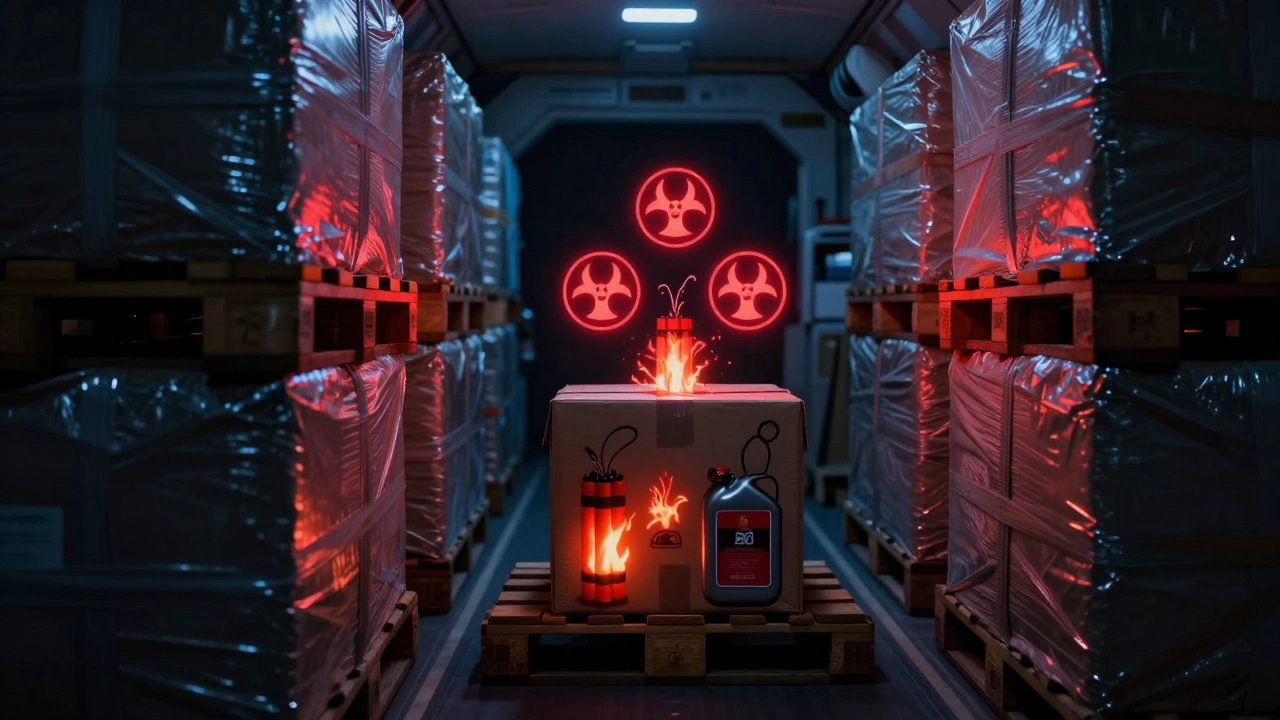
- Explosives and Flammables: Fireworks, gunpowder, gasoline, and lighter fluid are strictly banned due to fire risk.
- Narcotics and Illegal Drugs: No prescription meds without proper documentation, and absolutely no illicit substances.
- Weapons: Firearms, ammunition, and often even replica weapons require special licensing or are totally prohibited.
- Perishable Food: Fresh meat, dairy, and unprocessed plants usually cannot cross borders due to biosecurity risks.
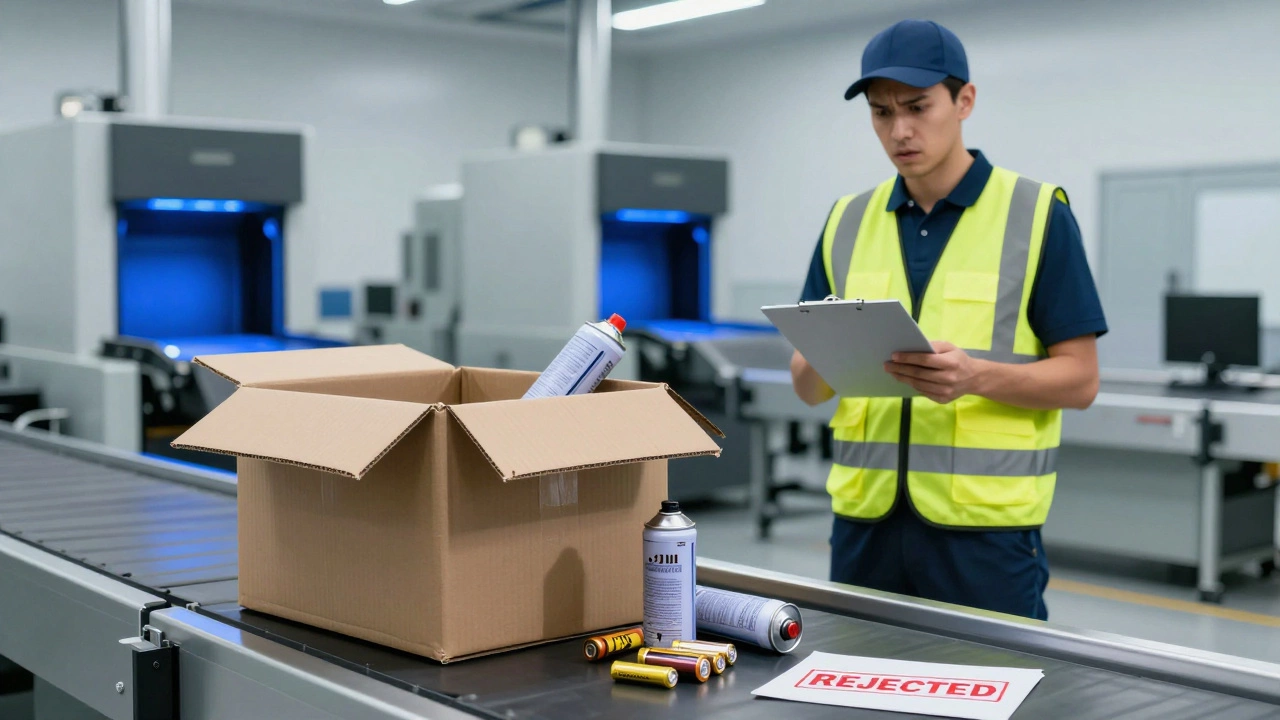
- Hazardous Materials: Lithium batteries (loose), aerosols, and corrosive chemicals need special handling and labeling.
Why Couriers Have Strict Rules on Prohibited Items
It’s easy to view courier restrictions as bureaucratic red tape, but they exist for very real physical reasons. Modern logistics relies heavily on air freight. When a small package is loaded onto a cargo plane, it shares space with hundreds of other items in a confined metal tube flying at 35,000 feet. If a lithium battery shorts out, or if a can of pressurized spray explodes due to pressure changes, the consequences are catastrophic.
Courier companies are bound by international aviation standards set by bodies like the International Air Transport Association (IATA). These standards classify materials into nine classes of dangerous goods. Most standard courier services are not equipped to handle Class 1 (explosives) through Class 9 (miscellaneous hazards). They simply don’t have the specialized containers, trained personnel, or insurance coverage to transport these risks safely.
Beyond safety, there’s the legal layer. Customs agencies in almost every country have zero tolerance for smuggling. If you accidentally include an item that looks like a weapon or contains restricted biological material, customs officers will seize the entire shipment. In many jurisdictions, ignorance of the law is not a valid defense, meaning you could face penalties even if you didn’t intend to break any rules.
Category 1: Explosives, Flammables, and Combustibles
This is the most dangerous category and the most strictly enforced. Anything that can ignite, explode, or intensify a fire is generally off-limits for standard parcel services.
Explosives: This includes fireworks, flares, gunpowder, blasting caps, and smoke bombs. Even "safe" novelty items like party poppers containing flash powder are often rejected because carriers cannot verify their composition visually.
Flammable Liquids and Solids: Gasoline, kerosene, paint thinners, alcohol-based perfumes (above certain concentrations), and naphtha lighters fall here. The key metric is flash point; liquids with a low flash point are too volatile for air transport.
Oxidizers: Substances that release oxygen and fuel fires, such as peroxides and chlorates, are also banned. You might find these in certain bleaching agents or rocket propellants.
If you need to move these items, you must use a specialized hazardous materials logistics provider who complies with IATA DGR (Dangerous Goods Regulations). Standard couriers will refuse them outright.
Category 2: Weapons, Ammunition, and Replicas
Shipping anything resembling a weapon triggers immediate security protocols. Most major couriers prohibit the shipment of firearms, including handguns, rifles, shotguns, and air guns.
Ammunition: Live ammunition, blank cartridges, and shells are typically banned. Some carriers may allow shotgun shells under very specific conditions, but this requires prior approval and special packaging.
Replica and Toy Weapons: This is a gray area that catches many people off guard. Realistic toy guns, especially those that look like military hardware, are often confiscated by customs or refused by carriers due to security concerns. Many countries ban the import of realistic replicas entirely to prevent public panic or misuse.
Self-Defense Items: Pepper spray, mace, and stun guns are considered controlled substances or weapons in many regions. Shipping pepper spray internationally is almost always prohibited because it is classified as a toxic or flammable aerosol.
Category 3: Narcotics, Pharmaceuticals, and Controlled Substances
The line between medicine and contraband is thin and varies wildly by country. Generally, you cannot ship illegal drugs, obviously. But even legal prescriptions come with heavy restrictions.
Prescription Medications: Most couriers will not accept packages containing prescription drugs unless they are shipped via a licensed pharmaceutical logistics partner. This is because temperature control and chain-of-custody documentation are required. Sending your personal supply of antibiotics or painkillers to a friend abroad is likely to result in seizure.
Over-the-Counter (OTC) Drugs: While less regulated than prescriptions, OTC medications containing codeine, pseudoephedrine, or high-dose stimulants are controlled in many countries. For example, cold medicines common in the US might be classified as narcotics in Japan or Australia.
Dietary Supplements: Be cautious with herbal supplements. Ingredients like ephedra or certain steroids are banned in many jurisdictions. Always check the destination country’s health authority guidelines before mailing vitamins or supplements.
Category 4: Perishables, Food, and Biological Materials
Food seems harmless, but it poses significant biosecurity risks. Countries have strict agricultural laws to prevent the spread of pests, diseases, and invasive species.
Fresh Meat and Dairy: Raw meat, unpasteurized milk, cheese made from raw milk, and eggs are generally prohibited in international shipments. Even cooked meats can be banned if they contain fat or bone, as these can carry foot-and-mouth disease or avian flu.
Plants and Seeds: Live plants, soil, seeds, and cuttings require phytosanitary certificates. Without these official documents proving the plant is pest-free, customs will destroy the shipment. This applies to houseplants, garden bulbs, and even bonsai trees.
Liquids and Gels: While not always "perishable," large quantities of liquids can leak and damage other packages. Alcohol, wine, and beer have additional tax and age-restriction hurdles that make them difficult to ship via standard courier channels.
Category 5: Hazardous Electronics and Batteries
Electronics are commonly shipped, but they become prohibited items when they contain loose energy sources. The biggest culprit here is the lithium-ion battery.
Loose Lithium Batteries: You cannot ship spare lithium batteries (like those for phones or laptops) separately. They must be installed in the device they power. Loose batteries are prone to short-circuiting if terminals touch conductive materials, leading to thermal runaway (fires).
Power Banks: Portable chargers are essentially large lithium batteries. Many couriers restrict their watt-hour rating or require them to be packaged in specific ways to prevent accidental activation.
Magnets: Strong magnets can interfere with the navigation systems of aircraft. While small fridge magnets are fine, industrial magnets or large magnetic assemblies may be rejected or require special shielding.
Category 6: Counterfeit Goods, Stolen Property, and Obscenity
Not all prohibited items are physically dangerous; some are legally or ethically restricted.
Counterfeit Items: Shipping fake designer bags, knock-off sneakers, or pirated DVDs is illegal. Intellectual property laws are enforced rigorously at borders. If customs suspects a package contains counterfeit goods, they will inspect it, and if confirmed, seize and destroy the items while potentially fining the sender.
Stolen Property: It goes without saying, but couriers often work with law enforcement databases. If you try to ship stolen electronics or jewelry, you risk arrest.
Obscene Material: Definitions vary by country, but generally, pornographic material involving minors is universally banned. Even adult content can be restricted depending on the moral laws of the destination country.
| Item Type | Status | Reason | Exception? |
|---|---|---|---|
| Fireworks | Prohibited | Explosion risk | No |
| Lithium Batteries (Installed) | Restricted | Fire risk | Yes, with labeling |
| Prescription Meds | Restricted | Regulation/Control | Yes, via pharma logistics |
| Pepper Spray | Prohibited | Weapon/Hazard | No |
| Used Clothing | Restricted | Sanitation/Tariffs | Varies by country |
How to Check If Your Item Is Allowed Before Shipping
Don’t guess. Guessing costs money and causes stress. Here is a practical checklist to ensure your package clears scrutiny:
- Read the Carrier’s Website: Every major courier has a "Prohibited Items" page. Search for "[Carrier Name] prohibited items list." Look for both general prohibitions and country-specific restrictions.
- Check Customs Regulations: Visit the customs website of the destination country. For example, if shipping to New Zealand, check Biosecurity New Zealand’s guidelines on food and plants.
- Declare Accurately: Never mislabel items. Calling a laptop "plastic toy" to avoid battery restrictions is fraud and will be caught during X-ray screening.
- Use Specialized Services for Hazards: If you must ship dangerous goods, contact a freight forwarder specializing in hazardous materials. Do not try to sneak them through standard mail.
- When in Doubt, Call: Speak to a customer service representative. Describe exactly what you are shipping. Get their advice in writing or note the reference number of the conversation.
Consequences of Shipping Prohibited Items
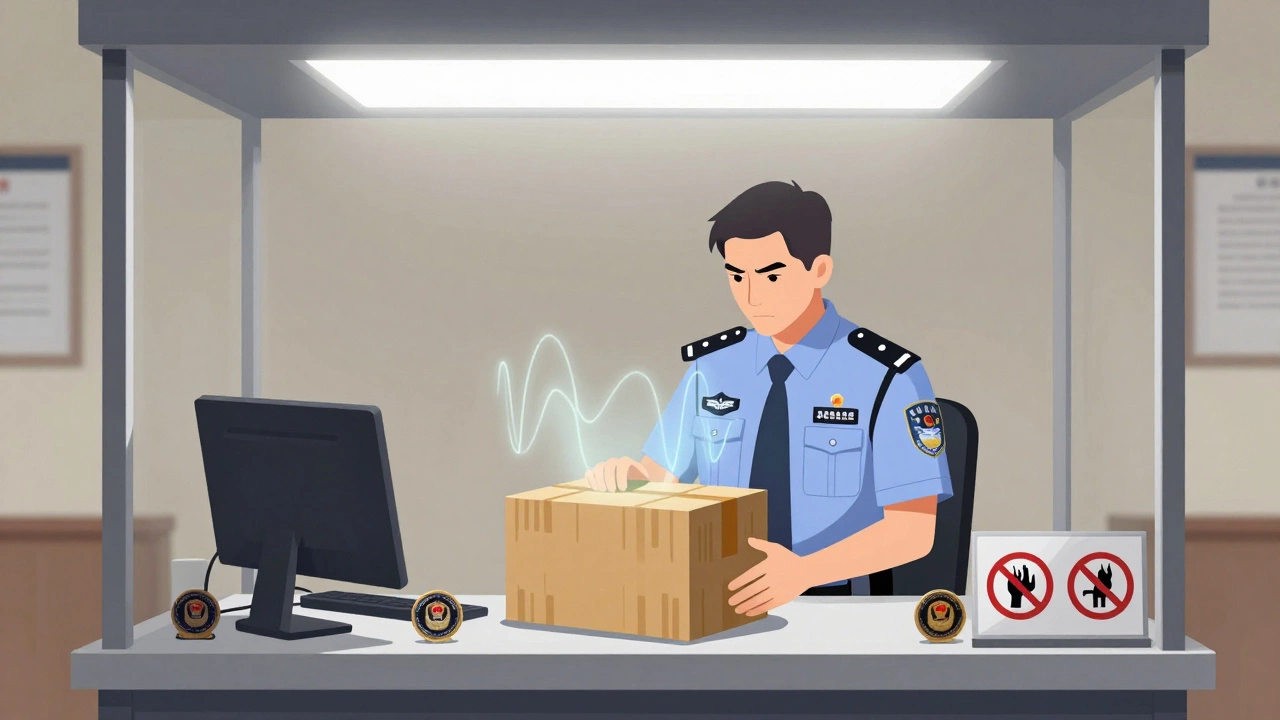
What happens if you slip something past the initial check? Modern sorting facilities use advanced X-ray and chemical detection scanners. If a prohibited item is detected:
- Seizure: The package is held by customs or law enforcement. You will not get it back, nor will the recipient.
- Fines: You may be charged for the inspection, destruction, and administrative costs. Fines can range from $100 to thousands of dollars depending on the severity.
- Blacklisting: Repeat offenders may be banned from using the courier service entirely.
- Criminal Charges: Shipping explosives, drugs, or weapons can lead to felony charges, resulting in jail time.
Understanding these rules protects you, the recipient, and the people handling your package. It’s not just about compliance; it’s about responsible logistics.
Can I ship perfume internationally?
Generally, no, not via standard courier. Perfume contains high levels of alcohol, making it a flammable liquid. Some specialized freight services can ship it if properly declared and packaged as a hazardous good, but most standard parcels will be rejected.
Is it okay to send used clothes to another country?
It depends on the destination. Many countries, including Kenya and Ethiopia, ban the import of used clothing to protect local textile industries. Others allow it but may charge high tariffs. Always check the specific import laws of the receiving country.
Can I ship my phone charger and cable?
Yes, standard USB cables and wall adapters are generally allowed. However, if you are shipping a power bank or spare lithium battery, it must be handled according to strict battery shipping regulations, often requiring it to be turned off and protected from short circuits.
What happens if I forget to declare food in my package?
If the food is detectable (like meat or fresh fruit), customs will likely seize and destroy it. You may receive a warning letter or a fine. In severe cases involving banned agricultural products, you could face significant penalties for violating biosecurity laws.
Are replica watches prohibited?
Yes, if they are counterfeit (fake brands). Shipping fake luxury goods violates intellectual property laws and is strictly prohibited. Authentic vintage watches or generic non-branded watches are usually fine, provided they are declared correctly.