What is Logistics in Commerce? A Practical Guide to E-commerce Fulfillment
E-commerce Logistics & Supply Chain Quiz
How well do you understand the machinery behind online shopping? Answer these questions to test your grasp of logistics fundamentals.
1. What is the primary difference between Logistics and Supply Chain Management?
2. Which component is specifically responsible for the "final step" to the customer's door?
3. What does "Reverse Logistics" handle?
4. Why is location proximity critical for Warehousing?
5. What is a common pitfall regarding shipping costs?
Your Results
You click "Buy Now." Two days later, a box lands on your doorstep. Simple, right? But behind that seamless transaction lies a massive, intricate machine called logistics. It’s the backbone of modern commerce, ensuring products move from point A to point B efficiently and cost-effectively. If you’re running an online store or just curious about how global trade actually works, understanding this concept isn’t just academic-it’s critical for survival. In 2026, with customer expectations higher than ever, getting logistics wrong means losing sales to competitors who got it right.
The Core Definition: More Than Just Trucking
At its simplest, logistics is the detailed organization and implementation of a complex operation. In business terms, it involves managing the flow of things between the point of origin and the point of consumption to meet specific requirements. Think of it as the bridge between manufacturing and the customer. While many people confuse logistics with shipping, they aren’t the same thing. Shipping is just one part of the puzzle. Logistics covers the entire lifecycle of a product’s movement, including planning, implementation, and control.
Why does this distinction matter? Because if you only focus on shipping, you might pick the cheapest carrier but fail to account for warehouse inefficiencies or poor inventory tracking. That leads to stockouts or overstocking, both of which bleed money. Effective logistics balances speed, cost, and reliability. It requires coordinating multiple entities-suppliers, manufacturers, warehouses, carriers, and customers-to work in harmony.
The Key Components of E-commerce Logistics
To grasp what logistics really entails, you need to look at its moving parts. These components form the ecosystem that keeps your online store running. Let’s break down the major players involved.
| Entity | Role | Critical Attribute |
|---|---|---|
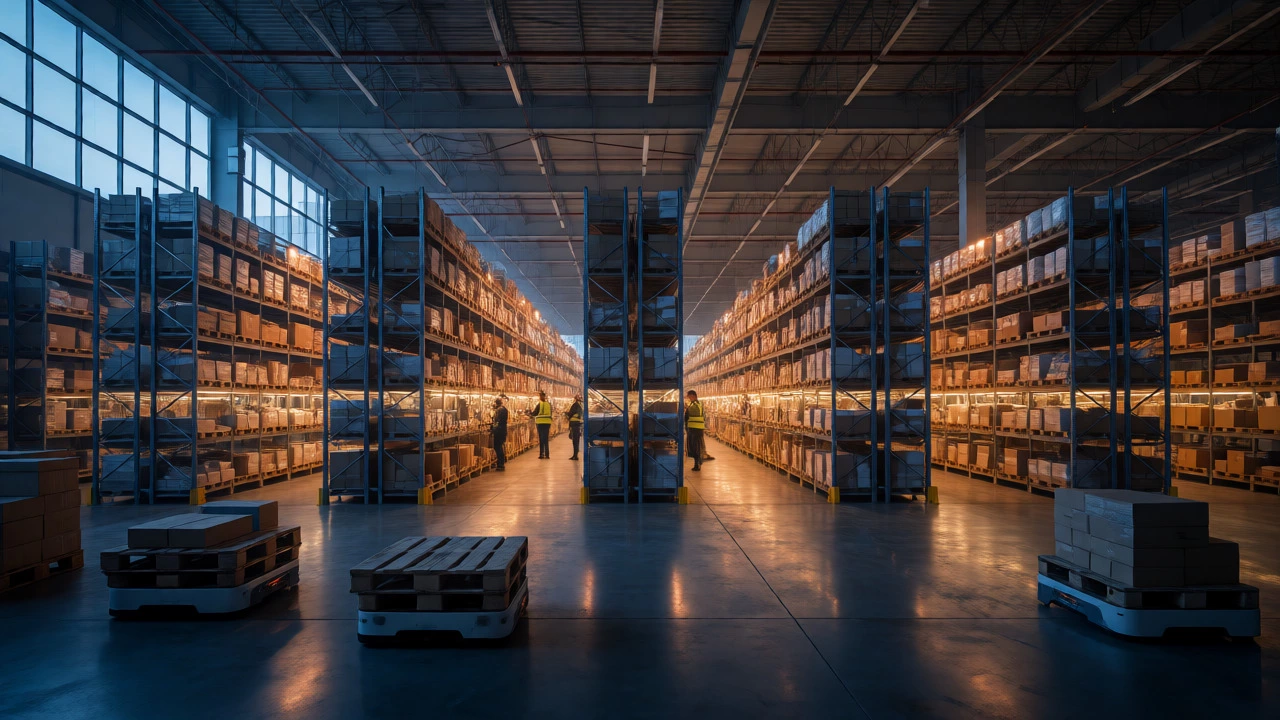
| Warehousing | Storage and order preparation | Location proximity to customers |
| Inventory Management | Tracking stock levels in real-time | Accuracy rate (>99%) |
| Order Fulfillment | Picking, packing, and shipping orders | Processing time (hours) |
| Last-Mile Delivery | Final step to customer’s door | Cost per delivery |
| Reverse Logistics | Handling returns and exchanges | Return processing speed |
Notice how each entity has a specific job. Warehousing isn’t just about having space; it’s about placing that space strategically. If your warehouse is in Wellington but most of your customers are in Auckland, you’re paying extra for transport every single day. Similarly, Inventory Management systems today use AI to predict demand spikes, preventing those awkward "out of stock" messages that frustrate buyers.
Inbound vs. Outbound Logistics: The Flow Matters
Logistics flows in two directions, and confusing them can lead to operational chaos. Inbound logistics deals with bringing raw materials or finished goods into your business. This includes sourcing suppliers, negotiating freight costs, and receiving shipments. For a dropshipping business, inbound logistics might be minimal since the supplier ships directly to the customer. However, for a brand holding its own stock, inbound logistics determines whether you have product ready to sell when the marketing campaign launches.
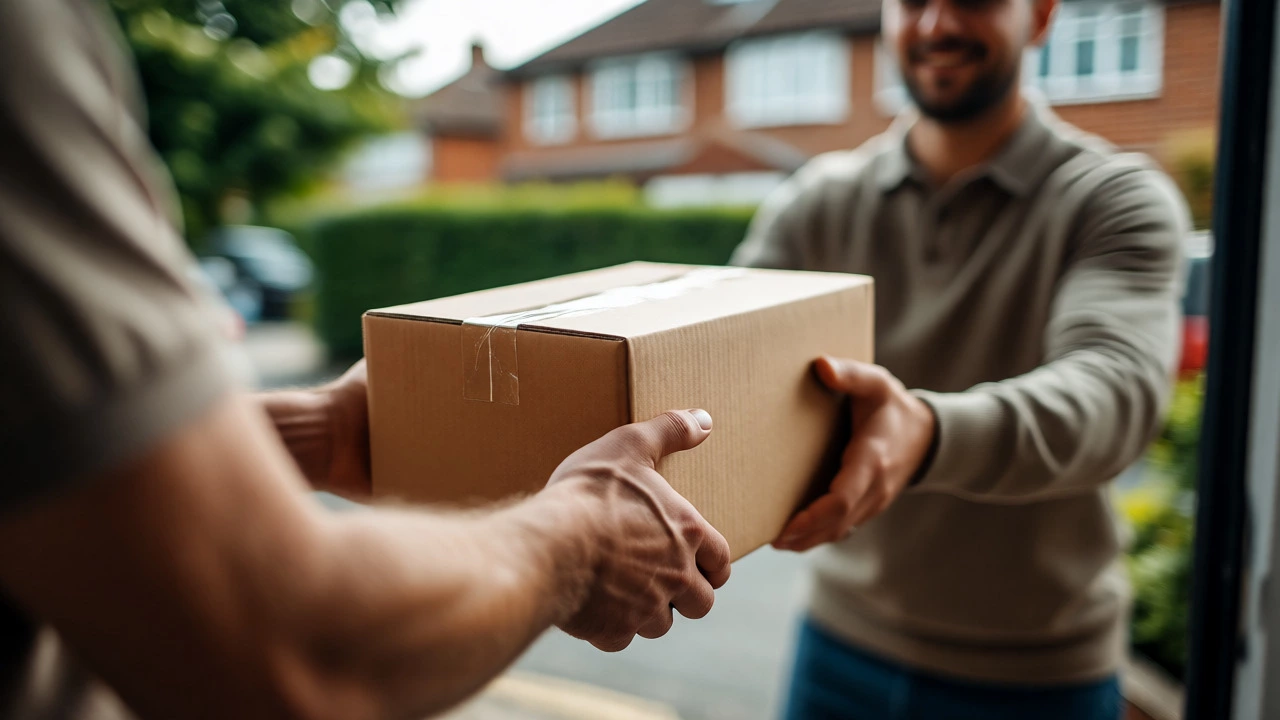
On the flip side, Outbound logistics handles the movement of finished products from your warehouse to the end consumer. This is where the magic happens-or falls apart. It involves picking items from shelves, packing them securely, labeling packages, and handing them off to carriers like NZ Post or DHL. The efficiency here directly impacts customer satisfaction. If your outbound process is slow, customers will leave negative reviews regardless of how good your product is.
Why Logistics Makes or Breaks E-commerce
You might wonder, "Can’t I just outsource all of this?" You can, but you still need to understand the mechanics to manage vendors effectively. Here’s why logistics is pivotal:
- Customer Expectations: Amazon set the standard for fast, free shipping. Today, customers expect next-day or even same-day delivery. Failing to meet these timelines results in cart abandonment.
- Cost Control: Shipping costs can eat up 10-20% of revenue for small businesses. Smart logistics strategies, like bulk shipping or local warehousing, reduce these expenses significantly.
- Scalability: As your sales grow, your logistics must scale too. Without proper infrastructure, handling 1,000 orders becomes exponentially harder than handling 100.
- Returns Management: Up to 30% of online purchases are returned. Efficient reverse logistics turns a potential loss into a chance to retain customers through quick refunds or exchanges.
Consider a scenario: You sell handmade jewelry. During Christmas, orders triple. If your logistics setup can’t handle the volume, you’ll ship late, mix up orders, and lose repeat customers. Conversely, a well-oiled machine processes those extra orders without breaking a sweat, turning seasonal spikes into loyal customer bases.

Technology Driving Modern Logistics
Gone are the days of clipboard inventories. Modern logistics relies heavily on technology. Warehouse Management Systems (WMS) automate inventory tracking, reducing human error. Transportation Management Systems (TMS) optimize routes and carrier selection based on real-time data. These tools provide visibility across the entire supply chain, allowing businesses to react instantly to disruptions like weather events or port strikes.
Artificial intelligence now plays a huge role. Algorithms predict which products will sell fastest in specific regions, prompting proactive stock transfers. Blockchain technology is also gaining traction for verifying authenticity in luxury goods logistics, adding another layer of trust for consumers.
Common Pitfalls and How to Avoid Them
Even experienced sellers stumble. One common mistake is ignoring last-mile costs. Many businesses calculate shipping based on weight alone, forgetting that residential deliveries often cost more than commercial ones. Another trap is underestimating return rates. Always budget for reverse logistics; otherwise, unexpected returns can wipe out profits.
Also, don’t overlook packaging. Poorly packed items arrive damaged, triggering returns and damaging your brand reputation. Invest in durable, eco-friendly packaging that protects the product while minimizing size and weight to keep shipping costs low.
What is the difference between logistics and supply chain management?
Supply chain management is broader. It encompasses the entire network of companies, activities, and information needed to deliver a product. Logistics is a subset focused specifically on the movement and storage of goods within that chain. Think of supply chain as the whole orchestra, and logistics as the section responsible for transporting instruments and musicians to the concert hall.
Do small businesses need dedicated logistics teams?
Not necessarily. Most small e-commerce businesses start by outsourcing to third-party logistics providers (3PLs). This allows them to access professional warehousing and shipping networks without investing in their own facilities. As they grow, they may bring some functions in-house for better control.
How does international shipping affect logistics complexity?
International shipping adds layers of customs clearance, duties, taxes, and longer transit times. You must ensure compliance with import regulations in destination countries. Documentation errors can cause delays, so accurate paperwork is crucial. Using specialized international carriers helps mitigate these risks.
What is reverse logistics?
Reverse logistics is the process of moving goods from their typical final destination back to the seller or manufacturer. It includes handling returns, repairs, recycling, and disposal. Efficient reverse logistics recovers value from returned items and improves customer loyalty by making returns hassle-free.
How can I improve my e-commerce logistics efficiency?
Start by analyzing your current bottlenecks. Use data to identify slow-moving SKUs or high-cost shipping zones. Implement automation tools for inventory tracking. Consider partnering with a 3PL provider if your volume exceeds your capacity to handle it internally. Regularly review carrier performance and negotiate rates based on volume.