What is Logistics? A Simple Guide to Moving Goods
Logistics Cost & Complexity Estimator
Use this tool to estimate the logistical burden of your e-commerce operations. Adjust the inputs to see how different strategies affect cost per unit.
- Transportation: $0.00
- Warehousing/Fulfillment: $0.00
- Last Mile Delivery: $0.00
- Packaging & Misc: $0.00
You order a pair of sneakers on your phone at 10 AM. By the next afternoon, they are sitting on your porch. It feels like magic, but it’s actually logistics-the complex, invisible machinery that moves products from point A to point B. If you’ve ever wondered how that happens without chaos, you’re asking the right question. Logistics isn’t just about trucks; it’s about timing, information, and precision.
Most people confuse logistics with shipping. They aren’t the same. Shipping is just one piece of the puzzle. Logistics is the entire strategy behind getting the right item to the right place at the right time, while spending as little money as possible. Think of it as the brain, not just the muscle.
The Core Definition: More Than Just Transport
At its simplest, logistics is the process of planning, implementing, and controlling the efficient flow and storage of goods, services, and related information from origin to consumption. That sounds academic, so let’s break it down. Imagine you run a small bakery. You need flour. You don’t just buy it when you feel like it. You calculate how much you’ll use in a week, order it so it arrives before you run out, store it in a dry place so it doesn’t spoil, and then track exactly where it went once you baked the bread. That whole cycle? That’s logistics.
In the business world, this scales up massively. Companies like Amazon or Walmart move billions of items. They use sophisticated systems to predict demand, manage warehouses, and route vehicles. If any part of this chain breaks-say, a truck gets stuck in traffic or a warehouse runs out of shelf space-the customer experience suffers. And in today’s market, customers expect perfection.
Key Components of Logistics Operations
To understand what logistics really involves, you have to look at its main moving parts. These components work together like gears in a watch. If one slips, the whole mechanism slows down.
- Inventory Management: This is knowing exactly what you have, where it is, and how much it costs to hold. Too much stock ties up cash; too little means missed sales.
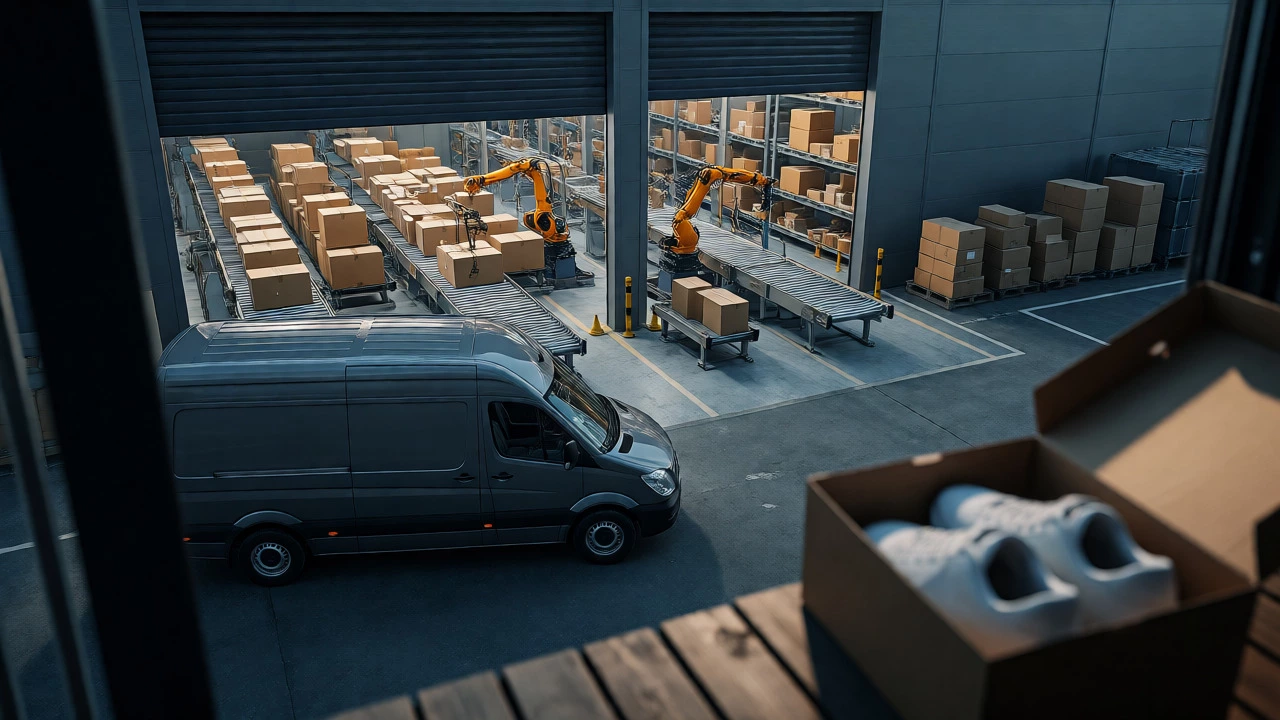
- Warehousing: The physical space where goods wait. Modern warehouses use robots and barcode scanners to pick and pack orders faster than humans can read labels.
- Transportation: The actual movement via trucks, ships, planes, or trains. Choosing the right mode depends on speed versus cost.
- Order Fulfillment: The process of receiving an order, picking the items, packing them, and handing them off to a carrier.
- Demand Planning: Using data to guess what customers will want next month. This helps companies buy the right amount of product upfront.
Each of these areas requires specific tools and expertise. For instance, inventory management often relies on software called an Enterprise Resource Planning (ERP) system. Transportation might involve negotiating contracts with third-party carriers. None of these tasks happen in isolation.
Logistics vs. Supply Chain: What’s the Difference?
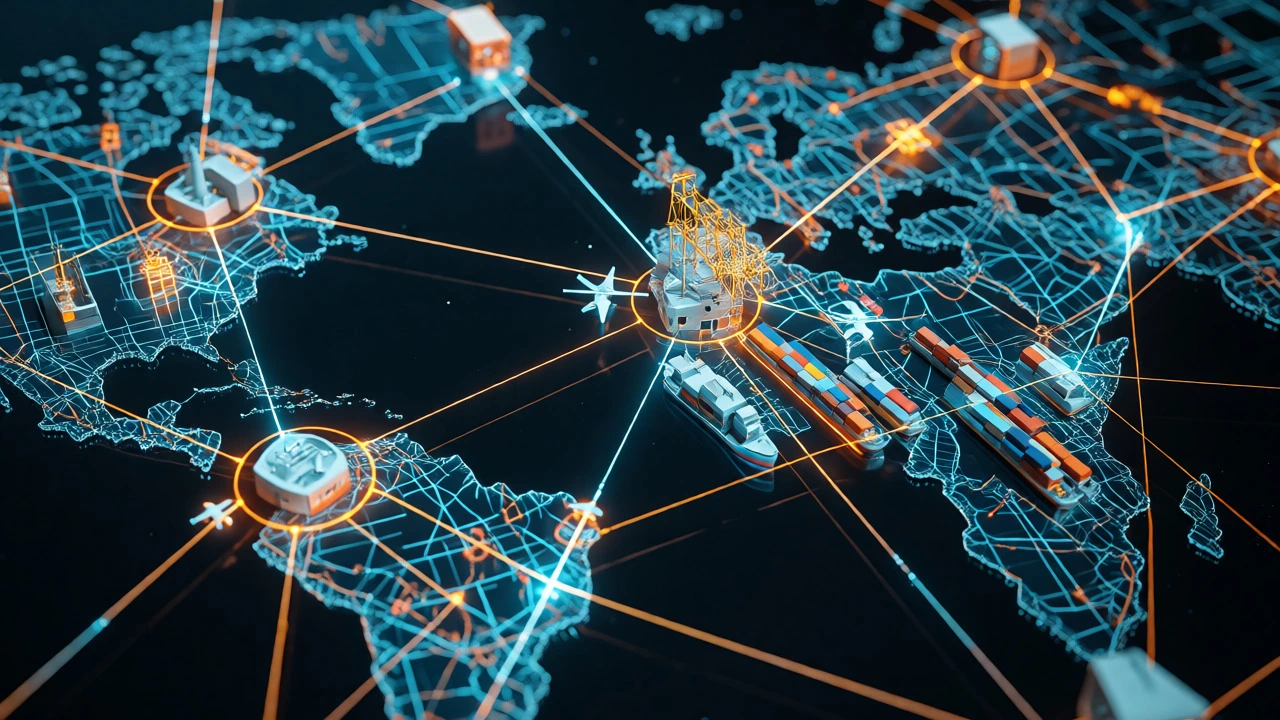
This is the most common mix-up. People use the terms interchangeably, but they mean different things. Think of the supply chain as the entire network of suppliers, manufacturers, distributors, and retailers working together to create value. It’s the big picture ecosystem. Logistics is a subset of the supply chain focused specifically on the movement and storage of goods within that network.
| Feature | Supply Chain | Logistics |
|---|---|---|
| Scope | Broad: Covers sourcing, production, and distribution. | Narrow: Focuses on movement and storage. |
| Goal | Competitive advantage and overall efficiency. | Customer satisfaction through timely delivery. |
| Activities | Supplier relations, manufacturing, procurement. | Shipping, warehousing, inventory control. |
| Focus | Integration of multiple companies. | Internal operations and carrier coordination. |
If the supply chain is the human body, logistics is the circulatory system. The body includes organs, bones, and muscles (the rest of the supply chain), but the blood flow (logistics) keeps everything alive and functioning. You can’t have good logistics without a stable supply chain, but you can talk about logistics independently when discussing shipping rates or warehouse layouts.
Why Logistics Matters for Your Business
You might think, "I’m just selling handmade candles online. Do I really need 'logistics'?" Yes, you do. Even small businesses face logistical challenges. Here’s why it impacts your bottom line directly.
First, cost control. Inefficient logistics eats margins. If you pay extra for rush shipping because you didn’t plan inventory well, that profit disappears. Second, customer retention. In e-commerce, delivery speed is a major factor in buying decisions. A study by Pitney Bowes found that 46% of consumers cancel online purchases if shipping takes too long. Fast, reliable logistics builds trust.
Third, scalability. As you grow, manual processes fail. Tracking shipments in a spreadsheet works for ten orders a day. It collapses at fifty. Implementing proper logistics strategies early prevents bottlenecks later. You stop reacting to fires and start preventing them.
Types of Logistics Services
Not all logistics looks the same. Depending on your needs, you might deal with different types of providers.
- First-Party Logistics (1PL): The company handles its own transport. Example: A local bakery delivering pies in its own van.
- Second-Party Logistics (2PL): Hiring a carrier like FedEx or UPS to move goods. You still manage the strategy, but they drive the truck.
- Third-Party Logistics (3PL): Outsourcing the entire operation. A 3PL provider stores your goods, picks orders, packs boxes, and ships them. Many Shopify merchants use 3PLs to avoid renting warehouse space.
- Fourth-Party Logistics (4PL): A strategic partner who manages the entire supply chain, including selecting and overseeing multiple 3PLs. Common in large enterprises.
Choosing between these depends on your size and complexity. A startup might stick with 2PL using standard postal services. A mid-sized brand scaling internationally likely needs a 3PL to handle customs and cross-border shipping.
Modern Challenges in Logistics
The landscape has changed dramatically since 2020. Global disruptions exposed fragile links in the chain. Now, companies prioritize resilience over pure cost savings.
One major challenge is the last mile delivery. This is the final step from the local hub to the customer’s door. It’s the most expensive part of shipping, accounting for up to 53% of total delivery costs. Why? Because addresses are scattered, customers aren’t always home, and fuel prices fluctuate. Solving this problem drives innovation, like drone deliveries or smart lockers.
Another issue is visibility. Customers want real-time tracking. They don’t just want to know their package is "in transit"; they want to see it moving on a map. Providing this requires robust technology integration between carriers and retailers. If your website can’t pull live data from your carrier, you lose credibility.
Sustainability is also rising. Consumers increasingly prefer eco-friendly packaging and carbon-neutral shipping options. Logistics managers now have to balance speed and cost against environmental impact. Electric vans, consolidated shipments, and minimal packaging are becoming standard expectations rather than niche features.
How to Optimize Your Logistics Strategy
You don’t need a million-dollar budget to improve logistics. Start with these practical steps.
- Audit your current costs: Break down every expense related to moving goods. Shipping fees, packaging materials, labor, and storage rent. Identify where money leaks.
- Forecast demand accurately: Use historical sales data to predict future needs. Avoid overstocking slow-moving items.
- Automate repetitive tasks: Use software to generate shipping labels automatically. Stop typing addresses manually.
- Negotiate carrier rates: Don’t accept the first price. Compare quotes from multiple providers. Volume discounts often kick in after certain thresholds.
- Optimize packaging: Carriers charge by dimensional weight, not just actual weight. A light box that’s huge costs more than a heavy compact one. Right-size your boxes.
These tweaks compound over time. Saving $0.50 per shipment adds up quickly when you ship thousands of units monthly. Efficiency isn’t about cutting corners; it’s about removing waste.
Frequently Asked Questions
Is logistics only for large corporations?
No. Small businesses and even individuals engage in logistics daily. When you coordinate moving houses, you’re managing logistics: packing boxes, hiring movers, and scheduling the truck. For small e-commerce brands, basic logistics involves choosing the right shipping partner and keeping enough stock to meet demand without overbuying.
What is the difference between inbound and outbound logistics?
Inbound logistics refers to bringing raw materials or finished goods into your facility. For a manufacturer, this means receiving steel or plastic. Outbound logistics is sending finished products out to customers or retailers. Both require careful planning, but inbound focuses on supplier relationships and receiving schedules, while outbound focuses on delivery speed and customer experience.
Do I need a warehouse to have logistics?
Not necessarily. You can use dropshipping models where the supplier ships directly to the customer, eliminating your need for storage. However, you still manage the flow of information and returns. Alternatively, you can use a Third-Party Logistics (3PL) provider who owns the warehouse space, allowing you to scale without leasing property yourself.
How does technology improve logistics?
Technology provides visibility and automation. Warehouse Management Systems (WMS) track inventory levels in real-time. Route optimization software calculates the fastest paths for drivers, saving fuel and time. AI predicts demand spikes, helping businesses stock up before holidays. Without tech, logistics relies on guesswork and spreadsheets, which leads to errors and delays.
What are the biggest mistakes beginners make in logistics?
The top mistake is underestimating hidden costs, such as packaging materials, insurance, and return processing. Another common error is failing to account for seasonality. Demand spikes during Black Friday or Christmas require extra staff and inventory buffers. Ignoring these factors leads to stockouts and delayed shipments, damaging brand reputation.