What is E-commerce in Supply Chain? A Guide to Modern Logistics
E-commerce Fulfillment & Return Cost Estimator
Order Economics
Return Logistics Risk
Key Takeaways
- E-commerce supply chains prioritize speed and flexibility over the bulk movements of traditional retail.
- Omnichannel strategies allow brands to sell across web, app, and physical stores while keeping inventory synced.
- Last-mile delivery is the most expensive and complex part of the modern logistics journey.
- Real-time data and AI are replacing manual forecasting to prevent overstocking.
The Shift from Traditional to Digital Logistics
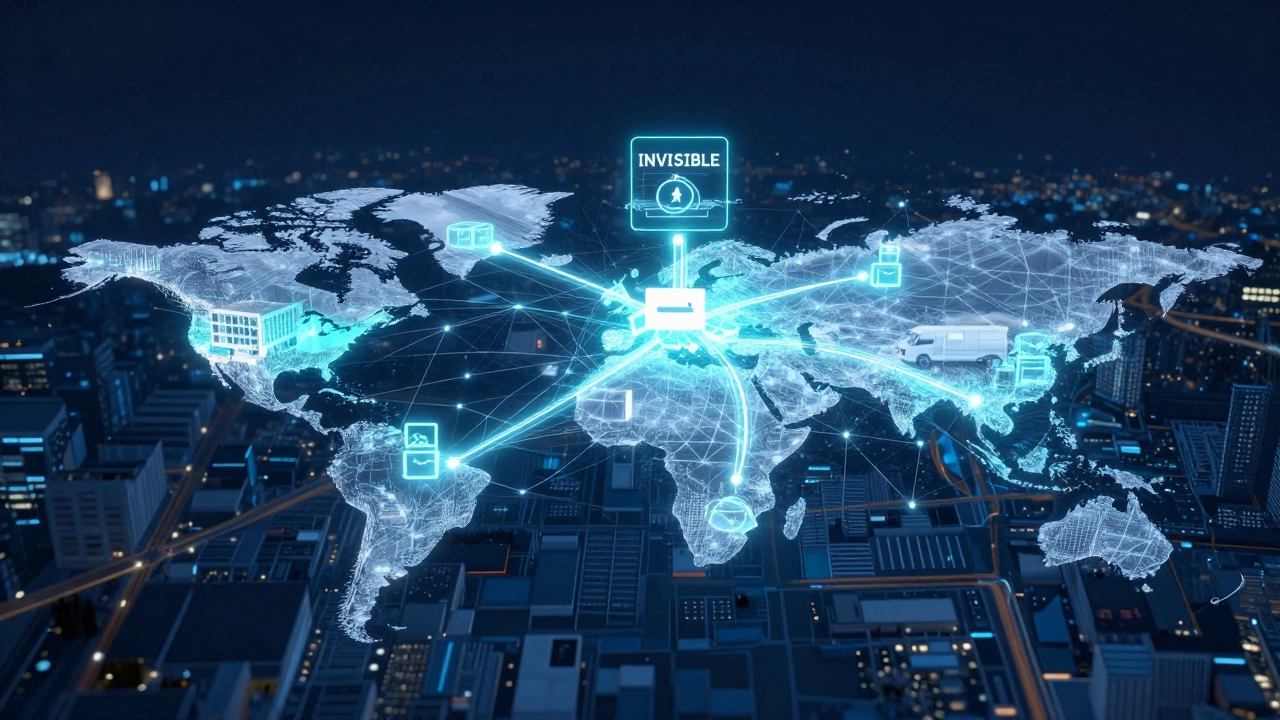
Traditional supply chains were built for bulk. A manufacturer would send a massive pallet of sneakers to a retail store, and that store would hold them for weeks until a customer walked in. E-commerce flips this on its head. Now, the goal is to move single items to thousands of different addresses. This is where E-commerce Supply Chain is the integrated process of managing the flow of goods, data, and finances specifically for online sales, emphasizing speed and individual order accuracy.
Because customers expect instant gratification, the 'buffer' time that retailers used to have is gone. If you're selling on a platform like Shopify or Amazon, your supply chain needs to be agile. You aren't just managing a warehouse; you're managing a high-speed sorting center. This shift means companies are moving away from one giant central hub and instead using smaller, distributed centers closer to the end customer to slash delivery times.
The Core Components of an Online Supply Chain
To understand how this works, you have to look at the moving parts. It starts with Sourcing, which is where you get your materials or finished products. In e-commerce, sourcing is often more volatile because trends change in days, not seasons. If a TikTok video makes a specific water bottle go viral, your sourcing team has to pivot immediately.
Next comes Inventory Management, the art of knowing exactly what you have and where it is. Modern brands use Warehouse Management Systems (or WMS), which are software tools that track stock levels in real-time. Without a solid WMS, you risk 'overselling'-selling a product you don't actually have, which is a surefire way to get a 1-star review.
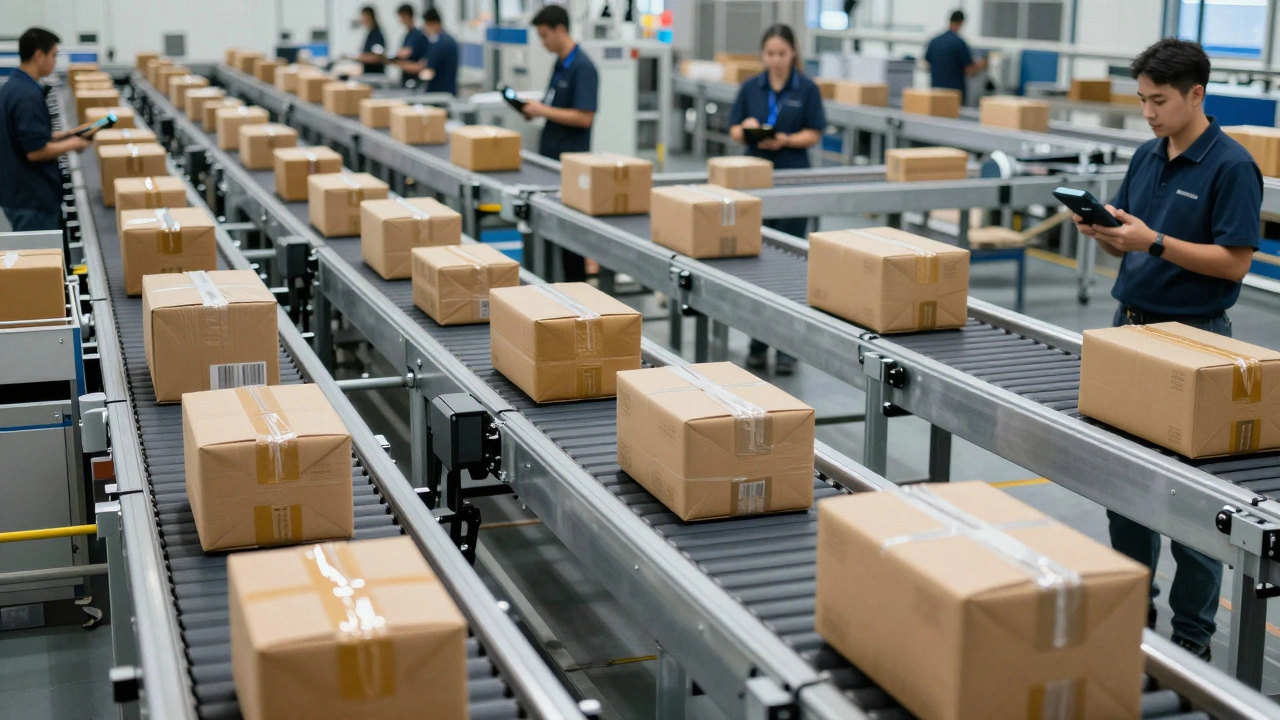
Then there's Order Fulfillment. This is the physical act of picking an item off a shelf, packing it into a box, and slapping a label on it. This is where most errors happen. To fix this, many stores use 3PL (Third-Party Logistics), where they outsource the entire storage and shipping process to a specialist company that handles the heavy lifting.
Omnichannel vs. Multichannel: What's the Difference?
You'll hear these terms thrown around a lot. Multichannel is simply selling on different platforms-maybe you have a website, an Etsy shop, and a physical boutique. But the inventories are often separate. If you sell your last candle on Etsy, the website might still say it's in stock for another hour.
Omnichannel Logistics is the evolved version. It creates a seamless experience where all channels are connected. Imagine a customer buying a shirt online but choosing to pick it up at your local store. That requires the supply chain to communicate instantly between the digital storefront and the physical shelf. It turns your retail stores into mini-distribution centers, reducing the distance the package has to travel.
| Feature | Traditional Retail | E-commerce Supply Chain | Omnichannel Model |
|---|---|---|---|
| Shipment Size | Bulk Pallets | Individual Parcels | Mixed (B2B & B2C) |
| Delivery Speed | Weeks/Months | Days/Hours | Instant (In-store) to Days |
| Inventory Risk | Slow Turnover | High Volatility | Dynamic Balancing |
| Customer Contact | Indirect (via Retailer) | Direct (D2C) | Integrated Across All Touchpoints |
The Last-Mile Hurdle
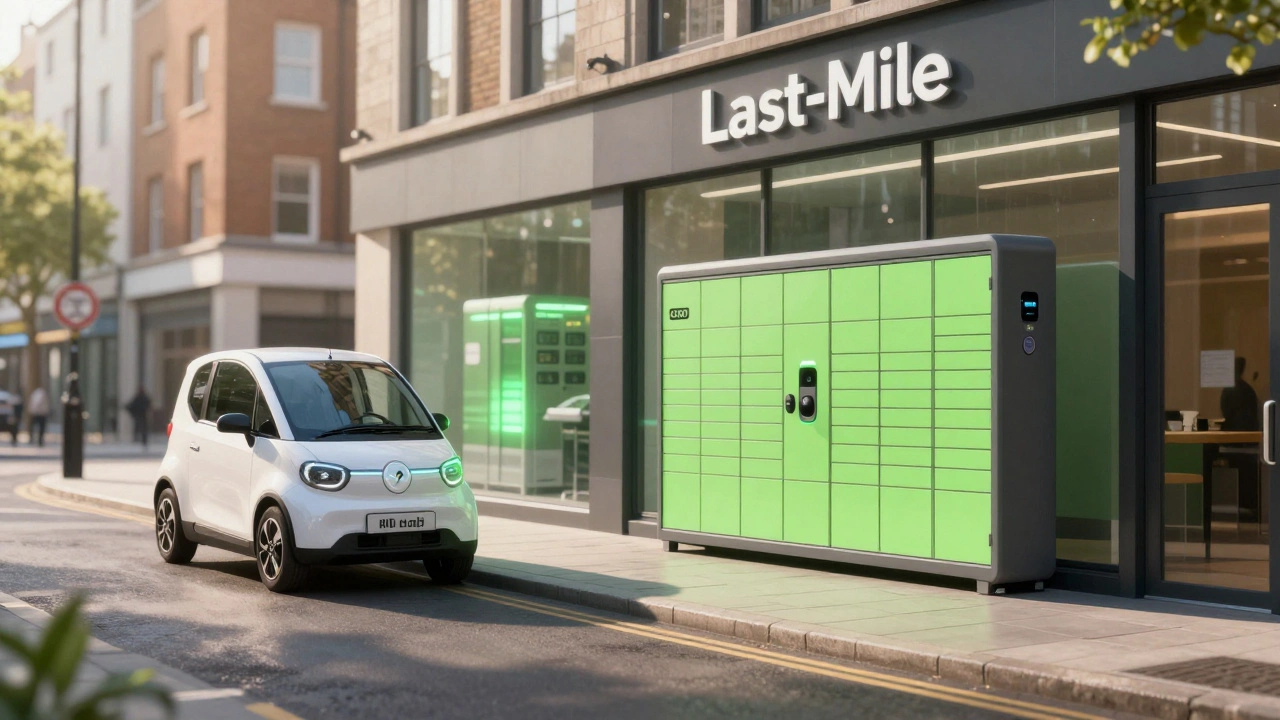
The 'last mile' is the final leg of the journey-from the local distribution center to the customer's front door. It is widely considered the most inefficient and expensive part of the e-commerce logistics process. Why? Because driving a van through a congested city to deliver one small lipstick is wildly inefficient compared to dropping off 500 lipsticks at a department store.
To combat this, companies are experimenting with 'micro-fulfillment centers.' These are tiny, automated warehouses tucked into urban basements or repurposed parking garages. By keeping the most popular items within a 3-mile radius of the customer, brands can offer 2-hour delivery without spending a fortune on fuel. We're also seeing a rise in 'PUDO' (Pick-Up and Drop-Off) points, like lockers in convenience stores, which eliminate the need for the driver to find a specific house.
Reverse Logistics: The Headache of Returns
In a physical store, you might return a shirt to the counter. In e-commerce, Reverse Logistics is a massive operation. About 20-30% of online purchases are returned, and the supply chain has to handle the journey backward. This isn't just about shipping it back; it's about inspecting the item, deciding if it can be resold as 'new,' or if it needs to be liquidated or recycled.
Efficient reverse logistics can actually be a competitive advantage. If a customer can print a label and drop a package in a bin without boxing it, they're more likely to buy from that brand again. The goal here is to reduce the 'cost of return' by streamlining the inspection process and getting the item back into the sellable inventory as quickly as possible.
Future-Proofing Your Logistics
If you're running a business, you can't just wing your supply chain. You need a strategy based on data. For example, using 'Predictive Analytics' helps you move stock before the customer even buys it. By analyzing historical data and local trends, a company might ship more umbrellas to Seattle and more sunscreen to Miami ahead of a forecasted weather shift.
Another huge trend is the move toward Sustainable Logistics. Customers are increasingly annoyed by oversized boxes filled with plastic air pillows. Moving toward compostable packaging and electric delivery fleets isn't just good for the planet; it's becoming a requirement for brand loyalty. The 'green' supply chain is no longer a niche-it's a core business metric.
Is 3PL the same as a warehouse?
No. A warehouse is just a building where you store stuff. A 3PL (Third-Party Logistics) provider is a service that manages your entire fulfillment process. They provide the warehouse, the staff to pick and pack the orders, and the shipping contracts to get the items to the customer. You pay them a fee to handle the logistics so you can focus on marketing and product development.
How does e-commerce affect supply chain costs?
It generally increases the cost per single unit shipped. Shipping one item to one person is far more expensive than shipping 1,000 items to one warehouse. However, by cutting out the 'middleman' (the retail store), brands can often capture higher margins through Direct-to-Consumer (D2C) models, which helps offset those higher shipping costs.
What is the most common mistake in e-commerce logistics?
Underestimating the cost of returns. Many new sellers factor in the cost to ship the item *to* the customer but forget that they might have to pay for the return shipping AND the labor to process the returned item. This can eat through profit margins incredibly quickly if not planned for in the pricing strategy.
Why is omnichannel logistics harder than multichannel?
Because it requires a 'single source of truth' for inventory. In multichannel, you can have separate pots of stock. In omnichannel, your website, app, and physical store must all see the exact same number of items in real-time. This requires expensive software integration and a very disciplined approach to inventory tracking.
What is a micro-fulfillment center?
It's a small-scale warehouse located in highly populated urban areas. Unlike a massive regional distribution center that might be 50 miles outside of a city, a micro-fulfillment center is often only a few miles from the customer. They usually use heavy automation (like robots) to pick orders quickly, enabling hyper-fast delivery windows like 1-2 hours.
Next Steps for Business Owners
If you're feeling overwhelmed, start by auditing your current flow. Are you spending more time packing boxes than growing your brand? If so, it's time to look into 3PL options. If your customers are complaining about shipping times, look at your warehouse locations-you might need to distribute your stock across two or three smaller hubs instead of one big one.
For those scaling up, the next move is software. Don't rely on spreadsheets; they break the moment you hit a certain volume. Invest in a WMS that integrates directly with your sales channel. Once your data is clean, you can start experimenting with omnichannel features, like 'buy online, pick up in-store,' to give your customers more flexibility and reduce your last-mile costs.