What is E-commerce Delivery? The Complete Guide to Last-Mile Logistics
E-commerce Delivery Cost Estimator
You click "Buy Now," you enter your card details, and then... the waiting game begins. For most online shoppers, the actual purchase is just the beginning of the experience. The real test of an e-commerce business happens when the package leaves the warehouse and heads toward their doorstep. This process is known as e-commerce delivery, and it is the make-or-break moment for retailers in 2026.
If you are running an online store or planning to start one, understanding this concept is non-negotiable. It is not just about throwing a box on a truck. It involves a complex chain of events called the supply chain, where timing, cost, and customer satisfaction collide. Let’s break down what e-commerce delivery actually entails, why it matters more than ever, and how you can get it right.
Defining E-commerce Delivery: More Than Just Shipping
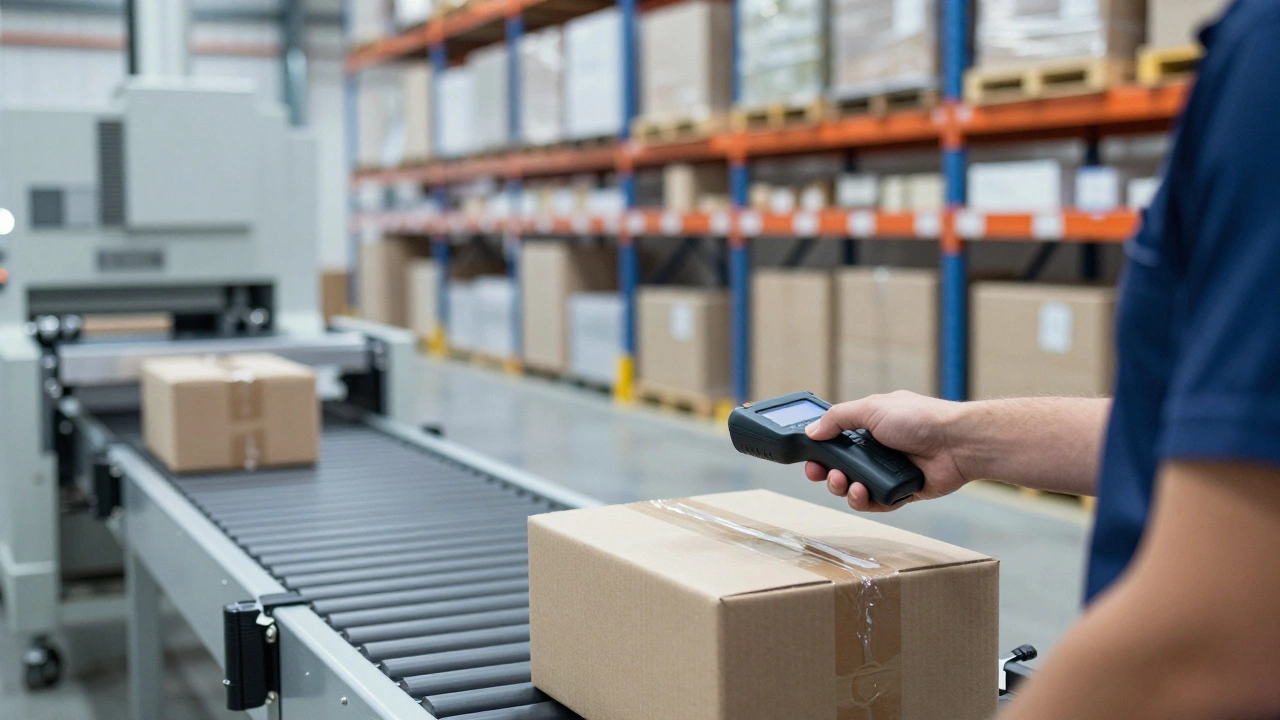
At its core, E-commerce delivery is the final stage of the order fulfillment process where purchased goods are transported from a seller's facility to the end consumer. While "shipping" often refers to the movement of goods between businesses (B2B), delivery specifically targets the individual buyer (B2C).
This distinction matters because the stakes are higher. In B2B, a delayed pallet might cause a factory to pause production. In e-commerce, a late package causes a customer to leave a bad review, request a refund, or never shop with you again. The modern consumer expects speed, transparency, and flexibility. If your delivery process feels clunky or opaque, you lose trust instantly.
Think of it like ordering food. You don’t care how the restaurant cooked the meal; you care that it arrives hot, on time, and intact. E-commerce delivery is the waiter of the digital world. If the waiter drops the tray, it doesn’t matter how good the chef was.
The Anatomy of the Last Mile
The most critical-and expensive-part of e-commerce delivery is the Last mile logistics is the final step of the delivery process where goods move from a transportation hub to the final destination. Industry data suggests that the last mile can account for up to 53% of total shipping costs. Why is it so costly?
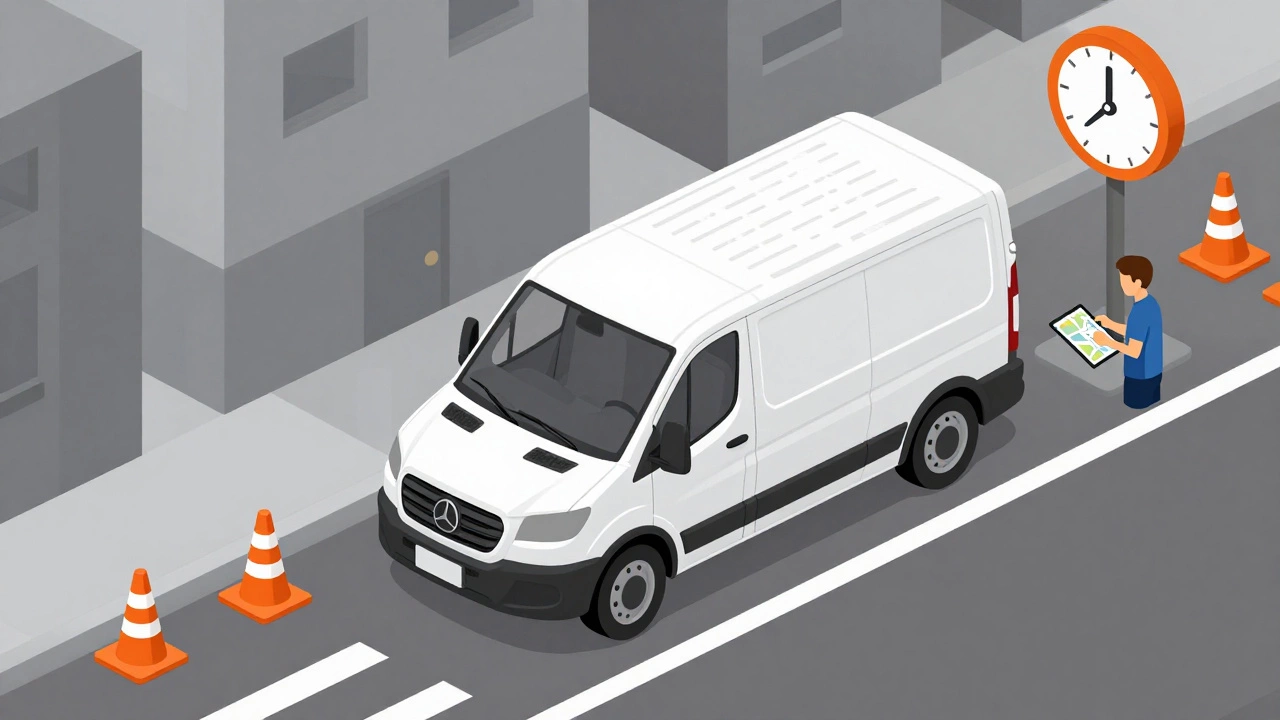
It comes down to efficiency. A semi-truck carrying 100 pallets is highly efficient per unit. But once those pallets are broken down into individual packages and loaded onto smaller vans for residential drop-offs, efficiency plummets. Drivers spend more time idling in traffic, searching for addresses, and dealing with access issues like gated communities or missing apartment numbers.
In 2026, we are seeing new solutions emerge to tackle this bottleneck:
- Micro-fulfillment centers: Small warehouses located within urban areas to reduce travel distance.
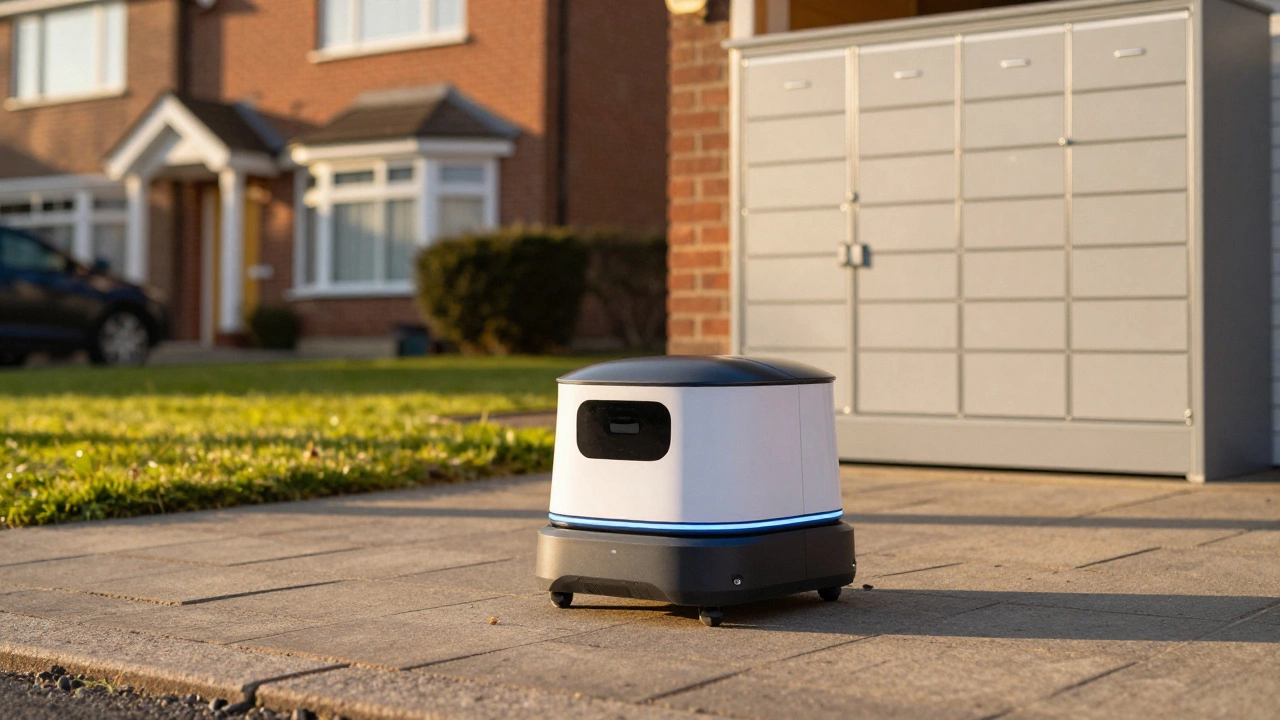
- Delivery lockers: Secure pickup points that allow carriers to drop off multiple packages at once instead of stopping at every house.
- Autonomous delivery robots: Sidewalk rovers that handle small parcels in dense neighborhoods, reducing labor costs.
Understanding these dynamics helps you choose the right partners. If you sell heavy furniture, standard last-mile couriers might charge exorbitant fees. You might need specialized white-glove services that include assembly.
Key Components of a Smooth Delivery Experience
A successful e-commerce delivery strategy rests on three pillars: speed, visibility, and flexibility. Ignoring any one of these can lead to cart abandonment or high return rates.
| Component | Definition | Impact on Customer Satisfaction |
|---|---|---|
| Speed | How quickly the order arrives after purchase. | High. 40% of consumers will abandon a cart if delivery takes longer than 3 days. |
| Visibility | Real-time tracking updates sent to the customer. | Critical. Lack of tracking info leads to a spike in "Where is my order?" support tickets. |
| Flexibility | Options for time slots, pickup locations, or address changes. | Medium-High. Reduces failed delivery attempts and missed drop-offs. |
Speed is the obvious winner in marketing campaigns. "Free 2-Day Shipping" became a standard expectation thanks to giants like Amazon. However, offering speed without accuracy is dangerous. Rushing an order that hasn't been properly packed leads to damaged goods, which costs you more in returns than slow shipping ever would.
Visibility is the antidote to anxiety. When customers know exactly where their package is, they feel in control. Integrating a robust tracking system that sends automated SMS or email updates is no longer a luxury; it is a basic requirement. Tools like Logistics Software is technology platforms that manage inventory, shipping labels, and carrier integrations for online retailers. help automate this communication, ensuring your brand stays top-of-mind even after the sale.
Flexibility addresses the reality of modern life. People work odd hours, live in apartments with strict access rules, or simply aren't home during traditional delivery windows. Offering options like "Leave at door," "Hand to neighbor," or "Pickup at local pharmacy" reduces the friction of receiving a package.
Delivery Models: Choosing the Right Fit
Not all businesses operate the same way. Your delivery model should align with your product type, volume, and budget. Here are the most common approaches used by e-commerce brands in 2026.
1. Third-Party Logistics (3PL)
For many small to mid-sized businesses, partnering with a Third-Party Logistics provider is an external company that handles storage, packing, and shipping on behalf of the retailer. is the smartest move. You send your bulk inventory to their warehouse, and they pick, pack, and ship orders as they come in. This scales easily during peak seasons like Black Friday without you needing to hire temporary staff or rent extra space.
2. Fulfillment by Marketplace (FBM/FBA)
If you sell on platforms like Amazon, using their fulfillment network (FBA) gives you access to their Prime delivery badge. This significantly boosts conversion rates because customers trust the platform’s delivery promise. However, you lose some control over branding and packaging, and fees can eat into margins for low-cost items.
3. In-House Fulfillment
Some brands prefer to keep control entirely in-house. This works well for custom-made products or high-value items that require special handling. It allows for personalized touches, like handwritten notes or unique unboxing experiences. The downside? You are responsible for every headache, from hiring drivers to managing fuel costs and vehicle maintenance.
4. Dropshipping
In a dropshipping model, you never touch the product. The supplier ships directly to the customer. This eliminates inventory risk but offers zero control over delivery speed or packaging quality. One mistake by your supplier reflects poorly on your brand.
The Hidden Costs of Delivery
New entrepreneurs often focus on the advertised shipping rate but overlook the hidden costs that bleed profit. Understanding these expenses is crucial for accurate pricing.
- Dimensional Weight Charges: Carriers charge based on the size of the box, not just its weight. A lightweight but bulky item (like a pillow) costs more to ship than a dense, small item (like a phone charger). Optimizing packaging size can save thousands annually.
- Return Shipping: Returns are inevitable in e-commerce. Who pays for them? If you offer free returns, factor that cost into your initial price. If the customer pays, make sure the process is easy, or they won’t bother returning faulty items, leading to negative reviews.
- Failed Deliveries: When a driver cannot deliver due to an incorrect address or absence, the package goes back to the depot. Re-delivery incurs additional fees. Using address verification tools at checkout can mitigate this.
- Packaging Materials: Boxes, tape, void fill, and labels add up. Sustainable packaging is increasingly popular but often costs more. Balance eco-friendliness with durability to avoid damage claims.
Future Trends Shaping E-commerce Delivery
The landscape of delivery is evolving rapidly. By 2026, several trends are reshaping how goods move from warehouse to door.
Sustainability is no longer optional. Consumers are increasingly conscious of the carbon footprint of their purchases. Brands are adopting electric delivery vehicles, biodegradable packaging, and consolidated shipping options to reduce emissions. Highlighting these efforts in your marketing can differentiate your brand from competitors.
Same-day and instant delivery are becoming standard in major cities. Through partnerships with gig-economy apps or local courier networks, retailers can offer delivery in under two hours. This is particularly effective for groceries, pharmaceuticals, and urgent electronics.
AI-driven route optimization uses machine learning to predict traffic patterns, weather conditions, and delivery density. This ensures drivers take the most efficient paths, reducing fuel consumption and improving on-time performance.
Practical Tips for Improving Your Delivery Strategy
If you want to boost customer satisfaction and reduce costs, start with these actionable steps:
- Set realistic expectations: Don’t promise next-day delivery if your average is three days. Under-promise and over-deliver. Clear communication builds trust.
- Offer multiple carrier options: Give customers a choice between economy (slower, cheaper) and express (faster, pricier) shipping. This lets them decide based on their urgency and budget.
- Invest in post-purchase communication: Send a confirmation email immediately, followed by shipping notifications with tracking links. Consider adding a progress bar on your website so customers can check status without leaving your site.
- Optimize your packaging: Use right-sized boxes to minimize dimensional weight charges. Test your packaging for durability before scaling up.
- Analyze your metrics: Track key performance indicators like on-time delivery rate, cost per order, and return rate. Identify bottlenecks and adjust your strategy accordingly.
Conclusion: Delivery is Your Brand Promise
E-commerce delivery is not just a logistical necessity; it is a core part of your brand identity. Every package that arrives safely and on time reinforces your reliability. Every delay or damaged item erodes trust. In a crowded market, exceptional delivery experiences can turn one-time buyers into loyal advocates.
By understanding the components of last-mile logistics, choosing the right fulfillment model, and staying ahead of industry trends, you can transform delivery from a cost center into a competitive advantage. Focus on clarity, speed, and care, and your customers will keep coming back.
What is the difference between shipping and delivery?
Shipping generally refers to the transportation of goods from one point to another, often in bulk or between businesses. Delivery specifically refers to the final leg of the journey where the product reaches the end consumer. In e-commerce, "delivery" implies the complete handover to the customer.
Why is the last mile so expensive?
The last mile is expensive because it involves moving individual packages to dispersed residential locations rather than bulk shipments to centralized hubs. Factors like traffic, parking difficulties, failed delivery attempts, and the need for smaller vehicles increase the cost per package significantly.
What is a 3PL provider?
A Third-Party Logistics (3PL) provider is an external company that handles warehousing, picking, packing, and shipping for e-commerce businesses. They allow retailers to scale operations without investing in physical infrastructure or hiring large teams.
How can I reduce my e-commerce delivery costs?
You can reduce costs by optimizing packaging to minimize dimensional weight, negotiating better rates with carriers through volume discounts, using regional carriers for shorter distances, and offering pickup options to avoid last-mile fees.
Is same-day delivery worth it for my business?
Same-day delivery is worth it if you operate in a dense urban area and sell high-demand or urgent items. However, it is costly and logistically complex. For rural areas or low-margin products, standard 2-3 day shipping is usually more sustainable.