What is Class B Bedding? Understanding Fire Safety Standards
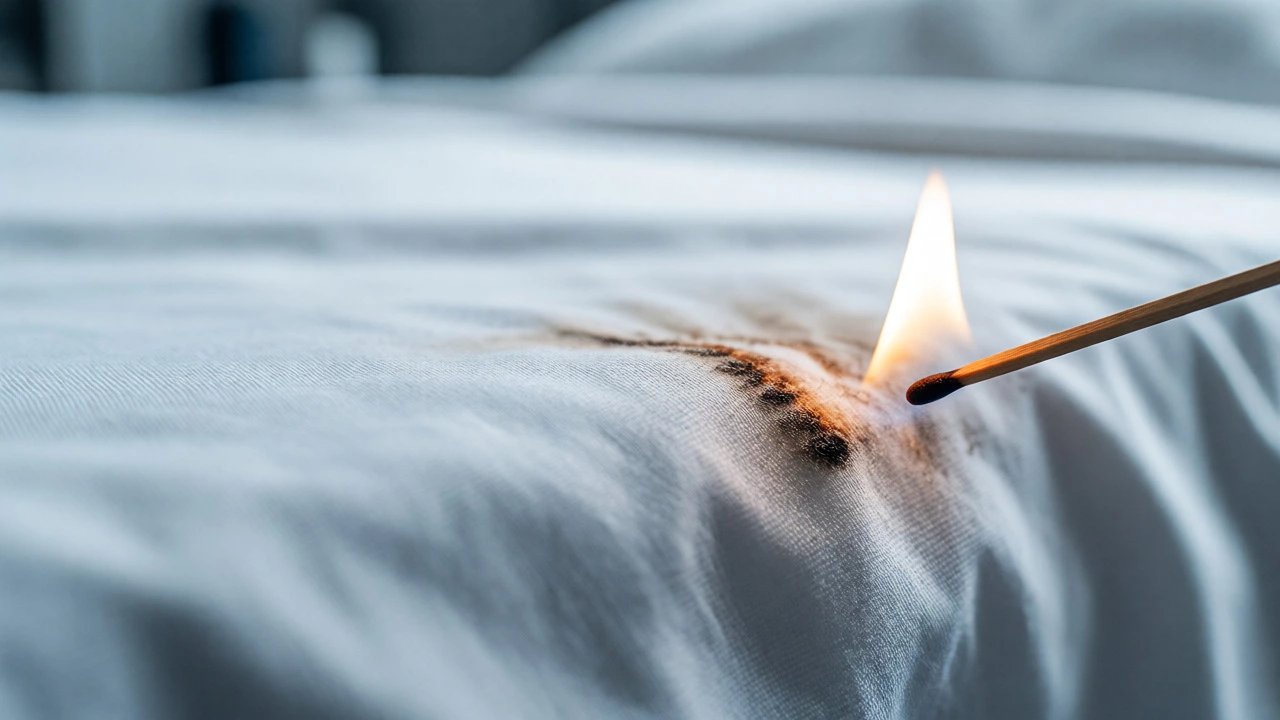
Class B Bedding Compliance Checker
Enter the technical specifications of your bedding or fabric to determine its Fire Safety Class and suitability for different environments.
Unknown Classification
Performance Metrics
- FSI: -
- Smoke Dev: -
- Rating: -
Suitability & Use Cases
Note: This tool provides an estimation based on standard ASTM E84 thresholds. Always verify specific product certifications (NFPA 701, BS 5852) with the manufacturer for legal compliance.
You’re checking into a hotel room. The sheets feel crisp, the duvet is heavy and warm, and everything looks pristine. But have you ever wondered why those white linens don’t catch fire the moment you drop a cigarette or leave a hair straightener on the bed? It’s not magic, and it’s rarely just luck. It’s engineering. Specifically, it’s often Class B bedding, a classification for textiles that meet specific fire resistance criteria defined by building codes and safety regulations.
If you are shopping for commercial linens, managing a hospitality business, or even outfitting a dormitory with strict safety codes, understanding this term isn't just bureaucratic homework-it's about liability, longevity, and keeping your guests alive. Most people assume "flame retardant" means the fabric won't burn at all. That’s false. Class B bedding will burn, but it burns slowly enough to give you time to react. Let’s break down what actually goes into these fabrics, how they differ from other classes, and whether you really need them.
The Reality Behind Flame Resistance Ratings
To understand Class B, you first have to look at how we measure fire danger in textiles. We use metrics like the Flame Spread Index (FSI) and Smoke Development Index (SDI). These numbers come from rigorous testing, typically following standards set by organizations like ASTM International or NFPA (National Fire Protection Association).
Here is the hard truth: no standard household fabric is truly "fireproof." Cotton catches fire. Polyester melts and drips. Wool chars but eventually burns. When manufacturers claim their bedding is "Class B," they are certifying that under controlled test conditions, the material limits how fast flames travel across its surface. This is crucial because fire doesn't just consume; it spreads. In a small room, a fast-spreading sheet can turn a manageable incident into an inferno in seconds.
Class B sits in the middle of the safety spectrum. It’s stricter than basic residential requirements but less stringent than the highest-grade industrial protections. Think of it as the "commercial standard." If you walk into a mid-range hotel chain, a university residence hall, or a hospital wing, you are likely sleeping on Class B certified materials. They offer a balance between comfort, cost, and safety compliance.
Decoding the Classes: A vs. B vs. C
Fire safety ratings aren't arbitrary labels invented by marketing teams. They correspond to specific performance thresholds. While exact definitions can vary slightly depending on whether you are looking at NFPA 701 (for large curtains/upholstery) or California Technical Bulletin 117-2013 (for upholstered furniture), the general hierarchy remains consistent for textiles used in interior spaces.
| Feature | Class A | Class B | Class C |
|---|---|---|---|
| Flame Spread Index (FSI) | 0 - 25 | 26 - 200 | 201 - 500 |
| Smoke Development | Low | Moderate | High |
| Typical Use Case | Auditoriums, High-Rise Hotels, Hospitals | Standard Hotels, Dorms, Offices | Residential Homes, Low-Risk Areas |
| Cost Implication | Premium | Mid-Range | Budget-Friendly |
As you can see, Class B bedding occupies the practical sweet spot for most commercial applications. Class A is overkill for a standard guest room and significantly more expensive to produce. Class C might be fine for your personal bedroom, but if you own a rental property, insurance companies and local fire marshals often push you toward Class B to mitigate risk.
How Is Bedding Made Class B?
There are two main ways manufacturers achieve this rating: inherent fiber properties and chemical treatments. Each has pros and cons that affect durability and comfort.
Inherent Fiber Properties: Some fibers naturally resist ignition. Wool, for instance, is naturally flame resistant due to its high nitrogen content and moisture retention. It chars rather than flaming up quickly. Similarly, certain synthetic blends like modacrylic are engineered to self-extinguish. When you buy bedding made from these materials, the fire resistance is part of the DNA of the thread. It doesn't wash out. However, pure wool bedding is expensive and requires delicate care, which is why you rarely see 100% wool sheets in budget hotels.
Chemical Treatments: This is the industry standard for cotton and polyester blends. Manufacturers apply FR (Flame Retardant) chemicals during the finishing process. Common agents include phosphorus-based compounds or brominated flame retardants. These chemicals interrupt the combustion cycle. When exposed to heat, they release non-flammable gases that dilute the oxygen around the flame, slowing the spread.
Here is the catch: chemical treatments can degrade over time. Frequent washing, especially with harsh detergents or bleach, can strip away the FR coating. This is why professional laundry services for hotels use specific pH-balanced detergents. If you try to replicate this at home with aggressive stain removal, you might inadvertently downgrade your Class B bedding to Class C status without realizing it.
Why Class B Matters for Business Owners
If you run a short-term rental (Airbnb, VRBO) or a boutique hotel, you might think, "My housekeeper checks the smoke detectors, that's enough." Not quite. Liability laws are shifting. In many jurisdictions, providing compliant fire-safe furnishings is a legal requirement, not just a best practice.
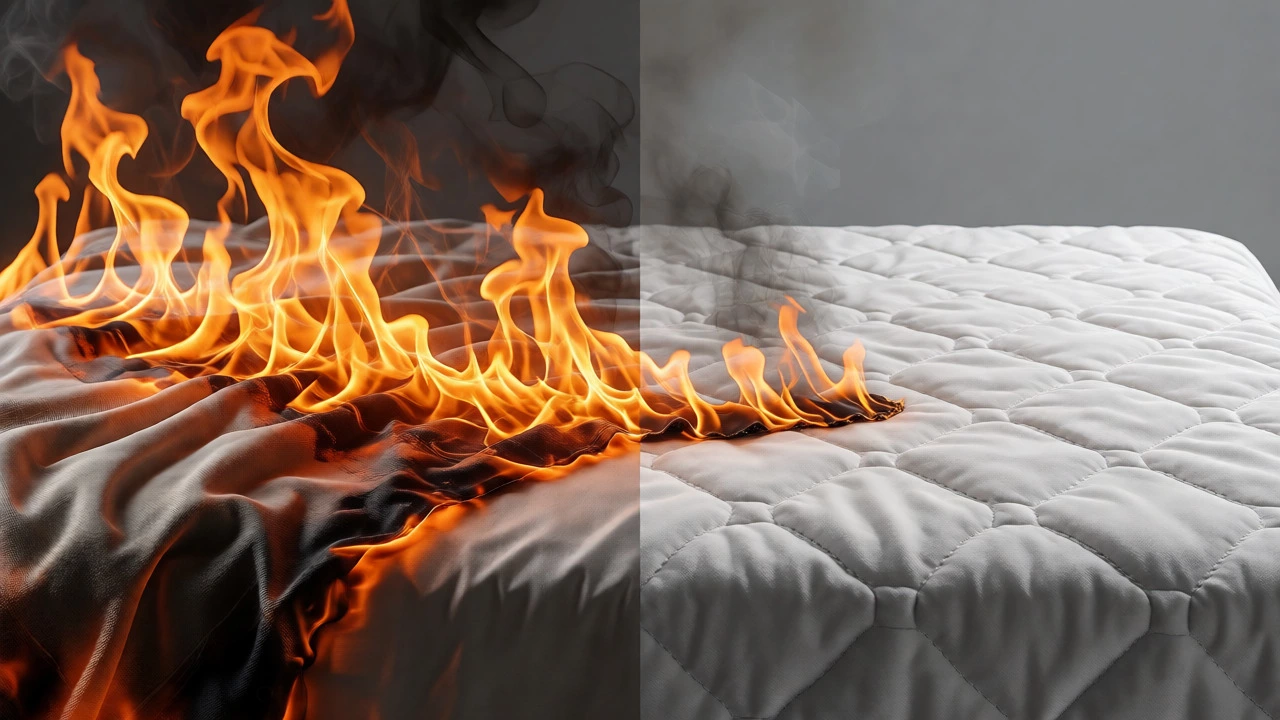
Consider the scenario: A guest falls asleep with a lit cigarette. With Class C cotton sheets, the flame could ignite the mattress within minutes, triggering a rapid flashover. With Class B bedding, the flame smolders and spreads slowly. This delay does three things:
- Gives smoke alarms time to wake the guest.
- Allows the guest to extinguish the source before it becomes unmanageable.
- Reduces the likelihood of total loss of the asset (the bed frame and mattress).
Insurance providers know this. Many commercial property policies offer lower premiums if the inventory meets recognized safety standards. By specifying Class B bedding in your procurement contracts, you create a paper trail that demonstrates due diligence. If a fire occurs, proving you installed code-compliant linens can be the difference between a covered claim and a lawsuit alleging negligence.
Comfort vs. Compliance: Do You Feel the Difference?
Historically, flame-retardant fabrics felt stiff, scratchy, or plastic-like. Early treatments coated the fibers so heavily that breathability suffered. Guests complained about sweating through their sheets. Modern manufacturing has largely solved this issue.
Today’s Class B bedding often uses micro-encapsulation techniques where the FR agent is bonded at the molecular level rather than sitting on the surface. This preserves the hand-feel of the cotton. You might notice a slight reduction in softness compared to untreated luxury Egyptian cotton, but the difference is negligible for most users. More importantly, modern blends often incorporate polyester or bamboo viscose to enhance durability while maintaining the required FSI scores.
Pro Tip: Always check the thread count claims alongside the safety certification. Some cheap suppliers inflate thread counts using multi-ply yarns to mask thinner, less durable fabrics that barely pass the fire tests. Look for certifications like NFPA 701 or ASTM E84 compliance documentation directly from the manufacturer, not just a vague "fire safe" label on the box.

Care and Maintenance for Longevity
You bought the right sheets. Now keep them compliant. Improper care is the number one reason Class B bedding fails inspection after a few years.
- Avoid Chlorine Bleach: Unless the manufacturer explicitly states it is safe, avoid chlorine bleach. It breaks down the chemical bonds of many FR treatments. Use oxygen-based bleaches instead.
- Monitor Wash Temperature: High heat can degrade synthetic fibers and accelerate the breakdown of coatings. Follow the care tag strictly. Usually, warm water is sufficient for sanitization when combined with proper detergent.
- Inspect Regularly: Check for thinning areas, especially near the headboard where friction is high. Thin fabric burns faster. If the fabric is translucent when held up to light, replace it.
- Keep Records: For commercial buyers, maintain a log of purchase dates and batch numbers. Fire marshals may ask for proof of compliance during inspections.
Remember, the goal isn't to make the bedding immortal. It's to ensure it performs its safety function for its intended lifespan. Most commercial linens last 1-3 years depending on turnover rates. Plan your replacement cycle accordingly.
Frequently Asked Questions
Is Class B bedding safe for children?
Yes, generally speaking. Class B refers to fire spread performance, not toxicity. However, parents concerned about chemical exposure should look for bedding treated with non-toxic, phosphorus-based flame retardants or inherently flame-resistant fibers like wool. Always check for OEKO-TEX certification if chemical sensitivity is a concern.
Can I treat my regular sheets to make them Class B?
You can spray them with consumer-grade flame retardant sprays, but this rarely guarantees a true Class B rating. These sprays are topical and wear off quickly with washing. For certified compliance, factory-treated bedding is far more reliable and durable than DIY solutions.
Does Class B mean the sheets won't melt?
No. Synthetic blends in Class B bedding can still melt and drip if exposed to direct flame for too long. The rating measures how fast the flame spreads across the surface area, not necessarily the melting point of the individual fibers. It slows the progression, giving you time to act.
How do I verify if my current bedding is Class B?
Check the product label or invoice for references to NFPA 701, BS 5852, or ASTM E84. If you bought generic retail sheets without these codes, they are likely Class C or unrated. Contact the manufacturer with the lot number if possible; they can provide test reports.
Is Class B bedding more expensive than regular bedding?
Yes, typically 15-30% more. The cost comes from specialized chemical treatments, rigorous testing, and higher-quality base fibers needed to withstand repeated laundering without losing safety properties. However, the extended lifespan and insurance benefits often offset the initial premium.