What is Cabbage Slang? A Guide to Shelving and Storage Terminology
Inventory Classification Tool: Rigid vs. Cabbage
Step 1: Product Characteristics
Select the characteristics that describe your product:
Step 2: Storage Conditions
Analysis Results
Enter product details and click Analyze to see safety recommendations.
You walk into a warehouse or browse an online store for heavy-duty racks, and you hear someone say they need to "stack the cabbage." It sounds like a farming instruction, but in the world of logistics and home organization, it means something very different. If you are looking at shelves, pallets, or inventory lists, understanding this specific slang can save you from major headaches.
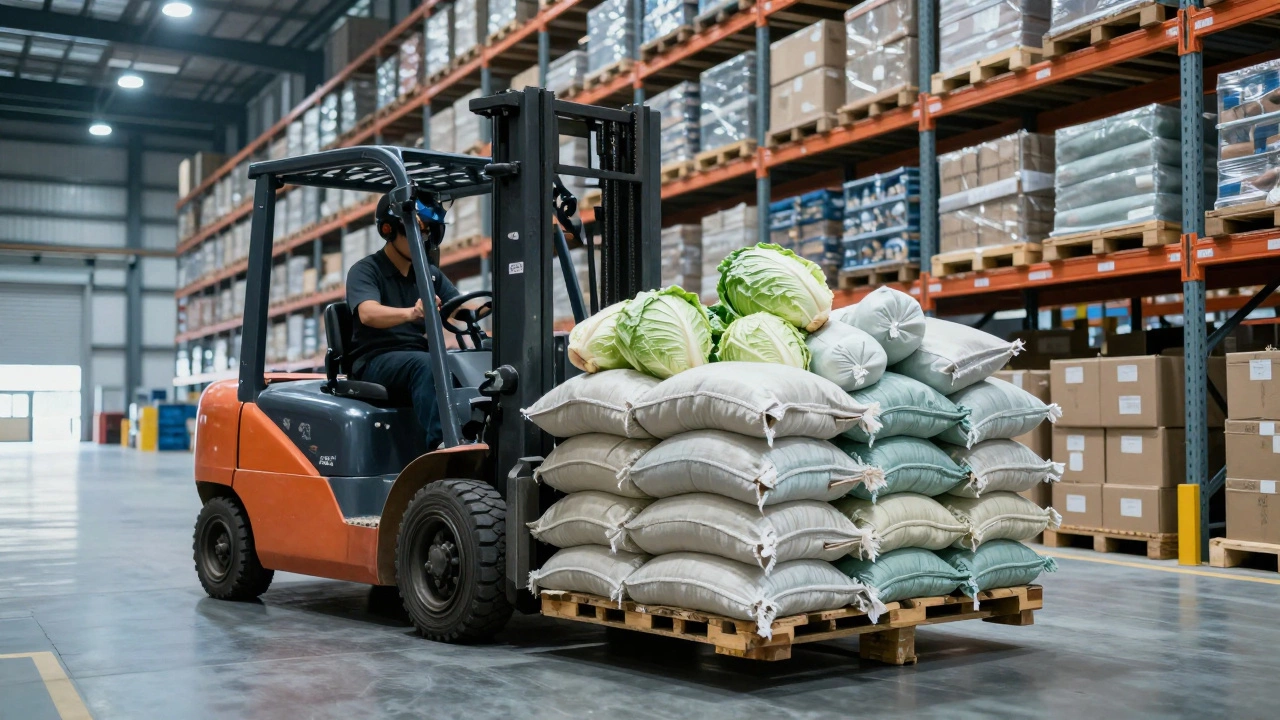
"Cabbage" in the context of shelving is a colloquial term used by warehouse workers and storage experts to describe loose, unorganized, or soft goods that require careful handling on racking systems. It refers to items that don't stack neatly like bricks. Think of bags of flour, boxes of cereal, or even actual produce. These items shift, crush, and slide if not managed correctly. When people ask, "what is cabbage slang," they are usually trying to decode why their inventory is getting damaged or why a forklift driver refused to place a load on top of another.
The Origin of the Term
Language in industrial settings evolves quickly. It starts as shorthand. In the early days of manual warehousing, head lettuce and cabbages were among the most common bulk agricultural products stored in coolers. They are bulky, fragile, and irregularly shaped. You cannot just pile them up haphazardly; the bottom layers get squashed into mush within hours. Over time, "cabbage" became a catch-all metaphor for any product that behaves like a head of lettuce: soft, compressible, and prone to shifting.
This term bridges the gap between warehouse operations is the systematic process of receiving, storing, and dispatching goods within a facility and everyday language. When a manager says, "watch the cabbage," they are warning you about load stability. It’s not just about vegetables anymore. Today, it applies to bags of dog food, rolls of carpet, or even poorly strapped cardboard boxes. Understanding this helps you communicate better with suppliers and logistics partners.
Why This Matters for Your Shelving Setup
If you are setting up a storage system, whether for a small business or a large distribution center, ignoring the nature of your "cabbage" leads to broken shelves and lost money. Standard industrial shelving is heavy-duty metal racks designed to hold significant weight in commercial environments is built for strength, but it assumes loads are static. Cabbage-type goods are dynamic. They move.
Consider the physics involved. A pallet of steel beams stays put. A pallet of loose sacks does not. If you place cabbage-style inventory on high-level shelving without proper containment, two things happen:
- Load Shifting: The items slide toward the front of the shelf when the rack vibrates (from nearby machinery or traffic). This creates a tipping hazard.
- Crushing Damage: If you stack multiple layers of these soft goods, the bottom layer collapses under the weight, ruining the product and potentially causing the upper layers to fall.
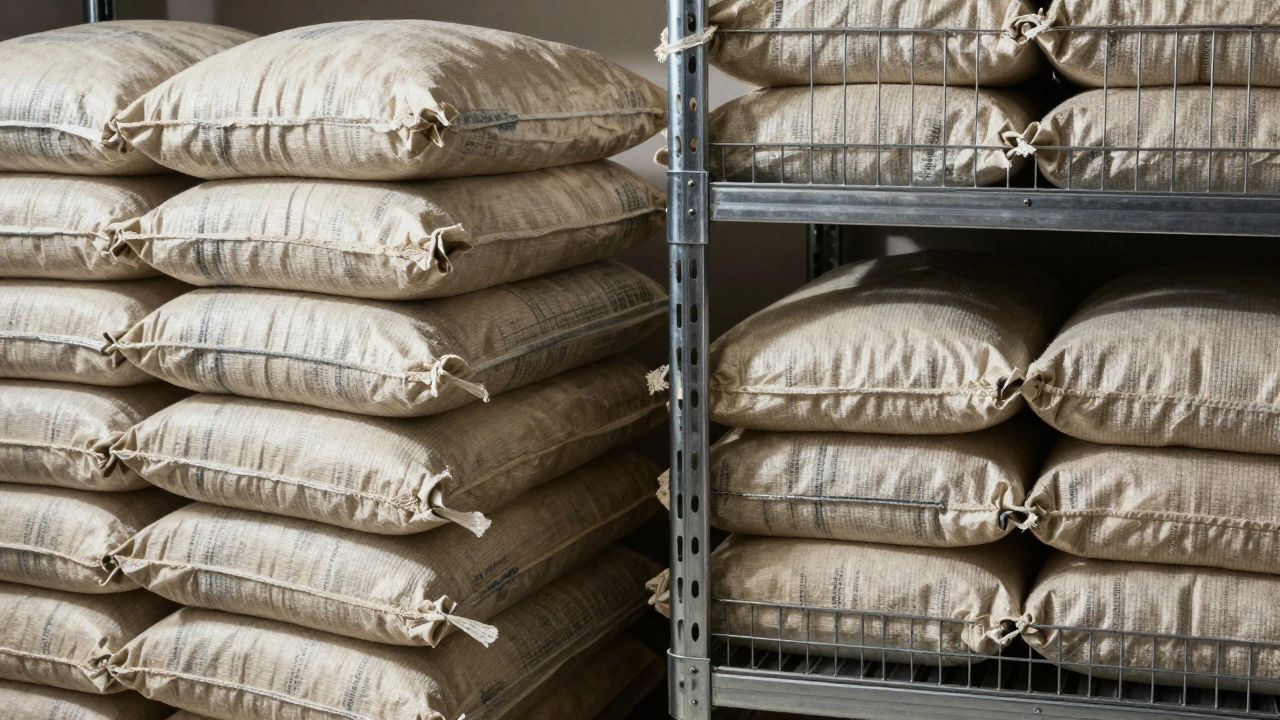
To mitigate this, you need more than just strong metal. You need specific accessories. Wire mesh decking prevents items from falling through gaps. Load bars keep stacks from sliding forward. And in many cases, you simply cannot stack cabbage goods above eye level without using enclosed bins or cages.
Identifying "Cabbage" Inventory in Your Business
Not all products are created equal. To apply this slang correctly, you need to audit your stock. Ask yourself: Does this item deform under pressure? Does it lack a rigid outer shell?
| Feature | Rigid Goods (e.g., Electronics) | Cabbage Goods (e.g., Soft Packaged Food) |
|---|---|---|
| Stackability | High - Can stack uniformly | Low - Requires individual support |
| Weight Distribution | Even across pallet base | Uneven, shifts during movement |
| Shelving Requirement | Standard beam shelving | Mesh decking or bin shelving |
| Damage Risk | Impact damage from drops | Compression damage from stacking |
If your answer is yes to deformation or shifting, you are dealing with cabbage. Common examples include:
- Bulk bags of grains or pet food
- Soft plastic-wrapped bundles
- Loose cartons without corner protectors
- Fresh produce in open crates
Recognizing these items allows you to segregate them. Keep cabbage goods on lower shelves where they are easier to access and less likely to cause injury if they fall. Use dedicated zones for these products to prevent cross-contamination with fragile, rigid items.
Best Practices for Storing Soft Goods
Once you have identified your cabbage inventory, how do you store it safely? The goal is to mimic the structure of a rigid box. Here are three practical steps:
- Use Pallet Wrapping Correctly: Don’t just wrap loosely. Apply stretch film with tension. For extra security, use interlayer paper between layers of soft goods to reduce friction and prevent slipping.
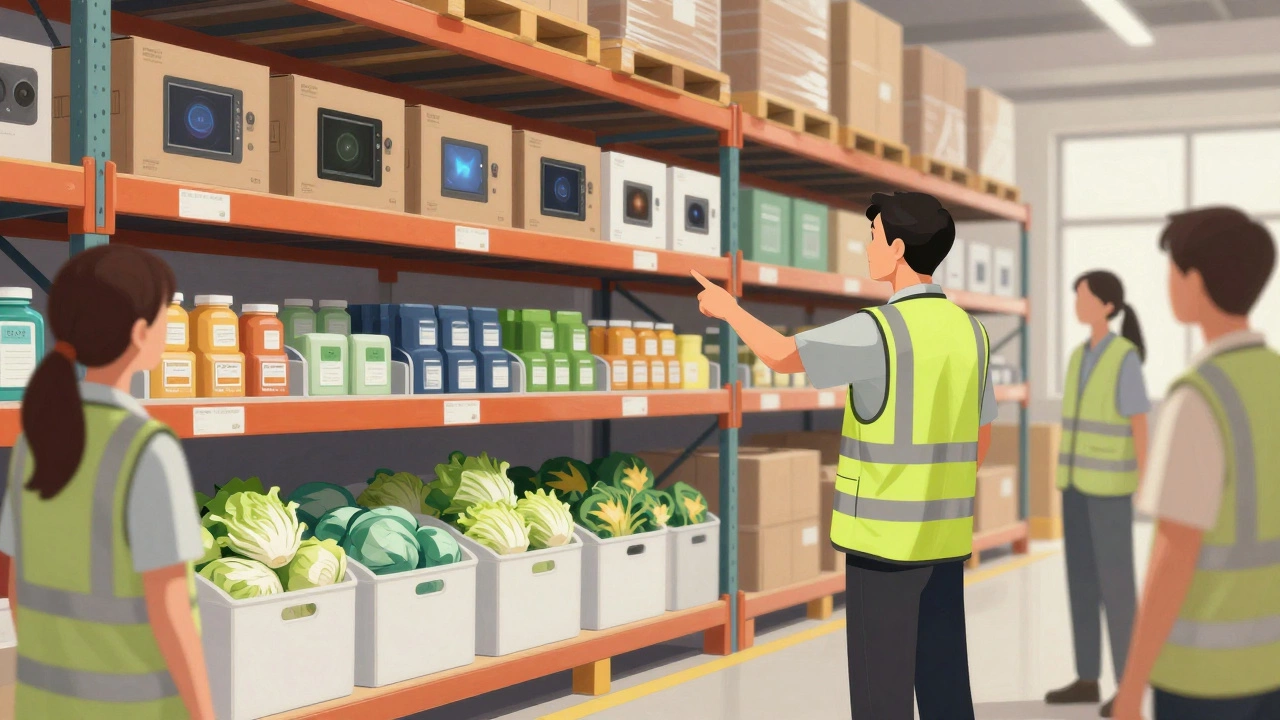
- Invest in Bin Shelving: For smaller cabbage items like hand tools or loose hardware, standard beams won’t work. You need bin shelving is storage units with compartments or baskets to organize small, loose items. This keeps everything contained and visible.
- Limit Stack Height: Establish a maximum height for each type of soft good. Write it down. Train your team. A stack of ten bags of rice might look fine, but if the bottom bag bursts, you lose the whole column.
In a professional logistics environment is the infrastructure and processes used to manage the flow of goods from origin to consumption, these rules are enforced strictly. In a home garage or small office, they are often ignored until something breaks. Don’t wait for the spill. Plan for the shift.
Communication and Safety
Finally, why does the slang matter for communication? Because clarity saves lives. If you tell a worker, "put that on the top shelf," and they assume it’s stable, they might take a shortcut. If you say, "that’s cabbage, treat it carefully," it triggers a specific set of safety protocols. It signals that the load is unstable.
Training staff to recognize these terms improves efficiency. New employees learn faster when they understand the underlying logic. "Cabbage" isn’t just a funny word; it’s a risk assessment tool. It tells you immediately that this item needs extra attention, special equipment, and careful placement.
By mastering this bit of industry vernacular, you align yourself with best practices in storage and safety. You stop guessing how to stack things and start applying proven methods. Whether you are managing a massive warehouse or just organizing your pantry, treating soft goods with respect ensures they stay intact and accessible.
Is "cabbage" slang only used in agriculture?
No. While it originated with agricultural products like lettuce and cabbages, the term has expanded to include any soft, compressible, or shifting goods in general warehousing and retail storage.
What kind of shelving is best for cabbage goods?
Bin shelving or wire mesh decking is ideal. These systems provide containment and support, preventing items from sliding off or falling through gaps in the shelves.
Can I stack cabbage goods on top of each other?
Generally, no. Stacking soft goods often leads to crushing damage. If stacking is necessary, use rigid containers or pallets with interlayer protection, and limit the height significantly.
Why is load shifting a danger in warehouses?
Load shifting can cause shelves to tip over, leading to property damage, lost inventory, and serious injury to workers. Soft goods are particularly prone to shifting due to vibration and movement.
How does understanding this slang help small businesses?
It helps small business owners choose the right storage equipment and train staff on safe handling procedures, reducing waste and improving operational efficiency.