What Is Bigger Than a Warehouse? Understanding Distribution Centers and Fulfillment Hubs
Logistics Facility Selector
Answer the questions below to find out which type of logistics facility best suits your current business model.
Recommended: ...
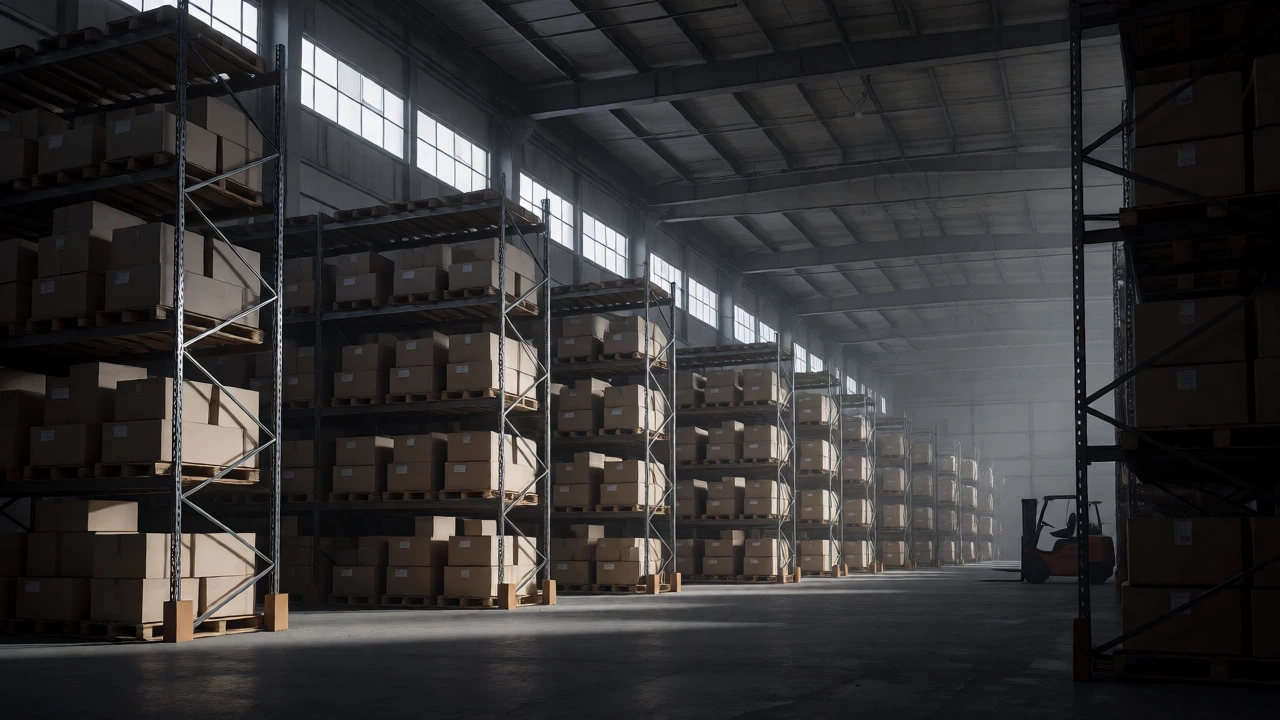
You walk into a standard warehouse, and it feels like a giant garage. It’s static. Boxes sit on shelves, waiting for someone to pick them up or move them to the next step. But what happens when you need something bigger? Not just physically larger, but functionally more complex? You’re looking at a distribution center. While people often use these terms interchangeably, they are distinct beasts in the logistics world. A warehouse stores; a distribution center moves. And if you think that’s the ceiling, wait until you see what a modern fulfillment center can do.
The Core Difference: Storage vs. Flow
Let’s clear up the confusion right away. If a warehouse is a library where books sit quietly on shelves, a distribution center is a busy train station. People come in, things get sorted, and they leave quickly. The primary job of a warehouse is inventory holding. You buy goods, put them in storage, and wait for demand. The clock isn’t ticking loudly here. You might keep stock for weeks or months.
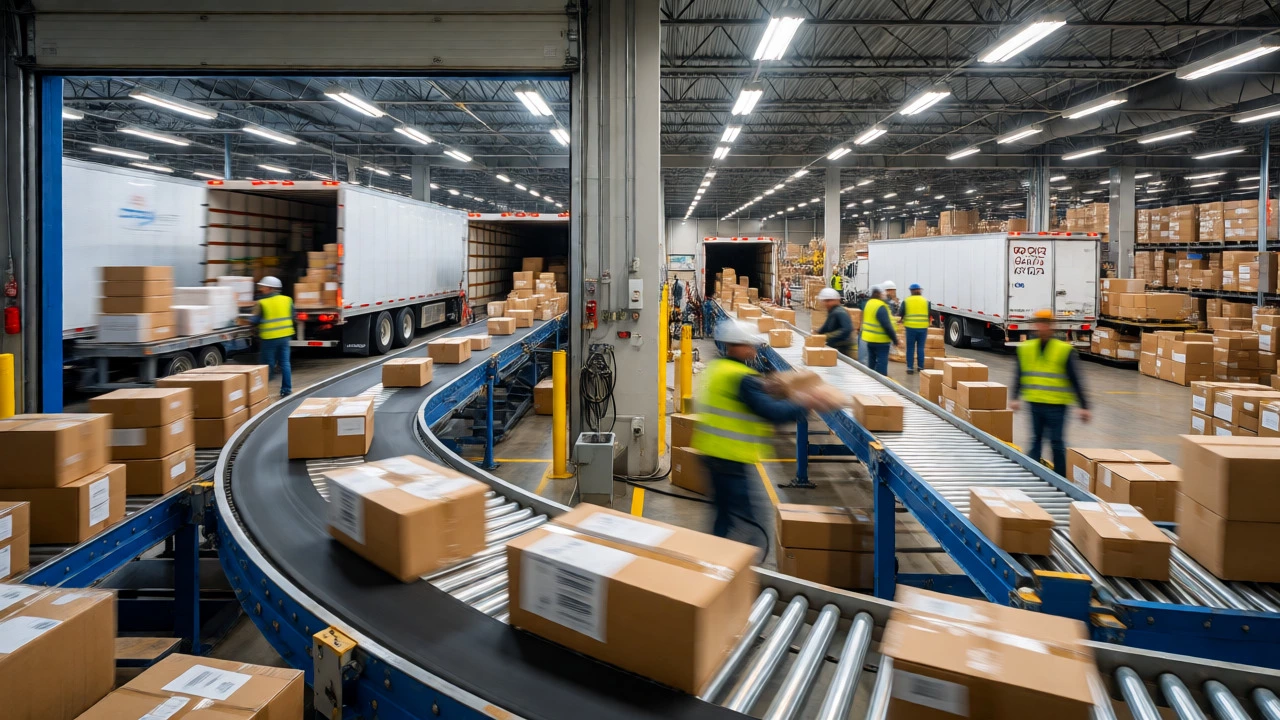
A distribution center (DC), however, operates on speed. Its goal is order fulfillment velocity. Goods enter the facility and exit within days, sometimes hours. This requires a completely different layout. In a DC, you don’t have deep rows of static shelving. You have cross-docking areas where trucks unload directly onto outbound vehicles. The infrastructure supports rapid turnover. If your business relies on keeping costs low by storing excess inventory, a warehouse works. If you rely on getting products to customers fast, you need a DC.
Why Distribution Centers Are "Bigger" in Scope
When we ask what is bigger than a warehouse, we aren’t just talking about square footage. We’re talking about operational complexity. A typical warehouse might handle 50-100 SKUs (Stock Keeping Units). A distribution center often manages thousands. Why? Because DCs serve as regional hubs. They receive bulk shipments from manufacturers, break them down, and redistribute them to retail stores or end consumers.
This breaking-down process, known as deconsolidation, adds layers of activity. You need sorting lines, labeling stations, and quality control checks. The technology stack is heavier too. While a warehouse might use basic barcode scanners, a DC runs on sophisticated Warehouse Management Systems (WMS) integrated with Transport Management Systems (TMS). These systems predict traffic patterns, optimize truck loading, and track every pallet in real-time.
| Feature | Warehouse | Distribution Center | Fulfillment Center |
|---|---|---|---|
| Primary Function | Long-term storage | Short-term storage & redistribution | Direct-to-consumer order processing |
| Inventory Turnover | Low (weeks/months) | Medium (days/weeks) | High (hours/days) |
| Customer Type | B2B (Business to Business) | B2B (Retailers/Wholesalers) | B2C (Business to Consumer) |
| Automation Level | Basic (forklifts, racks) | Moderate (conveyors, sorters) | Advanced (robots, AI picking) |
| Location Strategy | Near manufacturing ports | Near major transport hubs | Near population centers |
The Next Step Up: Fulfillment Centers
If a distribution center is a train station, a fulfillment center is a high-speed courier hub dedicated solely to individual packages. This is where e-commerce changed the game. Companies like Amazon didn’t just build big warehouses; they built networks of fulfillment centers designed to ship single items to millions of homes.
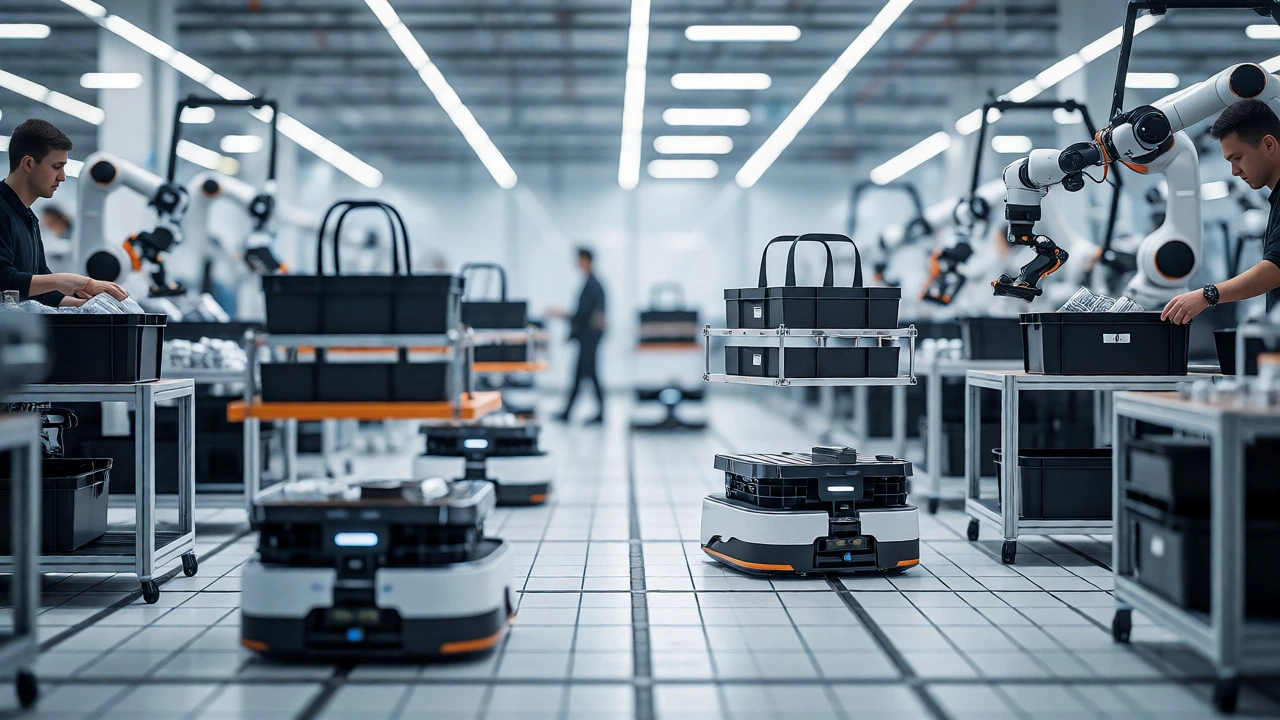
These facilities are technically smaller in footprint per unit of output but vastly more complex internally. You won’t find huge pallets sitting around. Instead, you see bins, tote systems, and robotic arms moving items to human packers. The focus shifts from bulk movement to granular accuracy. Picking a single pair of shoes from a bin of 5,000 pairs requires precision. Errors here cost money and customer trust.
Because fulfillment centers deal with final-mile delivery, their location matters differently. They cluster near dense urban areas to reduce shipping times. A warehouse might be in rural New Jersey because land is cheap. A fulfillment center serving New York City will be in Queens or Brooklyn, even if rent is higher, because saving two hours on delivery time wins sales.
Cross-Docking Facilities: The Speed Demons
Some operations skip storage entirely. Enter the cross-docking facility. Here, goods arrive on inbound trucks and are immediately loaded onto outbound trucks with little to no storage in between. Think of it as a relay race baton handoff.
This model reduces inventory holding costs to nearly zero. Retail giants like Walmart use cross-docking extensively. Groceries, which spoil quickly, move through these hubs faster than any traditional warehouse could handle. The "bigness" here isn’t in shelf space but in dock doors. A massive cross-dock facility might have 100+ loading bays, constantly cycling trucks in and out. It’s less about building height and more about horizontal flow efficiency.
How to Choose the Right Facility Size for Your Business
So, how do you know which tier you need? It comes down to three questions:
- Who buys your product? If you sell to other businesses in bulk, a warehouse or DC suffices. If you sell to individuals one-by-one, you need a fulfillment center.
- How long does inventory sit? If your stock sits for months, prioritize storage density (warehouse). If it moves in days, prioritize throughput speed (DC/Fulfillment).
- Where are your customers? Centralized warehouses save on real estate. Decentralized fulfillment networks save on shipping costs and time.
Many growing companies start with a simple 3PL (Third-Party Logistics) warehouse contract. As sales volume spikes, especially during holiday seasons, they shift to multi-node fulfillment networks. This transition is expensive but necessary for scaling. Don’t try to force a warehouse to act like a fulfillment center. You’ll end up with slow shipping and high error rates.
The Future: Micro-Fulfillment and Automation
The trend is moving toward smaller, smarter units. Micro-fulfillment centers (MFCs) are popping up inside grocery stores and urban basements. They use vertical robotics to store thousands of items in a tiny footprint. This solves the last-mile problem by placing inventory minutes away from the customer.
Meanwhile, automated guided vehicles (AGVs) are replacing forklifts in large DCs. These robots navigate aisles autonomously, bringing shelves to workers instead of workers walking to shelves. This "goods-to-person" model increases picking speed by 300% compared to traditional methods. If you’re planning expansion now, factor in automation readiness. High ceilings and wide aisles are becoming obsolete in favor of grid-based robotic layouts.
Is a distribution center always larger than a warehouse?
Not necessarily in physical size, but yes in operational scope. A small warehouse can hold more total inventory volume than a medium-sized distribution center. However, the DC handles more transactions, more SKUs, and more complex routing logic per square foot. The "bigness" refers to logistical capacity, not just cubic meters.
Can I turn my warehouse into a fulfillment center?
You can adapt it, but it requires significant investment. You need to reconfigure racking for piece-picking rather than pallet storage. You also need better software integration for consumer orders and packing stations for individual boxes. Often, it’s cheaper to lease a separate fulfillment space than to retrofit an old warehouse designed for bulk storage.
What is cross-docking and why is it considered advanced?
Cross-docking is the practice of unloading materials from an incoming truck and loading them directly onto outbound trucks with minimal storage time. It’s considered advanced because it requires perfect timing and coordination. Any delay in inbound arrivals disrupts the entire outbound schedule. It eliminates storage costs but demands high visibility across the supply chain.
Do fulfillment centers require more staff than warehouses?
Per unit of inventory, yes. Fulfillment centers are labor-intensive because each order must be picked, packed, and labeled individually. Warehouses move bulk pallets with fewer touches. However, modern fulfillment centers heavily utilize automation to offset this labor cost, whereas warehouses often rely on manual forklift operation.
Which facility type is best for e-commerce startups?
Startups usually benefit from using third-party fulfillment centers initially. Building your own infrastructure is capital-heavy. 3PL providers offer flexible contracts where you pay only for the space and picks you use. This allows you to scale up during peak seasons without signing long-term leases on large warehouse spaces.