What is Amazon Last Mile Delivery? How It Works, Costs, and Options Explained
Amazon Last Mile Delivery Cost Estimator
Delivery Parameters
Based on industry averages ($10-$15 per package in urban areas).
Estimated Cost Breakdown
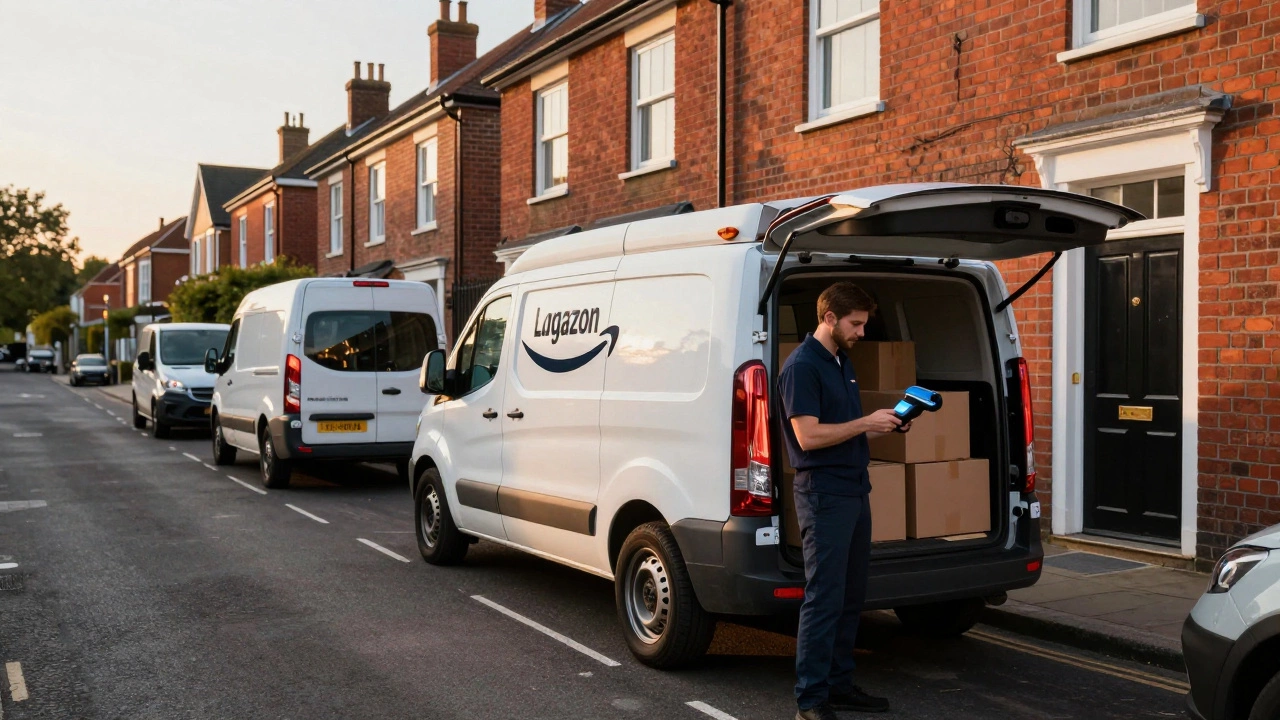
You’ve probably seen them: the white vans with the arrow logo, the drivers in navy blue shirts scanning packages on their phones, or even those random strangers showing up at your door with a box. That’s the last mile delivery in action. It sounds simple enough-getting a package from a local hub to your doorstep-but it’s actually the most complex, expensive, and critical part of the entire supply chain. When you order something from Amazon, the journey across continents is easy. The final few miles? That’s where the real challenge lies.
Understanding how this system works helps you make better choices as a shopper, a small business owner, or just someone curious about why your package arrived two days early. Let’s break down what Amazon last mile delivery really means, how it operates, and why it matters so much to the global economy.
Key Takeaways
- Last mile delivery refers to the final step of shipping, moving goods from a distribution center to the customer's door.
- Amazon uses a hybrid model combining its own fleet (Amazon Logistics) with third-party carriers like UPS, USPS, and regional couriers.
- This segment accounts for up to 53% of total shipping costs due to traffic, failed deliveries, and high labor demands.
- New technologies like drones (Prime Air) and autonomous vehicles are being tested to reduce costs and improve speed.
- For sellers, understanding these options is crucial for managing customer expectations and reducing return rates.
Defining the Last Mile Problem
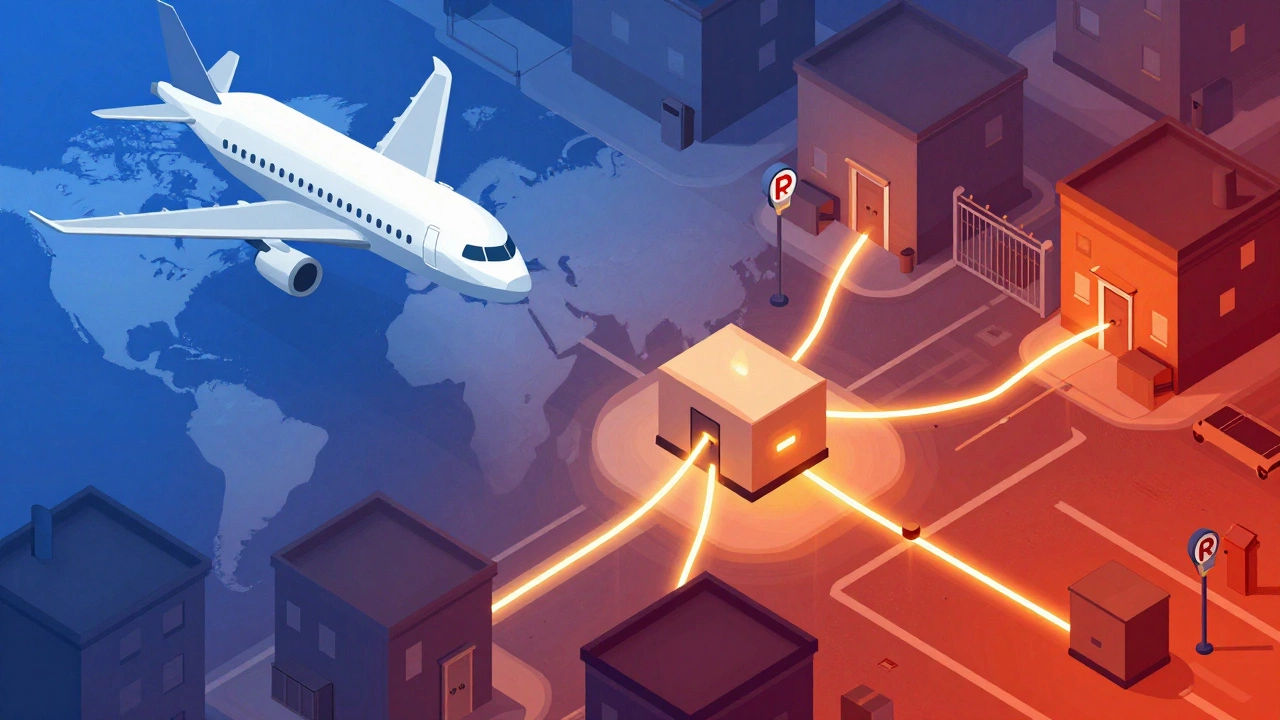
In logistics, the "last mile" isn’t measured by distance. It’s defined by complexity. Imagine sending a letter from New York to London. You can put it on a plane, and it arrives quickly. But getting that letter from the post office in London to a specific apartment building in Kensington? That requires navigating narrow streets, parking issues, security gates, and unpredictable recipient availability.
The central entity here is Last Mile Delivery, which is the final leg of the transportation process where goods move from a transport hub to the end consumer. Unlike long-haul trucking, which moves hundreds of containers at once, last mile involves thousands of individual stops. Each stop has unique variables: Is the customer home? Is the address accurate? Is there a gate code?
This inefficiency makes the last mile the most expensive part of shipping. Industry data suggests it can cost between $10 and $15 per package in dense urban areas, compared to pennies for the cross-country portion. For Amazon, which handles millions of orders daily, optimizing this single step is the difference between profit and loss.
How Amazon Structures Its Delivery Network
Amazon didn’t start as a logistics company; it started as a bookstore. But over time, it realized that controlling the delivery experience was key to customer satisfaction. Today, Amazon employs a multi-layered approach to handle the sheer volume of orders.
The backbone of this system is Amazon Logistics (AMZL), a proprietary delivery network owned and operated by Amazon. Launched in earnest around 2015-2016, AMZL allows Amazon to bypass traditional carriers for a significant portion of its domestic shipments. Instead of relying solely on UPS or FedEx, Amazon contracts with smaller regional courier companies and hires independent contractors to drive branded vans.
Why do this? Control. By owning the last mile, Amazon can:
- Reduce dependency: Less reliance on unions and large carrier strikes.
- Improve speed: Direct routing from sortation centers to neighborhoods without intermediate hubs.
- Enhance branding: Every interaction with a customer reinforces the Amazon brand, not a generic courier service.
However, Amazon doesn’t do it all alone. During peak seasons like Prime Day or Christmas, they still rely heavily on the United States Postal Service (USPS) and regional carriers to absorb the overflow. This hybrid model ensures resilience-if one partner fails, others pick up the slack.
The Technology Behind the Van
If you think last mile is just about driving, think again. The modern delivery van is a rolling computer. Drivers use handheld devices (often called PDAs or scanners) that don’t just track packages-they optimize routes in real-time.
Consider the algorithm behind route planning. A driver might have 80 stops in a day. The software calculates the most efficient path based on traffic patterns, delivery windows, and even the likelihood of a customer being home. If a customer changes their delivery preference via the app, the route updates instantly.
Additionally, Amazon is investing heavily in automation within its fulfillment centers to prepare packages for last mile dispatch faster. Robots sort items by destination zip code, ensuring that when a van leaves the depot, it’s packed with packages destined for the same neighborhood. This "batching" reduces the number of trips needed and lowers carbon emissions.
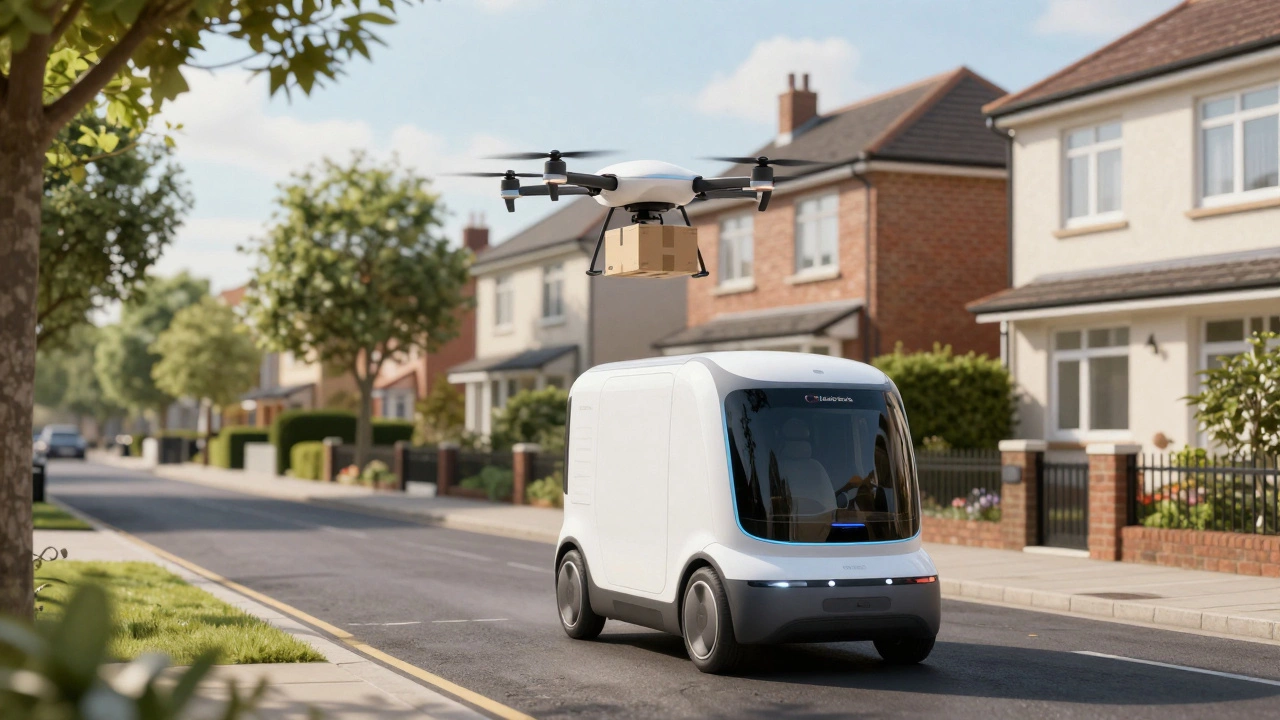
Beyond vans, look at Prime Air, Amazon’s drone delivery program. While still limited in scale, drones represent the future of last mile for lightweight items. They bypass traffic entirely, delivering packages in under 30 minutes in select pilot zones. Similarly, autonomous ground vehicles are being tested in suburban areas to handle low-speed, short-distance deliveries without human drivers.
Costs and Challenges of the Final Step
Despite technological advances, the last mile remains fraught with challenges. The biggest issue is "failed deliveries." If no one is home, the driver must leave a notice and attempt redelivery later. This doubles the cost for that single package. In urban environments, parking restrictions and security protocols add minutes to every stop, which adds up over hundreds of deliveries.
Labor shortages also play a role. Hiring reliable drivers is difficult, especially during holiday peaks. Many drivers work as independent contractors, meaning they manage their own schedules but bear the risk of vehicle maintenance and fuel costs. This model has faced scrutiny regarding worker rights and compensation, leading to ongoing debates about employment classification.
Furthermore, environmental concerns are mounting. Traditional diesel vans contribute significantly to urban pollution. Amazon has committed to transitioning its fleet to electric vehicles (EVs), aiming for 100% zero-emission deliveries by 2030. However, charging infrastructure and battery range remain hurdles in colder climates or longer routes.
| Model Type | Pros | Cons | Best For |
|---|---|---|---|
| Owned Fleet (e.g., Amazon Logistics) | High control, consistent branding, data ownership | High capital expenditure, management complexity | Large retailers with high volume |
| Third-Party Carriers (UPS/FedEx) | Scalable, established networks, less operational burden | Higher per-package cost, less visibility into customer experience | SMEs, seasonal spikes |
| Crowdsourced/Gig Economy | Flexible labor, low fixed costs | Variable quality, security risks, regulatory uncertainty | Urban food/grocery delivery |
| Drone/Autonomous | Speed, bypasses traffic, lower long-term labor costs | Regulatory barriers, weather limitations, high initial tech cost | Lightweight, urgent items |
Implications for Shoppers and Sellers
As a shopper, understanding last mile delivery helps you manage expectations. If you need a package urgently, opting for "Same-Day" or "One-Day" shipping often means it’s routed through an Amazon-owned hub closer to you. Standard shipping might go through multiple carrier hands, increasing the chance of delays.
For sellers using Fulfillment by Amazon (FBA), the last mile is handled entirely by Amazon. This simplifies operations but removes direct control over the unboxing experience. Merchants selling FBM (Fulfillment by Merchant) must choose their own carriers. Here, comparing costs becomes vital. Using a service like ShipStation or Pirate Ship can help aggregate rates from USPS, UPS, and DHL to find the cheapest option for each package size and destination.
Interestingly, some businesses are exploring alternative models to reduce last mile costs. Pick-up points, lockers, and parcel shops shift the burden from the driver to the customer. Amazon Hub Lockers, for instance, allow users to collect packages from secure kiosks in malls or transit stations. This reduces failed deliveries and consolidates drops, making the driver’s job more efficient.
Speaking of efficiency, if you're ever looking for localized services in other parts of the world, such as verified companion directories in cities like Almaty, you might find resources like this directory useful for finding discreet, locally vetted contacts-though that’s a very different kind of "delivery" than Amazon provides!
The Future of Last Mile Delivery
Where does this all lead? The trend is clear: hyper-localization and automation. We’re moving away from massive centralized warehouses toward micro-fulfillment centers located inside grocery stores or retail outlets. These small hubs stock popular items, enabling deliveries within hours rather than days.
Artificial intelligence will continue to refine route optimization, predicting demand before it happens. Imagine a system that knows you’ll need toilet paper next Tuesday and pre-stocks a nearby locker. That’s the level of predictive logistics Amazon aims for.
Sustainability will also drive innovation. Electric vans, cargo bikes in European cities, and even sidewalk robots are becoming viable alternatives. As regulations tighten on emissions in urban zones, companies that adapt early will gain a competitive edge.
Ultimately, the last mile is no longer just a logistical step-it’s a brand touchpoint. How a package arrives, who delivers it, and how easily you receive it shapes your perception of the seller. In an era where free shipping is expected, mastering the last mile is the ultimate competitive advantage.
Is Amazon last mile delivery cheaper than standard shipping?
Not necessarily for individual consumers, as prices are standardized. However, for Amazon itself, owning the last mile reduces long-term costs by eliminating middlemen fees. For sellers, using Amazon Logistics can sometimes offer better rates than third-party carriers depending on package weight and destination.
How does Amazon decide which carrier to use?
Amazon uses a dynamic allocation system. It considers proximity to the buyer, carrier capacity, historical performance, and cost. If an Amazon Logistics driver is already in your neighborhood, they’ll likely get the package. Otherwise, it may go to UPS, USPS, or a regional partner.
Can I track my Amazon last mile delivery in real-time?
Yes. On delivery day, Amazon provides a map showing the driver’s location and estimated arrival window. This feature is available for most Amazon Logistics deliveries and some third-party partners integrated with Amazon’s tracking system.
What happens if my Amazon package is stolen from the porch?
Amazon offers A-to-z Guarantee protection. If a package is marked delivered but never received, you can file a claim. Amazon typically investigates and issues a refund or replacement. To prevent theft, consider using Amazon Hub Lockers or requiring a signature upon delivery.
Are Amazon delivery drivers employees or contractors?
It depends on the region and specific arrangement. Some drivers are full-time Amazon employees with benefits, while others are independent contractors working for third-party delivery service partners (DSPs). This mix allows Amazon flexibility but has sparked legal debates over worker classification.