What is a Zen Bathroom? A Guide to Creating Calm at Home
Zen Bathroom Score Calculator
Rate your current bathroom setup below to determine your "Zen Score." The higher the score, the closer you are to a personal sanctuary.
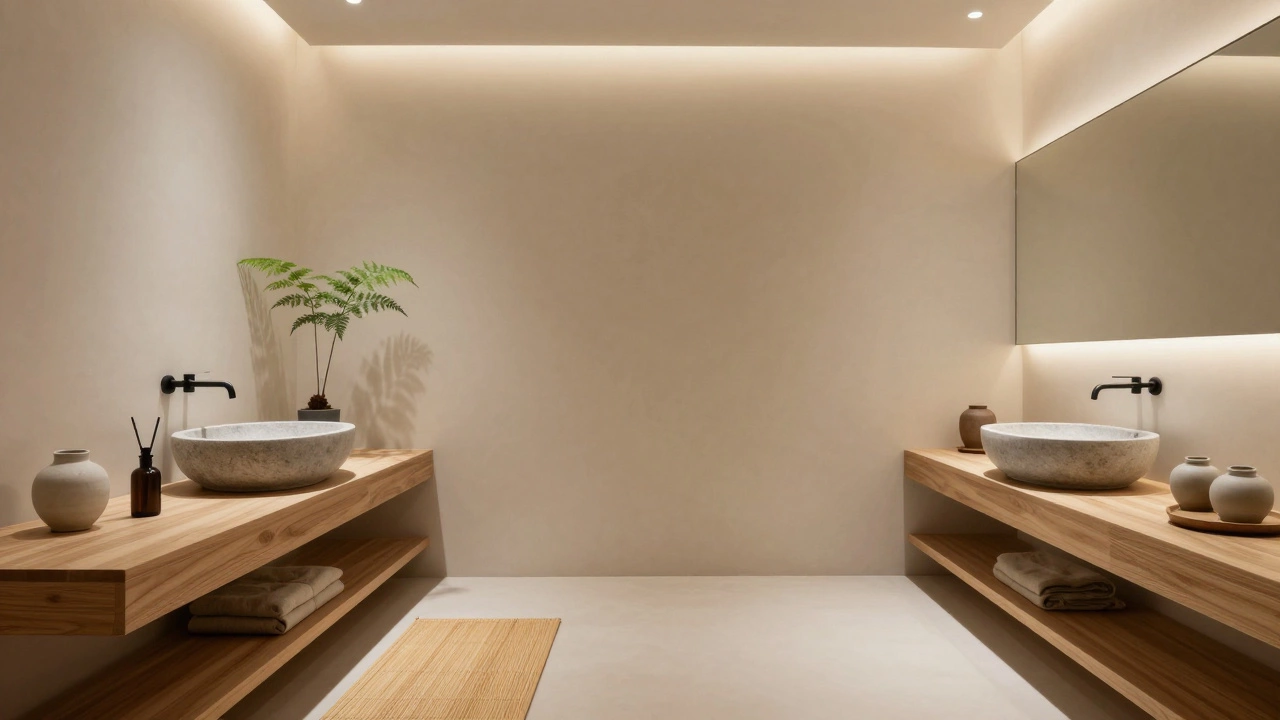
Picture this: you walk into your bathroom after a long day. The air smells faintly of eucalyptus or sandalwood. There are no piles of towels, no cluttered countertops, and the lighting is soft. Instead of feeling rushed, you feel like you’ve stepped into a quiet sanctuary. This isn’t a luxury hotel in Bali; it’s your home. This is what people mean when they talk about a Zen bathroom.
A Zen bathroom isn’t just about buying expensive Japanese-style toilets or installing a rain shower head. It’s a design philosophy rooted in simplicity, natural materials, and mindfulness. It transforms a functional room into a place for mental reset. If you’re tired of chaotic mornings and stressful evenings, creating this kind of space might be exactly what your routine needs.
The Core Philosophy: Less is More
At its heart, Zen design comes from Japanese aesthetics and Buddhist principles. The goal is harmony between humans and their environment. In a bathroom context, this means stripping away the unnecessary. Every object in the room should have a purpose and a place. If it doesn’t serve a function or bring genuine joy, it goes.
This approach directly combats the stress caused by visual clutter. When your eyes land on a sink covered in toothbrushes, expired lotions, and random bottles, your brain registers chaos. By clearing that space, you lower your cortisol levels before you even brush your teeth. It sounds simple, but the psychological impact is significant.
- Simplicity: Clean lines and uncluttered surfaces.
- Naturalness: Using wood, stone, bamboo, and plants.
- Mindfulness: Designing the space to encourage slow, intentional movement.
Key Elements of a Zen Bathroom Design
You don’t need to knock down walls to achieve this look. You can start with small changes that shift the energy of the room. Here are the foundational elements that define a Zen aesthetic.
1. Neutral Color Palettes
Forget bright yellows or bold blues. Zen bathrooms rely on earth tones. Think whites, creams, soft grays, and warm beiges. These colors reflect light softly and create a sense of spaciousness. If you want a bit of contrast, use dark wood accents or black fixtures, but keep them minimal. The goal is to make the eye rest, not dart around looking for stimulation.
2. Natural Materials
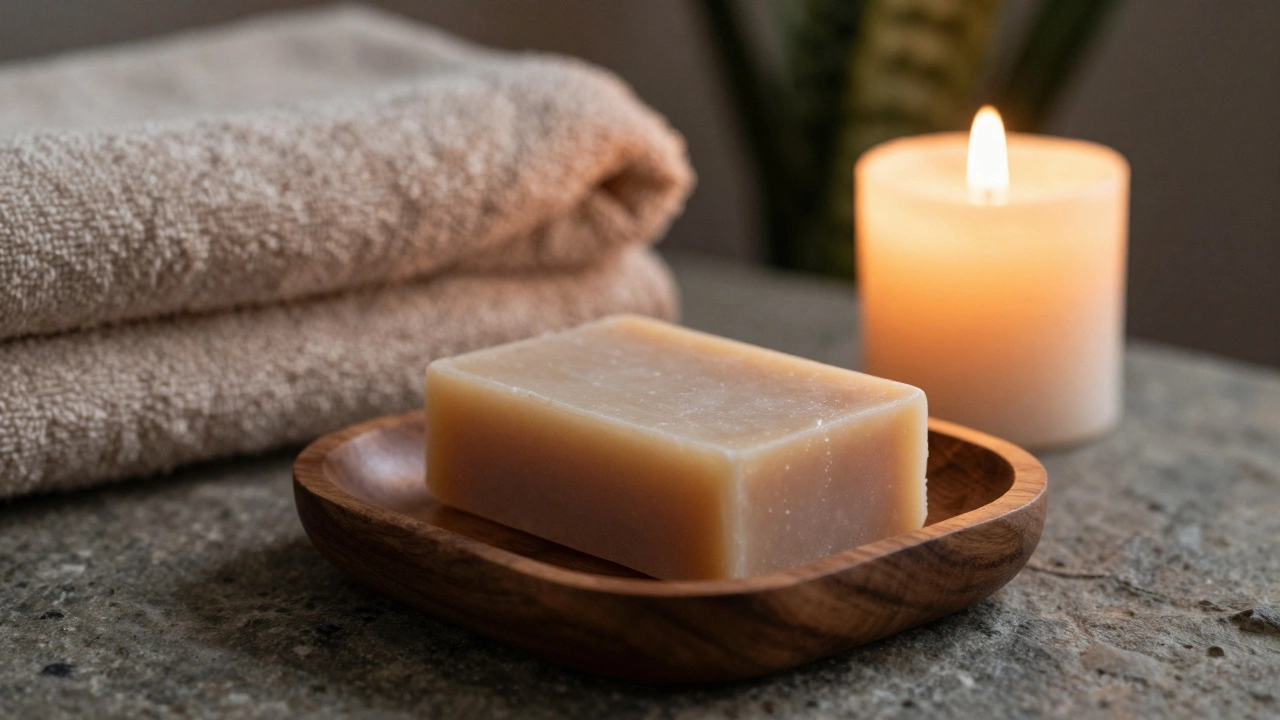
Synthetic plastics and glossy laminates often feel cold and cheap. Replace them where possible. Use wooden trays for soap, stone jars for cotton balls, and bamboo mats for the floor. Even if you have tile floors, adding a woven rug introduces texture and warmth. Wood absorbs sound, making the room quieter and more peaceful.
3. Soft, Layered Lighting
Overhead fluorescent lights are the enemy of relaxation. They create harsh shadows and mimic an office environment. Switch to warm-white bulbs (around 2700K). Add dimmer switches so you can adjust the mood. Consider adding candlelight or salt lamps for evening routines. The light should glow, not glare.
| Feature | Standard Bathroom | Zen Bathroom |
|---|---|---|
| Color Scheme | Bright, high-contrast colors | Neutral, earthy tones |
| Materials | Plastic, chrome, laminate | Wood, stone, bamboo, ceramic |
| Lighting | Bright overhead fluorescents | Warm, dimmable, layered sources |
| Clutter Level | Visible products on counters | Hidden storage, empty surfaces |
| Scents | Strong chemical cleaners | Subtle essential oils or fresh air |
Essential Accessories for a Serene Space
Accessories play a huge role in setting the tone. But in a Zen bathroom, "accessory" doesn’t mean decorative knick-knacks. It means tools that enhance the ritual of self-care. Here is how to choose the right items.
Storage Solutions
Clutter is the biggest barrier to peace. Invest in closed storage. Wooden cabinets, wicker baskets, or ceramic bins hide the messy reality of daily toiletries. Keep only one or two items on the counter-perhaps a single soap dispenser and a small plant. Everything else should be tucked away. This creates a visual pause that signals your brain to relax.
Bath Towels and Textiles
Your towels shouldn’t just be functional; they should feel luxurious. Choose high-quality cotton or linen in neutral colors. Fold them neatly or hang them on a dedicated rack rather than leaving them draped over a shower rod. A plush bath mat made of natural fibers adds comfort underfoot and ties the room together.
Aromatherapy and Scents
Scent is powerful. It bypasses logic and goes straight to emotion. Avoid overpowering synthetic fragrances. Instead, use essential oil diffusers with calming scents like lavender, chamomile, or cedarwood. Alternatively, place a small bowl of dried potpourri or a bundle of fresh herbs on a shelf. The smell should be subtle enough that you notice it only when you stop and breathe deeply.
Living Elements
Bring nature inside. A small potted plant like a fern, orchid, or snake plant thrives in humid environments and adds life to the room. Just ensure it gets enough light. If live plants are too much work, consider a framed print of a landscape or a simple branch in a vase. The connection to nature reduces anxiety and improves focus.
Creating Rituals in Your Bathroom
A Zen bathroom is not just a static design; it’s a dynamic space for practice. How you use the room matters as much as how it looks. Try incorporating these habits:
- Morning Mindfulness: Spend five minutes brushing your teeth without checking your phone. Focus on the sensation of the bristles and the taste of the toothpaste.
- Evening Unwinding: Draw a warm bath with Epsom salts. Light a candle. Leave your phone in another room. Use this time to decompress from the day.
- Regular Decluttering: Once a week, spend ten minutes removing expired products and organizing shelves. Maintenance keeps the Zen vibe alive.
These rituals turn mundane tasks into moments of care. You’re not just cleaning your body; you’re honoring it. This shift in perspective is what makes a Zen bathroom truly effective.
Common Mistakes to Avoid
Many people try to create a Zen bathroom but end up with a sterile, impersonal space. Here’s what to watch out for:
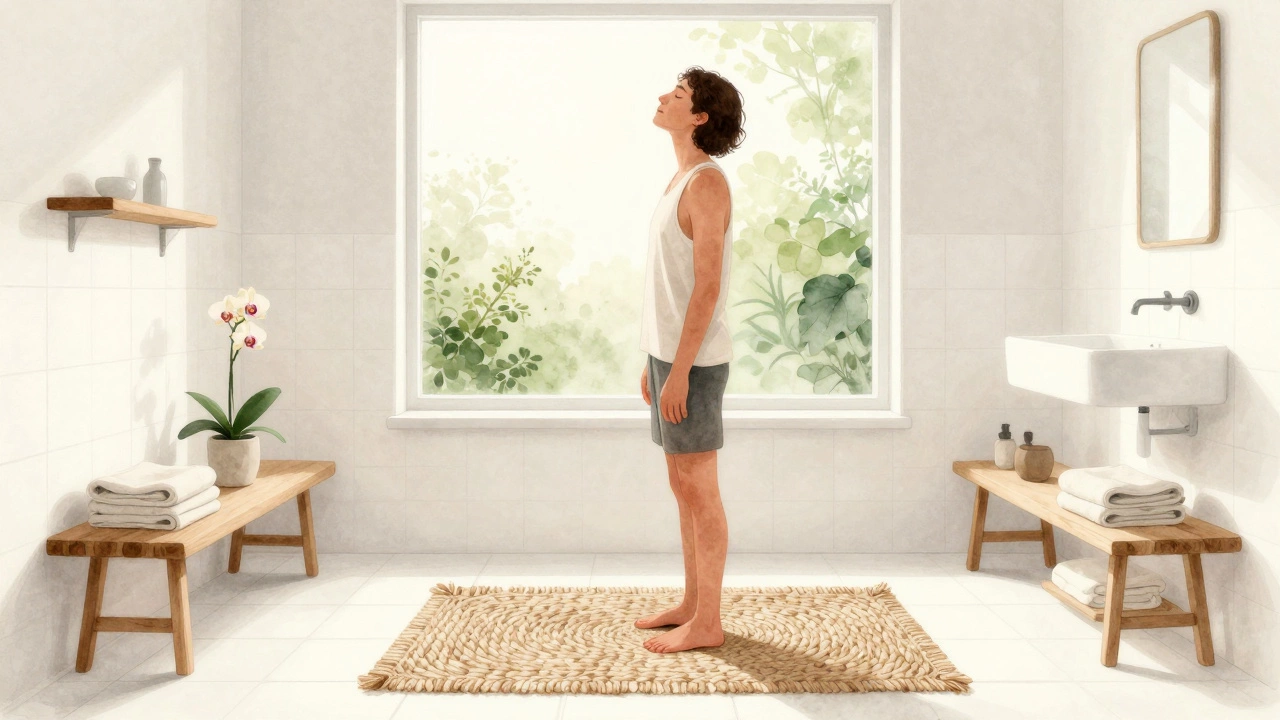
- Too Minimal: Removing everything can make the room feel cold. Add texture through rugs, wood, or fabric to keep it inviting.
- Ignoring Function: Beauty shouldn’t sacrifice utility. Ensure your storage is accessible and your lighting allows you to see clearly for grooming tasks.
- Copying Trends Blindly: Don’t buy items just because they look "Zen." Choose pieces that resonate with you personally. Authenticity matters more than aesthetics.
Conclusion: Your Personal Sanctuary
Creating a Zen bathroom is an investment in your mental well-being. It requires intention, patience, and a willingness to let go of excess. But the reward is a daily retreat from the noise of modern life. Whether you renovate completely or simply declutter and add a few natural touches, the result is the same: a space that breathes calm into your day.
Start small. Clear the counter. Change the bulb. Add a plant. Notice how the change affects your mood. Over time, these small adjustments build a sanctuary that supports your health and happiness.
Do I need to renovate my bathroom to make it Zen?
No, renovation is not required. You can achieve a Zen atmosphere through decluttering, changing lighting, adding natural textures like wood or stone accessories, and introducing plants. Small, affordable changes often have the biggest impact on the room's vibe.
What colors are best for a Zen bathroom?
Stick to neutral, earthy tones such as white, cream, beige, soft gray, and light brown. These colors promote calmness and make the space feel larger and more open. Avoid bright, stimulating colors like red or neon blue.
Can I have a Zen bathroom in a small apartment?
Absolutely. Zen design actually works better in smaller spaces because it emphasizes simplicity and lack of clutter. Use vertical storage, mirrors to create depth, and multi-functional furniture to maximize space while maintaining a serene aesthetic.
How do I maintain a Zen bathroom over time?
Maintenance is key. Adopt a "one in, one out" rule for new products. Regularly declutter shelves and drawers. Wipe down surfaces daily to prevent buildup. Keep the space tidy so it remains a sanctuary rather than becoming a dumping ground for household items.
Are there specific plants that thrive in bathrooms?
Yes, many plants love humidity. Snake plants, pothos, ferns, and spider plants are excellent choices. They require low maintenance and help purify the air. Ensure they get adequate indirect light if your bathroom has windows.