What Is a Walmart Spark Driver? Understanding the Role and Requirements
Walmart Spark Driver Earnings Calculator
Calculate Your Potential Earnings
Estimated Earnings
$0.00Base pay: $0.00 | Tips: $0.00 | Bonuses: $0.00
Understanding Your Earnings
Walmart Spark drivers typically earn $18-$25 per hour including bonuses and tips. Your earnings depend on:
- Per delivery payment $5-$15
- Peak hour bonuses +25% bonus
- Tip potential $3.50 average
- Mileage deduction $0.67 per mile
If you’ve seen a car with a Walmart Spark logo driving through your neighborhood, you might wonder: who’s behind the wheel? A Walmart Spark driver is someone who delivers groceries and everyday items from local Walmart stores directly to customers’ doors. It’s not a traditional job - it’s a gig-based role that lets people work when they want, using their own vehicle. And it’s grown fast since Walmart launched the program in 2019.
How Walmart Spark Works
Walmart Spark connects shoppers with drivers who pick up orders from nearby Walmart stores and deliver them. Think of it like DoorDash or Instacart, but focused entirely on Walmart’s inventory. Customers order online through the Walmart app or website. Once the order is packed, a Spark driver gets a notification, picks up the bag, and drops it off at the customer’s address - usually within two hours.
The system runs on a mobile app. Drivers don’t need to be Walmart employees. They sign up as independent contractors. That means no set hours, no office, and no uniform. Just your car, your phone, and a willingness to drive.
Who Can Become a Spark Driver?
Anyone with a valid U.S. driver’s license, a clean driving record, and a reliable vehicle can apply. You must be at least 18 years old. No prior delivery experience is required - Walmart provides training through the app. You’ll learn how to scan orders, handle fragile items, and use the route-planning tool.
Background checks are standard. If you’ve had major traffic violations in the last three years, you won’t pass. But minor speeding tickets? Usually not a problem. The system is designed to be accessible. Many people start as Spark drivers while working part-time jobs, going to school, or caring for family.
How Much Do Spark Drivers Earn?
Earnings vary by location, time of day, and how many deliveries you complete. On average, drivers make between $18 and $25 per hour. That includes base pay, bonuses, and tips. Some drivers report making over $1,000 in a week during holiday seasons.
You’re paid per delivery. Each trip pays a set amount - usually $5 to $15 - depending on the distance and order size. There are also surge bonuses during peak hours (like Sunday afternoons or right before Thanksgiving). Tips are optional but common. Customers can add them through the app, and 100% goes to the driver.
Here’s what a typical week might look like:
- Monday: 3 deliveries, 1.5 hours, $42 earned
- Wednesday: 5 deliveries, 2 hours, $75 earned
- Saturday: 8 deliveries, 3 hours, $130 earned
That’s roughly $250 in three days - all on your own schedule.
What You Need to Get Started
Here’s the gear you’ll need:
- A 4-door car (SUVs and trucks are fine too)
- Current driver’s license
- Auto insurance that meets state minimums
- A smartphone with iOS or Android
- A clean vehicle (no major damage or odors)
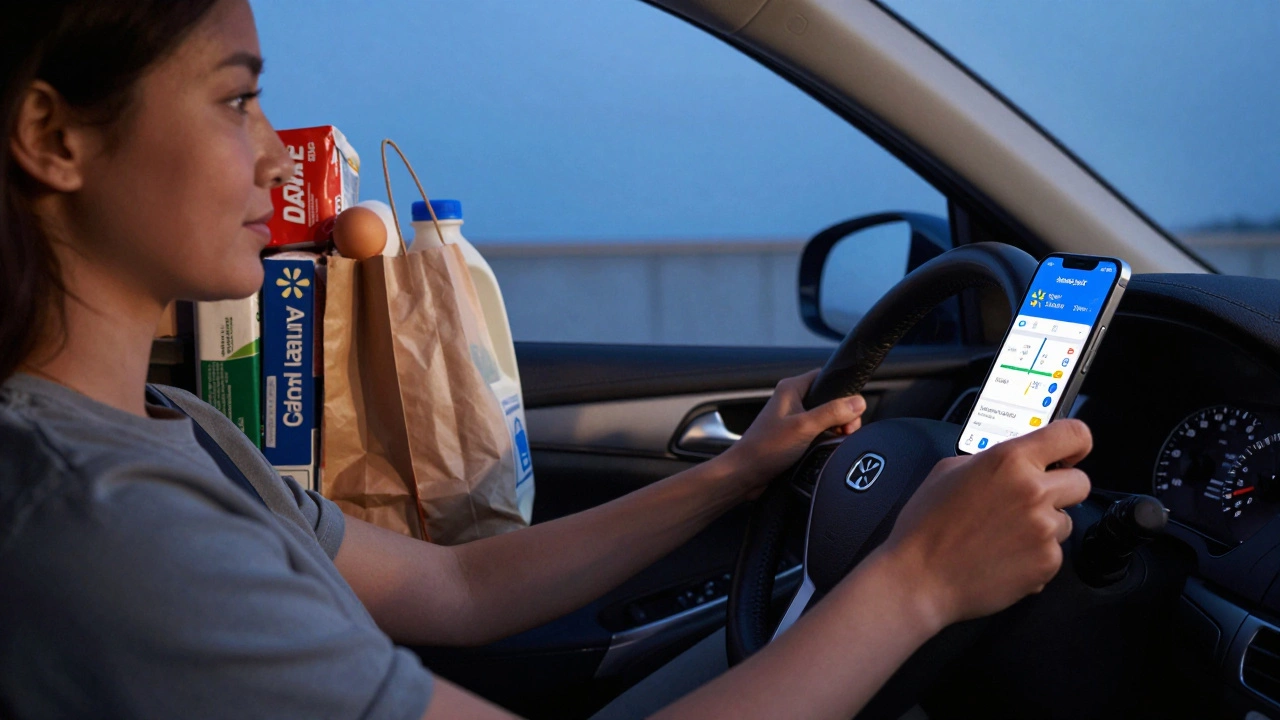
You don’t need to own the car - leasing or renting is fine. But the vehicle must pass a simple inspection through the app. You’ll take photos of the license plate, interior, and exterior. The system checks for safety and cleanliness.
Walmart doesn’t pay for gas or maintenance. But the app tracks your mileage so you can claim it as a tax deduction at the end of the year. The IRS standard mileage rate for 2026 is 67 cents per mile. For someone driving 1,000 miles a month, that’s over $670 in tax savings.
Pros and Cons of Being a Spark Driver
Like any gig job, there are trade-offs.
Pros
- Flexible hours - work early, late, or weekends
- No experience needed - training is built into the app
- Immediate pay - money hits your bank account within 24 hours
- Low barrier to entry - no resume, no interview
- Consistent demand - Walmart has over 4,600 U.S. stores
Cons
- No benefits - health insurance, sick days, or retirement plans
- You cover all vehicle costs - gas, oil, tires, repairs
- Weather affects earnings - rain or snow means fewer deliveries
- Customer expectations are high - late deliveries can hurt your rating
Most drivers say the flexibility makes up for the lack of benefits. One driver in Ohio told a local news outlet: "I used to work 9-to-5 at a warehouse. Now I drop off diapers at 7 a.m. and pick up my kid from school by noon. It changed my life."
How Spark Compares to Other Delivery Jobs
How does Walmart Spark stack up against Instacart, DoorDash, or Amazon Flex?
| Feature | Walmart Spark | Instacart | DoorDash | Amazon Flex |
|---|---|---|---|---|
| Primary Goods | Groceries, household items | Groceries | Food | Amazon packages |
| Delivery Range | 1-5 miles from store | 1-10 miles | 5-20 miles | 10-25 miles |
| Minimum Age | 18 | 18 | 18 | 21 |
| Pay Per Delivery | $5-$15 | $7-$20 | $5-$12 | $10-$25 |
| Vehicle Type | 4-door car | Any car | Any car | 2005+ vehicle |
| Tip Potential | High | Very High | Medium | Low |
Walmart Spark stands out because it focuses on essentials - not food or packages. That means less competition, more predictable orders, and fewer cancellations. You’re not racing to deliver a burger before it gets cold. You’re bringing milk, diapers, or toilet paper to someone who needs it.

What Happens During a Delivery?
Here’s a real example of a typical shift:
- You open the app and see three available deliveries in your area.
- You accept one - it’s a $12 order to a house 1.8 miles away.
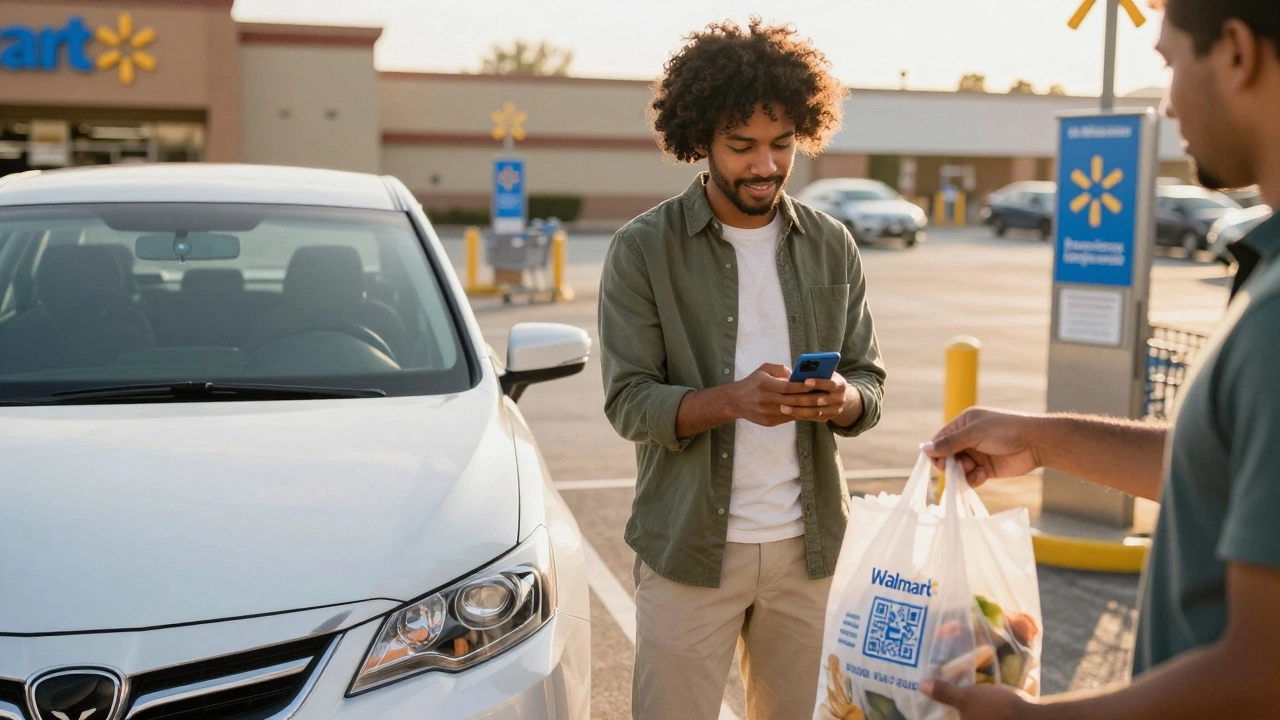
- The app guides you to the Walmart pickup spot. You scan a QR code at the kiosk.
- A store associate hands you a bag labeled with your name and order number.
- You check the bag: 2 gallons of milk, 12 eggs, 3 rolls of paper towels, and a bottle of shampoo.
- You drive there. The customer is waiting at the door.
- You hand them the bag. They say "thank you" and add a $3 tip.
- You confirm delivery in the app. The payment hits your account within minutes.
No signatures. No receipts. Just a quick handoff. The whole thing takes 20 minutes.
Why Walmart Spark Is Growing
Walmart’s goal isn’t to compete with Amazon. It’s to keep customers from leaving. When people need groceries, they used to go to Amazon Prime Now or Instacart. Now, they can get the same items - from the same store - in under two hours, often cheaper.
Walmart has over 4,600 stores across the U.S. That’s more than any other retailer. Each one becomes a local delivery hub. And because Spark drivers are local too, they know the neighborhoods. They know which streets are slow on Tuesdays. Which apartments have elevator access. Which customers always want the milk placed on the porch.
That personal touch matters. Customers rate Spark drivers higher than other delivery services. Why? Because the drivers aren’t just couriers - they’re part of the community.
Is It Right for You?
Walmart Spark isn’t a full-time career. It’s a way to earn extra cash, build flexibility, and help people in your area. If you like driving, enjoy being outdoors, and don’t mind a little unpredictability, it’s a solid option.
It’s not for everyone. If you need steady income, health insurance, or predictable hours, look elsewhere. But if you’re looking to make money on your own terms - without the hassle of interviews or long-term commitments - Spark could be a good fit.
Over 100,000 people drive for Walmart Spark every week. Many started with one delivery. Now they’re doing 15 a week. Some even turned it into a side business, hiring friends to help them. It’s not just a job. It’s a way to connect.