What Is a Spaghetti Ladle Called? The Complete Guide to Pasta Serving Tools
Find Your Perfect Pasta Serving Tool
What is your primary cooking style?
Speed & Efficiency
I want dinner on the table fast.
Presentation
I host dinners and care about elegance.
Traditionalist
I like the old-school Italian method.
What type of cookware do you use most often?
Non-Stick Pans
I need to protect my coating from scratches.
Stainless Steel / Cast Iron
My pots are heavy-duty and durable.
How important is easy cleaning?
Dishwasher Safe
Essential. I never hand wash.
Moderate
I don't mind a quick rinse.
Aesthetics First
I prefer natural materials (wood).
Silicone Tongs
The Modern All-Rounder
Why this fits you:
Based on your preference for speed and non-stick cookware...
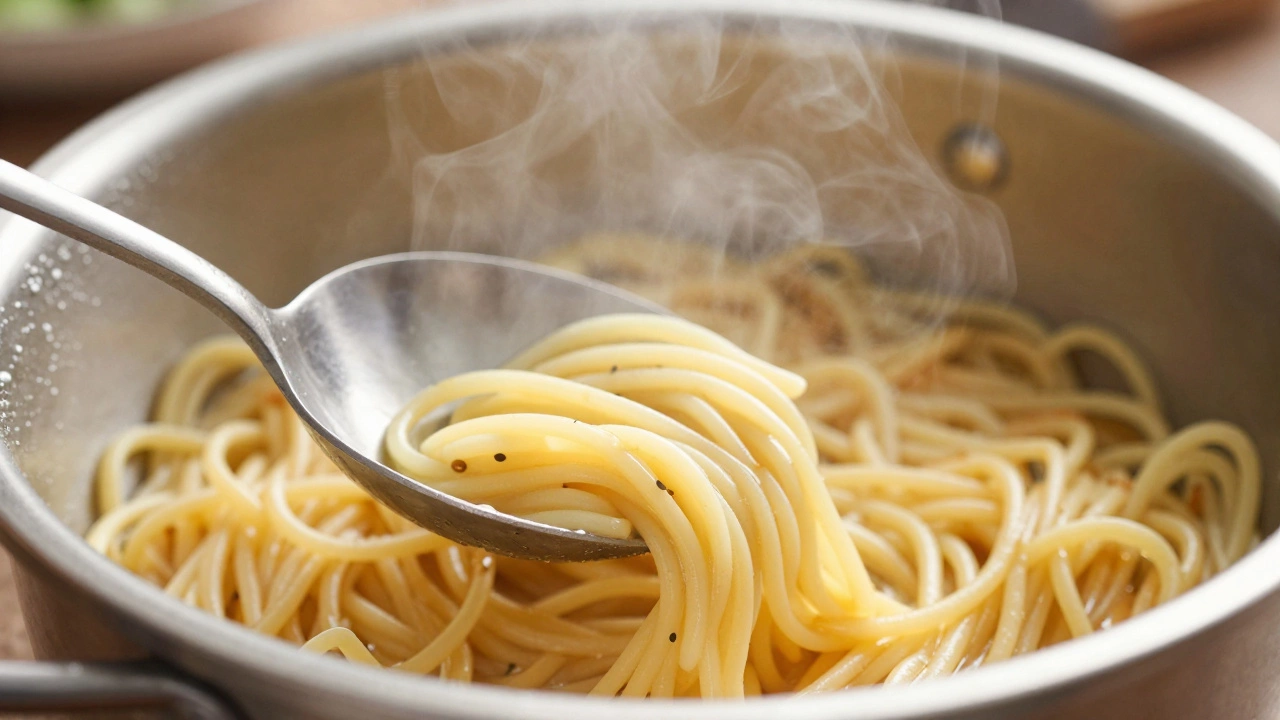
You stand in front of the colander, steam rising from a mountain of perfectly cooked spaghetti. You grab a standard soup ladle, scoop up a clump, and watch it slide right out because there’s no way to grip those slippery strands. It’s a frustrating moment that every home cook has faced. But here is the good news: you don’t actually need a "spaghetti ladle" in the traditional sense. In fact, that specific tool barely exists in modern kitchens.
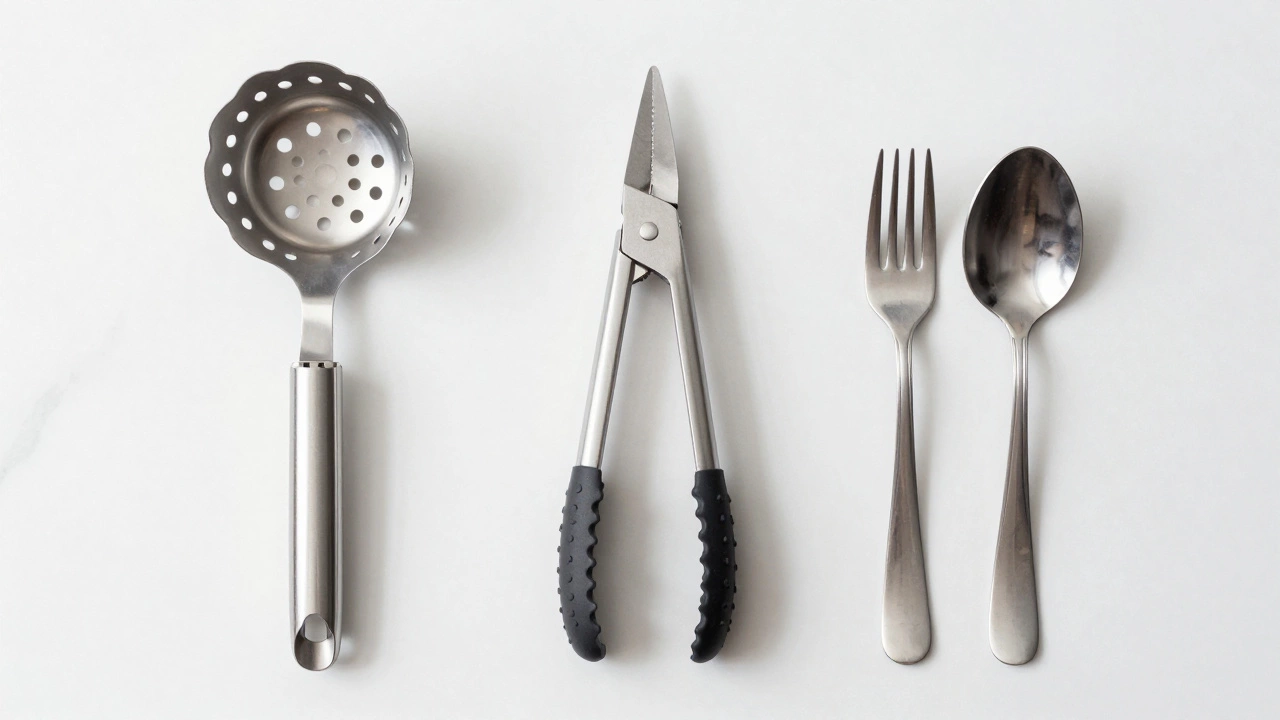
So, what do you call the tool you use for pasta? Most people are looking for one of three things: a pasta server, kitchen tongs, or a specialized fork-and-spoon set. Understanding the difference between these tools will save you from buying the wrong gadget and help you serve dinner with style instead of struggle.
The Real Name: Pasta Server vs. Ladle
If you search online for a "spaghetti ladle," you might find some odd-looking gadgets with holes in them, but the industry standard term is simply a Pasta Server, which is a specialized kitchen utensil designed to lift, drain, and twirl long-strand pasta efficiently. Unlike a soup ladle, which relies on volume and liquid retention, a pasta server relies on mechanics and surface area.
A classic pasta server often looks like a large fork with wide tines or a slotted spoon with a curved edge. The key feature is the ability to catch the noodles. When you buy a pasta server, you are usually getting a tool made from stainless steel, wood, or heat-resistant silicone. These materials matter because they withstand the high temperatures of boiling water without melting or warping.
Why isn't it called a ladle? A ladle is defined by its bowl shape, intended for scooping liquids. Pasta needs drainage. If you use a solid ladle, you end up serving boiling water along with your carbonara. That’s why the term "server" is more accurate-it implies lifting and placing, not scooping and pouring.
The Modern Favorite: Kitchen Tongs
In recent years, the most popular tool for handling spaghetti has shifted away from dedicated servers toward Kitchen Tongs, specifically spring-loaded gripping tools with textured jaws used for tossing and lifting food. Chefs love tongs because they offer control. Instead of trying to balance a pile of noodles on a fork, you can pinch the pasta at the base and lift it directly into the bowl.
Not all tongs are created equal for this job. You want tongs with:
- Textured Jaws: Silicone tips with ridges or waves prevent the smooth pasta from slipping back into the pot.
- Length: At least 10 to 12 inches long to keep your hands away from the steam and splashing water.
- Spring Mechanism: A strong spring ensures the tongs close tightly when squeezed, providing a secure grip on slippery strands.
Tongs also excel at mixing sauce. Once the pasta is in the bowl, you can use the same tongs to toss the spaghetti with olive oil, garlic, or tomato sauce. This two-in-one functionality makes them a staple in both professional kitchens and busy homes.
The Traditional Approach: Fork and Spoon Set
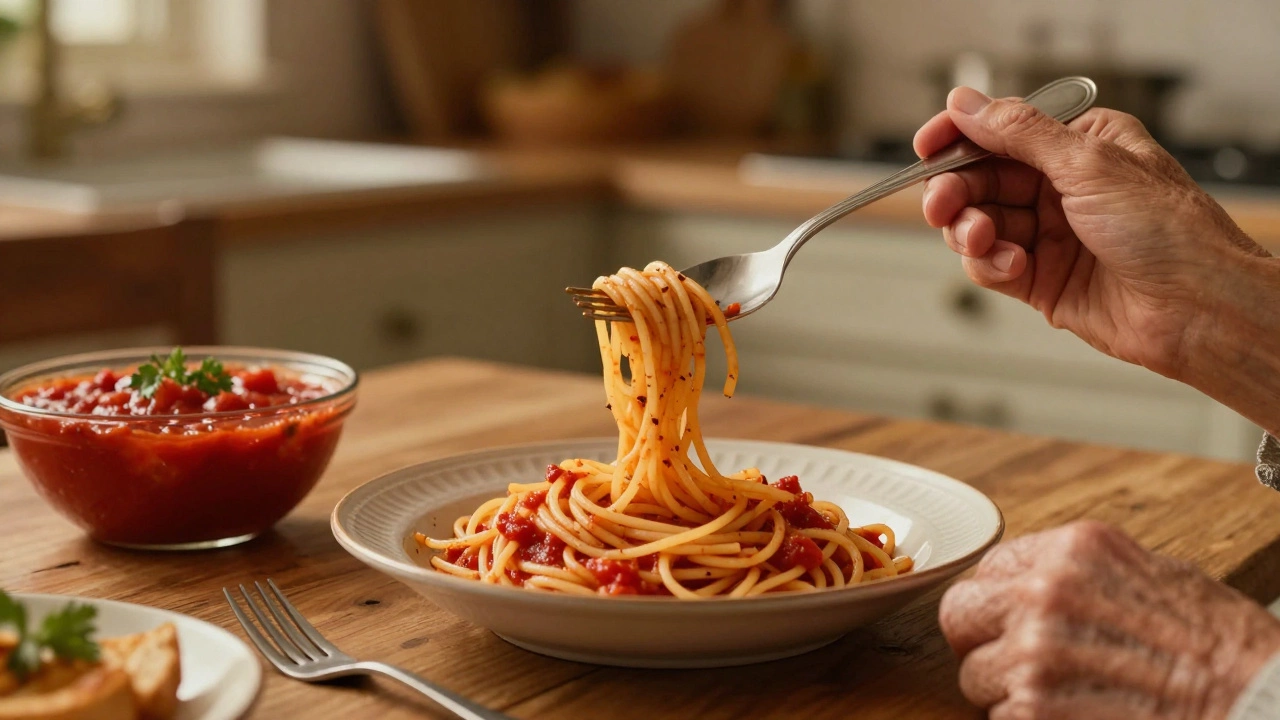
If you grew up watching Italian nonnas cook, you’ve seen the old-school method. They didn’t have fancy silicone tongs; they had a Serving Fork and Spoon, which are matched metal utensils used together to twirl and portion long pasta. This technique involves using the spoon as a base and the fork to wrap the spaghetti around itself. It sounds complicated, but it’s actually very effective for creating neat portions.
This method requires a bit of practice. You hold the spoon in your left hand (if you’re right-handed) and use the fork in your right hand to rotate the pasta against the curve of the spoon. The friction helps the noodles stick together. While it takes longer than using tongs, many people prefer this method because it feels more elegant and controlled, especially for formal dinners.
These sets are often made from polished stainless steel or silver-plated metal. They look great on a buffet table and feel substantial in your hand. However, they require two hands to operate effectively, which can be tricky if you’re trying to manage multiple dishes at once.
Material Matters: Steel, Wood, or Silicone?
When choosing your pasta-handling tool, the material plays a huge role in performance and durability. Here is how the main options compare:
| Material | Pros | Cons | Best For |
|---|---|---|---|
| Stainless Steel | Durable, hygienic, dishwasher safe | Can scratch non-stick pots, conducts heat | Heavy-duty use, stainless steel pots |
| Silicone | Heat resistant, gentle on cookware, flexible | Can tear over time, less rigid grip | Non-stick pans, delicate sauces |
| Wood/Bamboo | Natural look, doesn't conduct heat, gentle | Requires hand washing, can absorb odors | Aesthetic appeal, rustic kitchens |
If you cook with non-stick cookware, avoid bare metal tongs or forks. Opt for silicone-coated heads or wooden handles to prevent scratching the coating. For those who prioritize hygiene and ease of cleaning, stainless steel is hard to beat, provided you have sturdy pots that can handle the metal.
Common Mistakes When Serving Pasta
Even with the right tool, bad technique can ruin the presentation. One common error is draining the pasta completely dry before adding sauce. Always reserve a cup of pasta water. The starch in that water acts as a binder, helping the sauce cling to the noodles. When you transfer the pasta to the bowl, add a splash of this starchy water. It makes the difference between oily, separated sauce and a cohesive dish.
Another mistake is overcrowding the serving utensil. Try to lift manageable portions. If you try to move too much spaghetti at once, it will collapse and spill. Smaller, tighter bundles look better and are easier for guests to eat. Finally, never cut long pasta like spaghetti unless necessary. It defeats the purpose of the texture and makes it harder to twirl. Use your server or tongs to manage the length, not scissors.
Choosing the Right Tool for Your Kitchen
So, which one should you buy? It depends on your cooking style. If you value speed and efficiency, go for a pair of high-quality kitchen tongs with silicone tips. They are versatile enough to handle salad, grilling, and pasta. If you entertain frequently and care about presentation, invest in a nice serving fork and spoon set. They look impressive and encourage mindful eating.
Avoid cheap plastic gadgets marketed as "pasta servers" that look like giant combs. They often break easily and don’t provide enough surface area to hold the noodles securely. Stick to reputable kitchen brands that use food-grade materials. A good pasta tool should last for years, not just a few seasons.
Remember, the goal isn’t just to move food from pot to plate. It’s to enhance the dining experience. The right tool makes serving easier, keeps the pasta intact, and ensures that every bite is coated in sauce. Whether you choose tongs, a server, or the classic fork-and-spoon combo, practice makes perfect. Next time you boil water, experiment with different techniques until you find what feels natural in your hand.
Is a pasta server the same as a ladle?
No, they are different. A ladle is a deep-bowl spoon used for scooping liquids like soup or stew. A pasta server is designed with slots, tines, or a flat surface to lift solid foods like noodles while allowing water to drain away. Using a ladle for spaghetti results in serving excess boiling water with your meal.
What is the best tool for serving spaghetti?
For most home cooks, kitchen tongs with silicone-tipped jaws are the best option. They provide a secure grip on slippery noodles, allow for easy mixing with sauce, and are versatile enough for other cooking tasks. Traditionalists may prefer a fork-and-spoon set for better portion control and elegance.
Can I use regular chopsticks for pasta?
Yes, you can use chopsticks to twirl and lift spaghetti, especially if you are accustomed to using them. However, standard chopsticks may lack the length needed to safely lift pasta from a hot pot. Long serving chopsticks or tongs are safer and more efficient for larger quantities.
Why does my pasta slip off the serving spoon?
Pasta slips off smooth surfaces due to lack of friction. To fix this, ensure your pasta is not overly greasy before serving. Use a tool with textured edges, such as a slotted spoon with ridges or silicone-tipped tongs. Adding a little pasta water to the sauce also helps it adhere to the noodles, making them easier to lift.
Are wooden pasta servers hygienic?
Wooden servers are generally safe if maintained properly. However, wood is porous and can absorb moisture and bacteria if not dried thoroughly. Hand wash wooden utensils with mild soap and dry them immediately. Do not put them in the dishwasher, as the heat and water can cause cracking and warping.