What is a Pan with Straight Sides Called? A Guide to Sauté Pans and Sautoirs
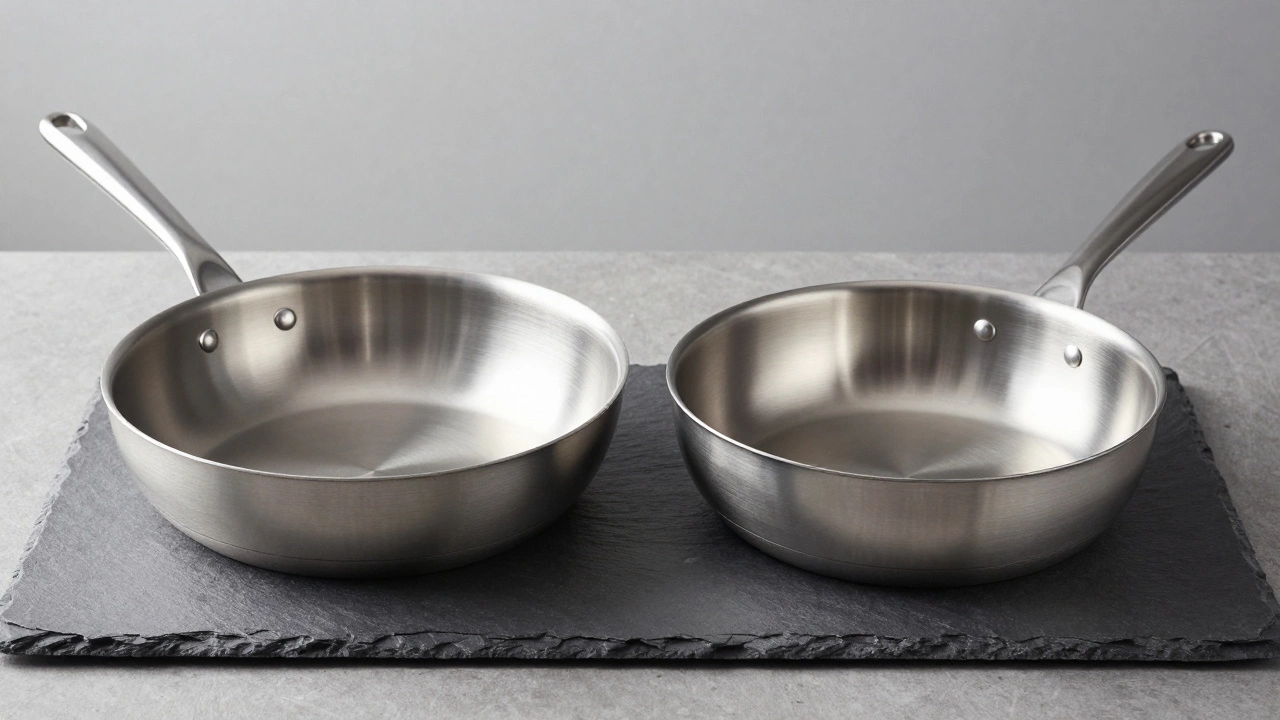
Pan Selector: Sauté Pan vs. Skillet
Not sure which pan to reach for? Select the cooking technique or goal you are aiming for below to find the perfect tool for the job.
🍳 The Skillet
Sloped / Flared Sides
🥘 The Sauté Pan
Straight / Vertical Sides
Quick Summary of Key Takeaways
- A pan with straight sides is primarily called a sauté pan.
- Unlike skillets, sauté pans have a larger surface area for searing and higher walls for liquids.
- They are ideal for dishes that involve searing followed by simmering (braising).
- The straight sides prevent food from sliding out and stop liquids from evaporating too quickly.
The Difference Between a Sauté Pan and a Skillet
To understand why the straight sides matter, you have to compare the sauté pan to its cousin, the skillet (or fry pan). A skillet has flared, sloped sides. This design is a dream for flipping omelets or tossing vegetables because the food slides right toward the center. However, that same design is a nightmare if you're making a sauce. Because a sauté pan has vertical walls, it doesn't lose as much moisture to evaporation. This means your sauces stay thicker and your proteins stay submerged in liquid. Also, because the sides are straight, the bottom surface area is actually larger than a skillet of the same diameter. If you have a 12-inch sauté pan, you have a full 12 inches of searing space. In a 12-inch skillet, the bottom narrows significantly, meaning you can't fit as many chicken breasts in the pan without crowding them.| Feature | Sauté Pan | Skillet (Fry Pan) |
|---|---|---|
| Side Shape | Straight / Vertical | Sloped / Flared |
| Cooking Surface | Maximum (Flat bottom) | Reduced (Narrows at bottom) |
| Best Use | Braising, Sauces, Deep Frying | Searing, Flipping, Stir-frying |
| Liquid Retention | High | Low |
| Weight | Heavier | Lighter |
When to Use a Sauté Pan
If your recipe calls for "searing then simmering," reach for the sauté pan. Think about making a classic Chicken Marsala. You first brown the chicken in fat. If you used a skillet, the liquid you add later (the wine and stock) would barely cover the meat and would evaporate almost instantly. In a sauté pan, the vertical walls keep the liquid high and tight around the meat, allowing it to poach gently while the sauce reduces into a rich glaze. Another great use is for "one-pot" pasta. Since you're boiling the pasta directly in the sauce, you need a vessel that can hold a significant volume of liquid without splashing over the sides. The straight walls act like a barrier, keeping the mess inside the pan and the starch in the sauce. It's also a safer bet for shallow frying. If you're frying breaded schnitzel or corn fritters, the straight sides prevent the oil from splashing onto your stovetop as much as a flared skillet would. It essentially acts as a hybrid between a frying pan and a Dutch oven.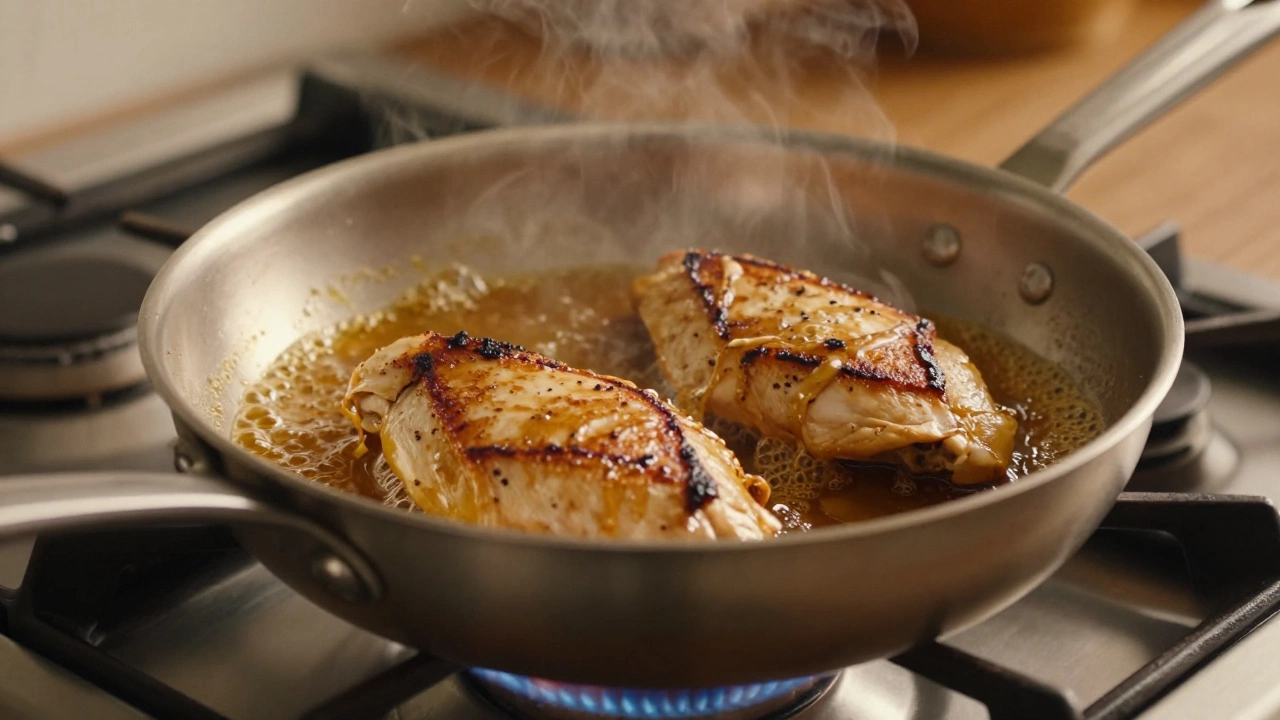
The French Connection: The Sautoir
If you're browsing high-end professional cookware, you might see the term Sautoir. In the culinary world, this is essentially the French name for a sauté pan. However, there is a slight nuance. A traditional sautoir often emphasizes a very heavy base and perfectly vertical sides, specifically designed for the "sauter" (to jump) motion. Professional chefs prefer these because they distribute heat more evenly across the entire floor of the pan. When you're working in a commercial kitchen with high-BTU burners, a thin pan will warp. A heavy-duty sautoir stays flat, ensuring every piece of meat hits the heat at the same time. If you see a pan labeled as a "Professional Sautoir," expect it to be significantly heavier than your average home cookware.Choosing the Right Material
Not all straight-sided pans are created equal. The material changes how the pan behaves when it hits the flame.- Stainless Steel: The gold standard for sauté pans. It allows you to create a "fond" (those brown bits stuck to the bottom) which is the base for any great pan sauce. It's durable and doesn't react with acidic ingredients like lemon or tomato.
- Cast Iron: Rare in a straight-sided design but exists. These are incredibly heavy and hold heat forever. Great for deep-frying, but a pain to move around.
- Non-Stick: Great for eggs or delicate fish, but you can't get a real sear on your meat. Also, the coating eventually wears off, meaning you'll be replacing it every few years.
- Hard-Anodized Aluminum: A middle ground. It heats up faster than stainless steel and is more durable than standard non-stick.
Common Mistakes When Using Straight-Sided Pans
One of the biggest errors home cooks make is overcrowding the pan. Just because a sauté pan has a larger flat bottom doesn't mean you should pack it wall-to-wall with meat. If the pieces are touching, they will steam instead of sear. You'll end up with gray, boiled-looking meat instead of a golden-brown crust. Always leave about an inch of space between your ingredients. Another pitfall is using a sauté pan for things that require a "flip." If you're making a pancake or a thin crepe, the straight sides of a sauté pan actually get in your way. You can't easily slide the spatula under the food and flip it over without the side wall blocking your movement. For those tasks, go back to the sloped skillet.Pro Tips for Better Results
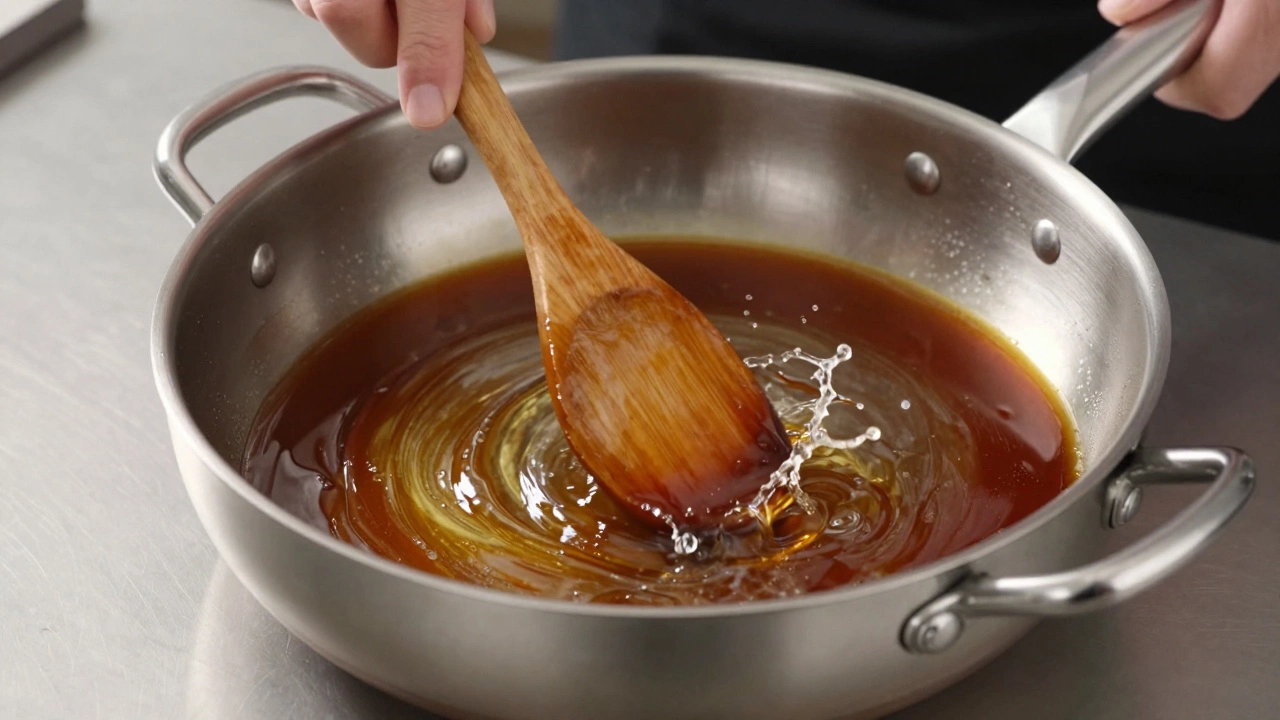
To get the most out of your sauté pan, try "deglazing." After you've seared your meat and removed it from the pan, you'll see a layer of brown residue on the bottom. Instead of scrubbing it off, pour in a splash of wine, broth, or water while the pan is still hot. Use a wooden spoon to scrape those bits up. Because the straight sides keep the liquid concentrated, you can create a restaurant-quality reduction sauce in seconds. Also, consider the lid. Most high-quality sauté pans come with a tight-fitting lid. This transforms the pan from a searing tool into a poaching tool. By trapping the steam, you can finish thick cuts of meat (like pork chops) in the oven without them drying out.Can I use a sauté pan for frying?
Yes, you can. In fact, sauté pans are better for shallow frying than skillets because the straight sides hold more oil and prevent it from splashing over the edges as much. Just be careful not to fill it more than halfway to avoid overflow when adding food.
Why is my sauté pan so much heavier than my frying pan?
Sauté pans are built to handle more volume and often have thicker bases to prevent warping. Since they are often used for longer cooking processes like braising, the extra mass helps maintain a steady temperature, preventing "hot spots" that could burn your sauce.
Is a sauté pan the same as a saucepan?
No. A saucepan is typically deep and narrow, designed for boiling liquids or making stocks. A sauté pan is wide and shallow, designed for searing food first and then adding liquid. If you need to boil a lot of water, use a saucepan; if you're cooking a meal with a sauce, use a sauté pan.
Which is better for a beginner: a skillet or a sauté pan?
If you can only buy one, a skillet is more versatile for basic tasks like eggs and stir-frying. However, if you enjoy making stews, braised meats, or pasta dishes with sauce, a sauté pan is a much more powerful tool. Most home cooks eventually find they need both.
Does the lid on a sauté pan actually matter?
It matters a lot. The lid allows you to trap moisture, which is essential for braising or steaming vegetables. Without a lid, your liquid evaporates too quickly, and your meat may end up tough. Always look for a lid that fits snugly to keep the heat and steam inside.