What is a Courier Package? Definition, Types, and How It Works
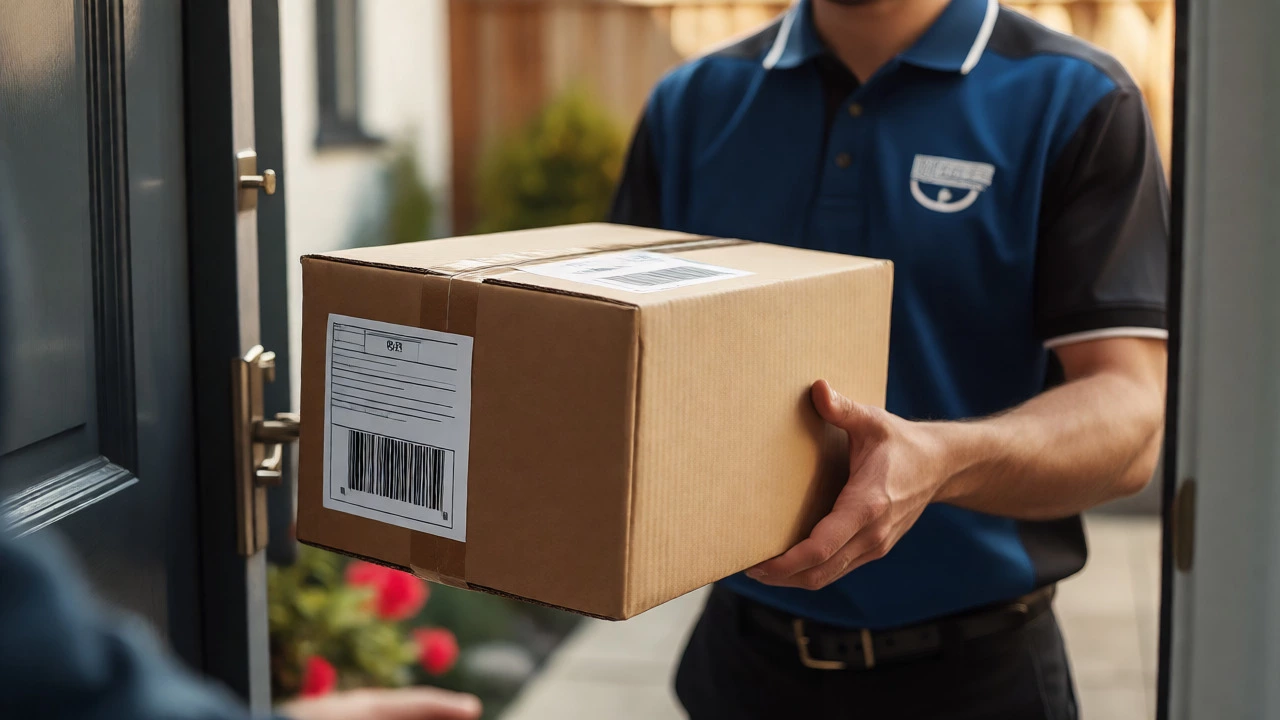
Courier Package Estimator & Classifier
Enter your package details below to estimate its billable weight and get a recommendation on whether to use a private Courier service or standard Postal Mail.
-- kg
--
Enter dimensions and weight to see analysis.
You’ve probably sent one today. Maybe you mailed a birthday gift to your cousin, or perhaps you just received a new gadget ordered from an online store. But have you ever stopped to think about what actually constitutes that box or envelope sitting on your doorstep? We often use terms like "parcel," "shipment," and "package" interchangeably, but in the world of logistics, courier package has a specific meaning that separates it from standard postal mail or freight cargo.
Understanding this distinction matters more than you might think. If you’re running an e-commerce business, misclassifying your shipments can lead to unexpected fees, delayed deliveries, or even rejected pickups. If you’re a consumer, knowing what defines a courier package helps you choose the right service for your needs-whether you need speed, security, or cost-effectiveness. Let’s break down exactly what a courier package is, how it differs from other types of shipping, and why this definition impacts your wallet and your timeline.
The Core Definition: More Than Just a Box
At its simplest, a courier package is a discrete unit of goods transported by a private company rather than a national postal service. Unlike traditional mail, which relies on public infrastructure and standardized rates, courier services operate on a commercial model focused on speed, tracking, and door-to-door delivery. The key differentiator isn’t just the size of the box; it’s the level of service attached to it.
When you hand over a courier package, you are buying a promise of accountability. Every step-from pickup to final drop-off-is logged, scanned, and monitored. This creates a chain of custody that standard postal services sometimes lack, especially for international shipments. A courier package is defined by its end-to-end visibility and dedicated handling protocols, ensuring that if something goes wrong, there is a clear point of contact and often insurance coverage.
Courier Packages vs. Postal Parcels: What’s the Difference?
This is where things get tricky for many people. Both involve sending boxes through a network, so why pay more for a courier? The answer lies in control and customization. National postal services, like USPS in the US or Royal Mail in the UK, handle millions of items daily using automated sorting systems designed for volume. They are efficient but rigid. Courier companies, such as DHL, FedEx, or UPS, prioritize individual attention.
| Feature | Courier Package | Postal Parcel |
|---|---|---|
| Speed | Often same-day, next-day, or express (1-3 days) | Standard (3-7+ days), variable by distance |
| Tracking | Real-time, detailed scan points at every hub | Basic updates, often delays in data entry |
| Handling | Specialized care for fragile/high-value items | Automated sorting, less manual oversight |
| Cost Structure | Higher base rate, dynamic pricing based on urgency | Lower base rate, flat rates for weight brackets |
| Insurance | Comprehensive options included or easily added | Limited liability unless purchased separately |
If you are sending a $500 laptop, you want a courier package because the risk of loss or damage is mitigated by strict handling rules. If you are sending a stack of books to a friend across town, a postal parcel is likely sufficient and much cheaper.
Anatomy of a Modern Courier Package
What physically makes up a courier package? It’s not just the cardboard box. A compliant courier shipment consists of three critical components: the physical container, the documentation, and the digital identity.
- The Physical Container: This must be sturdy enough to withstand multiple handoffs. Couriers reject packages with loose flaps, protruding tape, or damaged corners. For irregularly shaped items, couriers may require custom crating.
- The Documentation: This includes the air waybill or shipping label, plus any customs declarations for international moves. Without accurate paperwork, your package becomes "dead weight" in a warehouse.
- The Digital Identity: This is the barcode. When you book a courier service, you receive a unique tracking number. This number links your physical box to a digital record that updates in real time. No barcode, no traceability.
Notice the emphasis on preparation. In postal mail, you can often throw a letter in a mailbox. With a courier package, the process starts before the box leaves your hands. You schedule a pickup or drop off at a designated counter, ensuring the chain of custody begins immediately.
Types of Courier Packages by Size and Weight
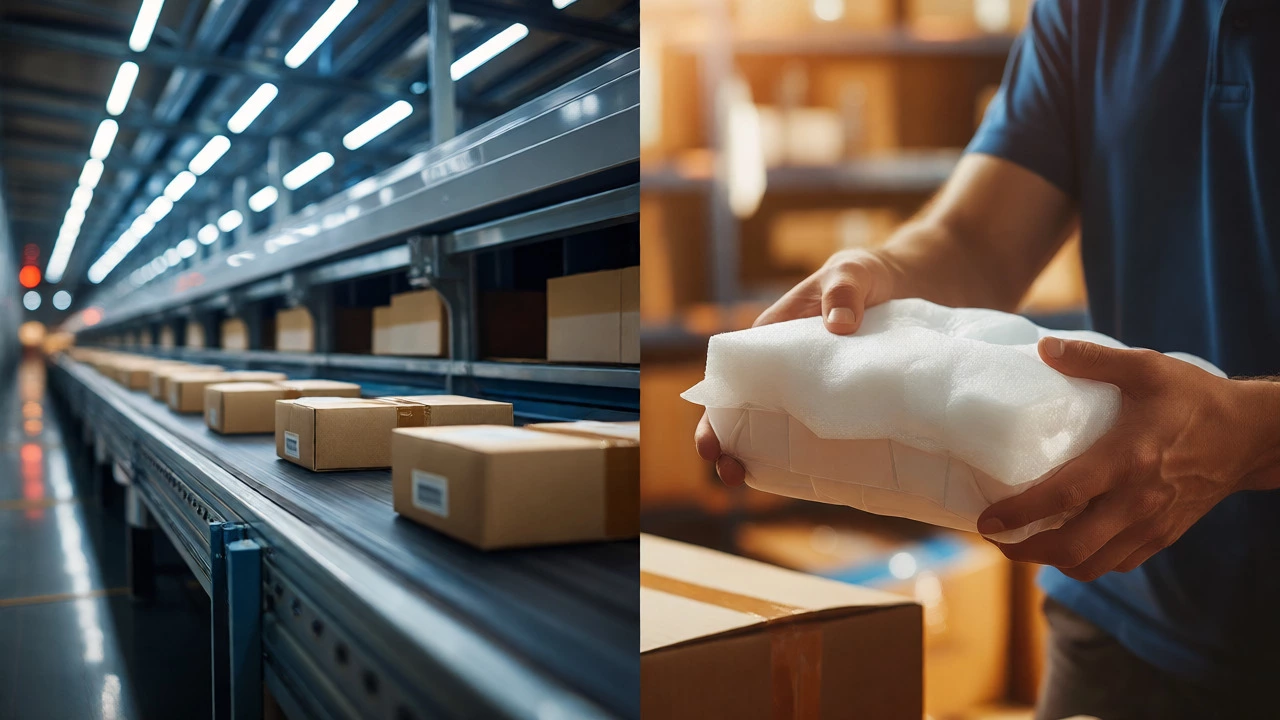
Not all courier packages are created equal. Logistics providers categorize them into tiers, each with different handling requirements and price points. Understanding these categories helps you avoid "dimensional weight" surprises-where you pay for the space your box takes up rather than its actual weight.
Documents and Envelopes
These are thin, lightweight items under 1 kg (2.2 lbs). Think contracts, passports, or blueprints. They move quickly via air networks and often don’t require bulky packaging. Many courier services offer specific "document-only" rates that are significantly lower than parcel rates.
Small Parcels
Typically ranging from 1 kg to 20 kg (2.2-44 lbs). This covers most e-commerce orders: clothing, electronics, cosmetics. These items fit into standard automated sorting belts. If your package exceeds 20 kg, some carriers charge extra for manual handling.
Large Parcels and Pallets
Anything heavier than 20 kg or larger than standard dimensions falls here. These cannot go on conveyor belts. They require pallet jacks or forklifts. While still considered "courier" if handled by a private carrier, they blur the line with freight. Always check if your carrier offers "express freight" or if you need a specialized LTL (Less Than Truckload) service.
Why Proper Classification Saves Money
Misidentifying your courier package costs money. Carriers use algorithms to calculate shipping costs based on volumetric weight. If you send a light pillow in a huge box, the carrier charges you for the air inside the box, not just the feathers.
To optimize your costs:
- Measure accurately: Use length × width × height divided by a dimensional factor (usually 5000 or 6000 depending on the carrier).
- Pack tightly: Remove excess void fill. Smaller boxes reduce volumetric weight.
- Declare contents honestly: Undeclared hazardous materials or high-value items can result in fines upon inspection.
For example, sending a pair of shoes in a shoebox is cheap. Sending those same shoes in a giant cereal box with bubble wrap might double your shipping cost due to dimensional weight calculations. This is a common pitfall for small businesses trying to save on packing materials.
The Role of Technology in Defining the Package
In 2026, a courier package is as much a data packet as it is a physical object. IoT sensors embedded in high-value shipments monitor temperature, humidity, and shock. If you are shipping pharmaceuticals or fine art, your "package" includes a live stream of environmental data.
This technological layer changes the definition of successful delivery. It’s no longer just "delivered." It’s "delivered within optimal conditions." If a chocolate bar arrives melted because the truck was too hot, a smart courier package provides the proof needed for a refund. Traditional postal parcels rarely offer this level of granular verification.

Common Misconceptions About Courier Packages
Let’s clear up a few myths that confuse consumers and shippers alike.
Myth 1: All fast shipping is courier shipping.
False. Some postal services now offer expedited options (like USPS Priority Mail Express). However, these still rely on shared infrastructure. True courier services own their trucks, planes, and hubs, giving them greater control over timelines during peak seasons like Black Friday.
Myth 2: Courier packages are always insured.
Not automatically. Standard coverage is often limited to a low amount per kilogram (e.g., $100). If you are shipping a $2,000 camera, you must explicitly purchase additional insurance. Otherwise, you might only recover a fraction of the value if it’s lost.
Myth 3: You can ship anything in a courier package.
Restricted items include lithium batteries, liquids, perfumes, and certain foods. Each carrier has a prohibited items list. Ignoring this leads to returns at the sender’s expense. Always check the restricted goods list before booking.
How to Prepare Your Next Courier Package
Ready to send something? Follow this checklist to ensure smooth processing:
- Choose the right box: New corrugated cardboard is best. Reused boxes should be free of old labels and grease stains.
- Seal securely: Use H-taping method (tape along all seams and edges) to prevent bursting.
- Label clearly: Print labels on plain paper or thermal stickers. Avoid handwriting addresses, as optical scanners struggle with cursive.
- Include a duplicate address: Place a copy of the address inside the box. If the outer label gets damaged, the carrier can still identify the recipient.
- Schedule pickup or drop-off: Don’t leave it by the door. Hand it to the driver or scan it at a counter to start the tracking trail.
By treating your shipment with this level of care, you align with the expectations of courier services. You provide them with a clean, identifiable, and secure unit, and they reward you with faster, more reliable delivery.
Frequently Asked Questions
Is a courier package the same as a parcel?
While often used interchangeably, they differ in service level. A parcel is a general term for a packaged item sent via mail or transport. A courier package specifically refers to a parcel sent through a private, commercial logistics network offering enhanced tracking, speed, and handling compared to standard postal services.
What is the maximum weight for a standard courier package?
Most major courier services set the limit for standard parcel handling between 20 kg and 30 kg (44-66 lbs). Items exceeding this weight are typically classified as freight or heavy parcels, requiring special equipment for loading and unloading, which incurs higher fees.
Do I need to declare the value of my courier package?
Yes, especially for international shipments. Customs authorities require a declared value to assess duties and taxes. For domestic shipments, declaring value helps determine insurance coverage limits. Under-declaring value can lead to fines or confiscation by customs officials.
Can I track a courier package in real-time?
Generally, yes. Most reputable courier services provide real-time tracking via online portals or apps. You will see scans at pickup, sorting hubs, transit vehicles, and out-for-delivery status. Postal services may have delayed tracking updates, whereas courier networks update frequently throughout the journey.
What happens if my courier package is damaged?
You should note the damage on the delivery receipt before signing. Then, file a claim with the courier service within their specified timeframe (often 7-30 days). Provide photos of the packaging and contents. If you purchased additional insurance, reimbursement is usually faster and covers the full declared value.