What Is a Black Mirror Supposed to Be About? Meaning, History, and Use
Black Mirror Purpose Estimator
Discover whether a black mirror is best suited for deep introspection, spiritual practice, or modern interior design by answering three simple questions.
Recommendation
Select options and click Analyze to see which type of black mirror suits you best.
You’ve probably seen one in a museum, or maybe you spotted a dark, polished stone hanging in a friend’s living room. It looks like a regular mirror, but it doesn’t reflect your face the way a bathroom glass does. Instead, it shows a deep, murky void. This is a black mirror, also known as an obsidian mirror. But what is it actually supposed to be about? Is it just a decorative object with a gothic vibe, or does it hold a deeper purpose?
The answer isn’t simple because the "meaning" of a black mirror has shifted dramatically over thousands of years. Today, people use them for three distinct reasons: historical curiosity, psychological reflection, and modern aesthetic design. To understand what a black mirror is supposed to be about, we have to look at where they came from, how they work physically, and why they still captivate us today.
The Historical Roots: Scrying and Divination
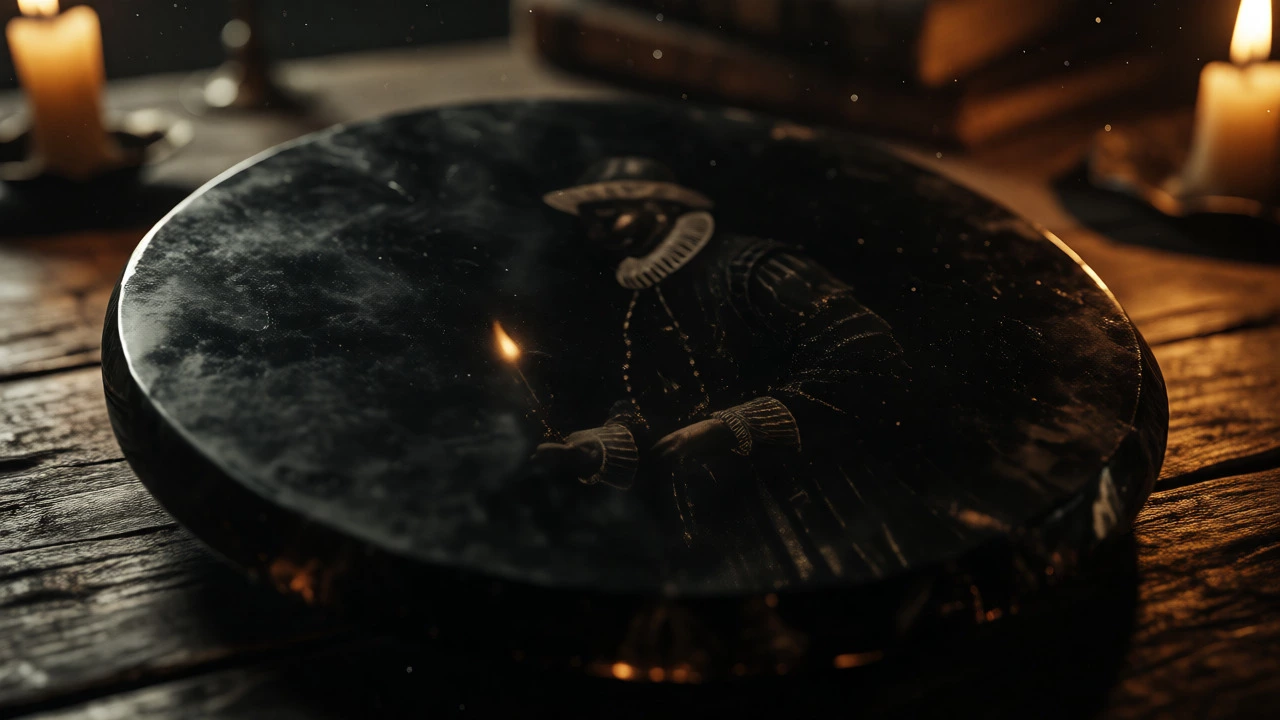
If you dig into the history of these objects, you’ll find that their original purpose was rarely vanity. In ancient civilizations, specifically among the Aztecs and Egyptians, polished stones served as portals to the unseen. The most famous example is the obsidian mirror attributed to John Dee, an Elizabethan mathematician and occultist who advised Queen Elizabeth I. He didn’t use it to check his hair; he used it for scrying, a practice of staring into a reflective surface to induce visions or communicate with spirits.
Why obsidian? This volcanic glass creates a unique optical effect. Unlike silver-backed glass mirrors, which reflect light sharply and clearly, obsidian absorbs some light and reflects others. This creates a softer, darker image. For scryers, this ambiguity was the point. A sharp reflection shows you exactly what is there. A blurry, dark reflection allows your brain to fill in the gaps, often projecting subconscious thoughts or imagined images onto the surface. So, historically, a black mirror was supposed to be a tool for introspection and divination, not just reflection.
The Physics of Darkness: How It Differs from Standard Mirrors
To grasp the concept, you need to understand the material science behind it. Most modern mirrors are made by coating a sheet of glass with a thin layer of aluminum or silver. This metal layer reflects nearly all visible light, giving you a bright, high-fidelity image. A traditional black mirror, however, is usually made from polished obsidian, hematite, or sometimes painted glass.
Here is the key difference in how they interact with light:
- Standard Glass Mirror: Reflects ~90-95% of light. Image is clear, distant, and objective.
- Obsidian Mirror: Reflects ~40-60% of light (depending on polish). Image is dim, close, and subjective.
- Painted Black Mirror: Often uses a semi-transparent black paint over glass. Reflects less than obsidian but maintains a flat, uniform darkness.
This lower reflectivity changes the user experience. When you look into a standard mirror, you see yourself from the outside. When you look into a black mirror, the lack of clarity forces you to focus inward. You aren’t just seeing your face; you’re seeing a shadowed version of it. This physical trait is what supports its reputation as a tool for meditation and self-reflection. It strips away the distraction of perfect detail, leaving only the essence of the subject.
| Feature | Standard Silver Mirror | Obsidian Black Mirror | Decorative Painted Mirror |
|---|---|---|---|
| Primary Material | Glass + Metal Coating | Natural Volcanic Glass | Glass + Black Paint/Film |
| Light Reflection | High (Bright) | Low (Dim/Dark) | Variable (Usually Low) |
| Historical Purpose | Vanity, Practicality | Scrying, Ritual, Status | Aesthetic, Modern Decor |
| Psychological Effect | Objective Self-View | Subjective/Abstract View | Stylistic Accent |
| Maintenance | Easy (Glass Cleaner) | Fragile (Requires Oil/Polish) | Easy (Glass Cleaner) |
Symbolism: What Does a Black Mirror Represent?
Beyond physics and history, black mirrors carry heavy symbolic weight. In literature and film, they often represent the unknown, death, or the subconscious. Think of the phrase "staring into the abyss." That abyss is often visualized as a black mirror. It suggests that looking too long might reveal something unsettling about yourself.
In modern psychology and art therapy, the black mirror is sometimes used as a metaphor for emotional depth. While a clear mirror shows your social mask-your makeup, your clothes, your posture-a black mirror obscures those details. It asks a different question: Who are you when the details fade? This makes it a powerful symbol for themes of mystery, introspection, and hidden truths. If you hang one in your home, you aren’t just adding a dark accent; you’re introducing a focal point that invites contemplation rather than quick checks.
Modern Usage: Decoration vs. Spirituality
Today, most people buying a black mirror aren’t planning to summon spirits. They are buying it for interior design. Why? Because black mirrors add depth and contrast to a room. A standard mirror expands a space visually, making it feel larger and brighter. A black mirror does the opposite: it absorbs light, creating a sense of intimacy and grounding.
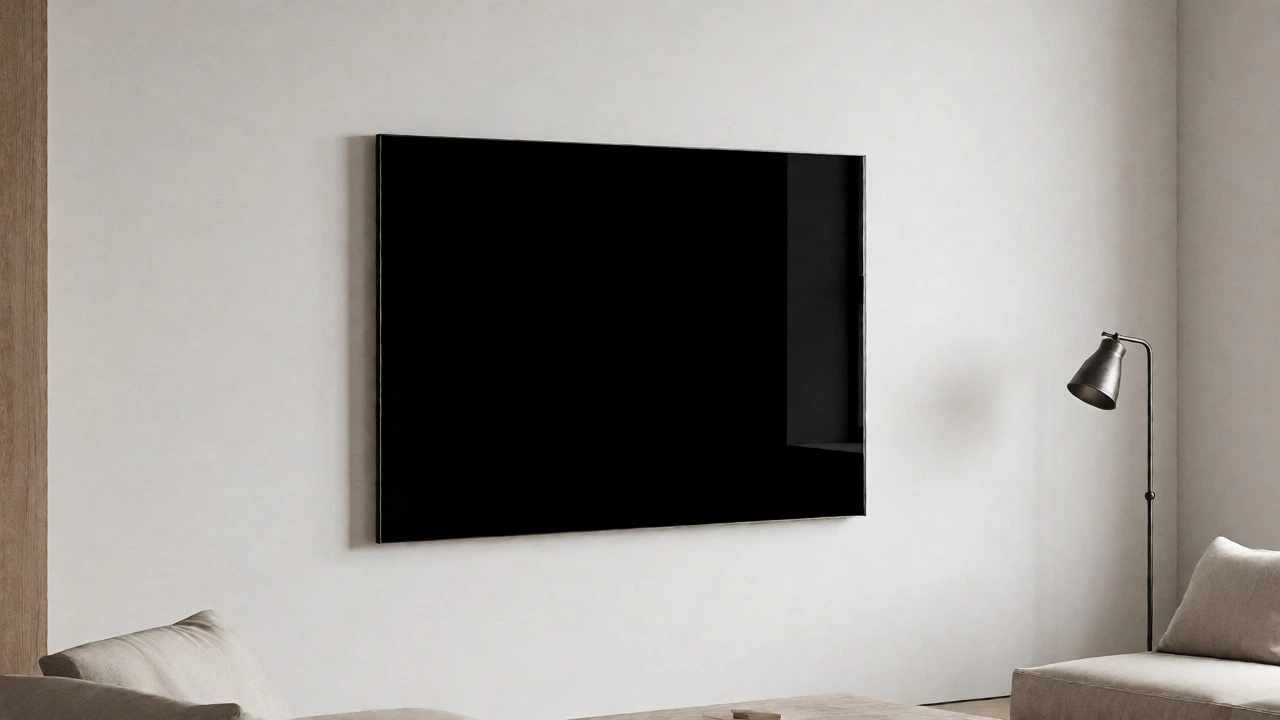
Designers often use them in minimalist or industrial spaces. Against a white wall, a black mirror frame or pane creates a striking geometric shape. It acts as a "visual anchor," stopping the eye from wandering across a bright room. However, even if you don’t believe in the mystical aspects, the placement matters. Placing a black mirror near natural light sources can create interesting reflections of shadows, enhancing the moody atmosphere intended by the design.
For those who do lean into the spiritual side, usage remains similar to historical practices. Many users engage in "gazing" sessions. You sit comfortably, relax your eyes, and stare into the center of the mirror without focusing on any specific point. After a few minutes, the edges of your vision may blur, and patterns might emerge. Whether these patterns are neurological phenomena or spiritual signs is up to you, but the intent is always the same: to quiet the mind and access a deeper state of awareness.
Common Misconceptions
There are a few myths floating around that confuse new owners. First, many think a black mirror is just a dirty regular mirror. It’s not. A dirty mirror reflects dust; a black mirror reflects darkness. Second, some believe it brings bad luck. This stems from older superstitions about mirrors trapping souls, but in Feng Shui, a well-placed black mirror can actually absorb negative energy, acting as a protective shield rather than a hazard.
Another misconception is that they are impossible to clean. Obsidian is hard but brittle. You can’t use harsh chemicals like ammonia-based window cleaners, which can etch the stone. Instead, you need gentle oils or specialized stone polishes. If you buy a painted glass version, cleaning is easier, but the finish can scratch more easily than real stone.
How to Choose Your First Black Mirror
If you’re considering adding one to your collection or home, here is a quick checklist to help you decide:
- Determine the Purpose: Do you want it for decor (goes anywhere) or scrying (needs low light)?
- Check the Material: Real obsidian is expensive and fragile. Painted glass is affordable and durable but lacks the authentic texture.
- Evaluate the Size: Small handheld mirrors are good for travel or ritual. Large wall-mounted pieces serve as art installations.
- Test the Clarity: Look into it before buying. A good scrying mirror should have a slight haze, not be perfectly crystal clear. If it’s too clear, it defeats the purpose of abstraction.
Ultimately, what a black mirror is supposed to be about depends on who is holding it. For a historian, it’s a relic of ancient ritual. For a designer, it’s a study in contrast. For a seeker, it’s a gateway to the inner self. The object itself is neutral; its meaning is projected by the user. And perhaps that’s the most honest reflection of all.
Is a black mirror the same as a TV screen?
Visually, yes, they can look similar when off. However, functionally, they are very different. A TV emits light and displays digital images. A black mirror reflects ambient light and relies on the viewer's perception to interpret the reflection. TVs do not have the reflective properties needed for scrying or the aesthetic depth of polished stone.
Can I make my own black mirror?
Yes, you can DIY a version using glass and black spray paint or a special mirror film. Apply multiple coats of matte black paint to the back of a piece of glass. Once dry, seal it with a clear coat. It won't have the depth of obsidian, but it will provide the dark reflective aesthetic for much less money.
Are black mirrors safe to touch?
Generally, yes. Obsidian is a natural stone and is non-toxic. However, it is sharper than glass when broken. Handle with care. If you are using it for skin contact during meditation, ensure it is clean and free of chemical residues from polishing products.
Why do people say black mirrors are scary?
This fear comes from folklore and pop culture. Stories often link black mirrors to necromancy or evil entities. Psychologically, the lack of a clear reflection can trigger unease because humans rely on facial recognition for comfort. Seeing a distorted or dark version of oneself can feel uncanny, leading to feelings of anxiety or dread.
Where should I place a black mirror in my house?
Place it where you want to create a focal point or reduce visual noise. Avoid placing it directly opposite a bright window unless you want a strong glare effect. Bedrooms are popular for intimate, low-light settings. Living rooms benefit from the contrast against lighter furniture. Avoid cluttered areas, as the dark surface can make small spaces feel smaller.