What is a bedding period? Understanding the critical settling time for new mattresses
Mattress Bedding Period Tracker
Unsure if your new mattress is defective or just needs time? Use this tool to estimate how long until it reaches optimal comfort.
Estimated Break-In Time
Expected Total Duration: -- days
Nights Remaining: -- days
Projected Comfort Date: --
Status Assessment
Enter details above to see advice.
Recommended Acceleration Actions

Select your mattress details and click "Check Status" to get your personalized timeline.
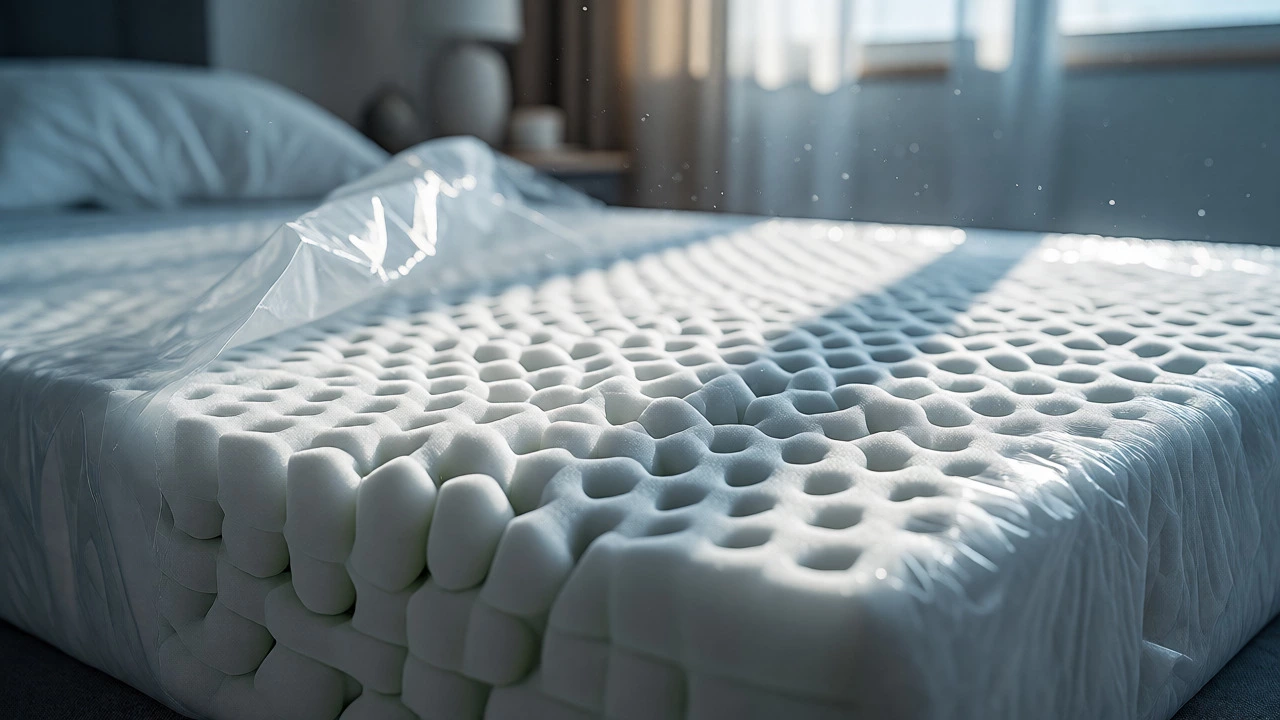
You just spent hundreds, maybe thousands, on a brand-new mattress. You unbox it, peel off the plastic, and lie down, expecting instant cloud-like comfort. Instead, you wake up feeling like you slept on a rock or a board. Did you make a bad purchase? Is the return window already closing? Before you panic and box it back up, you might be missing one crucial step: the bedding period.
The bedding period isn't a marketing gimmick. It's a physical reality of how modern materials react to your body weight and heat over time. Ignoring it leads to premature returns, wasted money, and frustrated nights. This guide breaks down exactly what this period is, why it happens, and how to speed it up so you can actually enjoy your investment.
Key Takeaways
- Definition: The bedding period is the 30-90 day timeframe required for new mattress materials (foam, springs, latex) to soften and conform to your body.
- Material Matters: Memory foam takes longer (up to 90 days) than innerspring hybrids (30-45 days).
- Symptoms: Initial firmness, slight chemical smell (off-gassing), and poor temperature regulation are normal during this phase.
- Action Plan: Rotate the mattress weekly, walk on it gently, and allow airflow to accelerate the process.
- Return Policy Trap: Most "100-night trials" require you to complete at least 30 nights before initiating a return.
Why Your New Mattress Feels Wrong at First
When manufacturers ship a mattress, they compress it tightly for logistics. For memory foam and hybrid models, this compression creates internal tension. The cells in the foam are collapsed, and the coils in the spring system are under static load. When you unpack it, the mattress expands, but it doesn't immediately relax into its final shape. It needs mechanical stress-your body-to loosen those fibers and polymers.
Think of it like breaking in a pair of stiff leather boots. They fit your foot eventually, but the first week hurts. A mattress works similarly. The top comfort layers need to soften, and the support core needs to adjust to your specific pressure points. If you judge the comfort level after night one, you're judging a product that hasn't fully activated yet.
This phenomenon is distinct from manufacturing defects. A defect means the material is broken or poorly made. A long bedding period means the material is high-quality and dense, requiring more time to yield. High-density foams often feel firmer initially because they contain more material per cubic foot, which translates to durability but slower initial softening.
How Different Materials Impact the Timeline
Not all beds settle at the same rate. The composition of your mattress dictates how long the bedding period lasts. Here’s a breakdown of common types and their expected adjustment times.
| Mattress Type | Expected Bedding Period | Primary Sensation During Break-In | Accelerator Tip |
|---|---|---|---|
| Memory Foam | 60-90 Days | Firm resistance, heat retention | Walk on the surface; keep room warm |
| Latex | 14-30 Days | Bouncy, slightly rigid | Natural bounce helps self-adjust quickly |
| Innerspring/Hybrid | 30-45 Days | Stiff coil response, minimal contouring | Rotate regularly to even out coil wear |
| Airbeds | 7-14 Days | Plastic smell, uneven firmness | Deflate/inflate cycle daily |
Memory foam is the biggest offender here. Because it relies on viscoelastic properties, it reacts slowly to temperature and pressure. In cold rooms, it stays hard. In warm rooms, it softens. This dual dependency makes the bedding period unpredictable if your bedroom temperature fluctuates wildly between seasons.
Hybrids, which combine coils with foam layers, usually have a shorter wait. The steel coils provide immediate push-back, while the foam top layer softens faster because it’s thinner than a pure foam bed. If you hate waiting, a hybrid is often the smarter buy for quick comfort adaptation.
The Science Behind the Softening Process
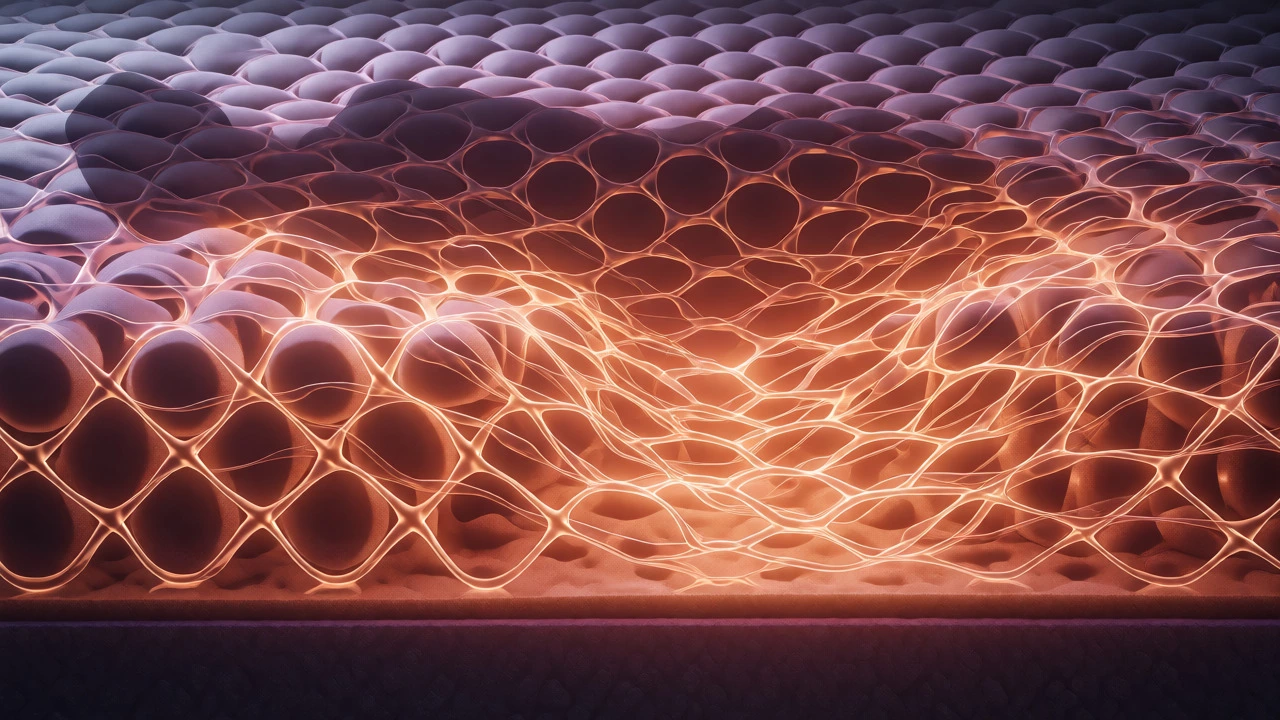
At a molecular level, polyurethane foams consist of open-cell structures filled with air. When compressed for shipping, these cells collapse. Over time, air re-enters, and the cell walls relax. But true "softening" involves the polymer chains aligning differently under repeated stress. Every time you roll over, you’re physically working the material.
This is why simply lying still isn’t always enough. Active movement helps distribute the stress across different zones of the mattress. If you sleep in one position exclusively, only specific parts of the mattress undergo the bedding process. The rest remains stiff. This can lead to an uneven sleeping surface where one side feels broken in and the other feels brand new.
Temperature plays a massive role. Most memory foams have a glass transition point around 60-65°F (15-18°C). Below this, the material behaves more like solid rubber. Above it, it flows like a viscous liquid. Keeping your bedroom at a consistent 68-72°F ensures the foam is pliable enough to accept the mechanical work of your body weight.
Common Mistakes That Extend the Wait
Many people sabotage their own bedding period through well-meaning but counterproductive actions. The most common error is using a thick mattress topper too soon. Adding a three-inch feather or foam topper on top of a new, firm mattress masks the actual feel of the bed. You think the mattress is comfortable, but really, the topper is doing the work. Once you remove the topper later, you realize the base mattress never broke in properly.
Another mistake is returning the mattress too early. Read the fine print. Most online retailers mandate a "break-in period" of 21 to 30 nights before you can initiate a return. If you request a refund after five nights, they may deny it or charge a fee. They know the science; use their policy to your advantage by sticking it out for the minimum required duration.
Ignoring rotation is also a major pitfall. Unlike old-fashioned innersprings that needed flipping, modern one-sided mattresses don't need flipping, but they do need rotating 180 degrees every two weeks. This ensures both sides of the mattress experience equal wear, preventing permanent body impressions from forming prematurely.
How to Speed Up the Bedding Period
You don’t have to suffer through three months of discomfort. There are proven ways to accelerate the process without damaging the warranty.
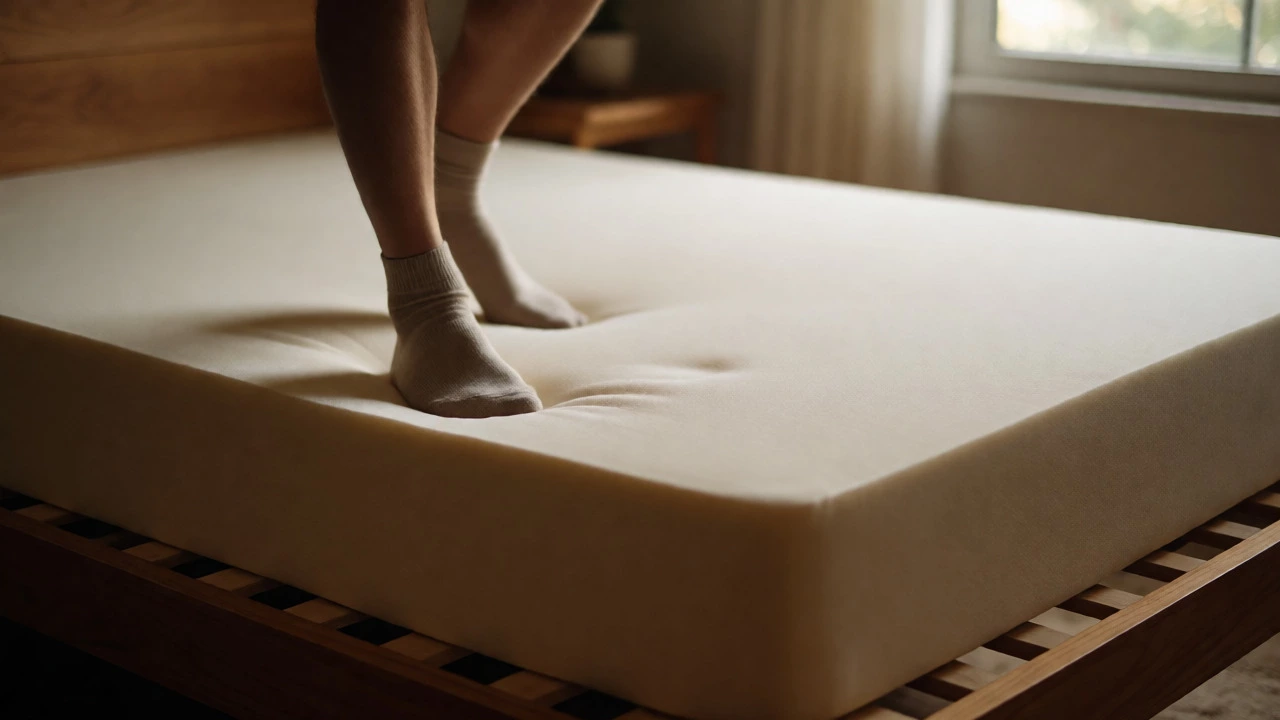
- The Walking Method: Remove all bedding. Walk gently but firmly across the entire surface of the mattress for 5-10 minutes daily. Focus on areas where you place your hips and shoulders. This applies distributed pressure that mimics sleep but in a more active way.
- Warmth Therapy: If possible, turn up the thermostat slightly or use a heating pad on low for 30 minutes before bed. Warm foam is softer foam. Just ensure the mattress dries completely before putting sheets back on to avoid moisture buildup.
- Remove Packaging Immediately: Don’t leave the mattress in its plastic wrap for days. Plastic traps heat and prevents off-gassing. Let it breathe in a well-ventilated room for at least 24 hours before sleeping on it.
- Use a Firm Base: Ensure your bed frame or foundation is solid. A slatted base with gaps wider than 3 inches can cause sagging that mimics a broken-in feel incorrectly. Use a bunkie board or closely spaced slats for uniform support.
These steps won't cut the time in half, but they can shave off 1-2 weeks of adjustment time. Consistency is key. Doing this once a week won't help; daily micro-sessions will.
When to Call Customer Service
While some stiffness is normal, certain signs indicate a defect rather than a bedding period issue. If you notice deep indentations (more than 1.5 inches) that don't recover when you get up, that’s a problem. Similarly, if the mattress smells like burnt plastic or ammonia rather than the typical mild "new car" scent, contact support.
Also, check for edge collapse. If sitting on the edge causes you to slide off immediately, the perimeter reinforcement may be faulty. This shouldn't improve significantly with time. Document these issues with photos and videos within the first 30 days. Most warranties cover structural failures, not comfort preferences, so distinguishing between "too firm" and "broken" is vital.
Final Thoughts on Patience and Comfort
The bedding period is annoying, but it’s temporary. It’s the price of admission for durable, supportive materials. By understanding the mechanics behind the delay, you stop viewing the first few weeks as a failure and start seeing them as part of the customization process. Your mattress is literally molding to you.
Give it the time it needs. Follow the acceleration tips, rotate regularly, and keep the environment warm. If after 90 days you still hate it, then you have your answer: it’s not the right firmness for you. But at least you’ll know you gave it a fair shot.
How long does a memory foam mattress take to break in?
Most memory foam mattresses require 60 to 90 days to fully break in. High-density foams may take closer to 90 days, while lower-density options might soften within 30 days. Consistent use and warmth are required to achieve full pliability.
Can I sleep on a new mattress the first night?
Yes, you can sleep on it immediately. However, expect it to feel firmer than advertised. Sleeping on it is actually necessary to start the bedding period. Just be prepared for potential discomfort during the first week.
Does walking on the mattress damage it?
No, gentle walking is recommended to accelerate the break-in process. Avoid jumping or standing on one spot for too long, as concentrated weight can damage the fabric or internal structure. Keep shoes clean to avoid staining.
Why does my new mattress smell?
This is called off-gassing. It occurs when volatile organic compounds (VOCs) trapped in the foam release into the air. It is harmless for most people and dissipates within 3-7 days with proper ventilation. Open windows or use fans to speed this up.
Should I use a mattress topper during the bedding period?
It is generally advised to wait until the bedding period is over before adding a topper. Using a topper too early masks the true feel of the mattress and prevents the top layers from receiving direct body heat and pressure, which slows down the softening process.