What Does an E-Commerce Logistics Specialist Actually Do? A Complete Role Breakdown

E-Commerce Logistics Efficiency Calculator
Enter Your Metrics
Input your current operational data to calculate a logistics health score.
Efficiency Score
Financial Impact (Monthly)
Enter your data to see how your logistics stack performs against industry standards.
Picture this: It’s Black Friday. Your online store is getting hit with thousands of orders per minute. The website doesn’t crash, but suddenly, customers start complaining that their tracking numbers aren’t updating, or worse, they’re receiving the wrong items. Who fixes this? It isn’t just the warehouse staff packing boxes. It’s the e-commerce logistics specialist.
This role is the backbone of modern online retail. Without it, even the best marketing campaigns and beautiful product pages fall flat because the physical goods never reach the customer efficiently. But what exactly does this person do all day? Are they just moving boxes around? Absolutely not.
An e-commerce logistics specialist acts as the conductor of a complex orchestra involving warehouses, carriers, software systems, and suppliers. They ensure that the right product gets to the right place at the right time-and ideally, at the lowest possible cost. Let’s break down the specific responsibilities, skills, and strategies that define this critical job.
Core Responsibilities: More Than Just Shipping
The title might sound like it involves driving trucks, but the reality is much more strategic. An e-commerce logistics specialist manages the entire flow of goods from the moment a supplier delivers raw materials or finished products to your warehouse until the final package lands on a customer’s doorstep.
Here are the primary pillars of the role:
- Inventory Management: They monitor stock levels in real-time. If a popular item is running low, they trigger reorder points before you sell out. If too much stock sits idle, they identify slow-moving items to free up cash flow.
- Order Fulfillment Optimization: They design the process for picking, packing, and shipping. This includes deciding whether to use manual labor, automated conveyor belts, or third-party fulfillment centers (3PLs).
- Carrier Negotiation: They don’t just pick UPS or FedEx based on brand recognition. They negotiate rates based on volume, weight zones, and delivery speed requirements to keep margins healthy.
- Returns Processing (Reverse Logistics): Handling returns is often more expensive than the initial sale. Specialists create streamlined processes to inspect, restock, or dispose of returned items quickly.
In short, they bridge the gap between digital sales data and physical movement. When a customer clicks "Buy," the logistics specialist ensures the backend machinery responds instantly and accurately.
Key Skills Required for Success
You can’t be a great logistics specialist if you only love spreadsheets. While data analysis is crucial, the role demands a mix of technical proficiency, soft skills, and operational know-how.
Data Analytics is the ability to interpret large sets of logistical data to find trends, inefficiencies, and opportunities for cost reduction. For example, analyzing why certain zip codes have higher return rates due to damaged packages during transit.
Beyond numbers, here are the essential competencies:
- Problem-Solving Under Pressure: Supply chains are fragile. A storm in Texas, a strike at a port, or a software glitch can halt operations. Specialists must pivot quickly, finding alternative routes or carriers without losing their cool.
- Technical Proficiency: Familiarity with Warehouse Management Systems (WMS), Transportation Management Systems (TMS), and ERP platforms like SAP or Oracle is non-negotiable. You need to understand how these systems talk to each other.
- Negotiation Skills: Whether dealing with freight forwarders or packaging suppliers, you need to advocate for better terms while maintaining good relationships.
- Attention to Detail: A single digit error in a SKU code can send a shipment to the wrong country. Precision is vital.
Soft skills matter too. You’ll work closely with customer service teams when delays occur, so clear communication is key. You aren’t just hiding behind data; you’re explaining complex logistical issues to non-logistics colleagues in plain English.
The Technology Stack: Tools of the Trade
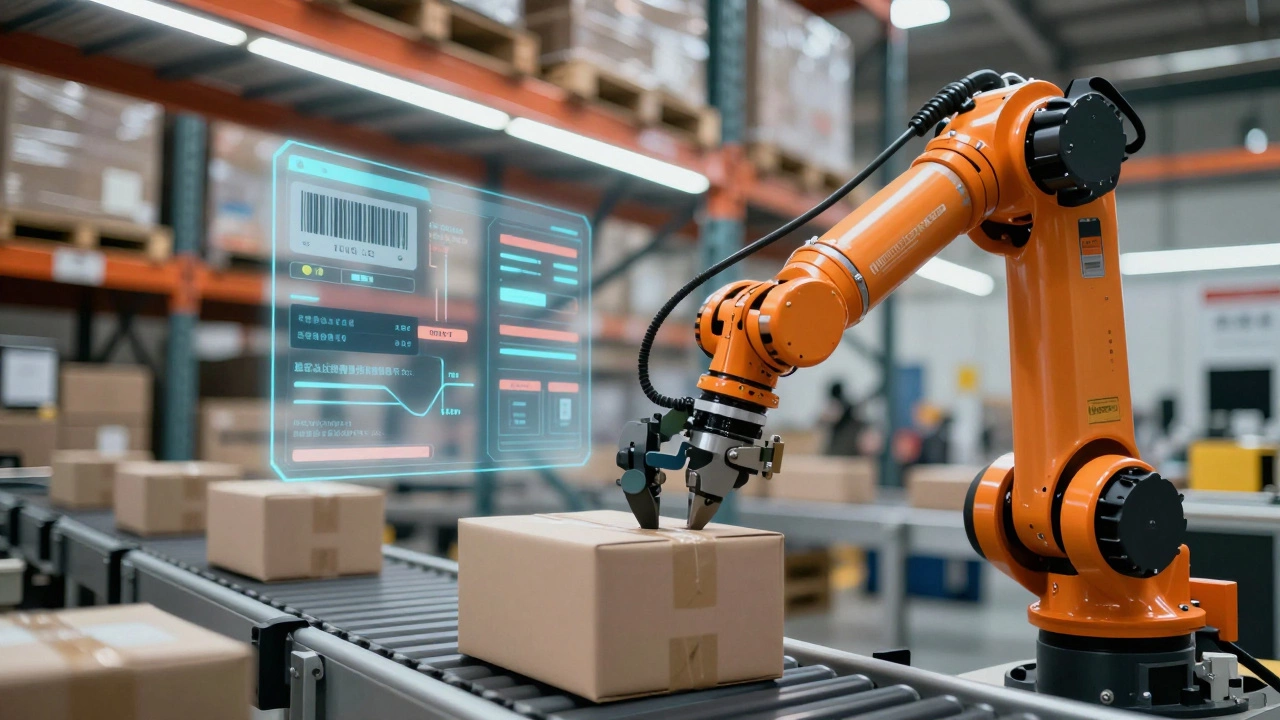
In 2026, no logistics specialist works manually. The role is heavily dependent on technology stacks that automate decision-making. Understanding these tools separates the amateurs from the pros.
| Tool Category | Function | Examples |
|---|---|---|
| Warehouse Management System (WMS) | Tracks inventory location, guides pickers, manages receiving | Manhattan Associates, Blue Yonder, Fishbowl |
| Transportation Management System (TMS) | Plans optimal shipping routes, compares carrier rates, generates labels | Freightos, ShipStation, Oracle TMS |
| ERP Software | Integrates finance, HR, and supply chain data into one platform | SAP Business One, Microsoft Dynamics 365 |
| AI & Predictive Analytics | Forecasts demand spikes, predicts potential disruptions | Tools integrated within WMS/TMS or standalone like Kinaxis |
A specialist doesn’t just use these tools; they configure them. For instance, setting up rules in a TMS so that any order over $100 automatically ships via two-day air, while orders under $50 go via ground economy. This automation saves hours of manual work daily.
Challenges in Modern E-Commerce Logistics
The job isn’t without its headaches. The expectations of today’s consumers are higher than ever. "Free shipping" and "next-day delivery" are now standard, not perks. Meeting these expectations squeezes profit margins thin.
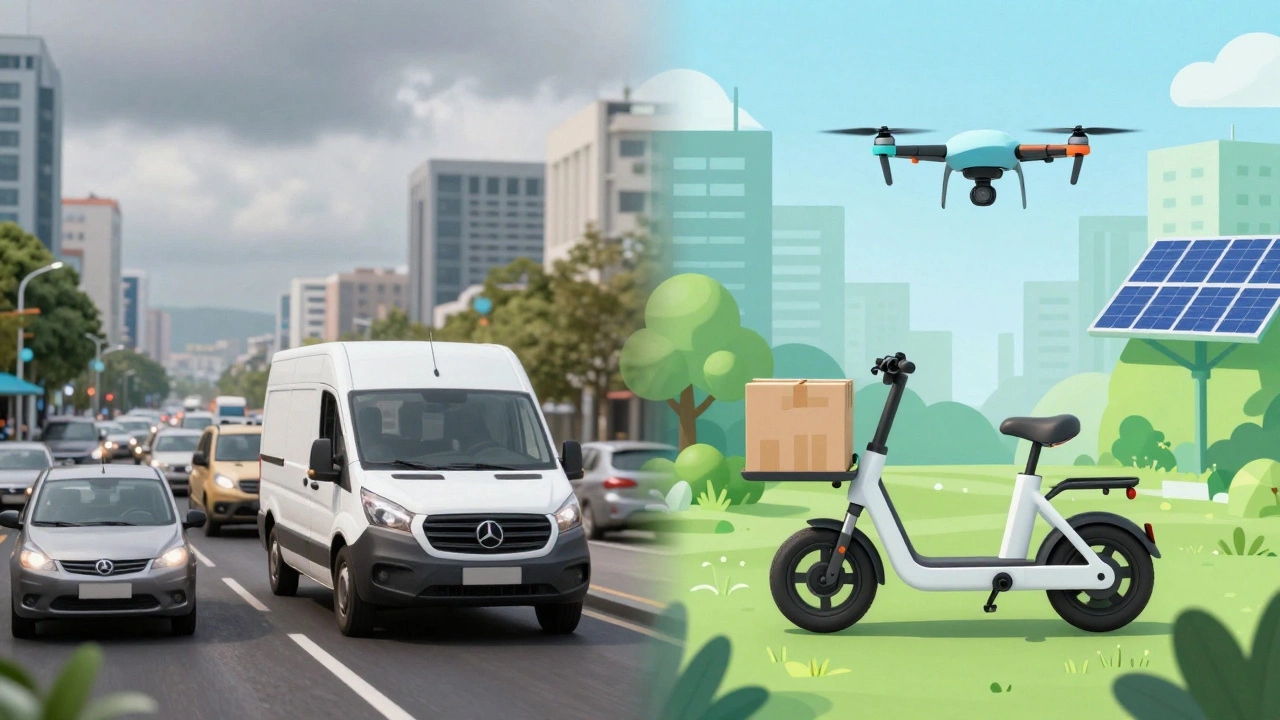
One major challenge is Last-Mile Delivery, which is the final step of the delivery process where a package is transported from a transportation hub to its final destination. This stage accounts for up to 53% of total shipping costs. Specialists constantly experiment with solutions like locker pickups, drone deliveries, or local courier partnerships to reduce this burden.
Another significant issue is sustainability. Customers increasingly prefer eco-friendly shipping options. Logistics specialists must balance speed and cost with carbon footprint reduction. This might involve consolidating shipments, using electric vehicles for local deliveries, or optimizing packaging to reduce waste.
Global trade complexities also play a role. If you import goods, changes in tariffs, customs regulations, or geopolitical tensions can disrupt supply chains overnight. A specialist stays informed on international trade laws to mitigate these risks.
How to Become an E-Commerce Logistics Specialist
If you’re interested in this career path, there are several entry points. Most professionals start with a degree in Supply Chain Management, Business Administration, or Industrial Engineering. However, experience often trumps education in this field.
Many specialists begin in entry-level roles such as:
- Warehouse Associate: Learning the physical flow of goods firsthand.
- Shipping Coordinator: Handling daily dispatches and carrier communications.
- Inventory Analyst: Focusing purely on stock accuracy and forecasting.
Certifications can boost credibility. Credentials like the Certified Supply Chain Professional (CSCP) from APICS or certifications in specific software platforms (like SAP or Oracle) demonstrate expertise to employers.
Networking is also valuable. Joining industry groups related to logistics, attending trade shows like MODEX or CSCMP EDGE, and connecting with peers on LinkedIn can open doors to mentorship and job opportunities.
Future Trends Shaping the Role
The role of the e-commerce logistics specialist is evolving rapidly. Automation and artificial intelligence are taking over repetitive tasks, allowing specialists to focus on strategy and exception handling.
Robotic Process Automation (RPA) is software robots that mimic human actions to complete high-volume, repetitive tasks like data entry or invoice processing. In logistics, RPA can automatically update tracking statuses across multiple platforms, freeing up humans to deal with complex problems.
Additionally, the rise of nearshoring-moving manufacturing closer to end consumers-is changing how specialists plan networks. Instead of relying solely on overseas suppliers, many companies are diversifying their sources to reduce lead times. Specialists will need to manage more complex, multi-node supply chains rather than simple linear ones.
Real-time visibility is becoming the norm. Customers want to see exactly where their package is, down to the street corner. Specialists will increasingly rely on IoT sensors and GPS tracking to provide this level of transparency, requiring new skills in data interpretation and system integration.
Why This Role Matters for Business Growth
Ultimately, an e-commerce logistics specialist isn’t just a cost center; they’re a revenue protector. Poor logistics lead to lost sales, negative reviews, and churned customers. Conversely, excellent logistics drive loyalty and repeat purchases.
When a specialist optimizes inventory turnover, they free up capital for marketing or product development. When they negotiate better carrier rates, they improve gross margins. When they streamline returns, they recover value from otherwise lost inventory.
In the competitive landscape of 2026, where products are easily commoditized, the customer experience-specifically the unboxing and delivery experience-becomes a key differentiator. The logistics specialist owns that experience.
What is the difference between a logistics coordinator and a logistics specialist?
A logistics coordinator typically handles day-to-day operational tasks like scheduling shipments and communicating with drivers. A logistics specialist takes a broader, more strategic view, focusing on process improvement, cost analysis, vendor negotiations, and long-term supply chain optimization. Think of the coordinator as executing the plan and the specialist as designing and refining it.
Do I need a degree to become an e-commerce logistics specialist?
While a degree in supply chain management or business is helpful and often preferred by larger corporations, it is not strictly mandatory. Many professionals enter the field through entry-level warehouse or shipping roles and advance through experience and certifications. Demonstrable skills in data analysis and familiarity with logistics software can sometimes outweigh formal education.
How much does an e-commerce logistics specialist earn?
Salaries vary widely based on location, experience, and company size. In the United States, entry-level positions might start around $45,000-$55,000 per year. Mid-level specialists with 3-5 years of experience typically earn between $60,000 and $80,000. Senior roles or those managing global supply chains can command salaries exceeding $100,000 annually, plus bonuses tied to performance metrics.
What are the biggest challenges facing logistics specialists in 2026?
The top challenges include managing rising fuel and labor costs, meeting consumer expectations for ultra-fast delivery, ensuring supply chain resilience against geopolitical disruptions, and implementing sustainable practices without sacrificing efficiency. Additionally, integrating new AI technologies into legacy systems remains a technical hurdle for many organizations.
Is e-commerce logistics a good career choice?
Yes, it is a growing and stable field. As long as people buy physical goods online, logistics will remain essential. The industry offers diverse career paths, from analytical roles to operational management. With the increasing complexity of global supply chains and the adoption of advanced technologies, skilled specialists are in high demand and have strong job security.