What do you need to work in logistics? Essential skills and requirements
Logistics Career Readiness Checker
Select a target role and rate your proficiency in key areas. This tool helps you understand where you stand compared to typical employer expectations.
Select a role, rate your skills, and click "Check My Readiness" to see your profile.
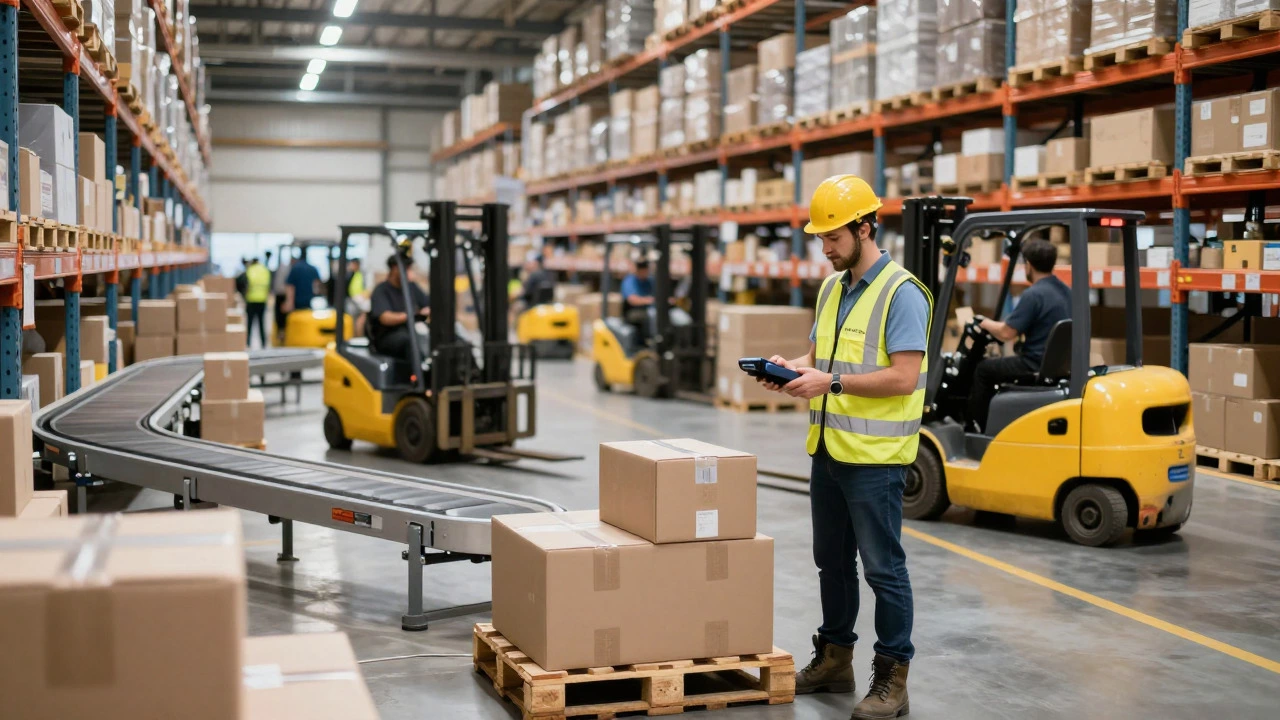
Walking into a modern distribution center can be overwhelming. The noise of forklifts, the hum of conveyor belts, and the sheer volume of moving boxes create a sensory overload that stops many people in their tracks. But behind that chaos lies a highly coordinated system where every second counts. If you are considering a career in this sector, you might wonder what it actually takes to thrive here. It is not just about lifting heavy things or driving trucks; it is about precision, data literacy, and an unshakeable ability to solve problems under pressure.
The logistics industry is a critical component of global commerce responsible for the efficient flow of goods from origin to destination. Whether you aim for a role on the warehouse floor, in dispatch, or in high-level supply chain strategy, the foundational requirements remain surprisingly consistent. You need a mix of physical stamina, digital fluency, and logistical thinking. Let’s break down exactly what employers are looking for in 2026.
Physical and Mental Resilience
Many people underestimate the physical demands of entry-level logistics roles. While automation has increased, humans still handle exceptions, loading, and quality checks. For warehouse operatives, you need the ability to stand for eight to ten hours, lift up to 25 kilograms regularly, and navigate tight spaces safely. This is not just about strength; it is about endurance and body awareness to prevent injury.
Mental resilience is equally important. Logistics operates on tight deadlines. A missed slot at an airport or a delayed truck means a customer receives their package late. You must be comfortable with time-sensitive tasks and able to maintain focus during repetitive cycles. Employers value candidates who show consistency over bursts of energy. If you can stay calm when a scanner fails or a pallet is damaged, you already have a significant edge.
Digital Literacy and Software Proficiency
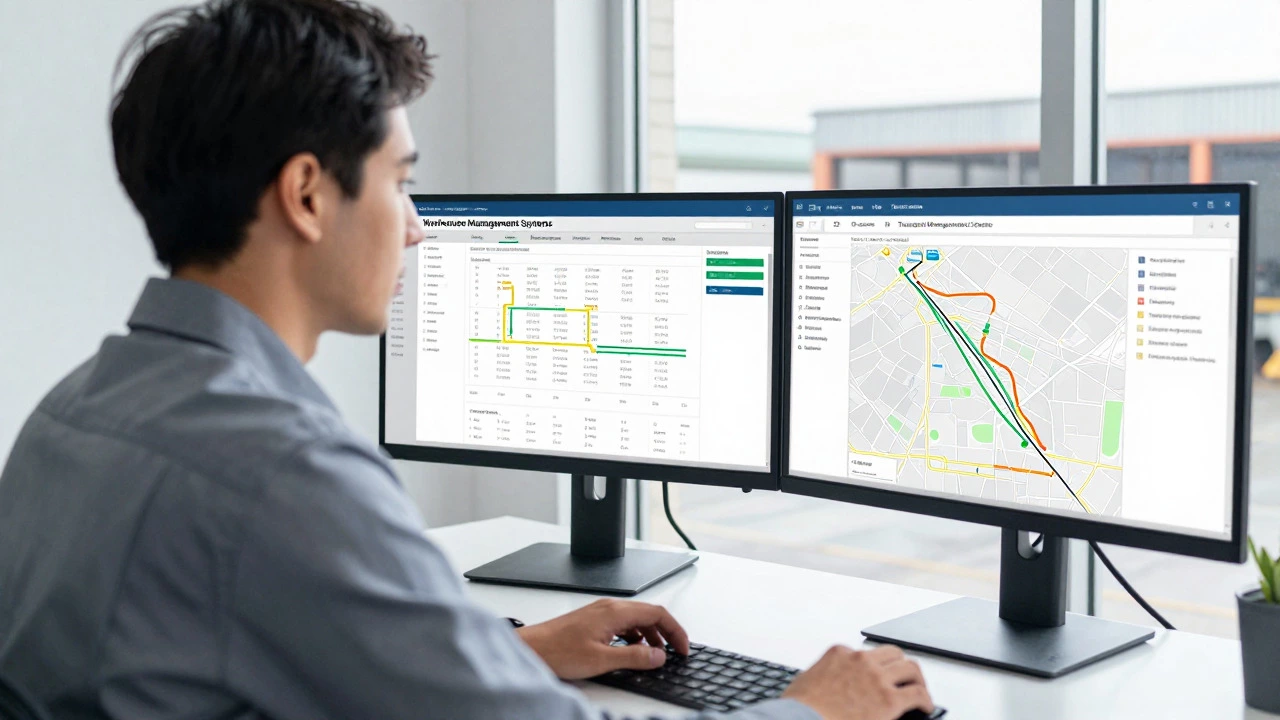
Gone are the days of paper clipboards and handwritten manifests. Today, logistics runs on data. You need to be comfortable using a computer, a handheld terminal, or a tablet. Most major logistics companies rely on specialized software to track inventory and manage shipments.
You will likely encounter several key types of technology:
- Warehouse Management Systems (WMS): These guide you through picking, packing, and putting away items. Knowing how to interpret a WMS screen quickly saves minutes per order, which adds up significantly over a shift.
- Transport Management Systems (TMS): Used by coordinators to plan routes and assign drivers. Understanding basic route optimization concepts helps you make better decisions.
- ERP Systems: Enterprise Resource Planning software like SAP or Oracle connects finance, procurement, and logistics. Familiarity with these platforms is a major plus for office-based roles.
You don’t need to be a programmer, but you must be tech-savvy. If you struggle with typing speed or navigating complex menus, consider taking a short course in general computer skills before applying. Speed and accuracy in data entry are non-negotiable in this field.
Core Soft Skills: Communication and Teamwork
Logistics is a team sport. No single person moves a container ship or manages a global supply chain alone. Drivers talk to dock workers, who talk to planners, who talk to customers. Miscommunication leads to errors, and errors cost money.
Clear communication is your most valuable asset. When reporting a discrepancy, be concise and factual. Instead of saying "something seems off," say "Pallet B-12 is missing two units compared to the manifest." This clarity prevents confusion and speeds up resolution.
Teamwork extends beyond your immediate colleagues. In a cross-functional environment, you might collaborate with finance teams on invoice disputes or with sales teams on delivery promises. Being approachable and reliable builds trust across departments. Employers often hire for attitude and train for skill, so showing a collaborative mindset is crucial.
Education and Certifications
Do you need a university degree to work in logistics? Not necessarily. Many operational roles require only a high school diploma or equivalent. However, if you want to move into management or strategic planning, further education becomes important.
Here is a breakdown of typical educational pathways:
| Role Level | Typical Education | Recommended Certifications |
|---|---|---|
| Operative / Driver | High School Diploma | Forklift License, CDL (for heavy vehicles) |
| Coordinator / Planner | Associate Degree or Experience | CSCM Foundation, Excel Proficiency |
| Manager / Analyst | Bachelor’s Degree | CSCP, Six Sigma Green Belt |
| Director / Consultant | Master’s Degree (MBA preferred) | CLTD, PMP |
Certifications can boost your resume significantly. The Certified Supply Chain Professional (CSCP) designation is widely recognized globally. For those starting out, local safety certifications like OSHA compliance or forklift operation licenses are practical and easy to obtain. They demonstrate that you are serious about the job and ready to hit the ground running.
Industry-Specific Knowledge
Understanding the basics of how goods move gives you confidence in interviews and on the job. You should know the difference between inbound and outbound logistics. Inbound refers to receiving raw materials or finished goods into a facility, while outbound refers to shipping products to customers or retail stores.
Familiarize yourself with key terms like:
- Freight Forwarding: The process of arranging transportation for goods on behalf of a client.
- Last-Mile Delivery: The final leg of the journey to the end customer, often the most expensive and complex part.
- Cross-Docking: Unloading incoming materials directly onto outbound trucks without storage, speeding up turnover.
Knowing these concepts shows potential employers that you understand the bigger picture. It signals that you are not just looking for any job, but specifically a career in moving goods efficiently.
How to Prepare Before Applying
You can take concrete steps to make yourself a stronger candidate. Start by updating your resume to highlight any experience with inventory, scheduling, or customer service. Even unrelated jobs can demonstrate transferable skills. Did you manage stock at a retail store? That is relevant. Did you coordinate events? That shows organizational skills.
Next, practice with free online tools. Many websites offer free simulations of warehouse picking processes or basic Excel tutorials. Improving your Excel skills, particularly with pivot tables and VLOOKUP functions, is one of the highest-value investments you can make. Data analysis is becoming central to logistics decision-making.
Finally, research the specific companies you are interested in. Do they specialize in cold chain logistics, automotive parts, or e-commerce parcels? Tailoring your application to their specific niche shows initiative. Mentioning a recent challenge they faced in the news or a new technology they adopted can set you apart from generic applicants.
Common Mistakes to Avoid
Many candidates fail to secure logistics roles due to simple oversights. One common mistake is underestimating the importance of reliability. Logistics runs on schedules. If you are frequently late or call in sick without notice, you disrupt the entire workflow. Emphasize your punctuality and attendance record in interviews.
Another pitfall is ignoring safety protocols. During site visits, watch how you interact with equipment. Wear closed-toe shoes, keep your hair tied back if required, and pay attention to signage. Showing that you prioritize safety tells managers you are low-risk and easy to supervise.
Lastly, don’t overlook the soft side of the job. Logistics can be stressful. Interviewers look for candidates who can handle pressure without becoming reactive. Share examples of times you stayed calm during a crisis. This demonstrates emotional intelligence, a trait that is hard to teach but vital for long-term success in the field.
Is a degree required to start a career in logistics?
No, a degree is not required for entry-level operational roles such as warehouse operative or driver. A high school diploma is usually sufficient. However, a bachelor’s degree in supply chain management, business, or engineering is beneficial for advancing into planning, management, or analyst positions.
What are the most in-demand skills in logistics right now?
The most in-demand skills include proficiency in Warehouse Management Systems (WMS), data analysis using Excel or SQL, problem-solving under pressure, and clear communication. As automation increases, the ability to troubleshoot technical issues and manage human-machine interaction is also highly valued.
How much does it cost to get certified in logistics?
Costs vary widely. Basic safety certifications like forklift licenses may cost $100 to $300. Professional certifications like CSCP or CLTD from APICS can range from $1,000 to $2,000 including exam fees. Many employers reimburse certification costs after a probationary period.
Can I work in logistics with no prior experience?
Yes, many logistics companies hire entry-level staff with no direct experience. They look for transferable skills such as reliability, teamwork, and basic computer literacy. Willingness to learn and adapt is often more important than previous job history for these roles.
What is the difference between logistics and supply chain management?
Logistics focuses specifically on the movement and storage of goods, including transportation, warehousing, and inventory control. Supply chain management is broader, encompassing logistics plus procurement, manufacturing, demand planning, and supplier relationships. Logistics is a subset of supply chain management.