What Do People in Logistics Do? Real Jobs Behind the Packages
Logistics Career Matchmaker
Find Your Perfect Logistics Job
Answer a few questions to discover which logistics role suits you best.
Your Match
Ever wonder who actually moves the package from the warehouse to your door? It’s not magic. It’s people. Real people doing real, messy, fast-paced jobs that keep the world running. Logistics isn’t just trucks and tracking numbers-it’s a whole ecosystem of roles, each one critical, each one different. If you’ve ever waited for a delivery and thought, "Who’s behind this?"-here’s who they are.
Warehouse Workers: The Ground Zero of Logistics
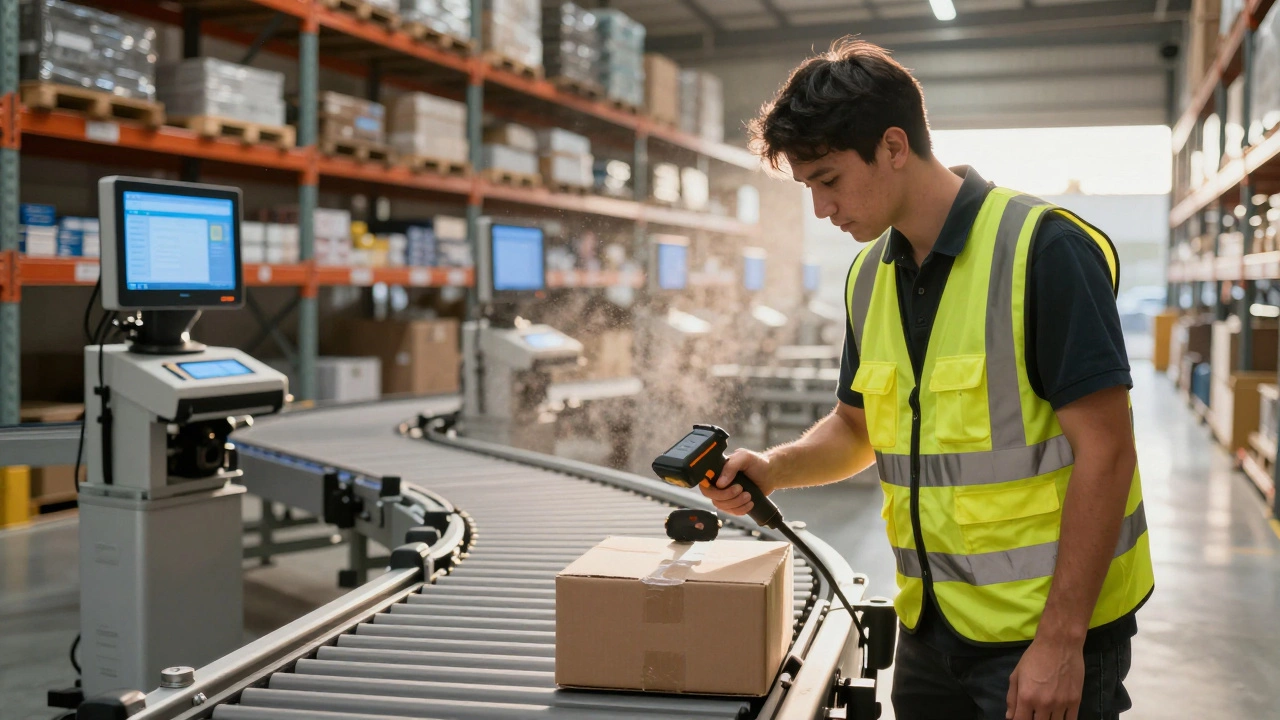
Before anything moves, it sits in a warehouse. And someone has to find it, grab it, and get it ready. Warehouse workers aren’t just packers. They’re scanners, sorters, lift operators, and inventory auditors. In a modern fulfillment center, a single worker might walk 15 miles in a shift, using handheld scanners to verify every item. One mistake-a wrong SKU, a mislabeled box-can send a shipment to the wrong city. In 2025, warehouses in New Zealand and Australia started using AI-powered pick-to-light systems, but even then, humans still do the final check. No robot replaces the eye that spots a cracked corner or a missing instruction tag.
Freight Coordinators: The Traffic Controllers of Shipping
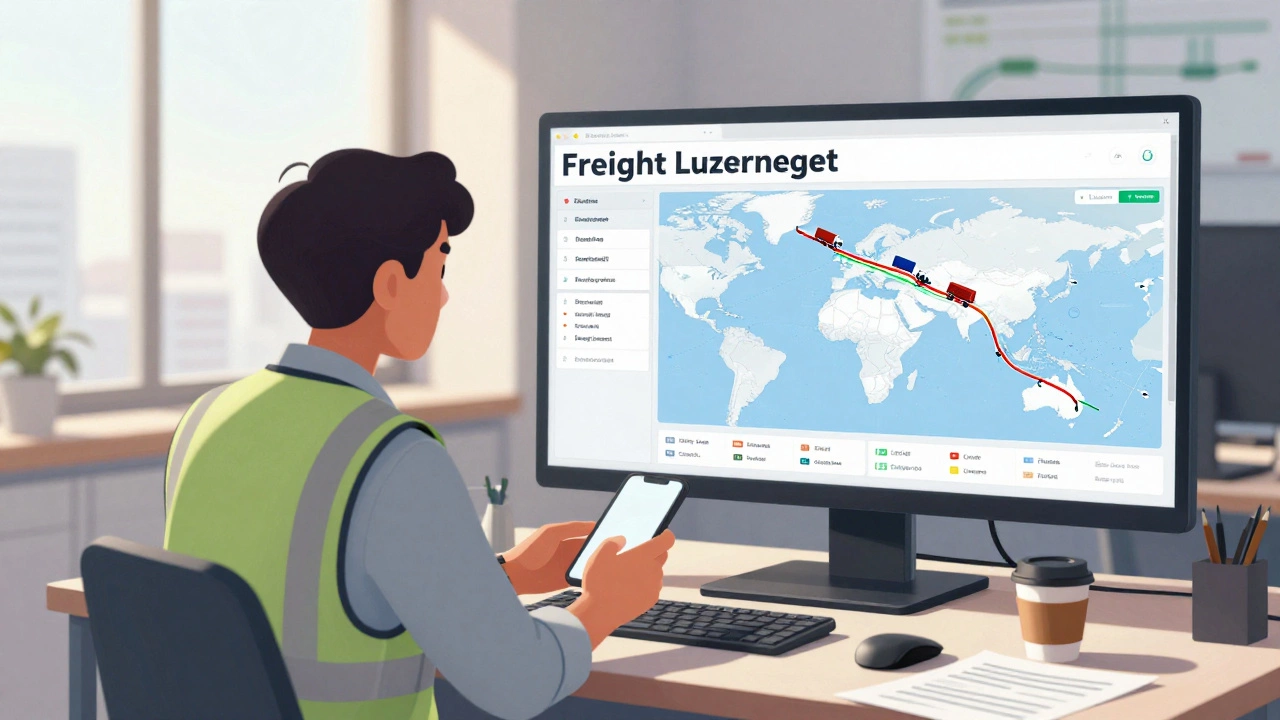
Think of freight coordinators as the air traffic controllers of logistics. They don’t drive trucks or load ships, but they decide which ones go where, when, and at what cost. They juggle carrier contracts, customs paperwork, delivery windows, and unexpected delays. A freight coordinator in Auckland might be rerouting a shipment from China because a port strike in Los Angeles has backed up containers. They know which trucking companies have the best rates on Tuesdays, which customs brokers handle dairy exports fastest, and which rail lines are backed up this week. Their job? To make sure a 200kg shipment of kiwi fruit arrives in Sydney fresh, legal, and on time-even if the weather’s bad, the driver called in sick, and the client changed the delivery address three times.
Transportation Planners: The Route Masters
Who picks the route for your delivery truck? It’s not Google Maps. It’s a transportation planner. These folks use specialized software to optimize hundreds of stops a day. They factor in fuel prices, driver hours, traffic patterns, weight restrictions on bridges, and even local council curfews on large vehicles. In Wellington, planners have to account for steep hills and narrow streets that block 18-wheelers. A single route change can save $300 in fuel and three hours of labor. They also handle backhauls-loading return cargo so trucks don’t drive empty. That’s how your local hardware store gets new shelving units on the same truck that drops off your online order.
Inventory Managers: The Data Guardians
Logistics isn’t just about moving stuff-it’s about knowing what’s where. Inventory managers track stock levels across multiple warehouses, distribution centers, and even retail shelves. They use ERP systems to predict demand spikes. If a heatwave hits Christchurch, they know air conditioners will sell out in 48 hours. They don’t just count boxes-they forecast, reorder, and prevent overstocking. One manager in Hamilton reduced waste by 22% last year by using real-time sales data to adjust orders daily. If you’ve ever seen a store with too many of one item rotting on the shelf, that’s an inventory manager who didn’t get the signal.
Customs and Compliance Officers: The Paperwork Warriors
International shipping? That’s where customs officers come in. They’re the ones buried in forms, tariffs, and regulations. A shipment of medical devices from Germany to Wellington needs a Certificate of Conformity, a phytosanitary certificate if it contains packaging wood, and a declaration under the New Zealand Customs Act. One missing document means the whole load sits at the port for days. These officers know which countries require electronic pre-notification, which require original signatures, and which ban certain materials outright. They work closely with freight forwarders and importers. In 2025, New Zealand introduced digital customs clearance for small parcels under $1,000-but even then, 30% of shipments still need human review.
Logistics Analysts: The Problem Solvers Behind the Scenes
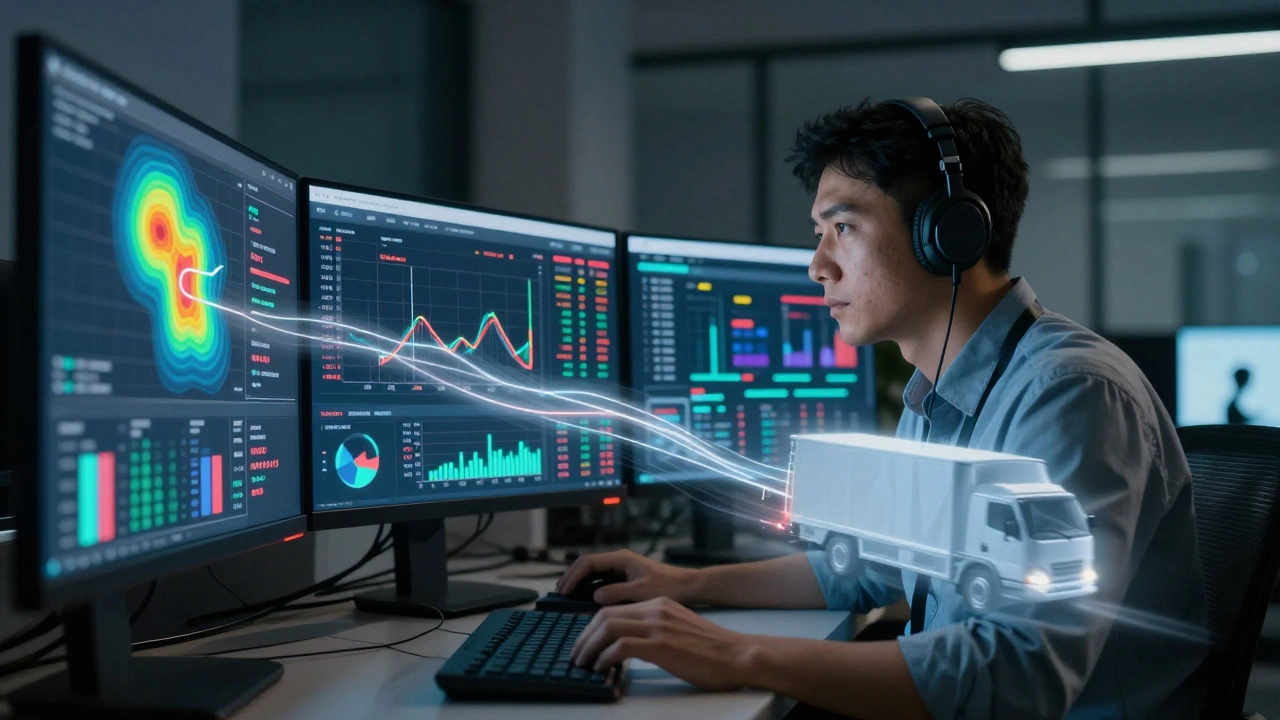
When a company’s delivery times are slowing down, who figures out why? Logistics analysts. They dig into data: on-time delivery rates, carrier performance, return rates, fuel consumption per route. They build dashboards, run simulations, and test new strategies. One analyst in Auckland noticed that 60% of late deliveries happened on Friday afternoons. The fix? Shifted delivery windows to earlier in the week. That simple change cut late deliveries by 41%. These people don’t wear hard hats-they wear headphones and stare at spreadsheets. But their work saves companies millions.
Customer Service Reps in Logistics: The First and Last Line
When your package is late, who do you call? A logistics customer service rep. They’re the ones explaining why a shipment got stuck in Auckland instead of Christchurch. They handle complaints, track down lost boxes, and sometimes pay for replacements out of their own department budget. They don’t control the trucks, but they own the customer’s experience. In 2025, companies started training reps to use real-time tracking tools so they could show customers exactly where their package was-down to the warehouse aisle. That kind of transparency cuts call volume by nearly half.
Why This Matters More Than You Think
Logistics isn’t glamorous. You won’t see these jobs on Instagram. But if they stop? Supermarkets go empty. Hospitals run out of medicine. Your phone order takes three weeks. In New Zealand, over 72,000 people work directly in logistics. That’s more than teachers or nurses. And demand is growing. E-commerce is up 18% since 2023. Global trade is still recovering from pandemic disruptions. Every warehouse, every truck, every customs form-it all depends on people doing these jobs, day after day.
What’s Next for Logistics Jobs?
Automation is coming. Drones, robots, AI-but not replacing people. Replacing the boring, repetitive parts. The future belongs to workers who can operate tech, interpret data, and solve problems on the fly. A warehouse worker today might learn to program a robotic arm. A freight coordinator might become a data analyst. The skills are changing, but the need for human judgment? That’s not going anywhere.
Do logistics jobs require a degree?
Not usually. Most entry-level roles-like warehouse worker or driver-only need a high school diploma and on-the-job training. But for higher-level jobs like logistics analyst, inventory manager, or customs officer, certifications or diplomas in supply chain management help. Many companies offer internal training programs. In New Zealand, the New Zealand Institute of Logistics offers short courses that can get you certified in 6-12 weeks.
Are logistics jobs well-paid?
It depends on the role. Warehouse workers typically earn between $22-$28 per hour. Freight coordinators and transportation planners make $65,000-$95,000 a year. Logistics analysts with data skills can earn over $100,000, especially in major ports like Auckland or Lyttelton. Entry-level jobs pay decently for the skill level, and there’s clear room to grow.
Can you work in logistics without driving a truck?
Absolutely. Only about 20% of logistics jobs involve driving. The rest are in offices, warehouses, data centers, and ports. You can work as a scheduler, a compliance officer, a customer service rep, or a systems analyst-all without ever getting behind the wheel.
Is logistics a stable career?
Yes. Global trade isn’t going away. E-commerce keeps growing. Even during recessions, people still need food, medicine, and essentials. Logistics is one of the most resilient industries. In New Zealand, the government lists logistics as a skill shortage area, meaning there are more jobs than qualified workers.
What’s the biggest challenge in logistics today?
The biggest challenge? Keeping up with demand while dealing with labor shortages, rising fuel costs, and climate-related delays. Ports are congested. Drivers are aging. And customers expect same-day delivery. Companies are turning to automation and better data tools-but they still need skilled people to manage those systems.