What Do Mirrors Mean Spiritually? A Guide to Symbolism and Energy
Spiritual Mirror Placement Guide
Analyze Your Setup
Verdict:
Energy Rating
Recommended Shape
You catch your eye in the glass while rushing out the door. Maybe you adjust your hair or check your expression. But have you ever paused to think about what that surface actually represents? For thousands of years, humans have looked past their own faces in these reflective surfaces to find something deeper. The spiritual meaning of mirrors goes far beyond decoration. They act as portals between the physical world and the inner self.
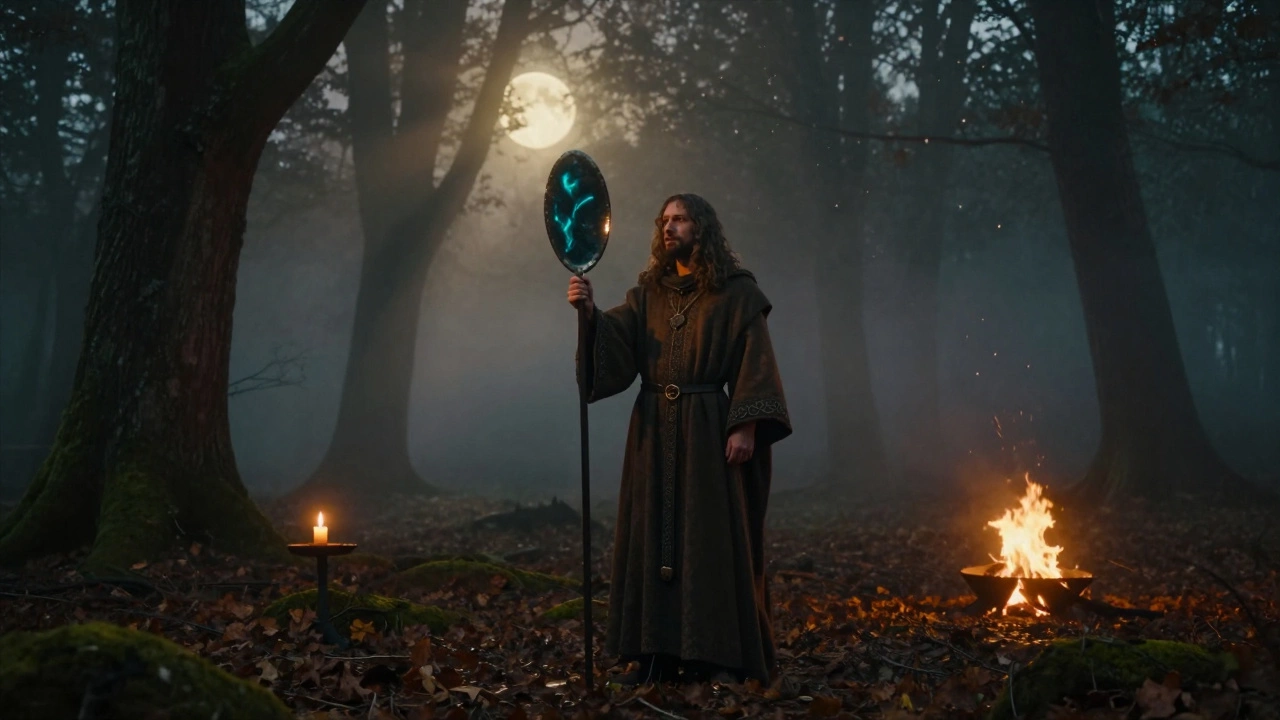
In many traditions, a mirror isn't just a tool for grooming; it's a sacred object. Ancient Egyptians placed them in tombs to help the soul travel through the afterlife. Celtic druids used polished stones to see visions of the future. Today, when you place a large wall mirror in your living room, you are tapping into energy flows that date back centuries. Understanding this helps you arrange your home with intention rather than accident.
Reflections of the Soul
The most common association we have is with self-image. However, spirit teachers often refer to the "mirror" metaphor for how others reflect us. If someone angers you quickly, that reaction might be reflecting an unhealed part of yourself. In Buddhism, the concept of Maya suggests the material world is an illusion, much like a reflection. You cannot touch what you see in the glass. It shows form without substance.
This idea challenges us to look inward. When you meditate, the goal is sometimes described as "seeing clearly." A clear mind acts like a dust-free mirror. If your thoughts are scattered, the reflection is blurry. Clarity allows you to see the truth of who you are without the distortion of ego. Many people use morning journaling as a way to keep this mental surface clean.
Historical Roots of Mirror Beliefs
Long before glass technology existed, early humans polished obsidian or metal. These ancient tools were rare and expensive, usually reserved for priests or nobles. Because only the elite owned them, the public developed awe around these objects.
In Victorian England, superstition ran wild regarding reflections. People believed that if you broke a mirror, you lost seven years of good luck. Why seven? It was likely tied to the belief that a broken image damaged your soul's continuity. Cutting off a piece of the reflection meant cutting off a piece of your timeline. While we don't believe that anymore, there is still a sense of loss when we shatter something fragile.
Conversely, some cultures saw mirrors as protective shields. During the Middle Ages, brides often carried small hand mirrors to ward off evil spirits or the "evil eye." The logic was simple: the enemy sees themselves instead of their target. This trick is still used in folklore globally, where hanging a small disc above a doorway stops negative energy from entering.
Feng Shui and Energy Flow
If you are arranging your home, Feng Shui offers concrete rules for placement. This ancient Chinese practice focuses on harmonizing individuals with their environment. Here, mirrors are powerful activators of energy, known as Qi.
| Location | Purpose | Risk Factor |
|---|---|---|
| Entryway | Expands space and energy | Do not face front door directly |
| Dining Room | Multiplies abundance (food/wealth) | Avoid facing clutter |
| Bedroom | Generally discouraged | Sleeps restlessly with reflections |
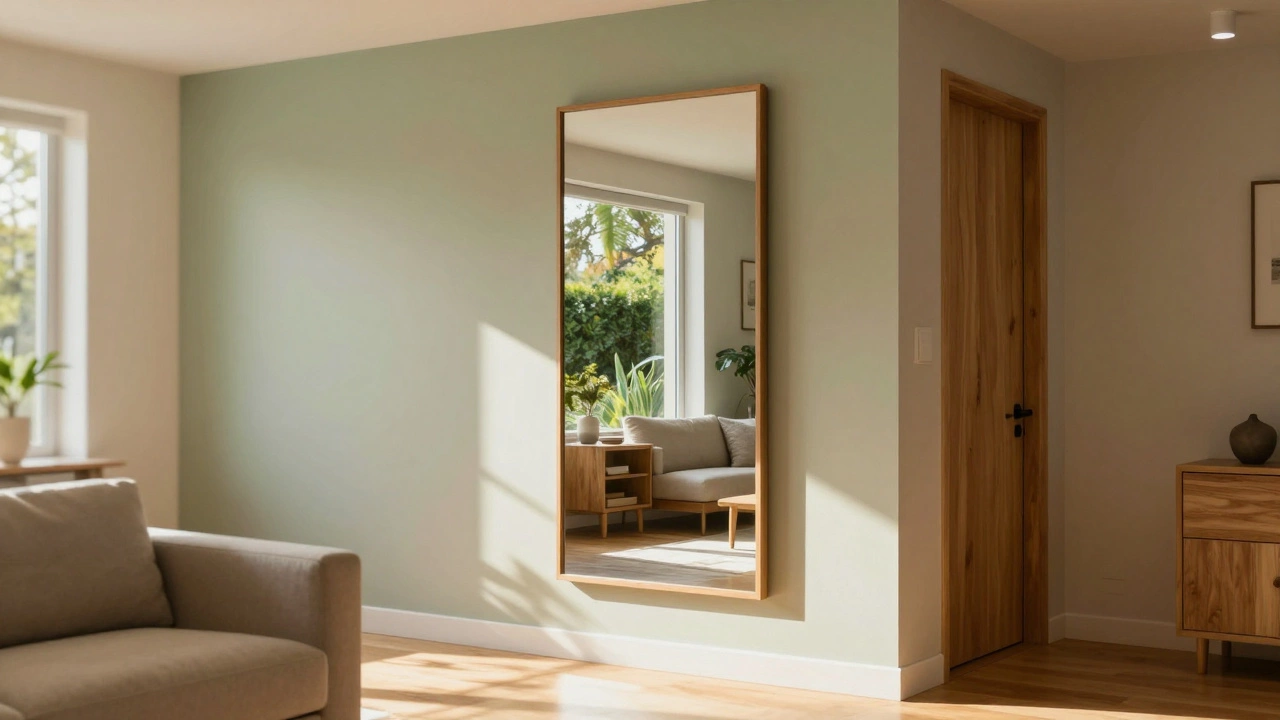
The reasoning is straightforward. Mirrors double whatever they face. If you face a view of your garden, you effectively double the beauty and nature around you. But if you face the bathroom door or a pile of junk, you double the stagnation. The most critical rule involves the entrance. A mirror directly facing the front door pushes energy right back out before it can enter. To fix this, simply cover the mirror with a cloth when guests arrive or move it to a side wall.
Modern Psychology and Self-Awareness
We don't need to rely solely on mysticism to find value. Modern psychology validates the power of gaze. Looking into a mirror forces you to confront yourself physically. Studies show that maintaining eye contact with your reflection can improve self-regulation. When you apologize to yourself in a mirror, you take personal responsibility rather than projecting blame outwardly.
Therapists often recommend the "mirror talk" exercise. Stand in front of a full-length glass and say affirmations aloud. At first, this feels awkward. You feel silly looking at your eyes while complimenting yourself. However, consistent practice rewires the brain to accept positive feedback. It shifts focus from appearance critique to identity affirmation.
This bridges the gap between ancient ritual and modern mental health. Both recognize that the visual interface provides a feedback loop. Whether you call it spiritual cleansing or cognitive behavioral therapy, the mechanism remains: you define your reality by how you look at yourself.

Superstitions Versus Rational Thought
There is a famous myth about sleeping under a mirror. The belief states that spirits can enter the glass and haunt the sleeper. In practical terms, the issue is about sleep quality. Seeing a flickering movement in a dark bedroom triggers survival instincts. Your peripheral vision detects a shadow, and your heart rate spikes.
To respect tradition without fear, simply cover mirrors with a cloth or drape when going to sleep. This blocks the visual stimulus and honors the sentiment of safety. Similarly, avoid placing large mirrors opposite your cooking stove. In traditional thought, fire and water clash. Since glass reflects light (fire element) but stays cool, it creates conflicting elemental energies. In design, you might find this distracting anyway.
Choosing the Right Mirror for Intention
The shape of the object matters too. Round mirrors represent unity and protection because they have no sharp corners to project negativity. Square or rectangular mirrors represent stability and logic. If you are trying to attract relationships, a circular shape works better. If you want clarity for business decisions, a square frame anchors the energy.
When shopping, consider the backing. Old-world mirrors had mercury glass which contained silver nitrate. Newer options use chemical coatings. While the difference doesn't change the spiritual function, the weight impacts installation. Heavy mirrors require secure anchoring so they don't fall and cause harm. Safety always comes first when dealing with heavy objects.
Why shouldn't you put a mirror opposite your bed?
Placing a mirror opposite your bed is discouraged because it can disturb sleep patterns. In a dark room, seeing your own reflection wake up can cause startle reflexes. Additionally, Feng Shui principles suggest mirrors reflect energy away from the body while you are resting, potentially draining vitality.
Can a broken mirror really bring bad luck?
There is no scientific evidence for bad luck. The superstition stems from the belief that the soul resides partly in the reflection. Breaking it symbolizes damaging the self. Culturally, it is often viewed as a sign to slow down or pay attention to your surroundings rather than a curse.
How do I cleanse a mirror energetically?
You can cleanse a mirror by wiping it down with salt water to remove static charge. Then, visualize white light passing through the glass. Some practitioners burn sage nearby, allowing the smoke to pass over the surface to reset its energetic state.
What does seeing oneself clearly in a dream mean?
Seeing your reflection in a dream often indicates self-evaluation. If you are satisfied with the image, you are comfortable with your current path. If the reflection is distorted or missing, it may signal internal confusion or a disconnect from your authentic needs.
Are black mirrors considered unlucky?
Black-framed mirrors are neutral and modern. However, antique black glass often signifies mystery. Unless you specifically want to invoke a sense of the unknown, bright frames are generally preferred to welcome more light and visibility into the space.