What Are the Essential eCommerce Logistics Needs for Small Businesses?

eCommerce Shipping Cost Calculator
Calculate Your Shipping Costs
Estimate shipping costs for your online orders based on product weight and destination. Helps you set competitive prices while maintaining profitability.
Running an online store is one thing. Getting your products into customers’ hands without losing money, time, or trust? That’s where eCommerce logistics comes in. It’s not just about printing labels and dropping boxes at the post office. If you’re a small business owner trying to compete with Amazon or even local giants, you’re probably struggling with delays, returns, and rising shipping costs. The truth? Most online sellers fail not because of their product, but because their logistics don’t match their promises.
What Exactly Does eCommerce Logistics Cover?
eCommerce logistics isn’t a single step. It’s the entire chain from when a customer hits ‘Buy’ to when they unbox your product. That includes inventory storage, picking and packing, carrier selection, customs handling for international orders, returns processing, and even customer updates. Think of it like a relay race - if one runner drops the baton, the whole team loses.
For example, if you sell handmade candles from Wellington and ship to Australia, you need to know:
- Where to store stock so it’s close to your main market
- Which carrier offers the best rates for lightweight parcels
- How to handle GST and customs forms without delays
- What happens when someone returns a melted candle in summer
These aren’t optional extras. They’re the backbone of customer satisfaction.
Inventory Management: Don’t Guess, Track
One of the biggest mistakes small eCommerce businesses make? Storing too much or too little. Running out of stock during a holiday sale? You lose sales and trust. Sitting on 6 months of unsold inventory? You’re tying up cash and paying storage fees.
Good inventory management means knowing exactly how many units you have, where they are, and when you need to reorder. You don’t need a fancy ERP system to start. Even a simple spreadsheet with real-time updates from your sales platform can help. But you need to update it daily. If you’re using Shopify, WooCommerce, or BigCommerce, most of them connect to tools like TradeGecko or Zoho Inventory that auto-update stock levels across channels.
Pro tip: Keep safety stock - extra units for slow-moving items - based on lead time. If your supplier takes 10 days to send more yoga mats, and you sell 5 a week, you need at least 15 extra in reserve.
Picking, Packing, and Shipping: Speed and Accuracy Matter
Once an order comes in, the clock starts. Customers expect delivery within 2-5 days. In New Zealand, that’s doable. In the US or EU? You need local fulfillment centers.
Picking and packing isn’t just about grabbing the right item. It’s about:
- Using the right box size (no giant boxes for tiny socks)
- Adding branded packaging that feels premium
- Including a thank-you note or sample (yes, this boosts repeat sales)
- Labeling correctly - wrong address = lost sale
Shipping costs are eating profits. The average cost to ship a 1kg parcel within New Zealand is $7.50. To Australia? $15. To the UK? $25+. That’s before insurance, fuel surcharges, or customs fees. You can’t absorb that. So you have two options: raise prices (risky) or negotiate carrier rates.
Most small sellers don’t know they can get discounted rates. Platforms like Shippit, Sendle, or ParcelHero offer business rates even for 50 orders a month. Compare them. One client of mine cut shipping costs by 40% just by switching from NZ Post to a regional courier.
International Shipping: Don’t Assume It’s Easy
Selling overseas sounds like growth. But without the right logistics setup, it’s a minefield.
Here’s what most overlook:
- Duties and taxes: If you ship to the EU, you may need to collect VAT at checkout. If you don’t, the customer gets hit with surprise fees - and they’ll never buy from you again.
- Customs forms: Incorrect HS codes delay shipments for weeks. Use a tool like Easyship that auto-fills forms based on your product.
- Return handling: Returning a product from Germany to New Zealand? It can cost $80. That’s more than your profit. Offer local return centers or partner with a reverse logistics provider.
Start small. Pick one international market. Test it. Track the real cost - not just the shipping fee, but the return rate, duty costs, and customer service time. Many sellers lose money on international sales because they didn’t calculate the full picture.
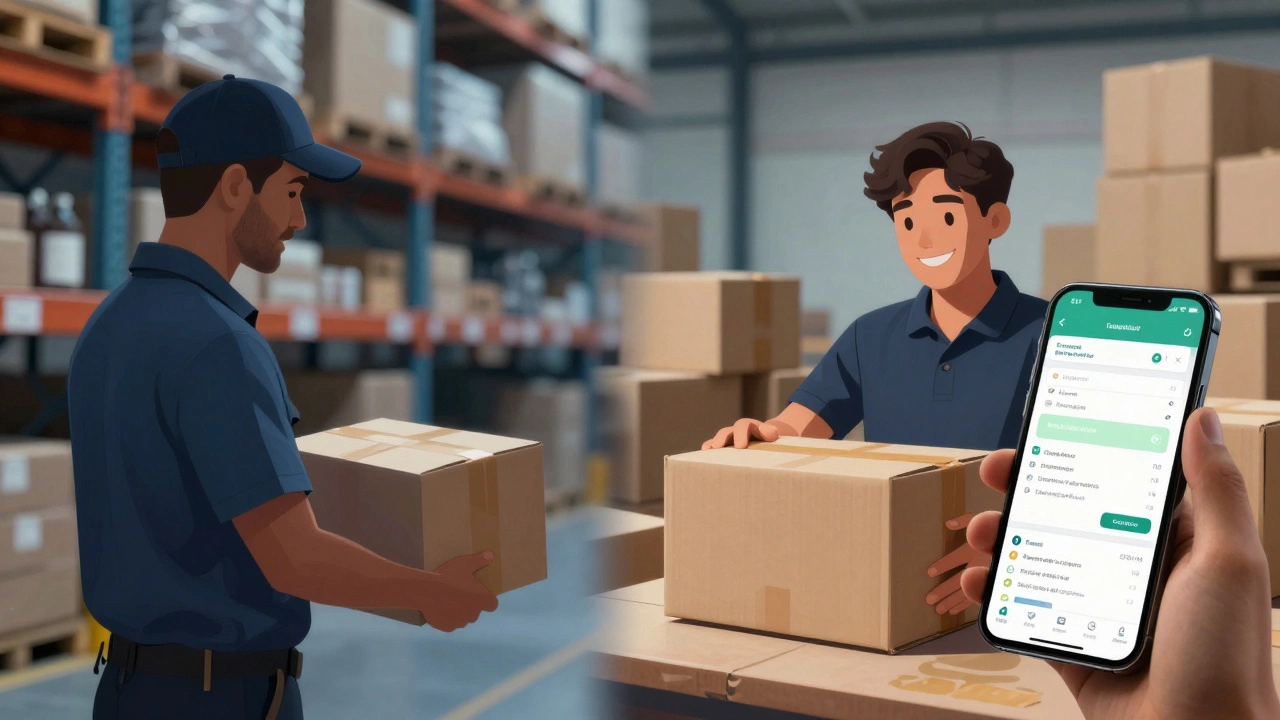
Returns Management: The Hidden Cost
Return rates in eCommerce are 20-30% - up to 40% for fashion and home goods. That’s not a bug. It’s a feature. But if you treat returns as an afterthought, you’ll bleed cash.
Here’s how to handle it right:
- Make returns easy: Offer a printable label, no questions asked. Customers will buy more if they know returns are simple.
- Don’t restock damaged items: If a box is crushed or the product is used, recycle or donate it. Don’t resell it.
- Use return analytics: Why are people returning? Wrong size? Broken in transit? Misleading photos? Fix the root cause, not the symptom.
One store selling kitchen gadgets found 60% of returns were due to unclear instructions. They added a short video to each product page. Returns dropped by 35% in two months.
Technology: You Don’t Need a Full System - But You Need Integration
You don’t need to build your own warehouse management system. But you do need your tools to talk to each other.
Here’s the bare minimum stack:
- Your online store (Shopify, WooCommerce, etc.)
- A shipping app that connects to multiple carriers
- A simple inventory tracker
- A customer portal for tracking and returns
Integration is key. If your inventory drops when an order is placed, but your shipping label doesn’t auto-generate, you’re wasting hours. Tools like ShipStation, Ordoro, or even built-in Shopify apps can automate 80% of the process.
Test your flow: Place a test order. Does the inventory update? Does the label print? Does the customer get a tracking email? If not, fix it before you scale.
Customer Communication: Keep Them in the Loop
Most logistics failures aren’t about delays. They’re about silence.
Customers don’t mind waiting if they know what’s happening. But if they’re left guessing, they’ll call, email, or leave a bad review.
Set up automatic updates:
- Order confirmed → email
- Shipped → tracking link
- Out for delivery → SMS or app notification
- Delivered → thank you + review request
Even a simple SMS from NZ Post saying ‘Your parcel is with your neighbor’ reduces support calls by half. Use free tools like Klaviyo or SMSBump to automate this.

What Happens When Logistics Fails?
I’ve seen too many small businesses collapse because of one bad delivery experience.
A boutique skincare brand in Dunedin lost 30% of its repeat customers after a shipment got stuck in customs for 3 weeks. No one told them why. No one apologized. The customers assumed the company was unreliable - even though the delay wasn’t their fault.
Bad logistics doesn’t just cost money. It kills trust. And trust is harder to rebuild than inventory.
Where to Start: A Simple 5-Step Plan
If you’re overwhelmed, start here:
- Track your current shipping costs and delivery times for your top 3 destinations.
- Find one carrier that offers better rates or faster service - test it with 20 orders.
- Set up automatic order confirmation and tracking emails.
- Calculate your return rate and identify the top 2 reasons for returns.
- Integrate your store with a shipping app that auto-updates inventory.
You don’t need to fix everything at once. But you need to fix one thing this week. Start with tracking. If you don’t know what’s happening, you can’t improve it.
Final Thought: Logistics Is Your Brand’s Backbone
Your product might be beautiful. Your website might be sleek. But if your customer opens a box with a torn label, no tracking info, and a 10-day wait, they won’t remember your brand. They’ll remember the frustration.
eCommerce logistics isn’t a cost center. It’s your most important customer touchpoint after the product itself. Get it right, and you’ll turn first-time buyers into loyal fans. Get it wrong, and you’ll lose them - forever.
What are the biggest mistakes in eCommerce logistics?
The biggest mistakes are ignoring inventory tracking, underestimating return costs, using the wrong carrier for your product type, not automating customer updates, and assuming international shipping is simple. Most of these stem from treating logistics as an afterthought instead of a core part of your business.
How much should I budget for logistics per order?
For small businesses in New Zealand, expect to spend $6-$15 per domestic order, including packing and shipping. International orders can range from $15-$50+, depending on weight, distance, and duties. Always factor in returns - add 10-20% extra to your logistics budget for that. If you’re spending more than 25% of your revenue on logistics, it’s time to renegotiate rates or optimize packaging.
Can I outsource my entire logistics operation?
Yes, and many small businesses should. Third-party logistics providers (3PLs) like Loom, Ware2Go, or even local NZ firms like Pallets & Parcels handle storage, packing, and shipping for you. You pay per order, usually $3-$10 plus carrier fees. This works best if you’re shipping over 100 orders a month. For fewer orders, use a shipping app and manage it yourself.
Do I need a warehouse to start?
No. You can start from home. Use a closet or garage. Just make sure you have a system: label bins, track stock daily, and keep it clean. As you grow, move to a shared warehouse space. Many cities in New Zealand have co-working storage hubs for small businesses. You pay by the shelf, not by the square meter.
How do I reduce shipping costs without sacrificing speed?
Pack smarter: use smaller boxes and lighter materials. Bundle orders when possible. Negotiate with multiple carriers - even small couriers often undercut NZ Post. Offer slower shipping as a free option. Many customers will choose 5-day delivery for free instead of 2-day for $10. And always use flat-rate shipping for lightweight items - it’s predictable and easy for customers to understand.