What Are the Bits Left in a Pan Called? Understanding Fond and Scrapes
Fond Rescue & Deglazing Guide
Don't throw away that sticky brown gold! Use this guide to check if your pan residue is safe to use and find the perfect liquid to turn it into a restaurant-quality sauce.
Your Deglazing Plan
- Remove meat and let rest.
- Lower heat to medium-low.
- Pour in ~1/2 cup of recommended liquid.
- Scrape bottom gently with wooden spoon.
- Simmer until reduced by half.
You’ve just finished searing a steak or sautéing mushrooms. The meat is out, resting on a board, but your pan looks like it’s been through a war zone. There’s a sticky, brown residue stuck to the bottom that refuses to wash off with water alone. Most people scrub this away as waste. But if you ask a professional chef, they’ll tell you you’re throwing away the best part of the dish.
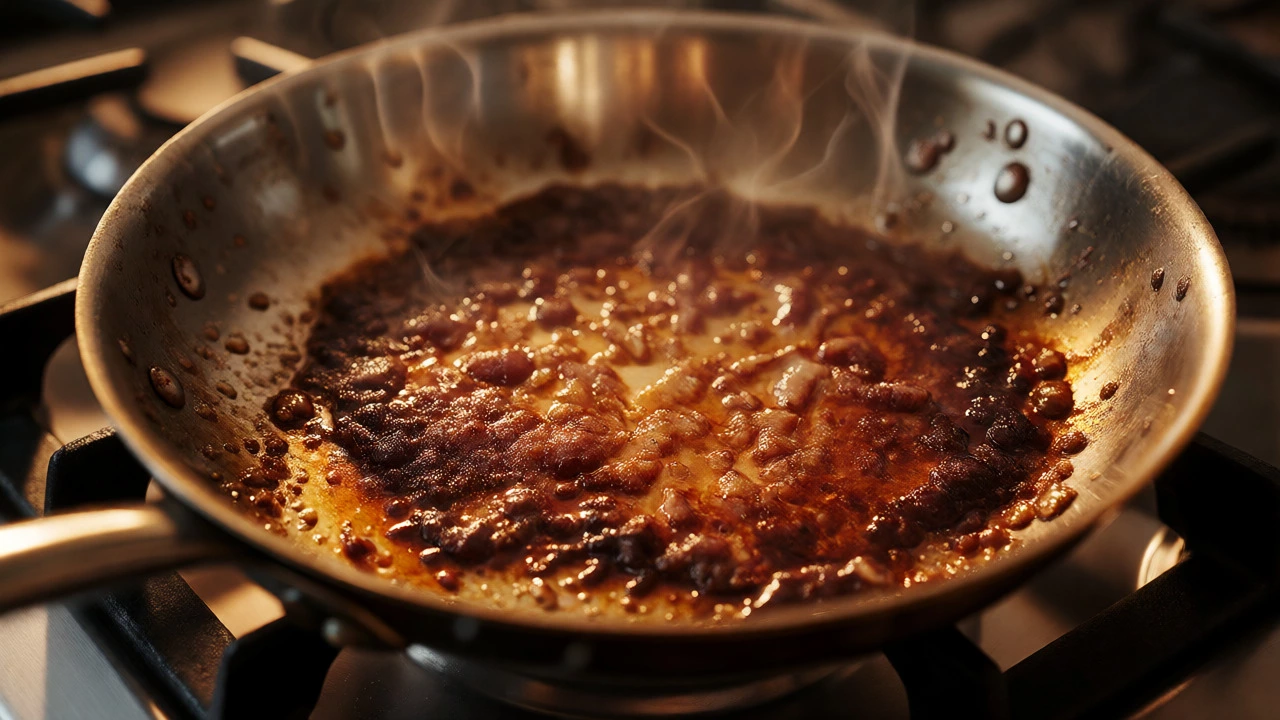
So, what are the bits left in a pan called? The culinary term for that golden-brown crust is fond, which is French for "bottom" or "base." It’s not burnt food; it’s concentrated flavor. If you know how to handle it, you can turn a simple Tuesday night dinner into something restaurant-quality without buying a single extra ingredient.
The Science Behind the Stickiness
Why does this happen? It’s chemistry, not bad luck. When proteins and sugars hit high heat, they undergo the Maillard reaction. This complex chemical process creates hundreds of new flavor compounds, turning pale meat or vegetables into deep, savory gold. As moisture evaporates, these flavorful solids stick to the metal surface of the pan.
This residue isn’t just stuck; it’s bonded. That’s why cold water won’t help. In fact, pouring cold water onto a hot pan with fond can cause thermal shock, potentially warping thinner pans or making the grease congeal into a messy sludge. The key is understanding that fond is essentially dehydrated umami. It contains glutamates and nucleotides-the same compounds found in parmesan cheese and soy sauce-that amplify the taste of whatever liquid you add next.
Fond vs. Burnt: Knowing the Difference
Before you reach for the wine bottle, take a look at your pan. Not all residue is good. You need to distinguish between fond and carbonized bits (burnt food).
- Good Fond: Golden brown to dark brown color. It smells nutty, toasty, or caramel-like. It sticks firmly but releases when scraped with a wooden spoon while adding liquid.
- Burnt Bits: Black or very dark grey. They smell acrid, bitter, or like smoke alarms. These will ruin your sauce by adding a harsh, metallic bitterness.
If your pan has black flecks mixed with brown, scrape those black parts out first. Keep the brown stuff. If the whole thing is black, you might want to start over, though some chefs argue a tiny amount of char adds depth to certain dishes like chili or barbecue sauces. For most delicate sauces, however, black equals bad news.
How to Rescue Your Sauce: The Deglazing Process
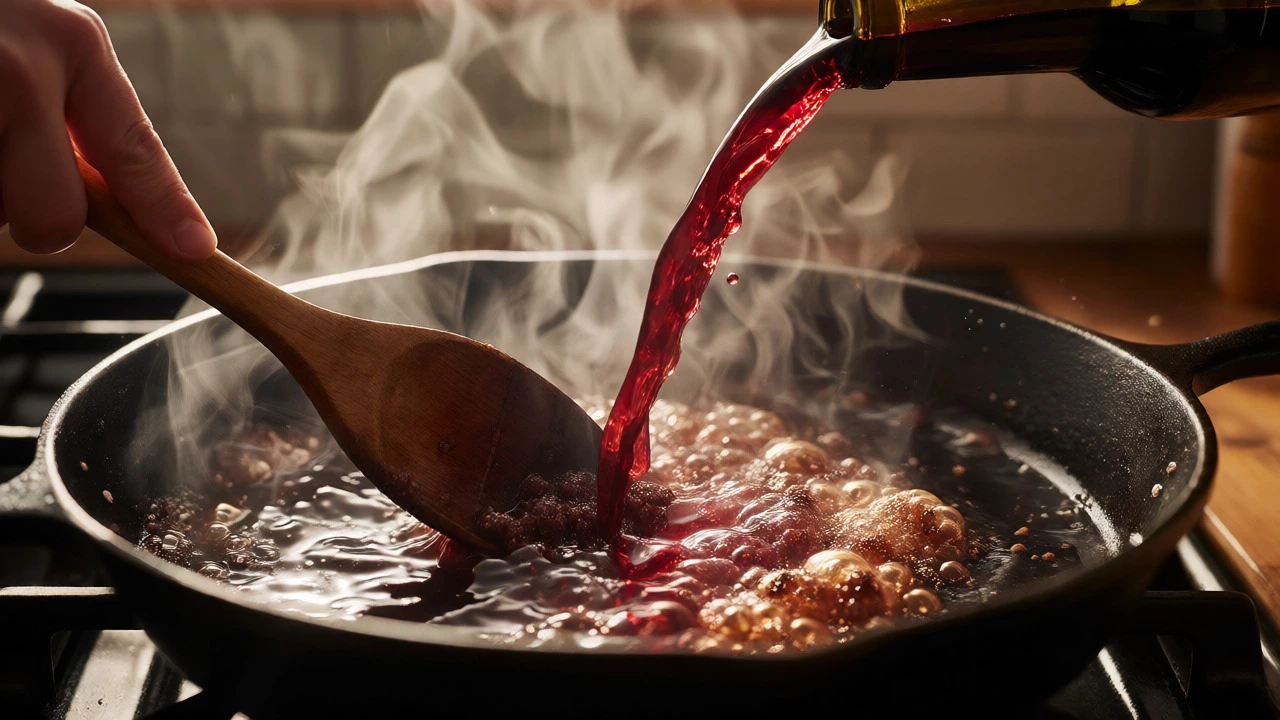
Once you’ve identified good fond, you need to release it from the pan. This technique is called deglazing. It involves adding a liquid to a hot pan to dissolve the sticky solids into a flavorful base for a sauce or gravy. Here’s how to do it properly so you don’t end up with a watery mess.
- Remove the main protein: Take your chicken, beef, or fish out of the pan. Let it rest on a plate. Don’t clean the pan yet.
- Adjust the heat: Lower the burner to medium-low. If the pan is screaming hot, the alcohol or broth will evaporate instantly before it can lift the fond. You want a gentle simmer.
- Add your liquid: Pour in about half a cup of liquid. Wine, broth, vinegar, juice, or even water works. Listen for the sizzle-it should be audible but not violent.
- Scrape gently: Use a wooden spoon or silicone spatula to scrape the bottom of the pan in circular motions. Watch the brown bits lift off and swirl into the liquid. This is the magic moment.
- Simmer and reduce: Let the liquid bubble until it reduces by half. This concentrates the flavors and cooks off any raw alcohol taste if you used wine.
Pro tip: If you’re using wine, choose one you’d actually drink. Cooking wines loaded with salt and preservatives can make your sauce taste artificial. A dry white wine pairs well with chicken and fish; red wine suits beef and lamb.
Choosing the Right Liquid for Your Dish
The liquid you choose dictates the final flavor profile. Think of the fond as a blank canvas, and your deglazing liquid as the primer.
| Main Ingredient | Recommended Liquid | Flavor Profile |
|---|---|---|
| Chicken/Pork | Dry White Wine, Apple Cider Vinegar, Chicken Broth | Light, acidic, fruity |
| Beef/Lamb | Red Wine, Beef Stock, Balsamic Vinegar | Rich, deep, robust |
| Mushrooms/Vegetables | Soy Sauce, Mirin, Vegetable Broth | Umami, savory, earthy |
| Seafood | Lemon Juice, White Wine, Shrimp Stock | Bright, citrusy, fresh |
If you’re avoiding alcohol, try fruit juices. Orange juice works wonders with duck or pork chops because the sugar helps caramelize further while the acid cuts through the fat. Tomato paste is another powerful option-add a tablespoon to the pan after removing the meat, let it fry for a minute until it turns brick-red, then deglaze with stock. This builds an incredibly rich base for stews.
Pan Material Matters
Not every pan creates good fond. Non-stick coatings (like Teflon) prevent sticking, which means you get less browning and less fond. While convenient for eggs, non-stick pans are poor choices for building flavor bases.
For serious deglazing, use materials that conduct heat evenly and allow slight sticking:
- Stainless Steel: The gold standard. It develops excellent fond and withstands high heat without reacting with acidic liquids like wine or lemon juice.
- Cast Iron: Holds heat incredibly well. Great for steaks and cornbread. Just remember to season it properly, or the fond might stick too aggressively.
- Carbon Steel: Similar to cast iron but lighter. Popular among professional chefs for its responsiveness and ability to develop a natural non-stick patina over time.
Aluminum pans react with acidic ingredients, sometimes giving food a metallic taste. If you have aluminum cookware, consider lining it or using neutral liquids like broth instead of wine.
Troubleshooting Common Mistakes
Even experienced home cooks run into issues. Here’s how to fix them:
The sauce tastes too salty: This often happens if you reduced the liquid too much. Add more unsalted butter at the end to emulsify and mellow the saltiness. Or add a splash of cream if the recipe allows.
The sauce is too thin: You didn’t reduce it enough. Simmer it longer. Alternatively, whisk in a small amount of cold butter (a technique called monter au beurre) to thicken and gloss the sauce.
The sauce is too bitter: You likely included burnt bits. Next time, strain the sauce through a fine-mesh sieve before serving. You can also balance bitterness with a pinch of sugar or a knob of butter.
Nothing is sticking: Your pan wasn’t hot enough, or you overcrowded it. When meat hits the pan, it should sizzle immediately. If it steams, the temperature dropped too low, and you got gray, boiled meat instead of browned goodness. Cook in batches if necessary.
Beyond Sauces: Other Uses for Fond
Don’t limit yourself to creamy gravies. Fond is versatile. Here are three creative ways to use it:
- Risotto Base: Sauté onions in butter, add rice, then deglaze with white wine. The fond from the onions adds depth to the risotto.
- Grain Pilafs: Toast quinoa or farro in a dry pan until nutty, then deglaze with vegetable broth before simmering. The grains absorb the flavored liquid.
- Vinaigrettes: Scrape the fond from a pan where you cooked bacon into a jar. Add vinegar, mustard, oil, and shake. The rendered fat and browned bits create an intense dressing for potato salad or green beans.
Remember, the goal is to respect the ingredients. That sticky layer isn’t dirt; it’s the essence of what you just cooked. Treat it with care, and your meals will taste significantly better.
Is it safe to eat the brown bits in the pan?
Yes, absolutely. If the bits are brown and not black, they are safe and delicious. They are caramelized proteins and sugars created during cooking, known as fond. Only avoid eating them if they are charred black, which indicates burning and can produce harmful compounds and bitter tastes.
Can I use water to deglaze a pan?
Yes, you can use water, but it won't add flavor. Water simply lifts the fond off the pan. To make a tasty sauce, you'll need to add other ingredients like butter, herbs, garlic, or stock after deglazing. Wine, broth, or vinegar are better choices because they contribute their own acidity and complexity to the dish.
Why is my fond black instead of brown?
Black fond usually means the heat was too high or the food stayed in the pan too long without moving. This causes carbonization rather than the Maillard reaction. To fix this, lower your heat slightly and ensure you're not overcrowding the pan, which traps steam and leads to uneven cooking and burning.
Does non-stick pan work for making fond?
Non-stick pans are poor for creating significant fond because their coating prevents food from sticking and browning deeply. You may get light browning, but you won't get the thick, sticky layer ideal for deglazing. Stainless steel, cast iron, or carbon steel pans are much better for developing rich fond.
How long should I simmer the deglazed liquid?
Typically, simmer for 2 to 5 minutes, or until the liquid reduces by half. This concentration step intensifies the flavor and ensures any alcohol from wine or brandy has cooked off. If the sauce seems too sharp, simmer longer; if it's too thick, add a splash of stock or water.