What Are the 7 R's of Logistics in E-Commerce?
7 R's Logistics Compliance Checker
Validate Your Order Against the 7 R's
Enter your order details to see if you're meeting all logistics principles for customer satisfaction.
Your Logistics Compliance Report
1. Right Product
2. Right Customer
3. Right Quantity
4. Right Time
5. Right Condition
6. Right Place
7. Right Cost
Key Insights
Customers are 3x more likely to buy again if all 7 R's are met. Missing just one R can reduce repeat purchase rates to 22%.
When you order a product online and it shows up on your doorstep exactly when you expected it-no damage, no mistakes, no delays-that’s not luck. It’s the result of a system built on the 7 R's of logistics. These seven rules are the backbone of every successful e-commerce operation, from small online boutiques to global giants like Amazon. If you’re running an online store, managing inventory, or handling deliveries, ignoring these principles means you’re leaving money on the table-and customers frustrated.
What Exactly Are the 7 R's?
The 7 R's of logistics stand for delivering the right product, to the right customer, in the right quantity, at the right time, in the right condition, at the right place, and for the right cost. Each ‘R’ is a checkpoint. Miss one, and the whole chain starts to crack. They’re not theoretical ideas. They’re daily operational targets used by logistics teams worldwide to measure performance.
Think about it: You sell handmade candles. A customer orders three lavender-scented candles for a birthday. If you send two instead of three, that’s a failure on the right quantity. If they arrive melted because of poor packaging, that’s a right condition issue. If the package shows up a week late, the right time is broken. And if shipping costs eat up your profit margin, the right cost is out of balance. Every one of these failures leads to returns, negative reviews, or lost customers.
1. The Right Product
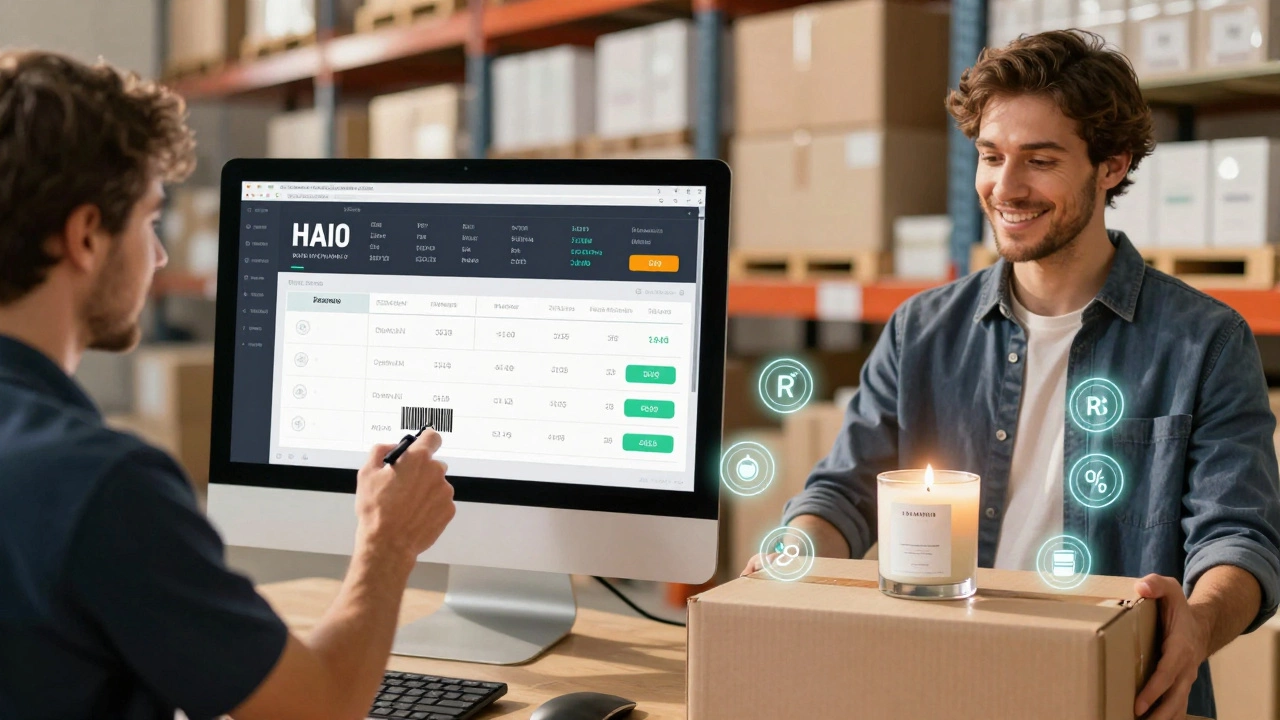
This sounds simple, but product errors are one of the most common reasons for returns in e-commerce. A customer orders a blue sweater, and they get a red one. Or worse-they get a completely different item because of a mislabeled SKU in your warehouse. These mistakes happen when inventory data is outdated, barcode scanning isn’t used, or staff aren’t trained properly.
Companies that nail this use real-time inventory systems tied directly to their online store. Every time an item sells, the system updates. Every time an item is picked, it’s scanned against the order. No guesswork. No manual entry. This reduces product errors by over 80% according to a 2024 study by the Council of Supply Chain Management Professionals.
2. The Right Customer
It’s not enough to ship the correct item-you have to make sure it goes to the correct person. This sounds obvious, but misrouted packages are more common than you think. A customer in Chicago orders a gift, but it’s shipped to a similar address in Cleveland. Or worse, a package meant for one customer ends up in another’s mailbox.
This happens when address data is entered wrong, when multiple customers have similar names, or when fulfillment centers use outdated sorting algorithms. The fix? Use address verification tools that validate entries against USPS and international postal databases. Also, implement unique order IDs that link directly to customer profiles. That way, even if the address looks similar, the system knows which customer owns which order.
3. The Right Quantity
Under-shipping and over-shipping both cost money. Under-shipping means customers get fewer items than they paid for. They’ll ask for replacements or refunds. Over-shipping means you’re giving away free product-often because of bulk-picking errors or inaccurate stock counts.
One e-commerce brand found that 12% of their returns were due to wrong quantities. They switched from manual picking to automated batch picking with weight verification. Each order is weighed before leaving the warehouse. If the weight doesn’t match the expected weight of the items listed, the system flags it. That cut quantity errors by 94% in six months.
4. The Right Time
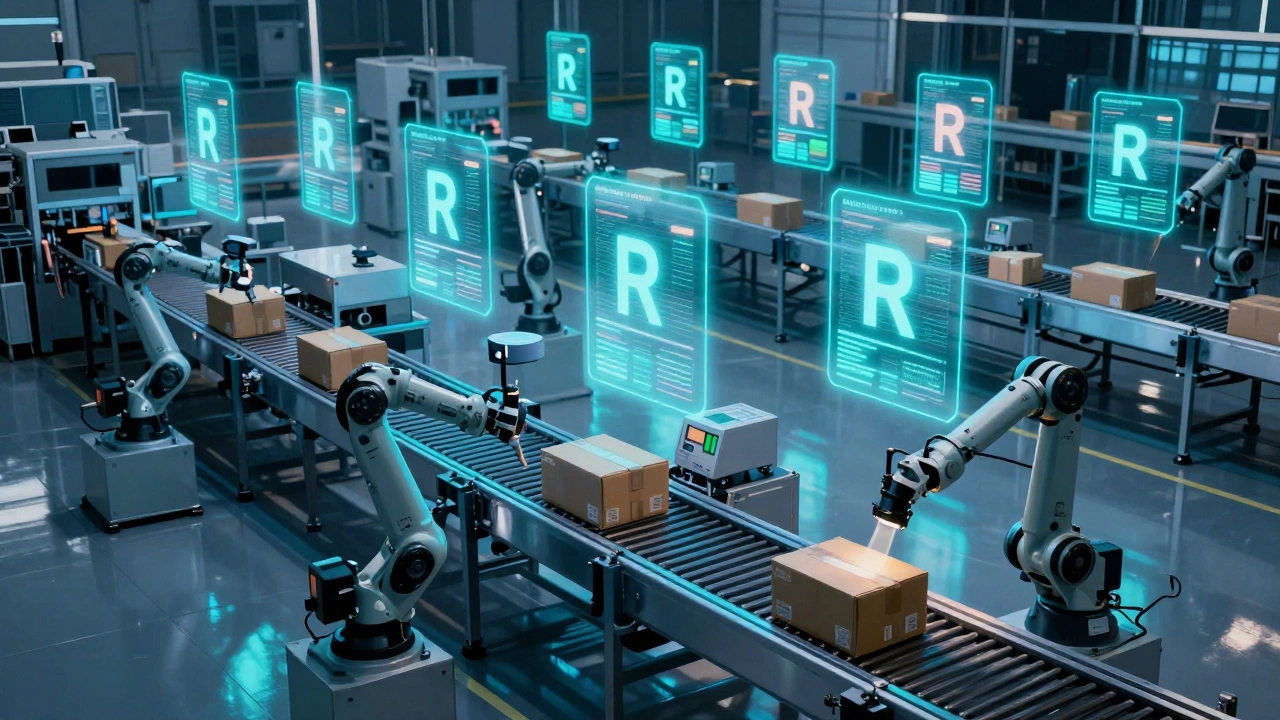
Customers expect fast delivery. In 2026, 68% of online shoppers say they’ll abandon a cart if the estimated delivery date is more than three days away. That’s why timing isn’t just about speed-it’s about predictability.
The right time means delivering when the customer expects it, not just when it’s convenient for you. That’s why leading e-commerce businesses use dynamic delivery windows. If you order at 9 PM, you get a text the next morning saying, “Your package will arrive between 10 AM and 1 PM.” That level of control reduces customer service calls by up to 40%.
It also means having backup carriers. If your main carrier has a strike or weather delay, you need a secondary option already mapped into your system. No one likes being told, “We’re out of options.”
5. The Right Condition
Imagine sending a glass vase in a flimsy box. It arrives broken. The customer is angry. You have to refund them, pay for return shipping, and lose the sale. Worse, they leave a review that says, “Your packaging is terrible.” That hurts your brand.
Product condition depends on packaging, handling, and transit conditions. For fragile items, use double-wall boxes, foam inserts, and corner protectors. For electronics, anti-static bags and moisture barriers matter. For food or cosmetics, temperature-controlled shipping might be required.
One beauty brand started using automated packaging machines that measure the size of each item and select the perfect box size. They reduced packaging waste by 30% and damage claims by 65% in one year. It wasn’t about spending more-it was about spending smarter.
6. The Right Place
The right place isn’t just the customer’s address. It’s about logistics network design. Are your warehouses close enough to your biggest customer markets? Are you using regional hubs to cut last-mile delivery time?
A study from 2025 showed that businesses using three regional fulfillment centers instead of one central warehouse reduced average delivery times by 42%. That’s because packages don’t have to cross the country. If 60% of your customers live in the Northeast, having a warehouse in New Jersey makes more sense than one in California.
Also, think about delivery alternatives. Some customers prefer package lockers, pickup points, or even same-day local couriers. Offering options means you’re delivering to the right place in the way the customer wants.
7. The Right Cost
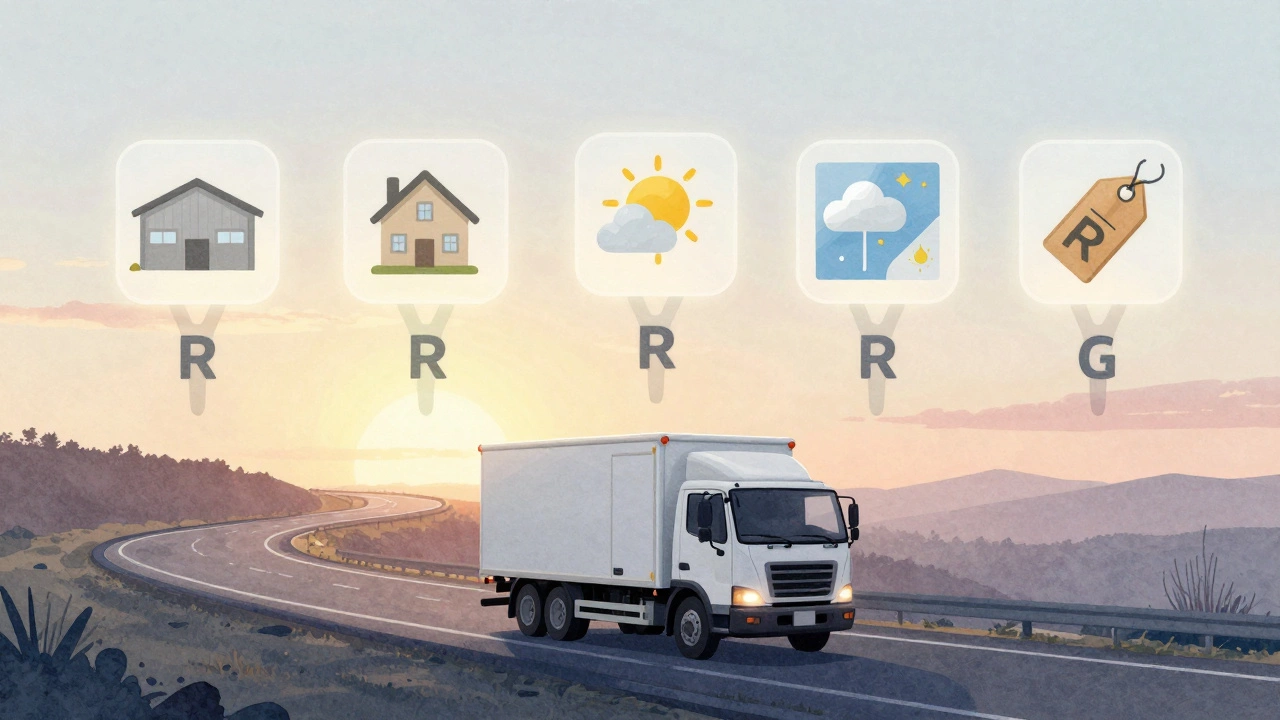
Here’s the hard truth: You can get every other R right, but if shipping costs you $15 to deliver a $10 product, you’re losing money. The right cost means balancing speed, reliability, and profit.
Many small sellers assume free shipping is the only way to compete. But free shipping doesn’t mean no cost-it means you’re building the cost into your product price. Smart sellers calculate their true delivery cost per item, then set prices that cover it. They also negotiate rates with carriers based on volume, not just default retail rates.
Some use logistics software that automatically picks the cheapest reliable carrier for each order. Others offer tiered shipping: free for orders over $50, $3 for under $50. That way, they encourage higher cart values without losing money on small orders.
How to Implement the 7 R's in Your Business
You don’t need a billion-dollar warehouse to follow the 7 R's. Start with one area at a time.
- Track your error rate: How many orders have the wrong product, quantity, or delivery date? Use your order management system to pull this data.
- Choose one ‘R’ to improve this month. Focus on the one causing the most returns or complaints.
- Invest in tools that help. Barcode scanners, automated packaging, real-time inventory dashboards-these aren’t luxuries anymore. They’re basic tools for survival.
- Train your team. Logistics isn’t just for warehouse staff. Customer service reps need to understand why delays happen so they can explain them clearly.
- Measure progress. After 30 days, check if your error rate dropped. If not, try a different approach.
The 7 R's aren’t a checklist you complete once. They’re a mindset. Every decision you make-about packaging, carriers, inventory, or pricing-should pass through this filter. If it doesn’t serve one of the seven R's, it’s not helping your logistics.
Why This Matters More Than Ever in 2026
Competition in e-commerce is fiercer than ever. Customers have more choices than ever. If two stores sell the same product at the same price, the one that delivers reliably wins. The 7 R's are the difference between a one-time buyer and a loyal customer.
Brands that track and optimize the 7 R's see 3x higher repeat purchase rates. They also get 50% fewer customer service tickets. That’s not magic. It’s precision.
Forget flashy marketing. The real competitive edge in e-commerce isn’t your ad budget-it’s your logistics. Master the 7 R's, and you’re not just shipping packages. You’re building trust, one delivery at a time.
Are the 7 R's only for large e-commerce businesses?
No. The 7 R's apply to any business that ships products, no matter the size. Even a one-person shop selling handmade goods needs to get the right item to the right customer at the right time. The difference isn’t scale-it’s consistency. Small businesses can start with simple tools like barcode scanners and automated shipping labels to hit the basics of each R.
Can I skip one of the R's if I'm in a hurry?
Skipping even one R creates a ripple effect. If you sacrifice the right condition to save on packaging, you’ll get more returns. If you ignore the right cost to offer free shipping, you’ll lose money on every order. The 7 R's are interdependent. Weakness in one area weakens the whole system. It’s better to slow down and do it right than rush and lose customers.
How do the 7 R's relate to customer satisfaction?
Customer satisfaction in e-commerce is almost entirely tied to delivery. A study by McKinsey in 2025 found that 73% of customers who received a perfect delivery (all 7 R's met) said they’d buy again. That number dropped to 22% if just one R was missed. Perfect logistics = loyal customers. Poor logistics = bad reviews and lost sales.
Do the 7 R's apply to international shipping?
Yes-actually, they’re even more critical internationally. Delays at customs, language errors in addresses, and different packaging standards make each R harder to hit. But the principles don’t change. You still need the right product, delivered to the right person, in the right condition. The tools change (customs documentation, duty calculators, regional carriers), but the goal stays the same.
What’s the biggest mistake businesses make with the 7 R's?
Most businesses focus only on speed-right time-and ignore the others. They’ll rush delivery but use cheap packaging (wrong condition), mislabel items (wrong product), or overcharge for shipping (wrong cost). That creates chaos. The best-performing companies treat all seven R's as equally important. They don’t pick favorites.