What Are the 3 Types of Logistics? A Clear Breakdown for Businesses
Logistics Savings Calculator
This tool helps you estimate potential cost savings by improving your logistics operations across the three core logistics types: inbound (getting materials in), outbound (shipping products to customers), and reverse (handling returns and recycling).
Current Operations
Potential Improvements
Results will appear here after calculation.
When you order a pair of shoes online and they show up at your door in two days, you’re not just seeing magic-you’re seeing logistics in action. But logistics isn’t one thing. It’s made up of three distinct types, each handling a different part of the journey your product takes. Get these right, and your business runs smoother. Get them wrong, and you’re stuck with late deliveries, angry customers, and wasted money.
Inbound Logistics: Getting Materials In
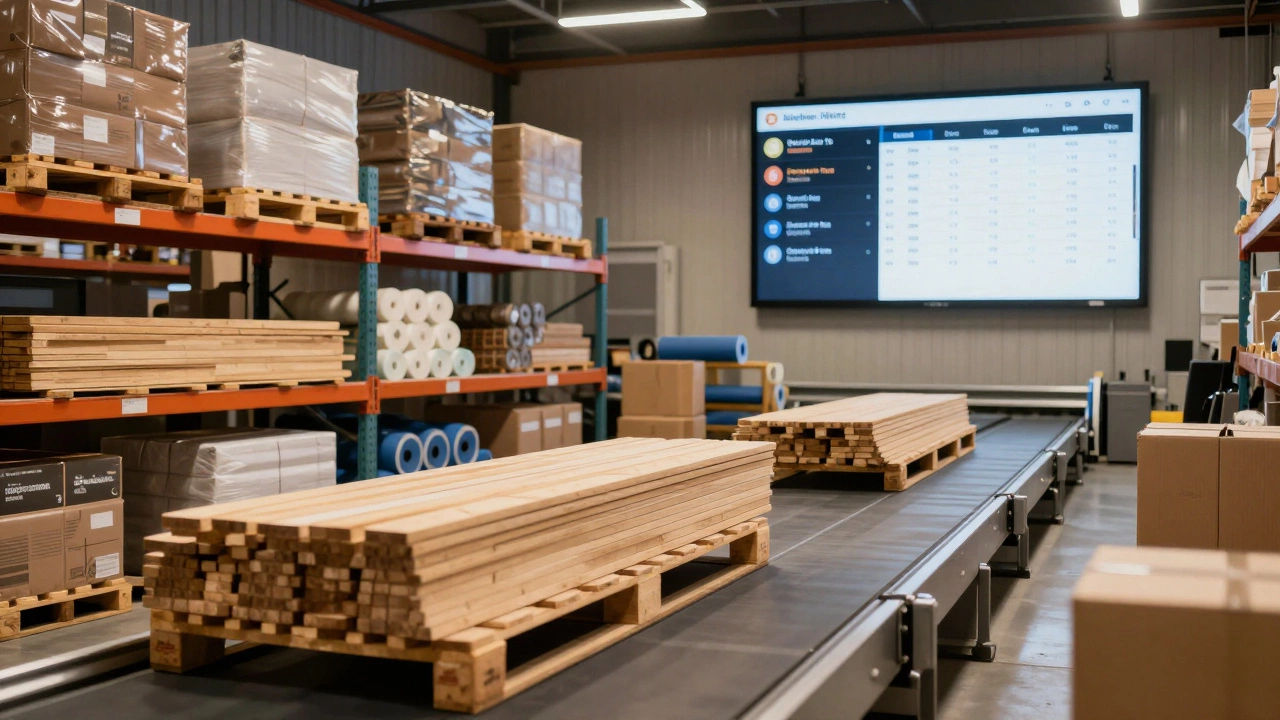
Inbound logistics is all about bringing things into your business. Think raw materials, parts, packaging, tools-anything your operation needs to function. For a furniture maker, it’s the wood, screws, and fabric. For an online retailer, it’s the boxes, labels, and inventory from suppliers.
This part of logistics isn’t glamorous, but it’s critical. If your warehouse runs out of packaging supplies because your supplier didn’t deliver on time, your whole operation grinds to a halt. That’s why companies using modern logistics software track supplier lead times, automate reorder points, and set alerts for delays. One study from the Council of Supply Chain Management Professionals found that businesses with real-time inbound tracking cut inventory shortages by 40%.
Bad inbound logistics looks like this: you’re waiting three weeks for a shipment because your carrier didn’t update the tracking. Good inbound logistics? You get an alert on your phone that your shipment is delayed-and you already have a backup supplier lined up.
Outbound Logistics: Getting Products Out
If inbound logistics brings stuff in, outbound logistics sends it out. This is what most people think of as "shipping." It’s the process of picking, packing, labeling, and delivering your finished goods to customers or retailers.
For an ecommerce store, outbound logistics means turning a customer’s order into a tracked package that arrives on time. For a manufacturer, it’s shipping bulk orders to distribution centers. The difference between a satisfied customer and a refund request often comes down to how well this step works.
Today, outbound logistics is powered by software that routes deliveries, predicts delivery windows, and integrates with carriers like FedEx, UPS, and regional couriers. The best systems even adjust routes in real time based on traffic or weather. A company using smart outbound logistics can reduce delivery costs by up to 25% and improve on-time delivery rates to over 98%.
Think about it: when you buy something online and get a text saying, "Your package is 10 minutes away," that’s not luck. That’s outbound logistics working exactly as it should.
Reverse Logistics: Handling Returns and Recycling
Reverse logistics is the least talked about-but one of the most important-types. It’s the process of bringing products back. Returns, repairs, recalls, and recycling all fall under this category.
With returns making up 15-30% of ecommerce sales (according to the National Retail Federation), reverse logistics isn’t a side project-it’s a core function. A poorly managed return process can cost you more than the original sale. Imagine a customer returns a defective blender. If your team doesn’t know where it is, how to inspect it, or how to refund or replace it quickly, you lose trust-and maybe that customer forever.
Modern logistics software now includes dedicated reverse logistics modules. These track returned items from pickup to restock or disposal, categorize them (defective? unused? damaged?), and auto-generate refund or replacement orders. Some even suggest whether an item should be repaired, resold, or recycled based on its condition.
Companies that treat reverse logistics as a strategic advantage-like Amazon with its easy return labels and instant refunds-see higher customer loyalty and lower operational costs. It’s not about avoiding returns. It’s about handling them better than anyone else.
How These Three Types Connect
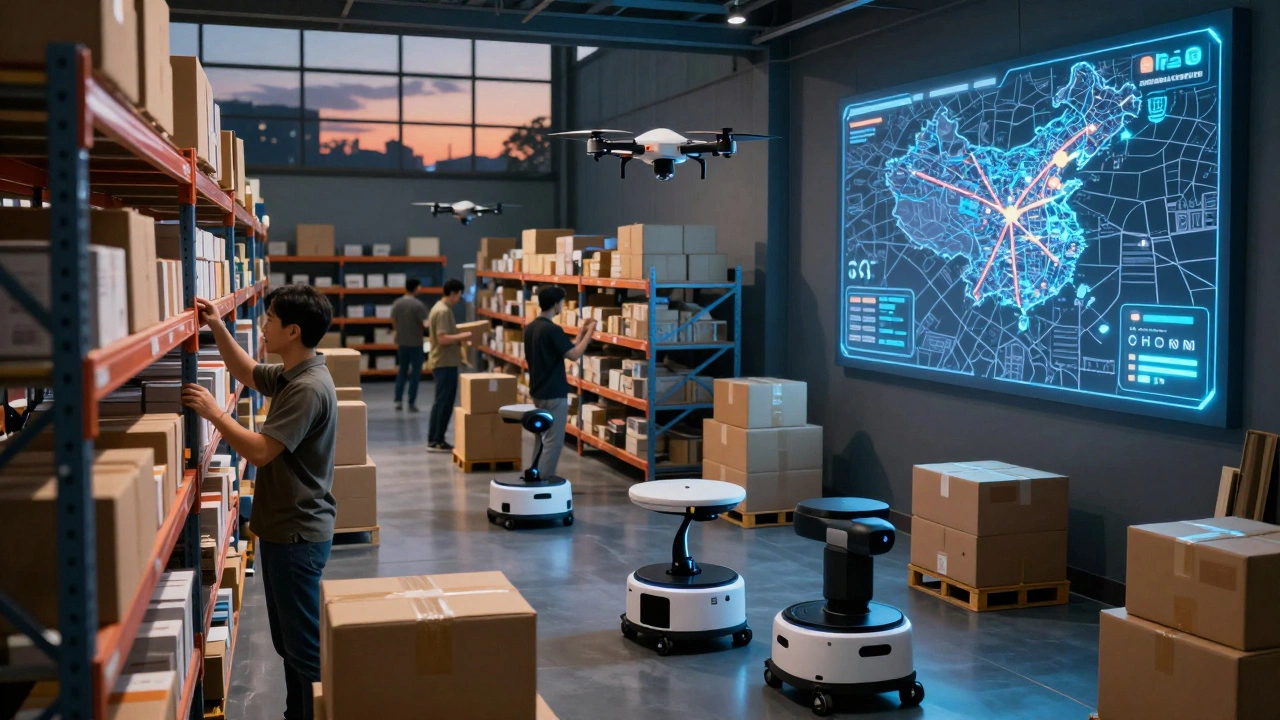
These three types of logistics don’t work in isolation. They’re linked. Your inbound logistics affects your outbound speed. If you don’t have enough stock because your supplier is late, you can’t fulfill orders on time. Your reverse logistics affects your inbound too-returned items often go back into inventory, so how you process returns impacts your next shipment.
That’s why integrated logistics software is no longer optional. Tools like ShipBob, Oracle SCM, or SAP EWM tie all three types together. They give you one dashboard to see incoming shipments, outgoing deliveries, and return statuses. You can spot bottlenecks before they become problems. You can forecast demand more accurately. You can reduce excess inventory and cut warehouse costs.
Without this connection, you’re managing logistics like it’s 2005-paper logs, phone calls, spreadsheets, and guesswork. With it, you’re running a modern business.
What Happens When One Type Fails
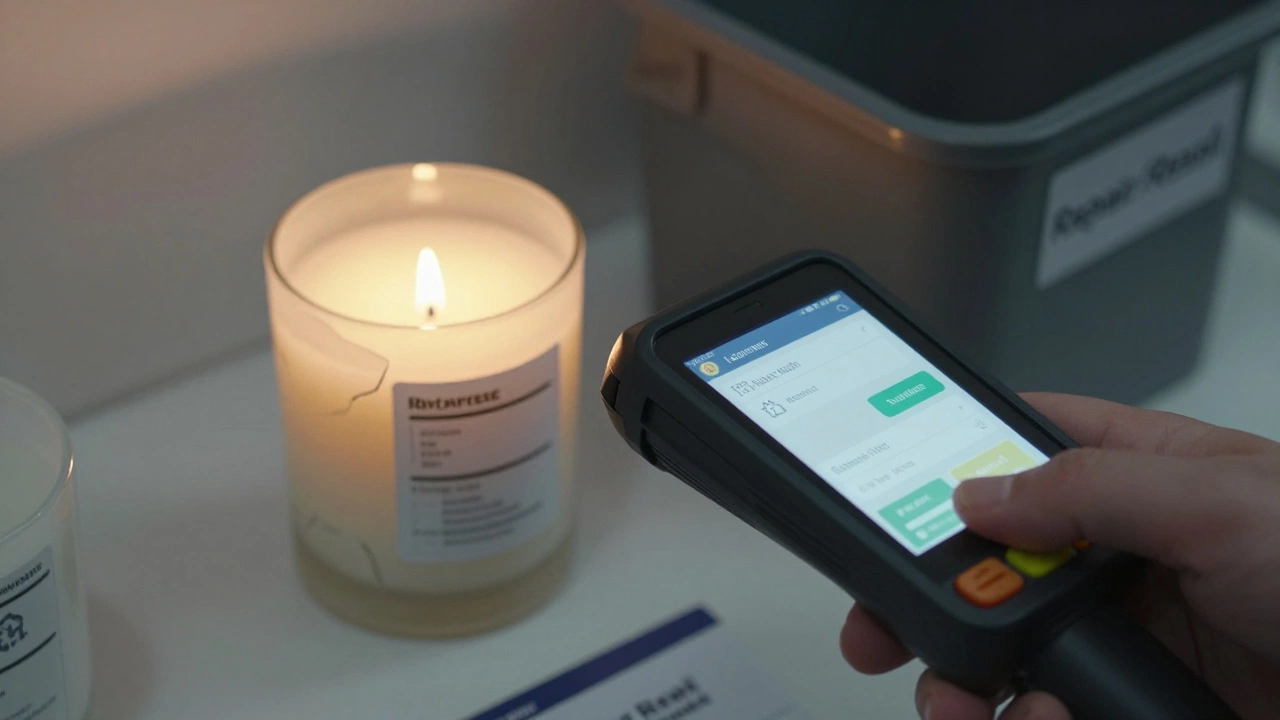
Let’s say you’re a small business selling handmade candles. You’re great at making them, but you ignore reverse logistics.
A customer gets a candle with a cracked jar. They return it. You don’t have a system to inspect it, so you just toss it. No record. No refund processed. The customer leaves a bad review. You lose $25 in product and $100 in lost trust.
Now imagine you have a simple reverse logistics workflow: returns are scanned in, categorized, and auto-refunded. You notice 30% of returns are cracked jars-so you switch suppliers. Your next shipment has zero cracks. Your return rate drops to 5%. Your reviews improve. Your sales climb.
That’s the power of getting all three types right.
Where to Start
If you’re just beginning to think about logistics, don’t try to fix everything at once. Start with the type that’s hurting you most:
- Are you constantly out of stock? Focus on inbound logistics. Set up automated reorder alerts and vet your suppliers.
- Are customers complaining about late deliveries? Work on outbound logistics. Use software that auto-selects the cheapest, fastest carrier for each order.
- Are returns eating your profits? Build a reverse logistics process. Even a simple Google Form with a return label generator is better than nothing.
Once one area improves, the others get easier. Better inventory tracking means you can ship faster. Faster shipping means fewer returns. Fewer returns mean you can invest in better inbound sourcing.
Final Thought: Logistics Is a System, Not a Task
Logistics isn’t about hiring a delivery driver or choosing a shipping box. It’s about designing a system that moves things-smoothly, reliably, and cost-effectively. The three types aren’t separate jobs. They’re three gears in the same machine.
When they’re aligned, your business runs quietly in the background. Customers get what they want, when they want it. You save money. You grow.
When they’re broken, everything else falls apart.
What are the three main types of logistics?
The three main types are inbound logistics (bringing materials into your business), outbound logistics (shipping finished products to customers), and reverse logistics (handling returns, repairs, and recycling). Each plays a unique role in keeping your supply chain running.
Which type of logistics is most important for ecommerce businesses?
For ecommerce, outbound logistics is the most visible-because it’s what the customer experiences. But reverse logistics is just as critical. High return rates can kill profitability if not handled efficiently. Inbound logistics matters too, since you need inventory to ship. The best ecommerce businesses optimize all three.
Can logistics software handle all three types?
Yes, modern logistics software like ShipBob, Oracle SCM, and SAP EWM are built to manage inbound, outbound, and reverse logistics in one platform. They track inventory, automate shipping, process returns, and give you real-time visibility across the entire chain. You don’t need three separate tools.
How do I know if my reverse logistics is broken?
Signs include: returns taking more than 5 days to process, customers not getting refunds on time, returned items going missing, or you have no data on why products are being returned. If you’re guessing instead of tracking, your reverse logistics is broken.
Does inbound logistics matter if I don’t make anything?
Yes. Even if you’re a dropshipper or reseller, inbound logistics is still about getting products from your supplier to your warehouse or fulfillment center. Delays here mean delayed shipments to your customers. You still need to track inventory, manage supplier lead times, and avoid stockouts.
Start by looking at your weakest link. Fix that. Then move to the next. Logistics isn’t about doing more-it’s about doing the right things in the right order.