Understanding Type 4 Bedding: A Guide to Industrial Packing
Industrial Bedding Selector & Friction Estimator
Recommended: -
Enter cargo details to see the recommended bedding type.
When people talk about Type 4 bedding is a specialized method of load restraint and cushioning used in industrial shipping to prevent cargo movement and structural damage. It is less about fabric and more about high-density materials designed to absorb shock and create friction. If you're managing a warehouse or coordinating a freight shipment, getting this wrong doesn't just mean a wrinkled sheet; it means a catastrophic insurance claim or a dangerous road accident.
The Core Purpose of Industrial Bedding
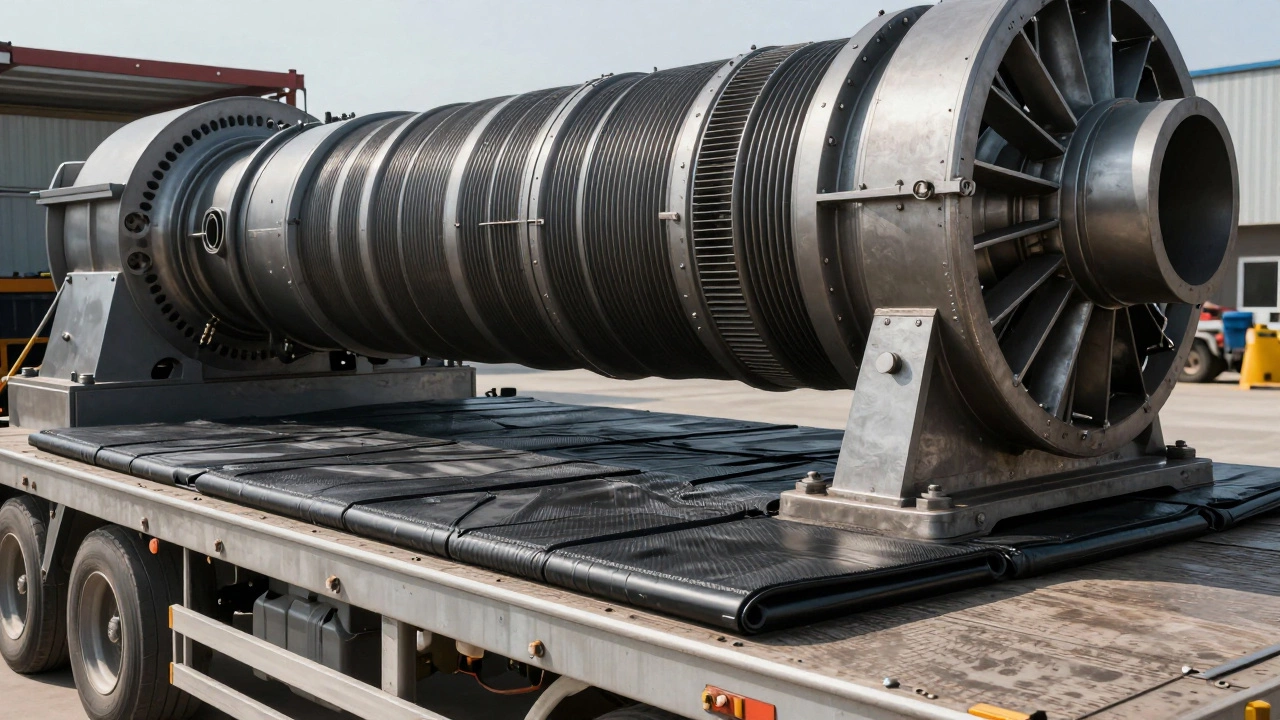
Imagine transporting a massive steel turbine or a precision-engineered CNC machine. These items are incredibly heavy and often have uneven bases. If you place them directly on a flatbed trailer, the vibration from the road can cause "point loading," where the entire weight of the object presses down on a tiny area of the trailer floor, potentially punching a hole right through the steel.
This is where industrial bedding comes in. Load Restraint is the broader practice of securing cargo, and Type 4 bedding is a specific application within that field. The goal is to distribute the weight evenly across the surface and create a "grip" that prevents the load from shifting. By using materials with specific compression ratings, shippers can ensure that the cargo stays put even when the truck hits a pothole at 60 mph.
What Exactly Makes it "Type 4"?
In the shipping industry, bedding is often categorized by the material and the level of support it provides. While different regional standards exist, Type 4 typically refers to heavy-duty, high-density cushioning, often utilizing reinforced rubber or specialized composite polymers. Unlike Type 1 or 2, which might be simple wooden dunnage or light foam, Type 4 is built for extreme weights.
One common material used in this category is High-Density Polyethylene (HDPE), a thermoplastic known for its strength and impact resistance. When paired with rubberized mats, it creates a surface that is almost impossible for a steel base to slide across. This combination of rigidity (to prevent sinking) and friction (to prevent sliding) is the hallmark of a Type 4 setup.
| Bedding Type | Common Materials | Typical Use Case | Weight Capacity |
|---|---|---|---|
| Type 1 | Soft Foam / Cardboard | Lightweight electronics | Low |
| Type 2 | Medium-density foam | Furniture / Appliances | Medium |
| Type 3 | Softwood / Plywood | Crated machinery | High |
| Type 4 | Rubber / HDPE / Composites | Heavy Industrial Equipment | Extreme |
How to Implement Type 4 Bedding Correctly
You can't just throw a rubber mat under a machine and call it a day. Proper installation requires a specific sequence to ensure the load is truly immobilized. If you're overseeing a load, here is the professional workflow:
- Surface Preparation: Clean the trailer bed of any oil, ice, or debris. Even a small amount of grease can negate the friction coefficients of Type 4 materials.
- Placement of Primary Mats: Lay down the high-friction rubber base. These should be sized to cover the entire footprint of the cargo's base.
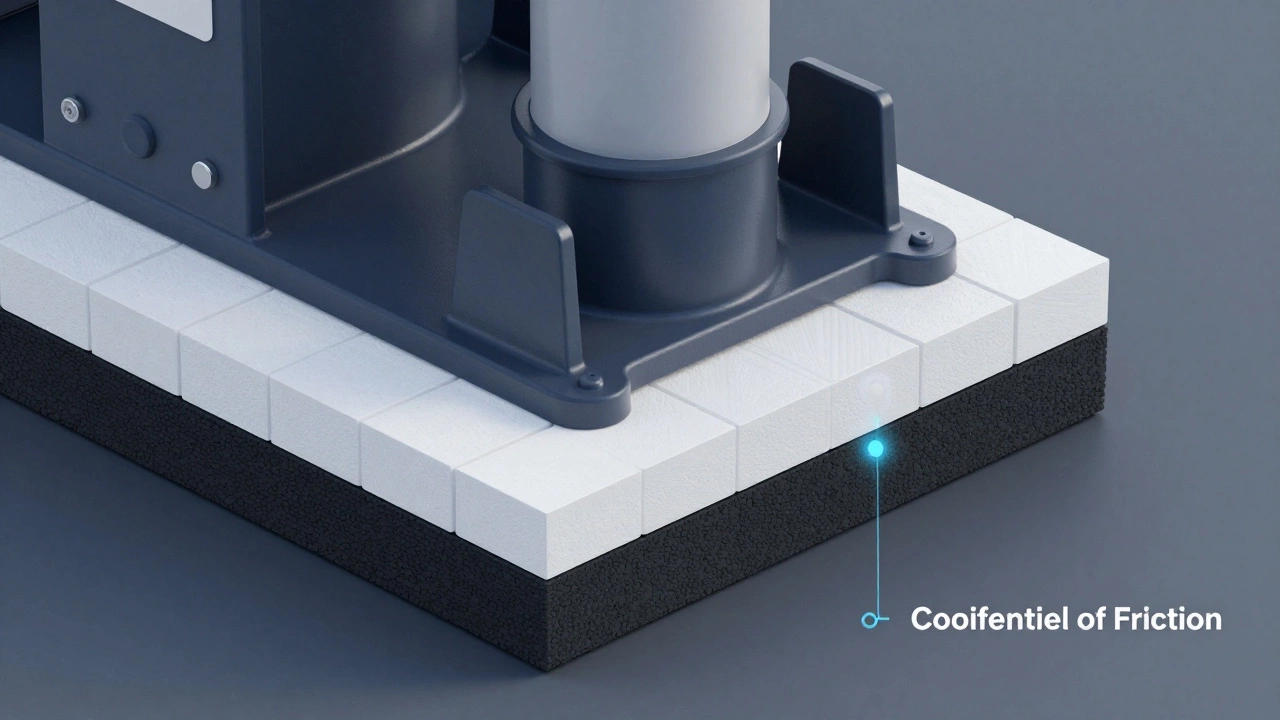
- Weight Distribution Layers: If the cargo has "feet" or a narrow base, add Dunnage (support material) like HDPE blocks to spread the load across a wider area of the trailer.
- Loading: Carefully lower the equipment onto the bedding using a crane or heavy-duty forklift, ensuring it sits square and centered.
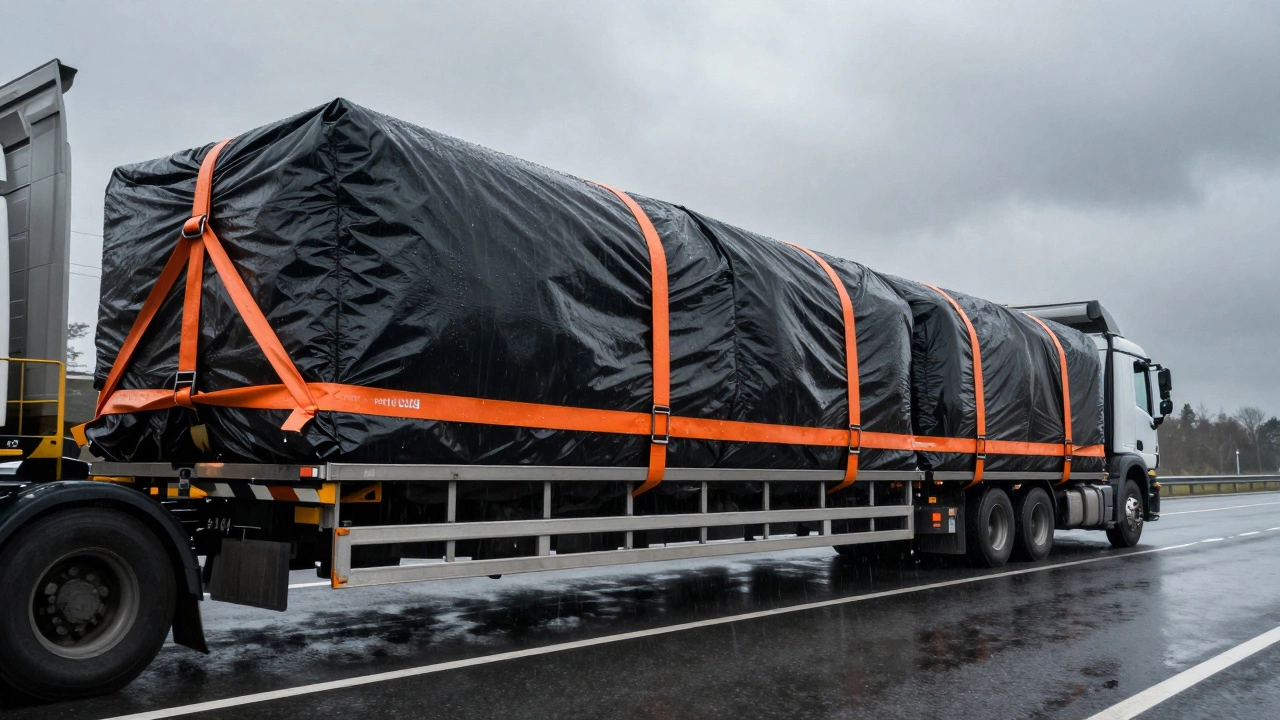
- Tensioning: Apply Tie-down Straps. The bedding provides the friction, but the straps provide the downward pressure that locks the cargo into that friction.
Common Pitfalls and Safety Risks
The biggest mistake people make is trusting the bedding to do all the work. Bedding is a supplement to securing, not a replacement for it. A common scenario in logistics is the "creep" effect, where a load slowly shifts over a long journey. If you rely solely on the grip of a rubber mat without properly tensioned chains or straps, the momentum of a sudden stop can overcome that friction, causing the load to slide.
Another risk is using the wrong material for the environment. For example, using certain low-grade rubbers in extreme cold can cause the material to harden and lose its grip, effectively turning your Type 4 bedding into a slippery surface. This is why professionals check the temperature ratings of their materials when shipping to regions with harsh winters.
The Role of Friction Coefficients in Logistics
If you want to get technical, Type 4 bedding is all about the Coefficient of Friction (CoF). This is a dimensionless number that describes the ratio of the force between two bodies that causes them to slide. A steel-on-steel CoF is very low (around 0.2 to 0.3), meaning it slides easily. When you introduce Type 4 rubber bedding, you can push that CoF up to 0.6 or higher.
Why does this matter? Because it reduces the number of tie-downs required to keep a load stable. By increasing the friction at the base, you reduce the lateral force the straps have to fight. This doesn't just make the load safer; it makes the loading and unloading process much faster because you aren't wrestling with fifty different chains just to keep one machine from moving an inch.
When Should You Choose Type 4 Over Other Options?
You don't need Type 4 for everything. Using high-density composite bedding for a shipment of office chairs is an expensive waste of resources. However, you should move to Type 4 when you meet any of these criteria:
- Extreme Weight: The cargo exceeds 5,000 kg and has a small footprint.
- High Value: The equipment is sensitive to vibration (e.g., medical imaging devices) and needs a dampened base.
- Long-Haul Transit: The shipment is crossing continents and will face varying road conditions and temperatures.
- Regulatory Compliance: Local transport laws require specific load-securing standards for "Oversize/Overweight" loads.
Is Type 4 bedding the same as a mattress?
No. While the word "bedding" is used in both contexts, Type 4 bedding refers to industrial load restraint materials like heavy-duty rubber and HDPE used in shipping, not sleep-related products.
Can I use plywood instead of Type 4 bedding?
Plywood is often considered Type 3 bedding. It is great for distributing weight, but it doesn't offer the same high-friction grip as the rubber and composite materials found in Type 4 setups. For very heavy or slippery loads, plywood alone isn't enough.
How often should industrial bedding be replaced?
Bedding should be inspected after every major trip. Look for signs of "compression set" (where the material stays flattened) or tears in the rubber. If the material has lost its elasticity or is worn thin, it will no longer provide the necessary friction and must be replaced.
Does temperature affect the performance of Type 4 bedding?
Yes. Extreme cold can make rubber bedding brittle and reduce its grip, while extreme heat can cause some polymers to soften too much. Always check the material specifications to ensure it is rated for the climate of your shipping route.
What is the difference between dunnage and bedding?
Bedding is generally the layer that sits directly between the cargo and the trailer to provide friction and cushioning. Dunnage refers to the overall materials (blocks, braces, air bags) used to fill gaps and prevent the load from shifting in any direction.
Next Steps for Logistics Managers
If you're auditing your current shipping process, start by identifying your highest-risk loads. Do you have equipment that regularly "walks" (shifts slightly) during transit? If so, upgrading from wood or light foam to a Type 4 rubberized system could significantly reduce your damage rates.
For those in highly regulated regions, check your local transport authority's guidelines on load securing. Many jurisdictions now require a documented "load plan" for heavy machinery, which includes the types of bedding and the specific tension levels of the straps used. Using a certified Type 4 system makes this documentation much easier and keeps your drivers safe on the road.