TikTok Mirror Trend Explained: The 'Mirror Test' and Why It’s Everywhere
TikTok Mirror Challenge Simulator
Challenge Timer
Ready to try the challenge?
What Happens During the Test?
Phase 1: Normal Recognition
You see yourself clearly. Your brain recognizes your features instantly. This is the baseline state.
Safety Tips for Real Life:
- Stop immediately if you feel anxiety or dissociation
- Check your surroundings for privacy before recording
- Use natural lighting for better visibility
- Remember: The goal is entertainment, not distress
Have you ever scrolled through your feed and stopped dead in your tracks because someone was staring at themselves? Not in a vain way, but with genuine shock, confusion, or sudden realization. If you’ve seen this recently, you’ve likely encountered the latest iteration of the TikTok mirror trend. It’s not just one video; it’s a wave of content that has taken over the platform, blending psychology, interior design, and raw human emotion into a single, reflective frame.
But what exactly is happening behind the glass? Is it a dance challenge? A filter hack? Or something deeper about how we see ourselves in the digital age? Let’s break down why millions are turning to their mirrors for content, what the specific "mirror tests" involve, and whether you should try it yourself.
The Anatomy of the TikTok Mirror Trend
When people talk about the "TikTok mirror trend," they are usually referring to one of three distinct phenomena. Understanding which one you’re watching changes everything about how you interpret the video.
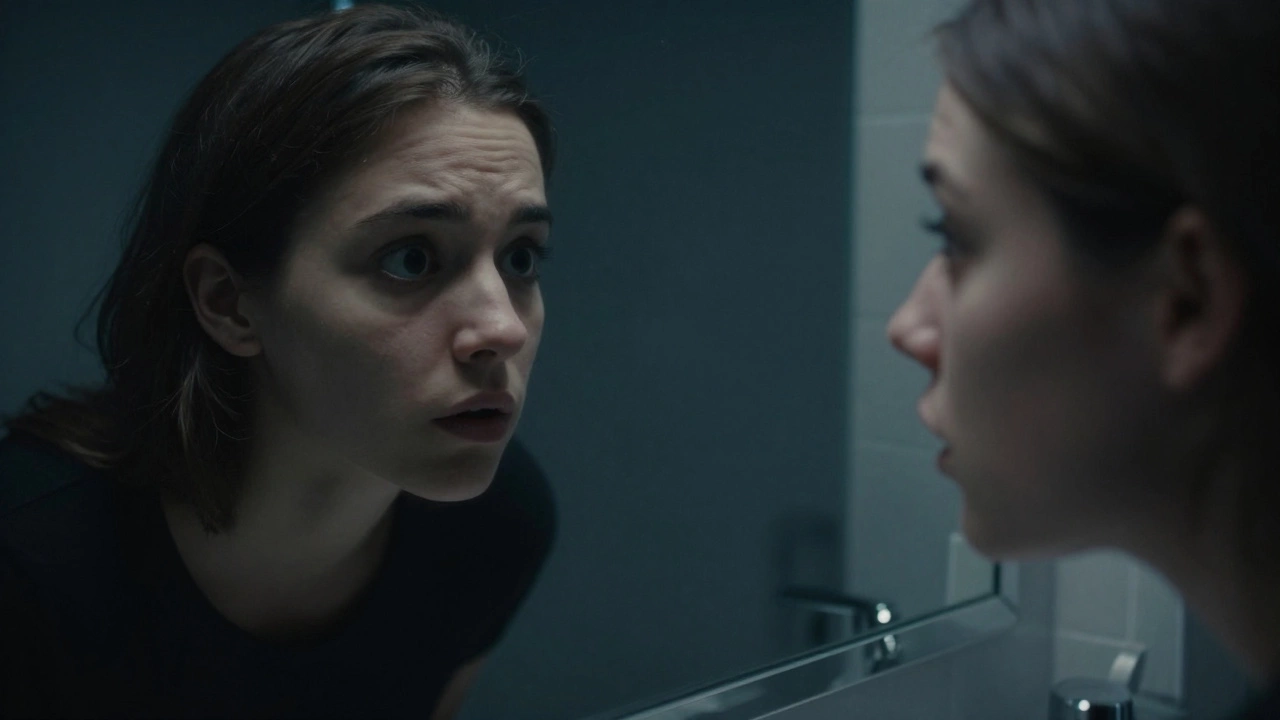
- The Psychological Mirror Test: This is the most viral variant. Users stand in front of a full-length mirror and perform a series of prompts designed to trigger an emotional response. Common instructions include "stare into your own eyes for 30 seconds" or "say your name out loud three times." The goal is to induce a state of depersonalization or self-recognition failure, often resulting in the user looking terrified or deeply moved by their own reflection.
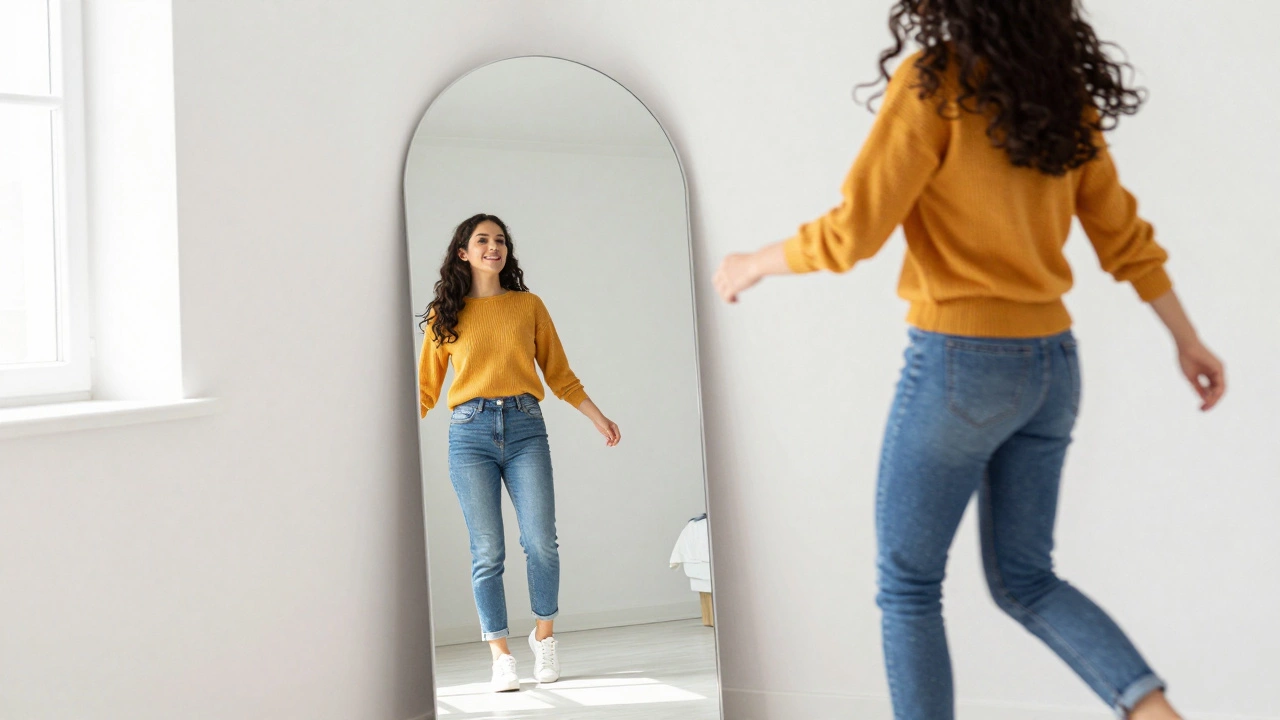
- The "Outfit Check" Evolution: While outfit checks have existed since Instagram’s early days, TikTok has sped them up. The trend now involves rapid-fire transitions where the mirror acts as a portal. One second you’re in pajamas; the next, you’re in a full formal wear ensemble. The mirror isn’t just a prop; it’s the stage for transformation.
- The Interior Design Reveal: This ties directly into home decor. Users film a room from a distance, then walk toward a large mirror to reveal how the space looks when reflected. It’s a clever way to show off furniture placement, lighting, and the illusion of depth created by strategic mirror placement.
The common thread? The mirror is no longer passive. It’s an active participant in the storytelling. Whether it’s reflecting a psychological experiment or a fashion upgrade, the glass surface is central to the narrative arc.
Why the "Mirror Test" Went Viral
The surge in popularity of the psychological "mirror test" on TikTok can be traced back to a few key factors. First, there’s the element of mystery. Human brains are wired to find patterns and faces. When you stare at your own reflection for too long, the brain starts to glitch. This phenomenon is known as the Ganzfeld effect or facial pareidolia. On TikTok, creators lean into this unease. They don’t explain the science upfront; they let the viewer watch them slowly lose their composure.
Second, it’s highly relatable. Everyone has a mirror. Everyone has looked at themselves and wondered, "Who is that person?" The trend taps into a universal existential question but packages it in a 15-second clip. It’s low-barrier entry content. You don’t need expensive equipment, a team, or special effects. You just need a bathroom or bedroom mirror and a phone.
Finally, the algorithm loves engagement. These videos often spark debate in the comments. Some viewers claim they tried it and felt nothing. Others say they were genuinely scared. This back-and-forth drives up watch time and interaction, signaling to TikTok’s recommendation engine that the content is valuable. The result? More exposure, more copies, and a trend that feels omnipresent.
The Role of Mirrors in Home Decor Trends
While the psychological aspect grabs headlines, the aesthetic side of the mirror trend is quietly reshaping homes. As users showcase their spaces through reflective surfaces, certain styles have emerged as dominant favorites.
| Mirror Style | Key Feature | Best For |
|---|---|---|
| Full-Length Arched Mirrors | Soft curves, floor-to-ceiling height | Outfit checks, small apartments |
| Vanity Mirrors with LED Lights | Built-in illumination, anti-fog | Skincare routines, makeup tutorials |
| Galaxy/Black Mirrors | Dark tint, high contrast | Dramatic reveals, moody aesthetics |
| Wall-Mounted Decorative Mirrors | Intricate frames, sunburst designs | Living room accents, light diffusion |
The arched full-length mirror, in particular, has become a staple. Its shape softens the rigid lines of modern interiors, making rooms feel larger and more inviting. When filmed for TikTok, the arch creates a natural framing device for the body, enhancing the visual appeal of outfit transitions. Similarly, LED vanity mirrors have surged in popularity due to the rise of "get ready with me" (GRWM) videos. The even lighting provided by these mirrors ensures that skin texture and product application are visible, which is crucial for beauty influencers.
For those interested in replicating the look, the key is placement. Mirrors placed opposite windows reflect natural light, doubling the brightness of a room. This trick is frequently highlighted in home tour videos, where creators use mirrors to make compact spaces feel expansive. It’s a simple, cost-effective solution that delivers immediate visual impact.
How to Create Your Own Mirror Content
If you’re inspired to join the trend, here’s how to do it effectively without falling into the trap of generic content.
1. Choose Your Angle
Decide whether you’re going for psychological intrigue or aesthetic appeal. For the former, focus on close-ups of your face and hands. Use natural lighting to enhance shadows and create a moody atmosphere. For the latter, step back to capture your full body and the surrounding environment. Ensure the room is tidy; clutter distracts from the reflection.
2. Lighting Matters
Poor lighting kills mirror content. Avoid harsh overhead lights that cast unflattering shadows under your eyes. Instead, position yourself near a window or use a ring light placed slightly above eye level. This setup mimics professional studio lighting and makes skin look smoother. If you’re using an LED mirror, adjust the color temperature to match your skin tone.
3. Keep It Short and Punchy
TikTok users scroll quickly. Hook them in the first two seconds. Start with a surprising statement, a dramatic pose, or a sudden movement. Don’t linger on the setup. Get straight to the action-whether that’s the moment of realization in a mirror test or the snap transition in an outfit change.
4. Use Sound Strategically
Audio is half the experience. For psychological tests, use ambient noise or silence to build tension. For fashion reveals, sync your movements to the beat of a trending song. TikTok’s sound library is vast, so search for tracks labeled "viral" or "trending" to boost discoverability.
Safety and Mental Health Considerations
While the mirror trend is mostly harmless fun, it’s worth noting that prolonged staring at one’s reflection can cause discomfort. Some users report feelings of dissociation or anxiety after attempting the "30-second stare" challenge. If you feel uneasy, stop immediately. The goal is entertainment, not distress.
Additionally, be mindful of privacy. Filming in front of a mirror can inadvertently capture sensitive information in the background, such as computer screens, mail, or personal documents. Always check your surroundings before hitting record. A quick scan of the reflection can prevent accidental leaks of private data.
The Future of Reflective Content
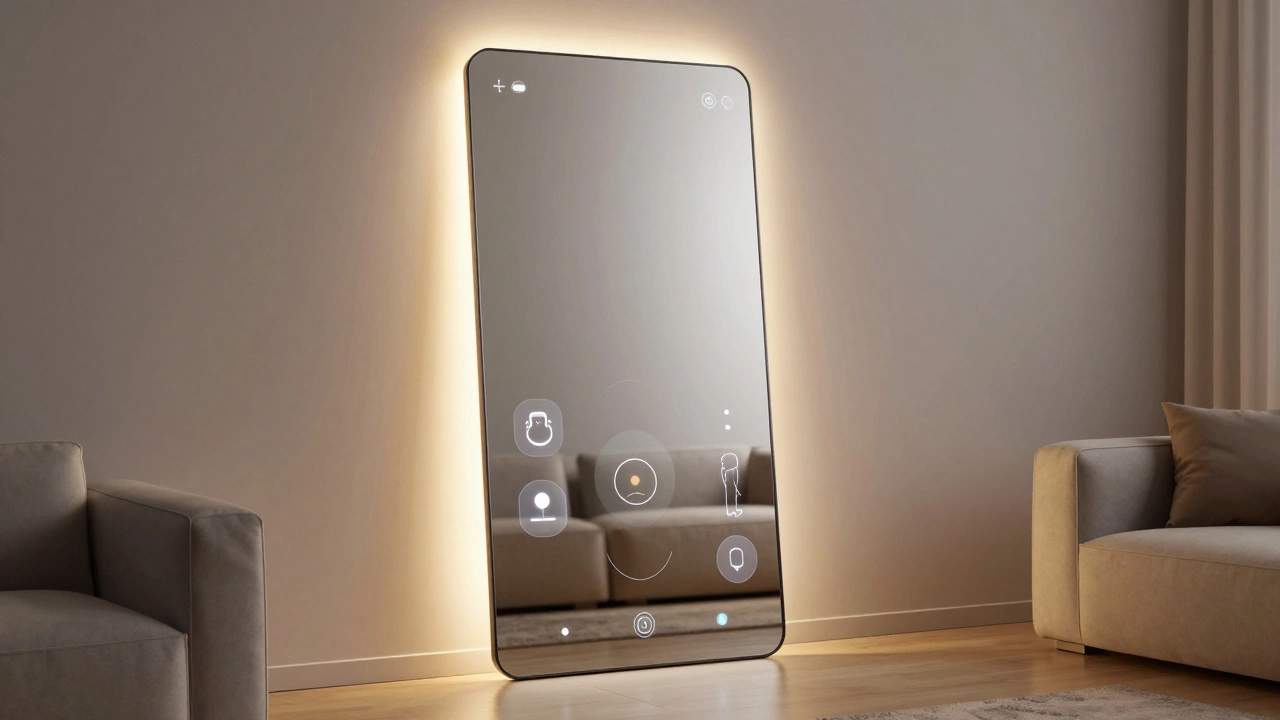
As technology advances, the mirror trend will likely evolve. Augmented reality (AR) filters already allow users to alter their reflections in real-time, adding virtual accessories or changing backgrounds. In the future, we might see interactive mirrors that respond to gestures or voice commands, creating new possibilities for content creation.
Moreover, the integration of AI could lead to personalized mirror experiences. Imagine a mirror that analyzes your mood based on facial expressions and suggests music or lighting adjustments. While this sounds futuristic, the groundwork is being laid now. Brands are already experimenting with smart mirrors in retail environments, allowing customers to virtually try on clothes. This technology will eventually trickle down to consumer devices, further blurring the line between physical and digital reflection.
For now, the mirror remains a powerful tool for self-expression. Whether you’re exploring your psyche, showcasing your style, or decorating your home, the mirror offers a unique lens through which to view yourself and share that perspective with the world. So, the next time you catch your reflection, consider what story it tells. And if you’re feeling brave, maybe record it.
What is the TikTok mirror test?
The TikTok mirror test is a viral challenge where users stare into their own reflection for a set period, often 30 seconds or more, to observe psychological effects like depersonalization or facial distortions. It aims to evoke strong emotional reactions.
Is the TikTok mirror trend safe?
Generally, yes. However, some individuals may experience mild anxiety or dissociation during prolonged staring. If you feel uncomfortable, stop immediately. Also, ensure your background doesn’t reveal private information.
Why are mirrors popular in TikTok home decor videos?
Mirrors make spaces appear larger and brighter by reflecting light and views. They also serve as effective props for outfit checks and room reveals, adding visual interest and depth to short-form video content.
What type of mirror is best for TikTok outfit videos?
A full-length arched mirror is ideal. It captures your entire outfit while providing a flattering frame. Good lighting, preferably natural or from an LED source, is equally important for clear visuals.
Can I use any mirror for the psychological test?
Yes, any standard mirror works. The effect relies on your perception, not the quality of the glass. However, a clean, well-lit mirror helps maintain focus and reduces distractions during the exercise.