The Three Core Activities of Logistics Systems: Planning, Execution, and Control
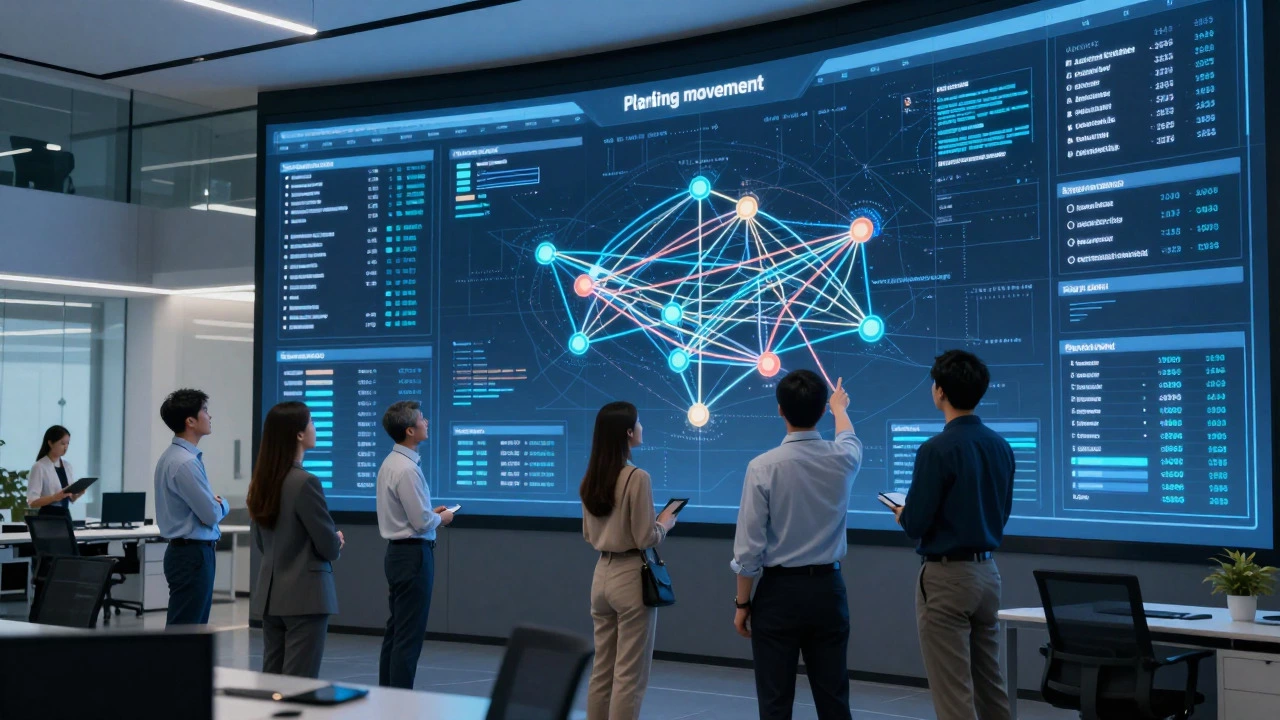
Logistics System Interaction Simulator
Click on any phase to see how it influences the others. The three activities form a continuous feedback loop that ensures operational efficiency.
Click on one of the circles in the diagram to understand its role and how it connects to the other activities.
Key Interactions
Most people think logistics is just about moving boxes from point A to point B. But if you look under the hood of a modern logistics system is a coordinated network of processes that manages the flow of goods, data, and resources from origin to consumption., it’s actually running on three distinct engines. Without all three working in sync, your operation falls apart-either you have too much stock sitting in a warehouse, or customers are waiting weeks for their orders.
The three main activities are Planning, Execution, and Control. These aren’t just abstract concepts; they are the functional pillars that determine whether your supply chain is efficient or chaotic. Understanding how these interact helps you identify where your bottlenecks really are. Are you planning poorly? Executing slowly? Or failing to control costs? Let’s break down each activity and see how they connect in real-world operations.
Planning: The Blueprint for Movement
Planning is where the magic happens before a single truck leaves the dock. This activity involves forecasting demand, determining optimal inventory levels, and designing the most cost-effective routes. It’s not just guessing what will sell next month; it’s using data to predict trends and prepare resources accordingly.
In this phase, you answer critical questions:
- How much product do we need to keep in stock to avoid stockouts?
- Which distribution centers should handle which regions?
- What is the most fuel-efficient route for our delivery fleet?
Effective planning relies heavily on historical data and market intelligence. For example, a retail company might analyze last year’s holiday sales data combined with current economic indicators to forecast winter coat demand. If the forecast suggests a 15% increase, the planning team adjusts purchase orders and warehouse space allocation accordingly. Without this step, you’re essentially flying blind, reacting to problems instead of preventing them.
Modern logistics software automates much of this by integrating sales data with inventory records. This allows planners to simulate different scenarios-like “what if we delay shipments by two days?”-and see the financial impact instantly. This predictive capability transforms planning from an art into a science.
Execution: Turning Plans into Action
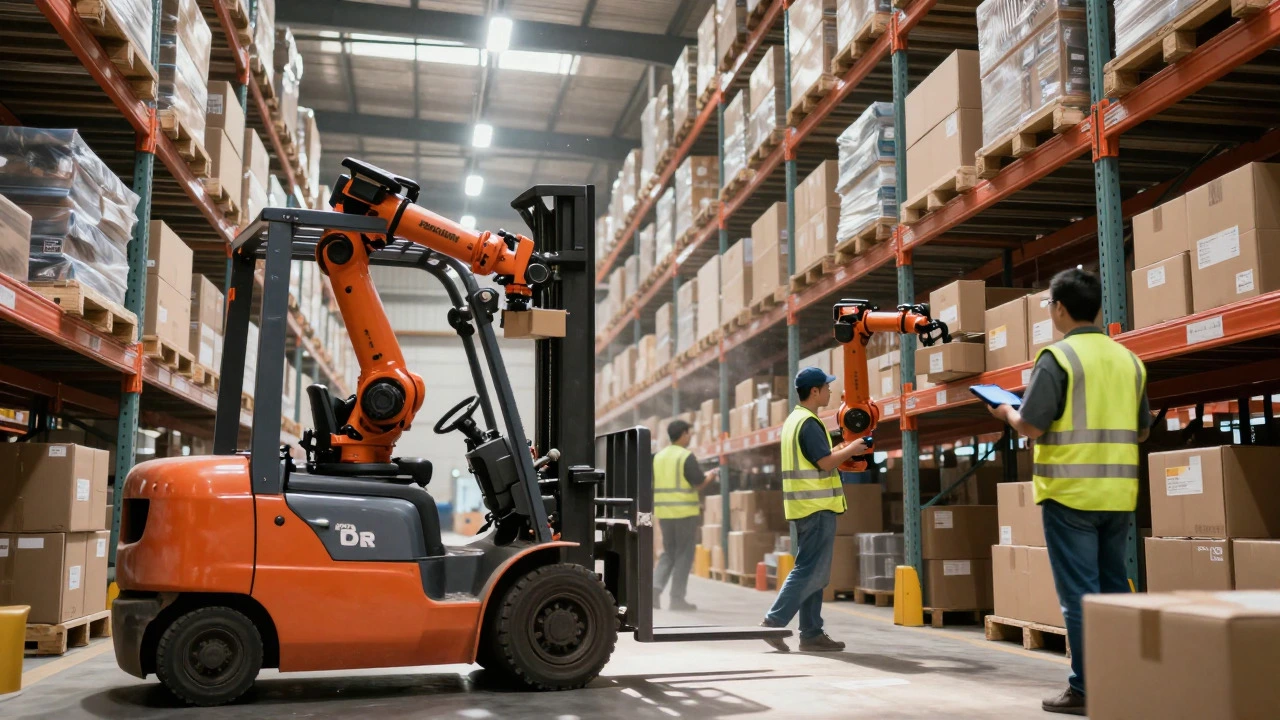
If planning is the blueprint, execution is the construction crew. This is where physical movement happens. It includes order processing, picking and packing, transportation, and final delivery. Execution is often the most visible part of logistics because it’s what customers see. A delayed shipment or a damaged package is an execution failure, regardless of how perfect your plan was.
Execution requires precise coordination between multiple parties: warehouse staff, carriers, drivers, and sometimes third-party logistics (3PL) providers. Every second counts here. In e-commerce, for instance, the goal is often same-day or next-day delivery. To achieve this, warehouses must pick items within minutes of an order being placed. This speed depends on optimized warehouse layouts, efficient scanning technologies, and well-trained personnel.
Consider a large online retailer during peak season. Thousands of orders come in simultaneously. The execution team must sort these orders by destination, assign them to specific zones, and dispatch trucks in the right sequence. If one zone is understaffed, packages pile up, and delivery times slip. This ripple effect shows why execution isn’t just about moving things-it’s about maintaining flow.
Technology plays a huge role here too. Barcode scanners, RFID tags, and GPS tracking systems provide real-time visibility into where every item is. This transparency helps managers spot delays immediately. If a truck is stuck in traffic, the system can alert dispatchers to reroute another vehicle or notify the customer proactively. This responsiveness is a hallmark of strong execution capabilities.
Control: Keeping Everything on Track
Even with great plans and fast execution, things go wrong. Trucks break down, weather disrupts routes, and suppliers miss deadlines. This is where the third activity, Control, comes in. Control involves monitoring performance against benchmarks, identifying deviations, and taking corrective action.
Control is not about micromanaging every driver or picker. Instead, it focuses on key performance indicators (KPIs) like on-time delivery rates, inventory accuracy, and cost per unit shipped. By tracking these metrics, managers can see if the system is drifting off course.
For example, suppose your on-time delivery rate drops from 98% to 92% over a week. The control process kicks in. You investigate the cause. Was it a carrier issue? A warehouse bottleneck? Once identified, you take action-maybe switching carriers or adding temporary staff. Then, you monitor to ensure the fix works. This cycle of measure-analyze-act-improve is the heartbeat of operational excellence.
Control also includes financial oversight. Logistics is expensive. Fuel, labor, storage, and technology all add up. By analyzing costs per shipment or per SKU, you can find inefficiencies. Maybe one route is consistently more expensive than expected due to tolls or detours. Adjusting that route saves money over time. This financial control ensures that logistics supports profitability, not just speed.
How the Three Activities Interact
These three activities don’t operate in isolation. They form a continuous loop. Planning sets the targets, Execution delivers the results, and Control measures the gap between the two. When Control identifies a problem, it feeds back into Planning to adjust future forecasts or strategies. When Execution faces a constraint, it informs Planning about realistic capacity limits.
Imagine a scenario where demand suddenly spikes due to a viral social media post. Execution struggles to keep up, leading to delays. Control detects the drop in service levels. Planning then revises its forecast and increases safety stock for similar products in the future. Meanwhile, Execution might negotiate better terms with carriers to handle higher volumes. This dynamic interplay keeps the system resilient.
| Activity | Primary Focus | Key Tools/Technologies | Common Failure Modes |
|---|---|---|---|
| Planning | Forecasting and resource allocation | Demand forecasting software, ERP systems | Overstocking, underestimating demand |
| Execution | Physical movement and order fulfillment | WMS, TMS, GPS tracking | Delays, errors, high handling costs |
| Control | Performance monitoring and correction | KPI dashboards, audit systems | Late detection of issues, lack of accountability |
The Role of Technology in Modern Logistics
While the three activities have existed for decades, technology has transformed how they are performed. Today, integrated platforms allow real-time data sharing across all three phases. A change in planning parameters can instantly update execution tasks in a Warehouse Management System (WMS). Similarly, execution data flows directly into control dashboards, providing immediate feedback.
This integration reduces silos. In the past, planning teams might use spreadsheets, while execution teams relied on paper forms. Data discrepancies were common. Now, a single source of truth exists. Everyone sees the same numbers, making collaboration smoother and decision-making faster.
Furthermore, artificial intelligence is beginning to enhance all three activities. AI algorithms can predict demand more accurately than traditional methods. Machine learning models can optimize routes dynamically based on live traffic data. And automated anomaly detection can flag control issues before they become major problems. These advancements are making logistics systems smarter, more agile, and more responsive.

Common Pitfalls and How to Avoid Them
Many organizations struggle because they focus too heavily on one activity at the expense of others. For instance, some companies invest heavily in fancy execution technology but neglect planning. As a result, they execute efficiently but move the wrong products. Others obsess over control metrics but fail to act on insights, turning data into noise rather than value.
To avoid these pitfalls, balance is key. Ensure that planning is data-driven and regularly updated. Make sure execution is supported by reliable technology and trained staff. And implement control mechanisms that lead to actionable changes, not just reports. Regular cross-functional meetings where planners, operators, and analysts discuss performance can help maintain this balance.
Also, remember that logistics is customer-centric. All three activities ultimately serve the end user. If your planning leads to frequent stockouts, customers leave. If execution is slow, they get frustrated. If control misses quality issues, they receive damaged goods. Always tie your logistics goals back to customer satisfaction metrics.
Final Thoughts
Understanding the three main activities of logistics systems-Planning, Execution, and Control-gives you a clear framework for improving your operations. Each activity has a distinct purpose, yet they are deeply interconnected. By mastering all three, you create a resilient, efficient, and customer-focused supply chain. Whether you’re managing a small warehouse or a global distribution network, these principles apply. Start by assessing where you stand in each area. Identify gaps, implement targeted improvements, and continuously monitor your progress. That’s how you turn logistics from a cost center into a competitive advantage.
What is the primary difference between logistics and supply chain management?
Logistics focuses specifically on the movement and storage of goods, including transportation, warehousing, and inventory. Supply chain management is broader, encompassing logistics plus procurement, manufacturing, supplier relationships, and demand planning. Logistics is a subset of supply chain management.
Why is planning considered the first activity in logistics?
Planning sets the direction and resources needed for execution. Without accurate forecasts and strategic decisions, execution becomes reactive and inefficient. Planning ensures that the right products are available in the right places at the right time, minimizing waste and maximizing service levels.
How does logistics software support the three main activities?
Logistics software integrates data across planning, execution, and control. It uses algorithms for demand forecasting (planning), automates order processing and routing (execution), and provides real-time KPI dashboards for monitoring performance (control). This integration enables faster decision-making and greater visibility.
What are some key KPIs used in logistics control?
Common KPIs include on-time delivery rate, inventory turnover ratio, order accuracy percentage, cost per unit shipped, and warehouse throughput. These metrics help managers assess performance against targets and identify areas for improvement.
Can small businesses effectively manage all three logistics activities?
Yes, though the scale differs. Small businesses may use simpler tools and manual processes, but the principles remain the same. They still need to forecast demand, execute orders efficiently, and monitor costs and performance. Cloud-based logistics software makes it easier for smaller firms to access advanced features without heavy investment.