ERP Software: What It Is and How It Powers Warehousing, Logistics, and Home Businesses
When you hear ERP software, a system that integrates core business processes like inventory, logistics, finance, and human resources into one platform. Also known as enterprise resource planning software, it’s not just for big corporations—it’s the quiet engine behind how warehouses track shipments, how small businesses manage orders, and how even home-based sellers keep their stock from turning into chaos. Think of it as the central nervous system for your operations. Without it, you’re juggling spreadsheets, paper logs, and guesswork. With it, your warehouse knows exactly what’s in stock, your delivery team gets the right address, and your accounting doesn’t fall behind.
ERP software doesn’t work alone. It connects to tools like SAP, a leading enterprise software platform used by top logistics firms to manage warehouse workflows and supply chains. SAP isn’t the only one—there are dozens of systems out there—but it’s the name most people recognize because it powers everything from shipping labels to payroll. Then there’s warehouse management system, a specialized module within ERP software that tracks inventory in real time, directs pickers, and updates stock levels as items move. You’ll see this in posts about how Prologis runs its massive facilities or how a small business cuts shipping errors by 40%. And none of this matters if your logistics software, the part of ERP that handles routing, carrier selection, and delivery timelines is outdated. If your system can’t talk to FedEx or UPS, you’re losing time and money.
What you’ll find in these posts isn’t theory. It’s real talk from people who’ve lived it: how a warehouse supervisor uses ERP to cut overtime, why a small e-commerce store switched from Excel to a cloud-based ERP, and how SAP EWM beats older warehouse modules in speed and accuracy. You’ll see how these systems link to things like overnight delivery cutoffs, courier times, and even the size of your storage shed. It’s not about tech jargon—it’s about making your day easier, your inventory accurate, and your customers happy.
Whether you’re running a home business, managing a team in a distribution center, or just trying to understand why your packages arrive on time, ERP software is the invisible hand behind it all. Below, you’ll find practical guides, real cost breakdowns, and no-fluff comparisons that show you exactly how these systems work—and how to pick the right one for your needs.
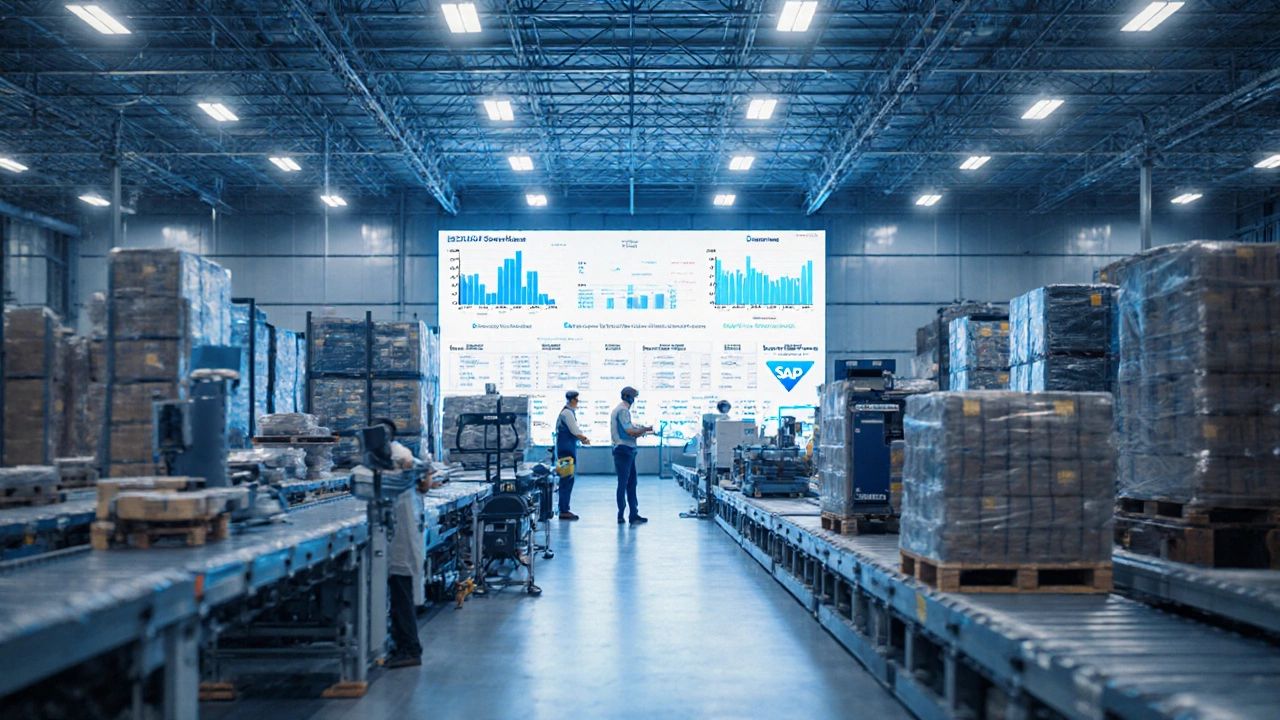
SAP is an ERP system, not a WMS-but it offers a warehouse module called EWM. Learn when to use SAP EWM versus a standalone WMS for your warehouse operations.
Nov, 6 2025